Sorting skills Extra Challenge Worksheets
5 filtered results
-
From - To
Engage your young learners with our "Sorting Skills Extra Challenge Worksheets"! Designed to enhance critical thinking and organizational abilities, these worksheets provide an exciting way for children to develop their sorting skills. Each worksheet features various objects, images, or categories that challenge students to group items based on different attributes such as color, size, and type. With captivating visuals and age-appropriate exercises, these worksheets promote a deeper understanding of sorting while keeping learning fun and interactive. Ideal for classrooms or home assignments, our worksheets cater to early learners and foster essential cognitive and problem-solving skills. Download now and inspire sorting mastery!
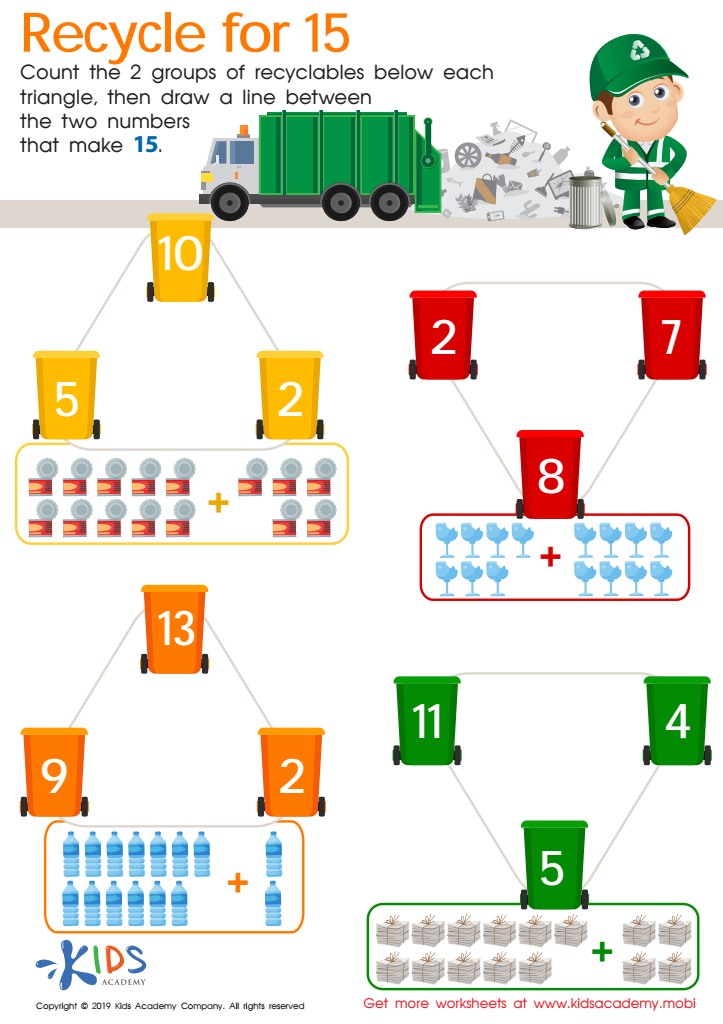
Recycle for 15 Worksheet
 Assign to My Students
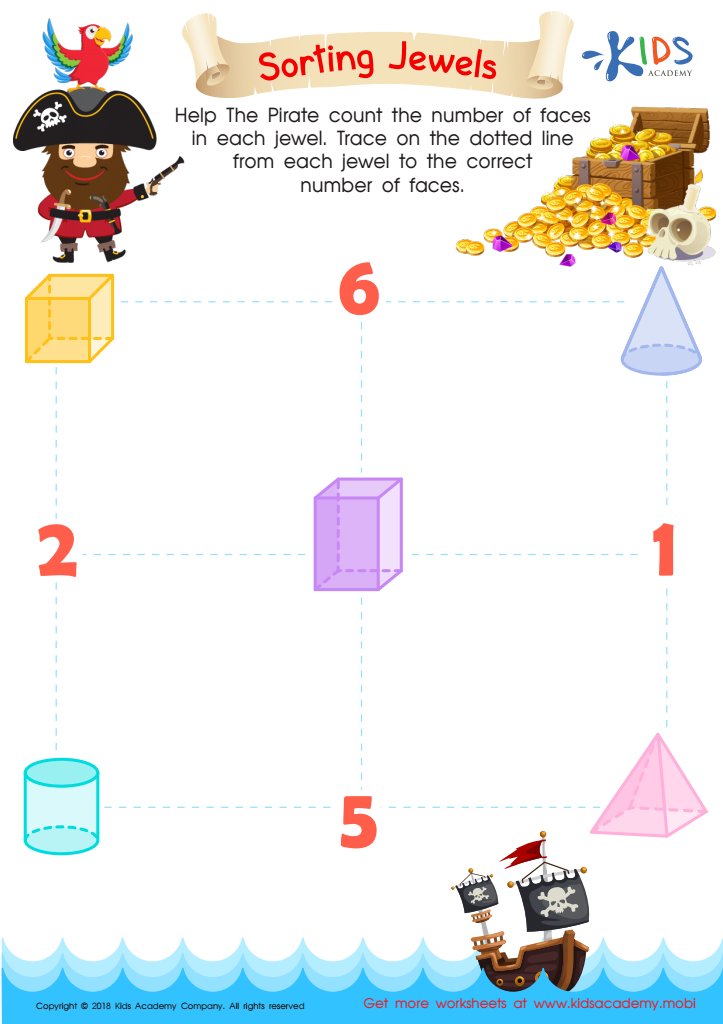
Sorting Jewels Worksheet
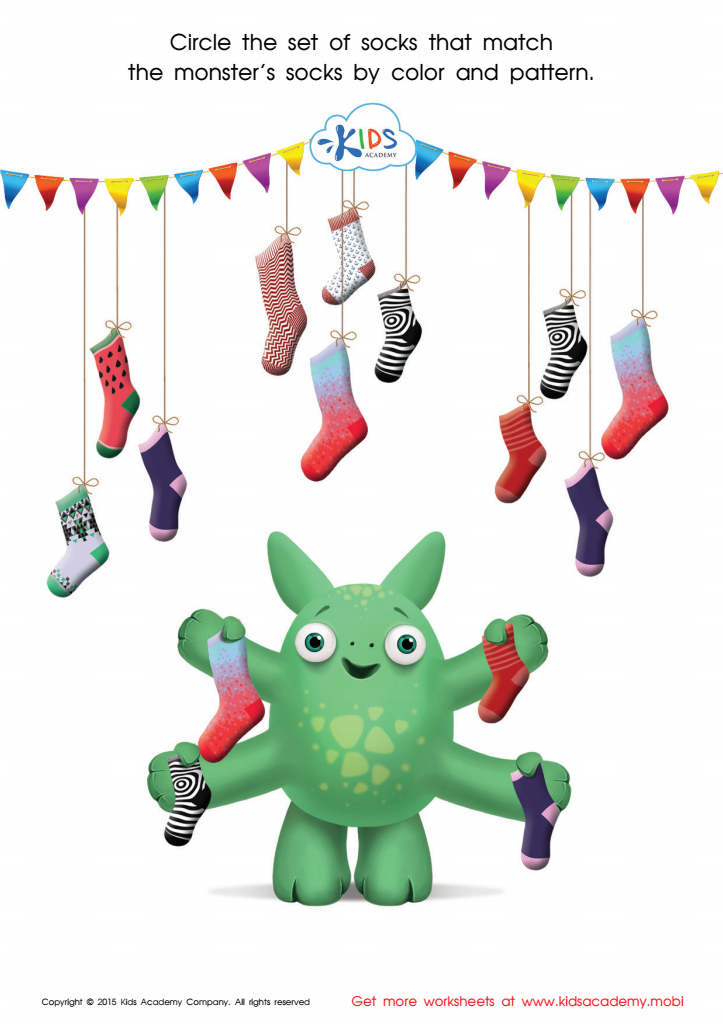
Sort the Monster's Socks Worksheet
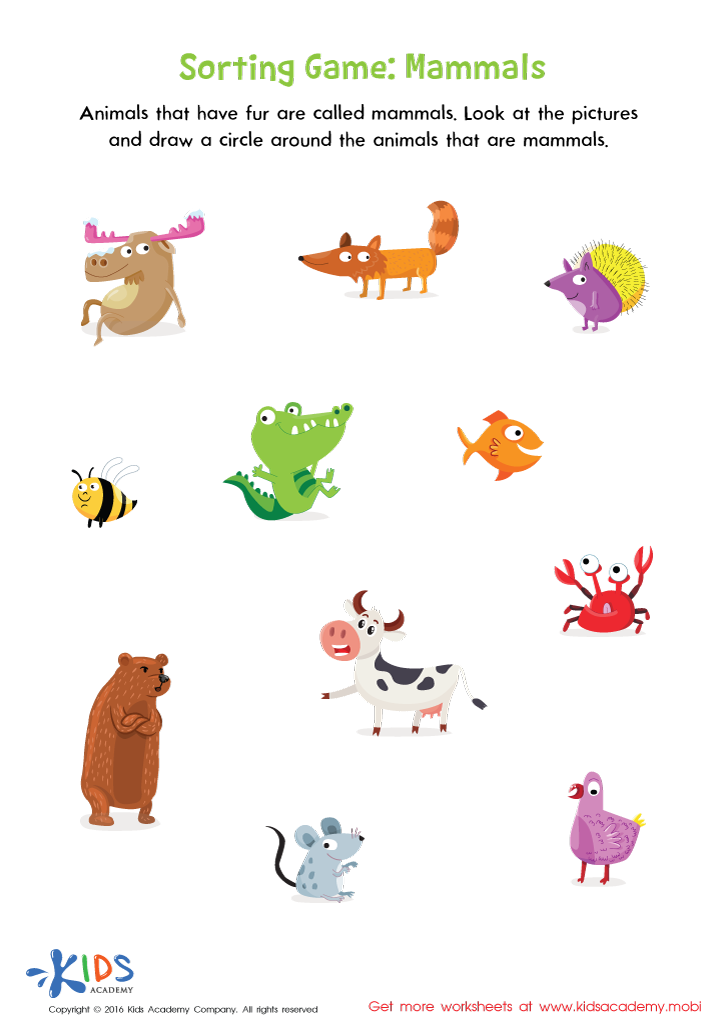
Mammals Sorting Worksheet
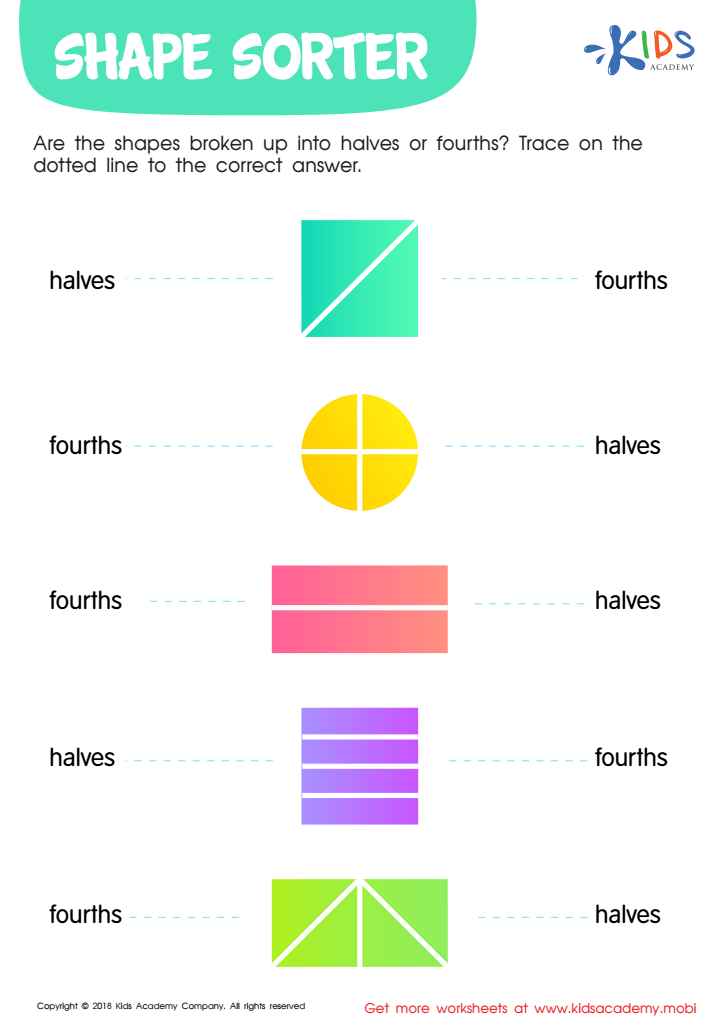
Shape Sorter Worksheet





Sorting skills are fundamental in early childhood development, and it’s essential for parents and teachers to invest time in enhancing these abilities. Sorting skills are not just about categorizing objects or understanding order; they lay the groundwork for critical thinking, problem-solving, and mathematical understanding. By helping children develop sorting skills, adults are nurturing their ability to recognize patterns, make associations, and differentiate between attributes—key components of cognitive development.
Extra challenges in sorting activities encourage deeper engagement, sparking curiosity and fostering a love for learning. For instance, introducing more complex sorting criteria, like shape, color, size, or even functional properties, pushes children to think critically instead of relying solely on visual cues. This deeper cognitive engagement enhances concentration, attention to detail, and memory.
Additionally, sorting tasks often encourage collaboration, communication, and social skills when carried out in group settings, allowing children to learn from one another in a supportive environment. Ultimately, investing in sorting skills through extra challenges enriches children's learning experience, preparing them for future academic success while building a solid foundation for logical reasoning and organization that extends beyond educational settings into daily life. Parents and teachers should prioritize these skills for holistic development.








