Shape Recognition Extra Challenge 2D Shapes Worksheets
7 filtered results
-
From - To
Introducing our "Shape Recognition Extra Challenge 2D Shapes Worksheets" – the perfect resource for young learners looking to advance their geometry skills. These engaging worksheets are designed to enhance shape recognition and classification through challenging exercises. Each sheet offers captivating activities that encourage critical thinking and a deeper understanding of two-dimensional shapes. Ideal for children who have mastered the basics, these worksheets incorporate intricate patterns and complex shapes to stimulate their minds and bolster problem-solving abilities. Use our expertly crafted resources to pave the way for your child's success in mathematics, making learning both fun and educational.
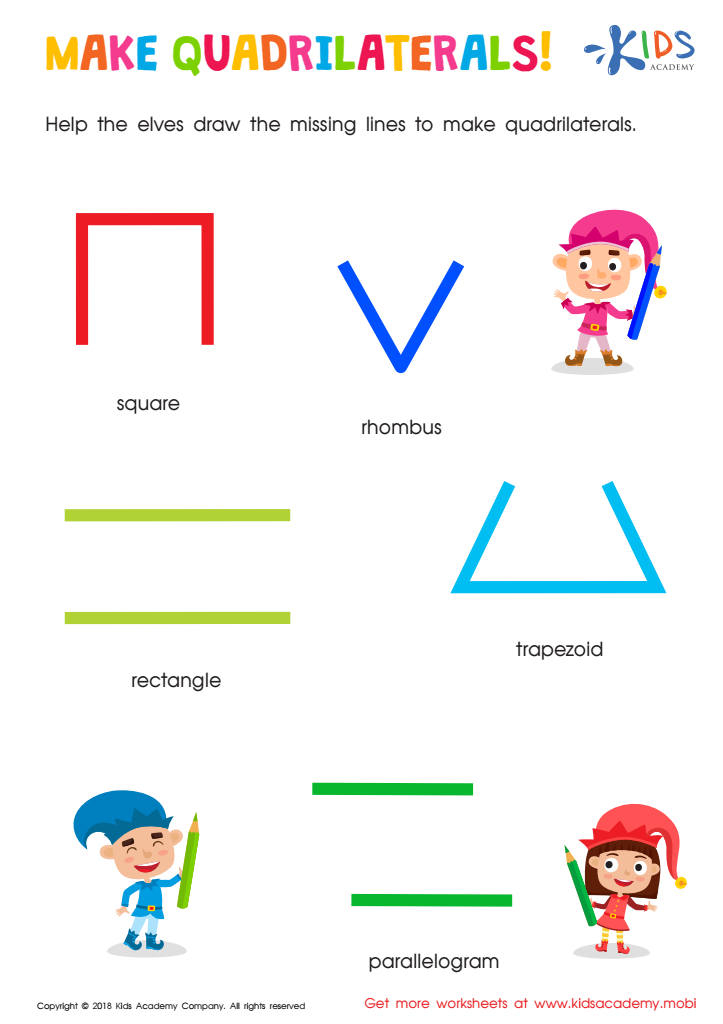
Make Quadrilaterals Worksheet
 Assign to My Students


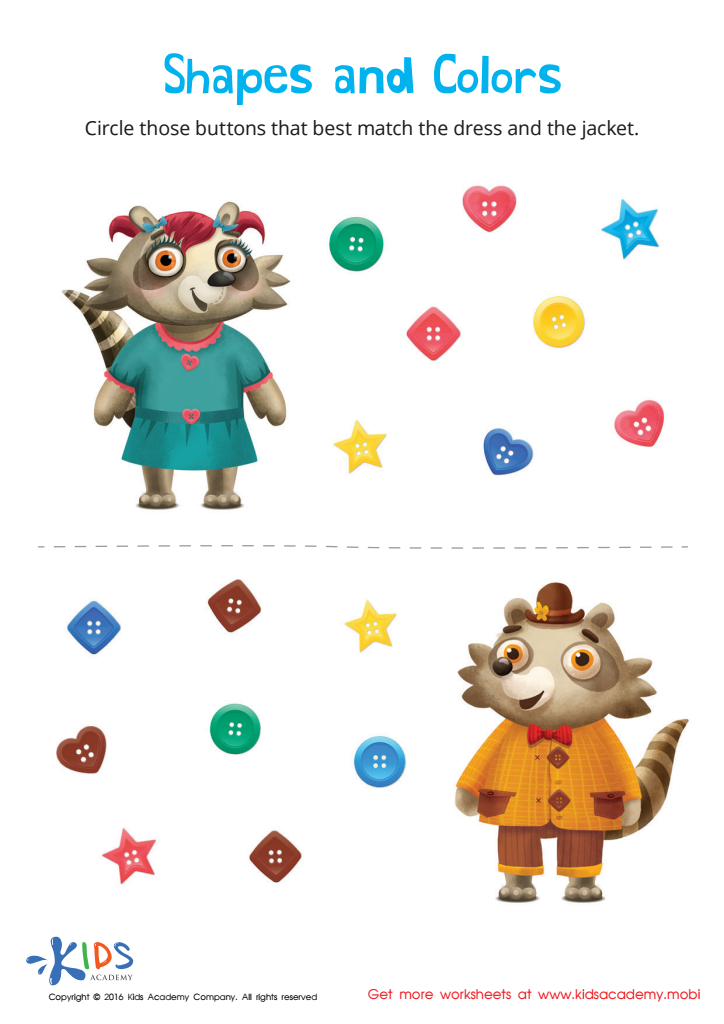
Matching: Shapes and Colors Worksheet
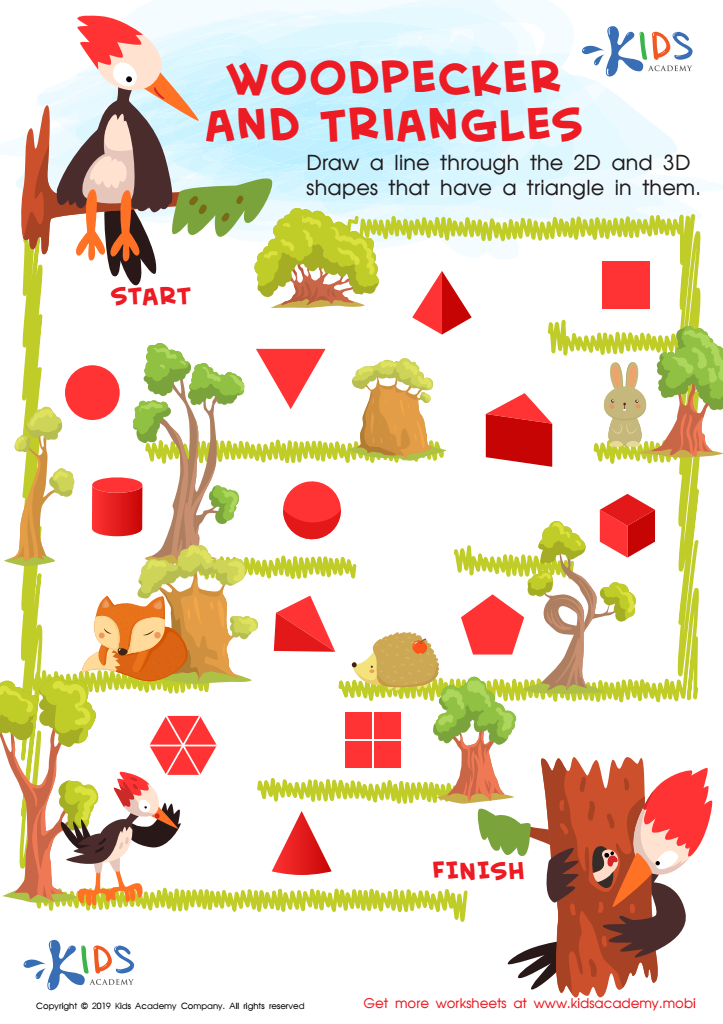
Woodpecker and Triangles Worksheet
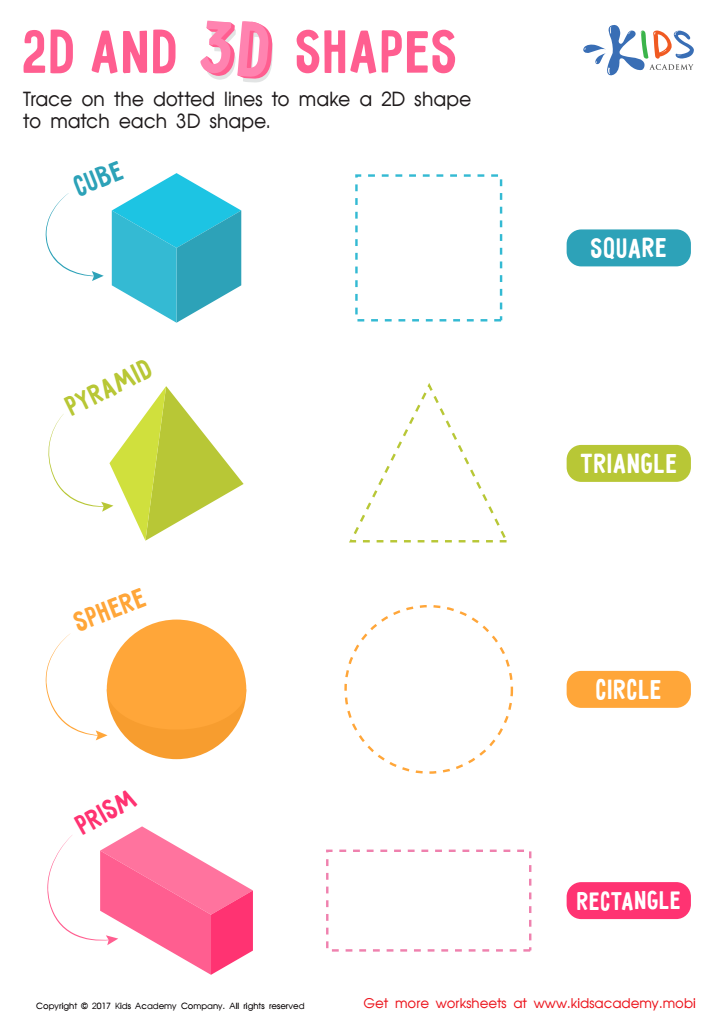
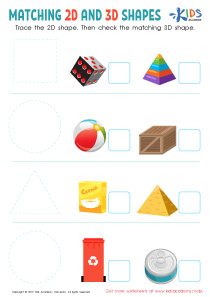
2D and 3D Shapes Worksheet
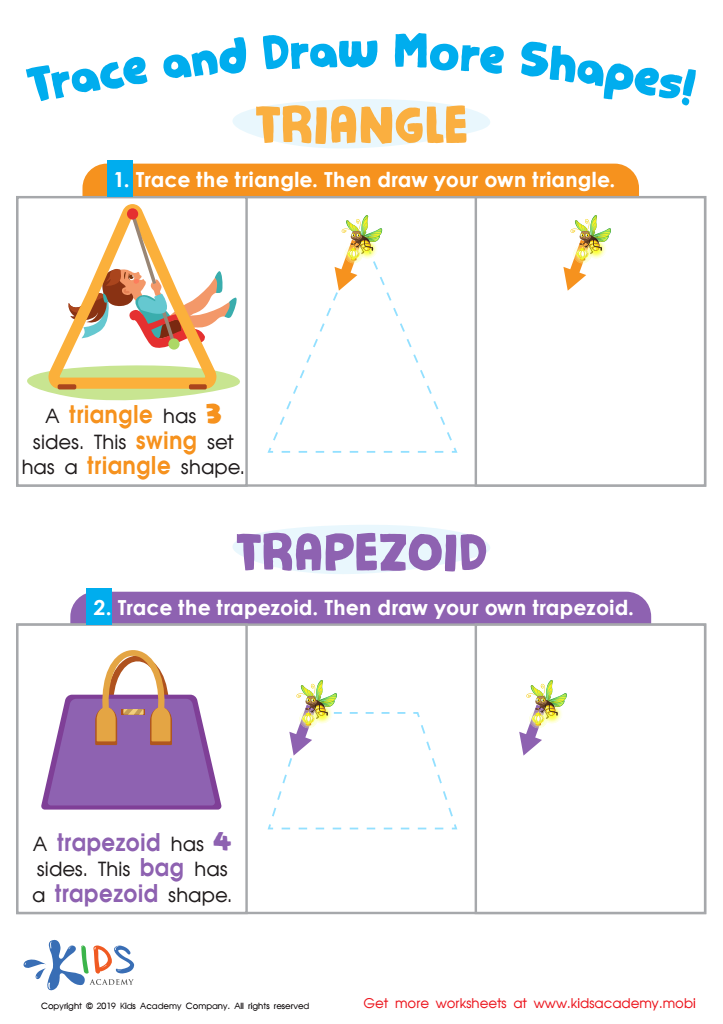
Trace and Draw More Shapes Worksheet
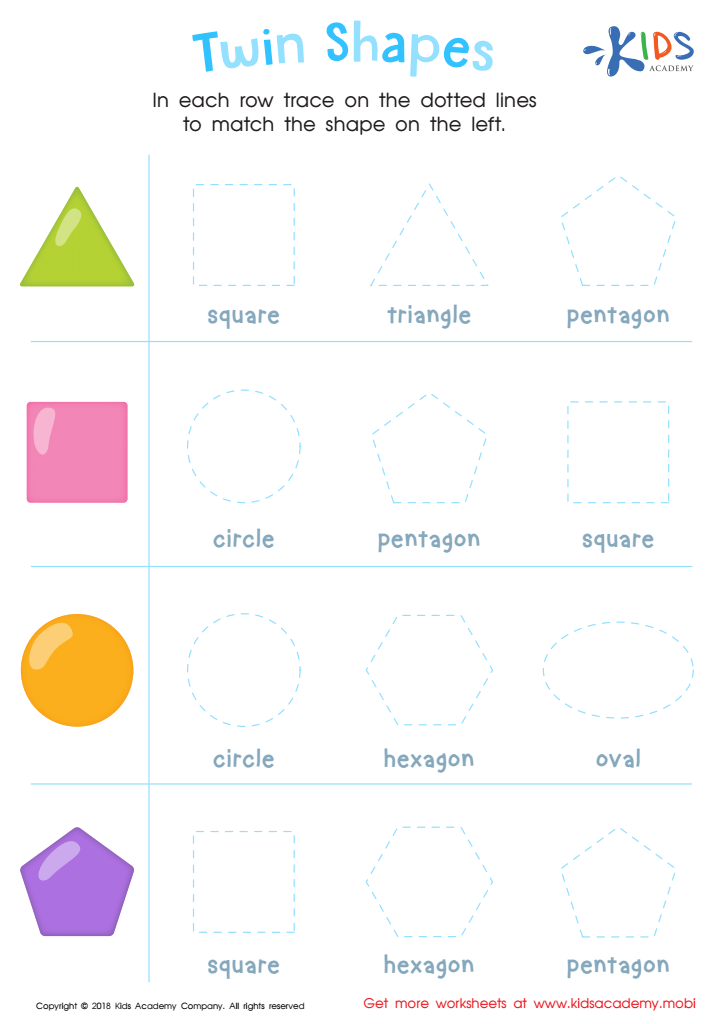
Twin Shapes Dot-to-Dot Worksheet
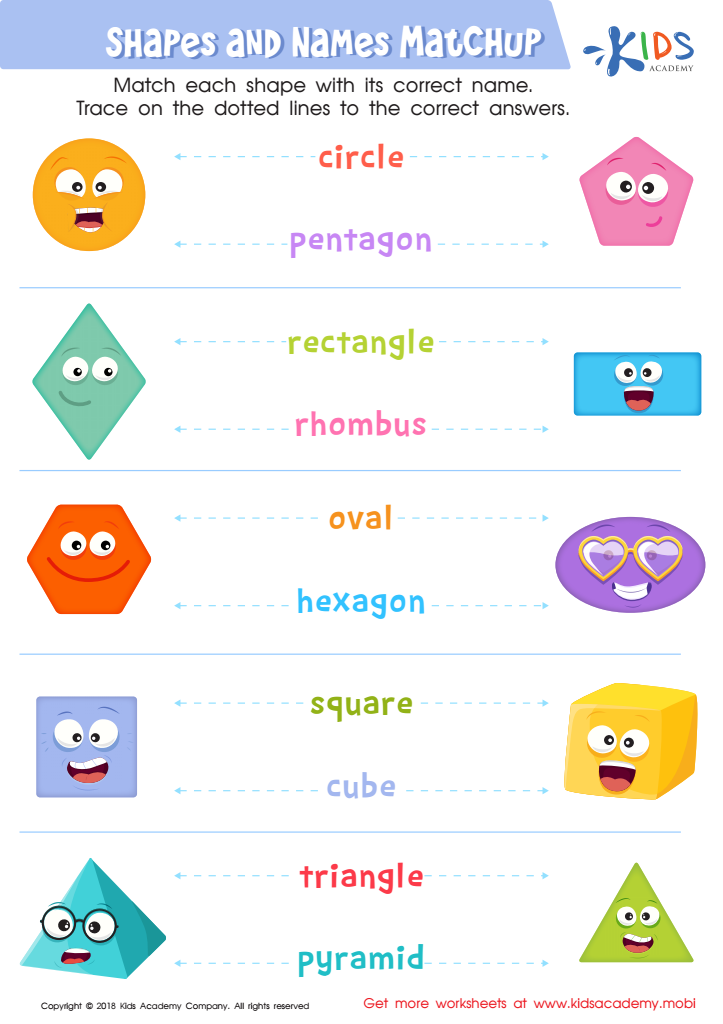
Shapes and Names Matchup Worksheet








Shape recognition is a fundamental aspect of early childhood development, and engaging in challenges like the Shape Recognition Extra Challenge for 2D shapes can provide numerous benefits for young learners. Parents and teachers should be particularly invested in this activity as it goes beyond simple identification and delves into deeper cognitive skills. When children work on shape recognition challenges, they not only learn to name and differentiate between various shapes like circles, squares, and triangles, but they also enhance their spatial awareness and problem-solving abilities.
Furthermore, these activities lay the groundwork for mathematical understanding. Recognizing and categorizing shapes sharpens kids' ability to identify patterns and relationships - a foundational skill in geometry and algebra. Additionally, being able to recognize shapes helps children with their fine motor skills and hand-eye coordination, particularly when they are drawing or assembling shapes in puzzles and other creative tasks.
Finally, engaging in shape recognition activities fosters persistence and attention to detail, attributes that are crucial for academic success in all subjects. It makes learning interactive and fun, thus keeping young minds engaged and enthusiastic about studying. In sum, shape recognition challenges serve as a crucial bridge between simple play and academic learning, making them a valuable tool for parents and teachers aiming to support comprehensive early childhood development.