Comparing lengths Extra Challenge Math Worksheets
6 filtered results
-
From - To
Explore our "Comparing Lengths Extra Challenge Math Worksheets," designed to enhance students' understanding of measurement concepts. These engaging worksheets encourage learners to analyze and compare various lengths, reinforcing their skills in identifying taller, shorter, longer, and shorter objects. Ideal for sharpening critical thinking and problem-solving abilities, these activities offer a fun way to improve math proficiency. The extra challenge ensures that students are pushed to think creatively while grasping essential measurement principles. Catered to young learners, these worksheets provide a solid foundation in comparing lengths, preparing them for more advanced mathematical concepts. Transform learning into an exciting experience with our comprehensive resources!
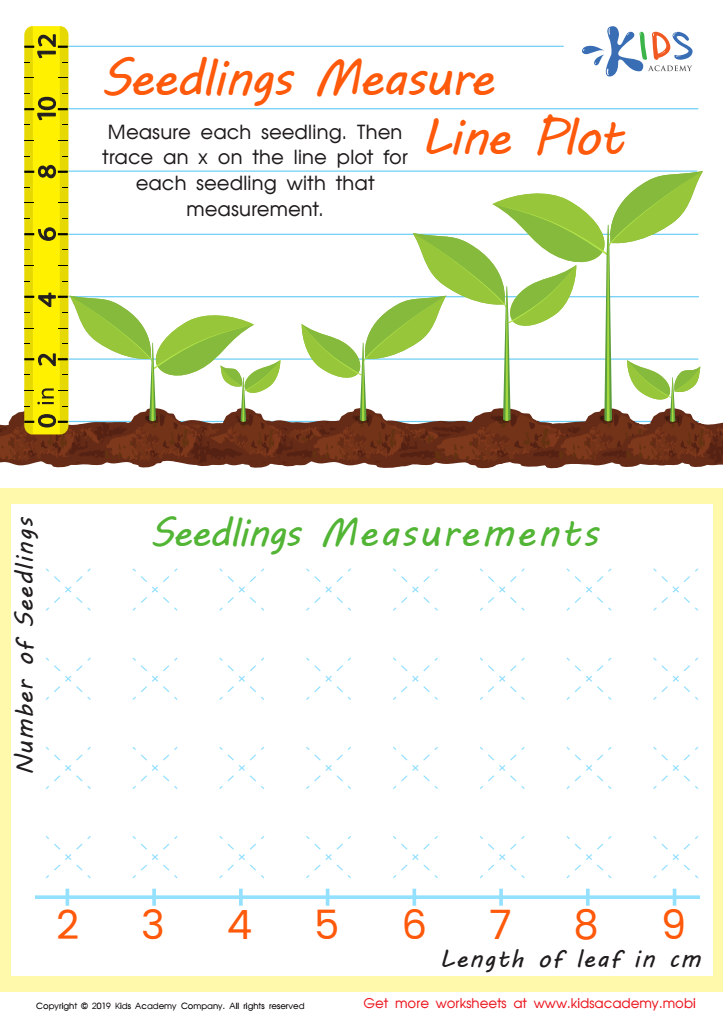
Seedling Measure Line Plot Worksheet
 Assign to My Students
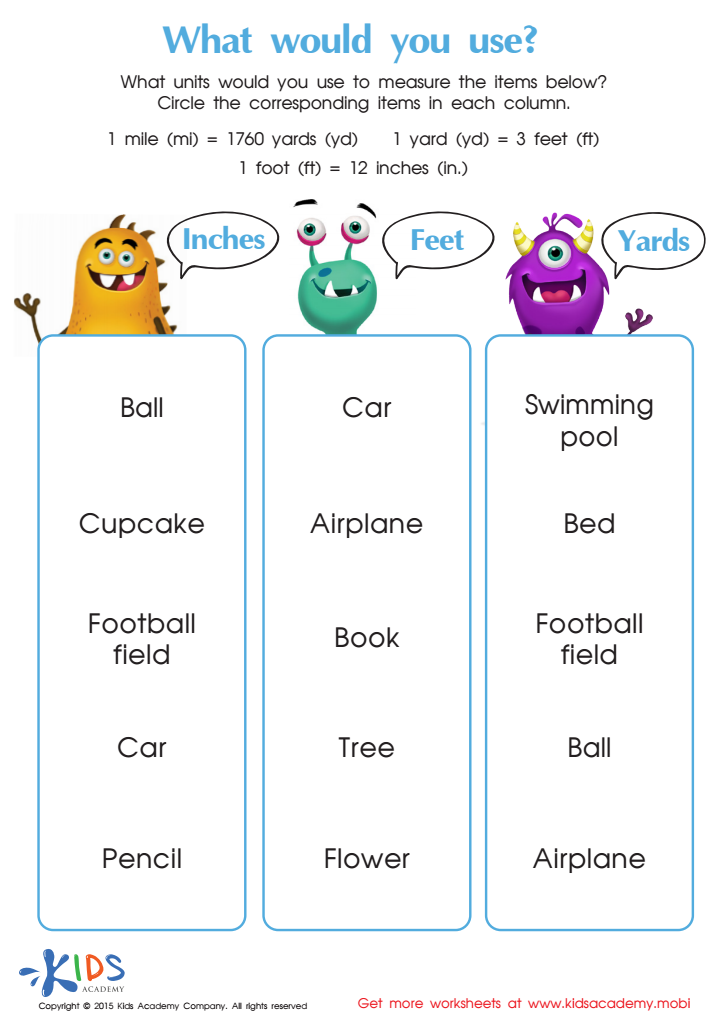
Learning about measuring objects in inches, feet and yards Worksheet
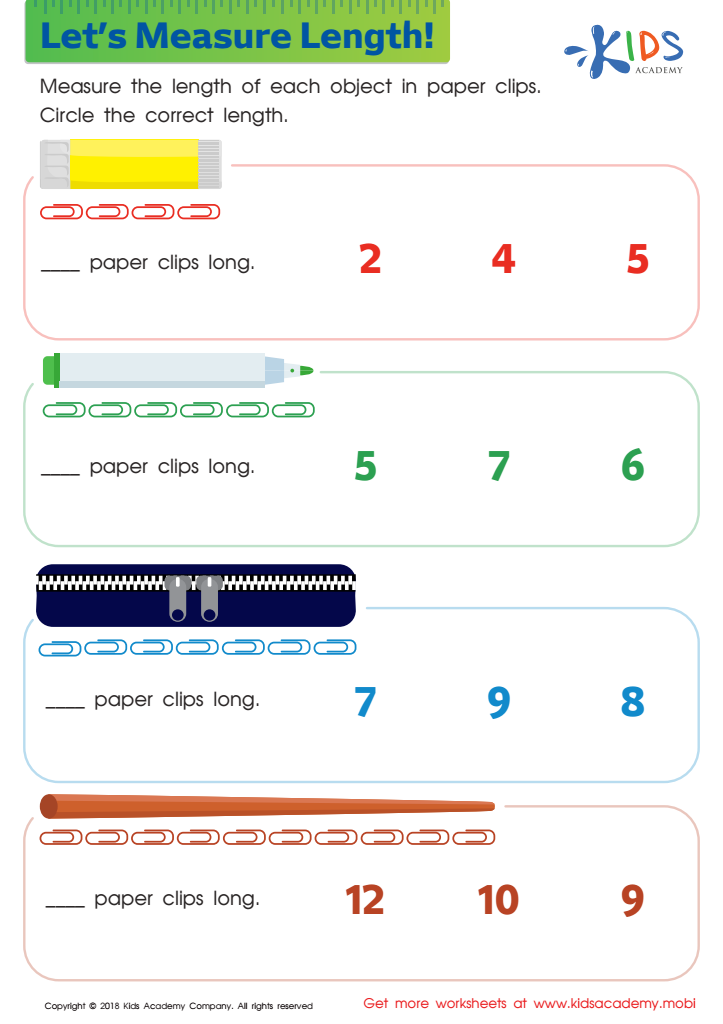
Lets Measure Length Worksheet
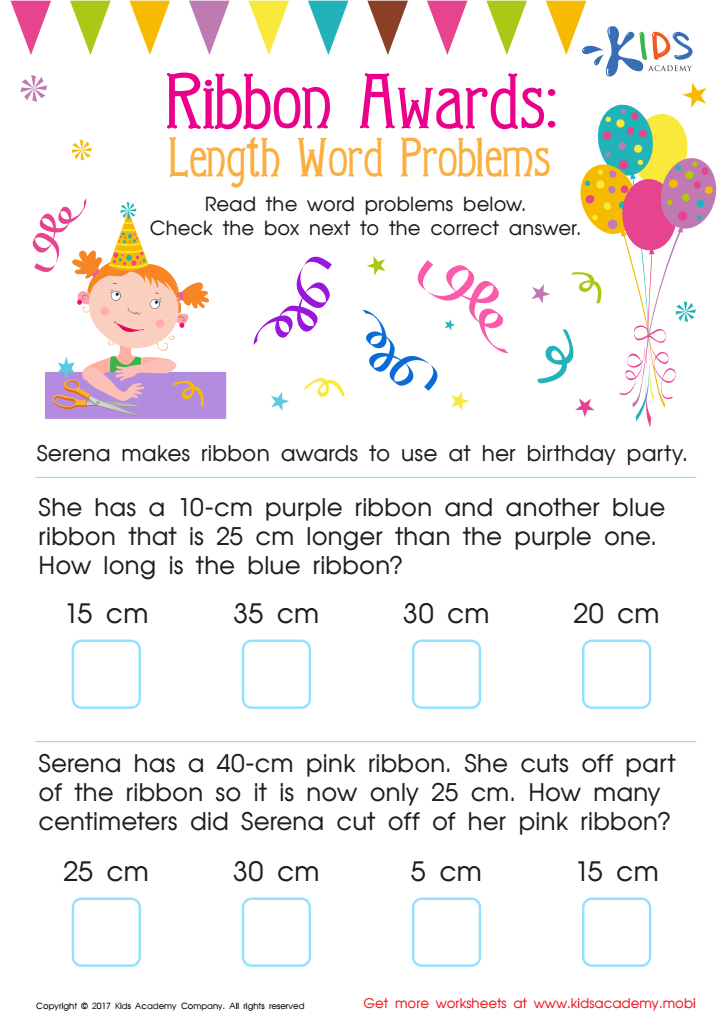
Length Word Problems Worksheet
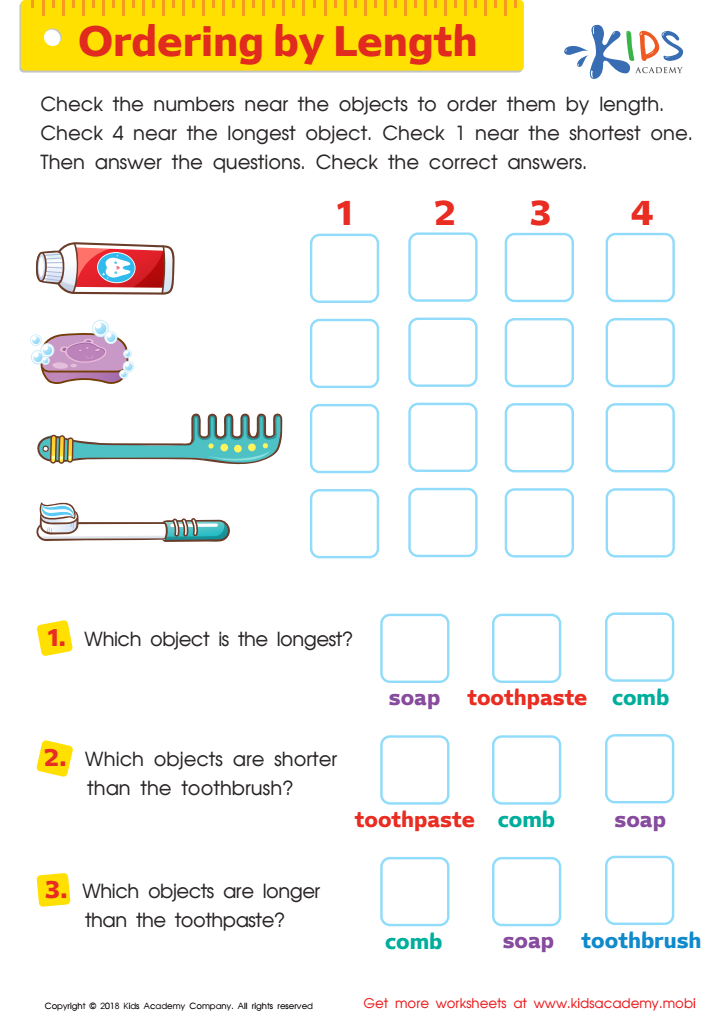
Ordering by Length Worksheet
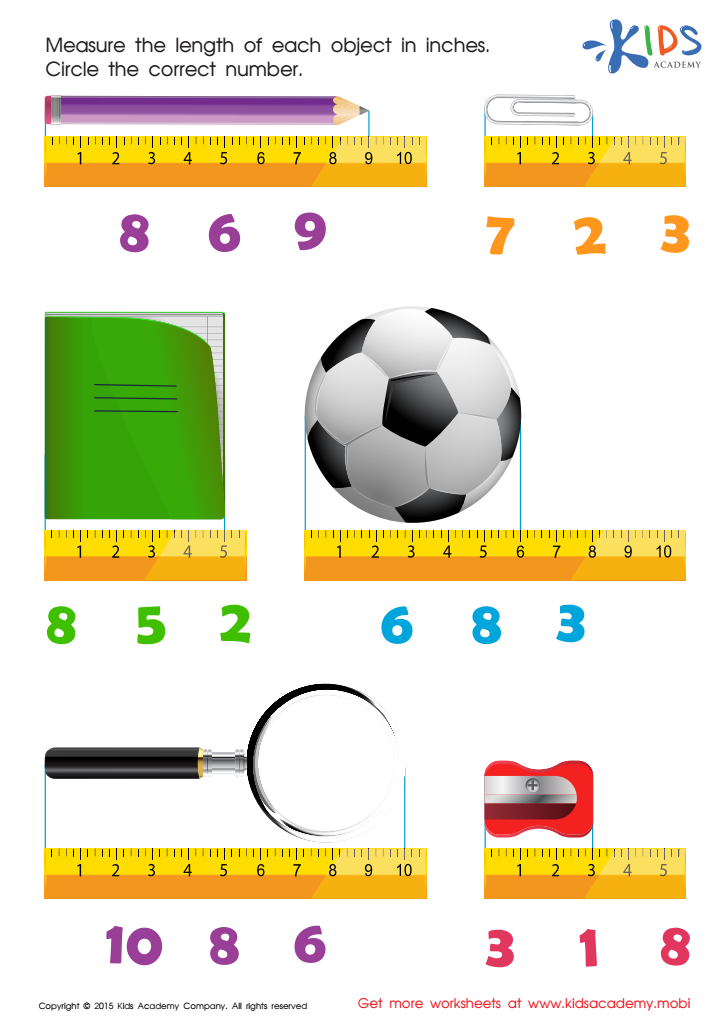
Learning measuring objects in inches Worksheet








Comparing lengths is a foundational math concept that is essential for young learners, making it crucial for both parents and teachers to prioritize this skill in the classroom and at home. Understanding how to compare lengths helps children develop a sense of measurement, which is not only vital in math but also in everyday life. For instance, knowing which object is longer or shorter can be applied when organizing toys, determining what clothes to buy, or planning activities that require spatial awareness.
Moreover, comparing lengths introduces children to important mathematical vocabulary and concepts, such as "longer," "shorter," "tall," and "wide." Engaging in activities that emphasize these comparisons fosters critical thinking and problem-solving skills as children learn to make judgments based on evidence.
Beyond mathematics, these skills contribute to scientific reasoning, as many science experiments require measurement comparisons. As children encounter scenarios that demand both analytical and practical skills, supporting their learning journey in comparing lengths equips them for understanding more complex math concepts in the future.
Ultimately, by recognizing the importance of comparing lengths, parents and teachers can work together to enrich children's educational experiences and build a strong foundation for lifelong learning.