Hand-eye Coordination Extra Challenge Math Worksheets
9 filtered results
-
From - To
Enhance your child’s learning experience with our Hand-Eye Coordination Extra Challenge Math Worksheets! Designed to foster crucial skills, these worksheets integrate math concepts with engaging activities that sharpen coordination. Ideal for early learners, each worksheet offers fun, interactive exercises that require children to solve problems while improving their fine motor skills. As they navigate through numbers and equations, they’ll develop greater focus, dexterity, and confidence. Perfect for at-home learning or classroom use, our worksheets provide a dynamic way to reinforce math comprehension while making learning enjoyable. Download now and give your child a leg up in both math and coordination!
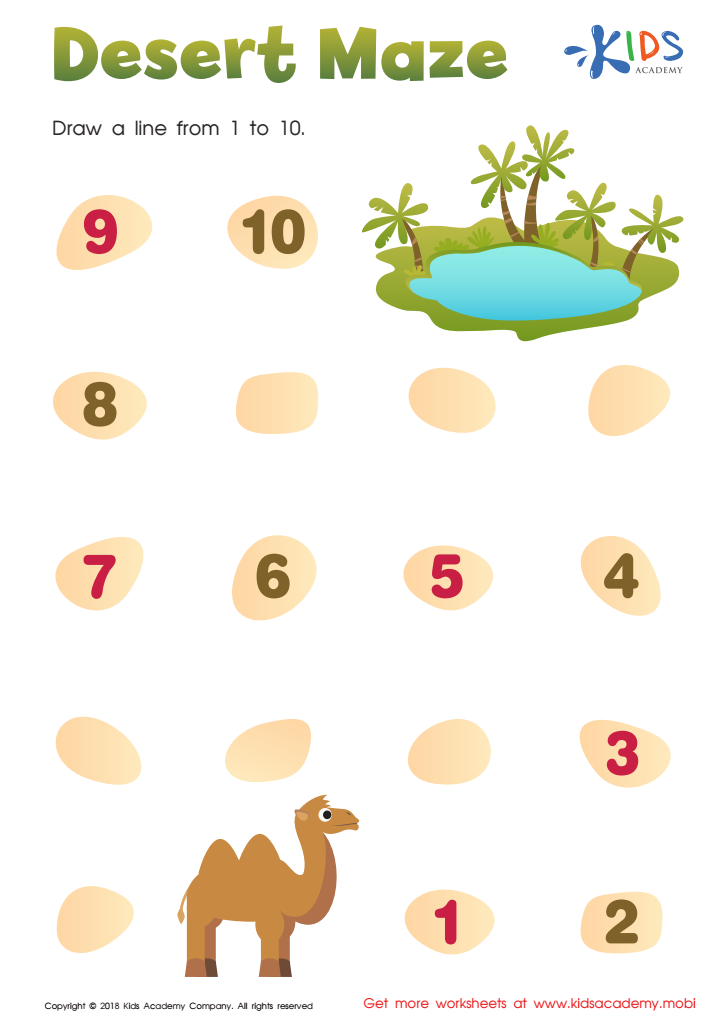
Desert Maze Worksheet
 Assign to My Students
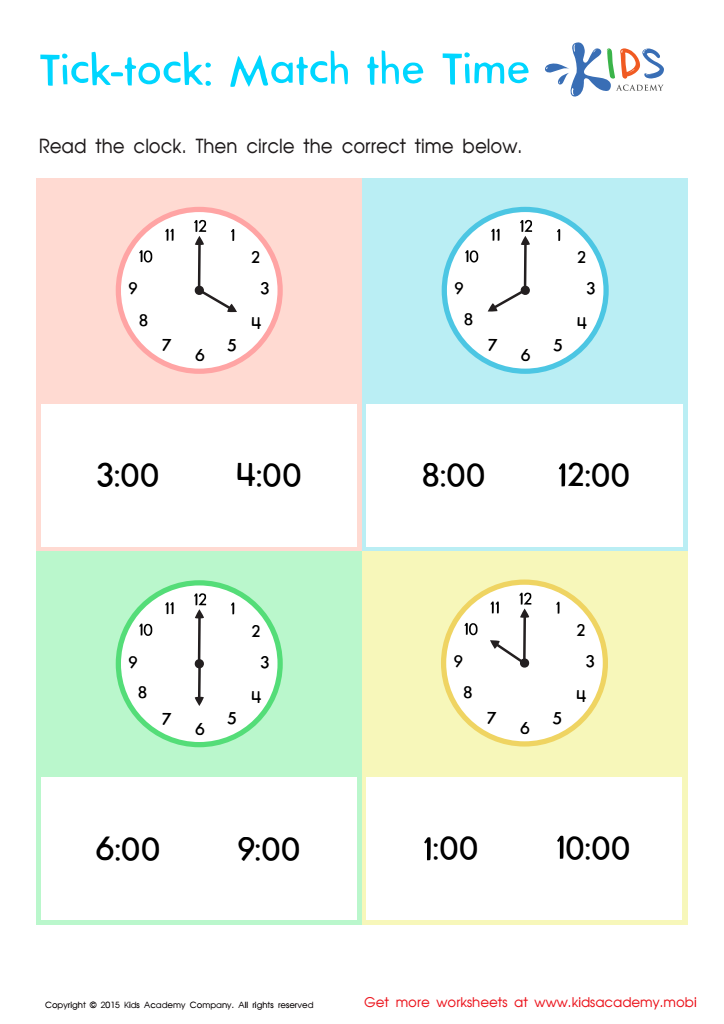
Telling The Time Worksheet: Part 4
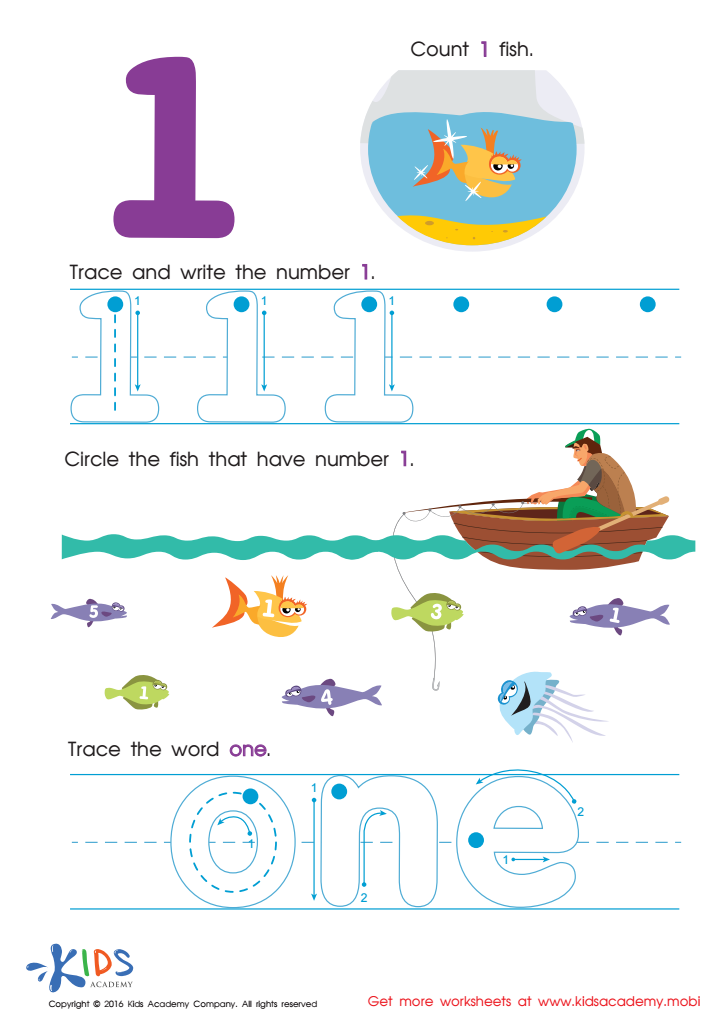
Learning to Write 1 Worksheet
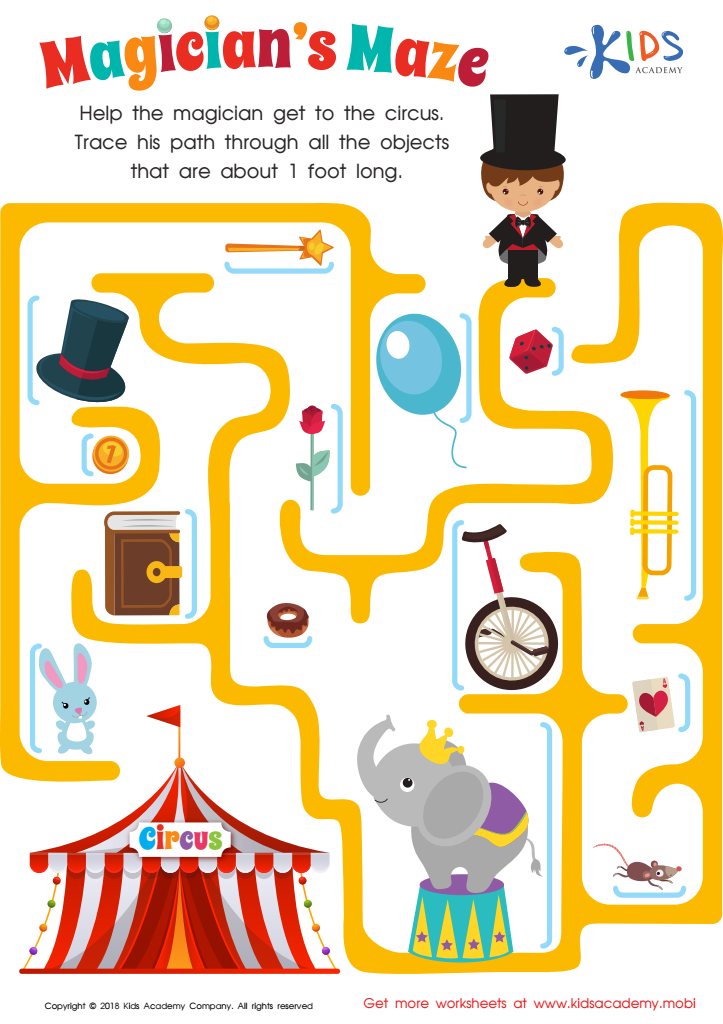
Estimating Length: Magician's Maze Worksheet
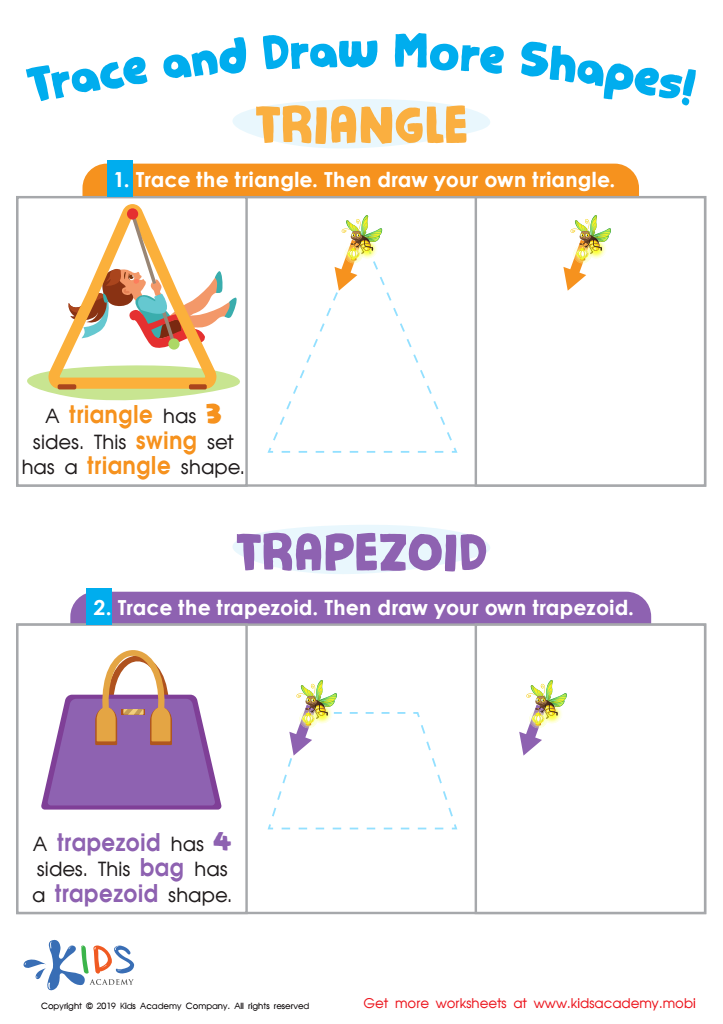
Trace and Draw More Shapes Worksheet
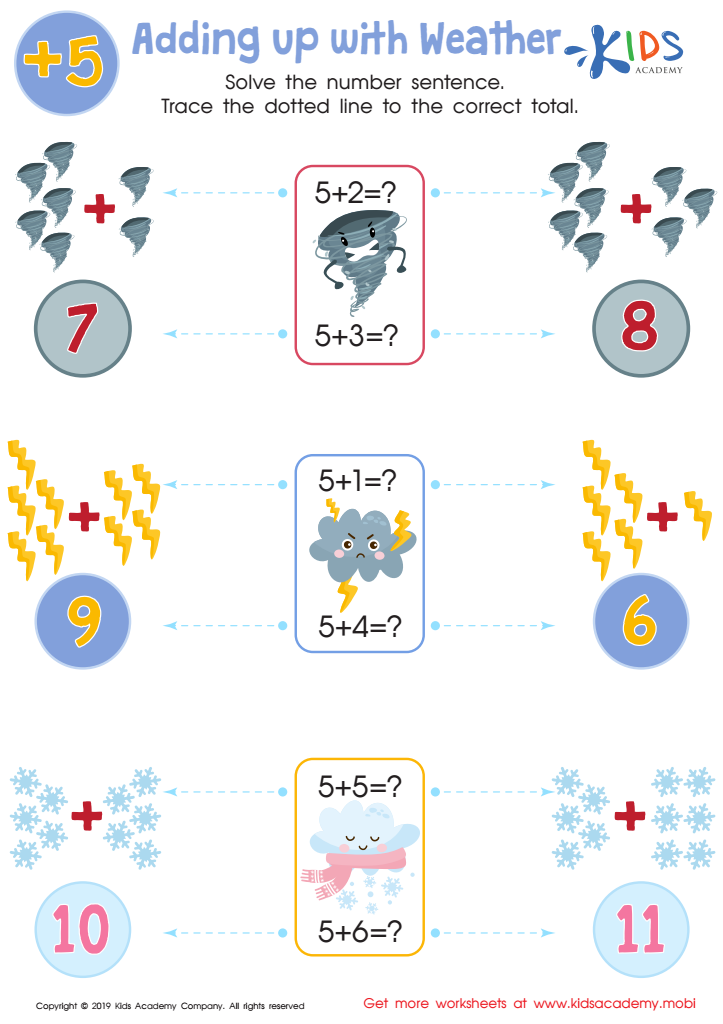
Adding up With Water Worksheet
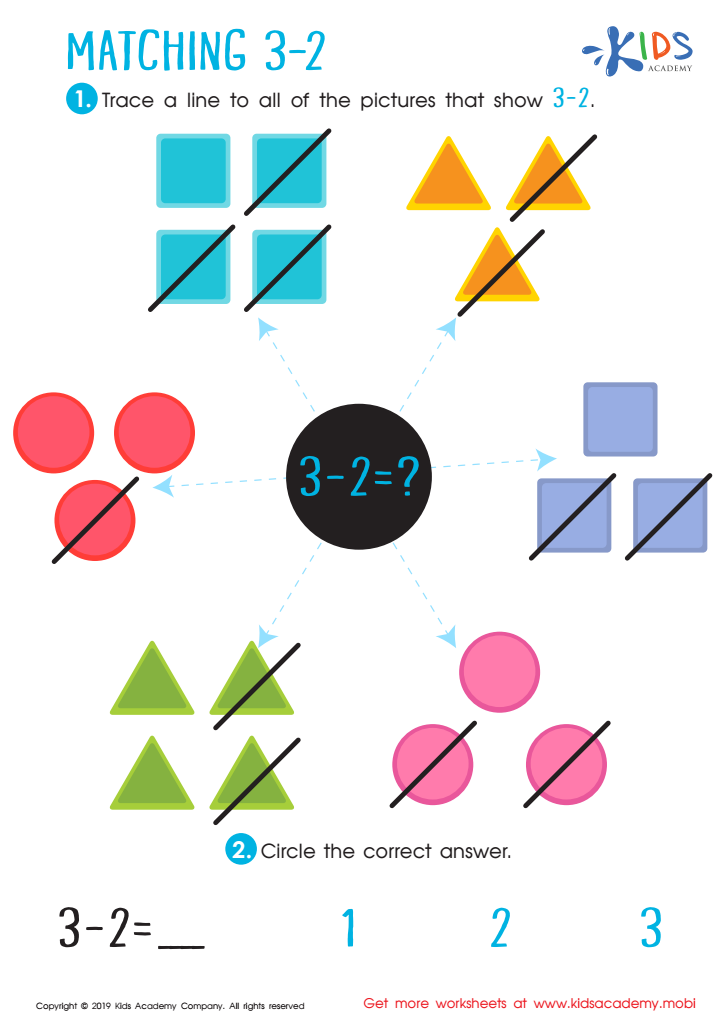
Matching 3-2 Worksheet
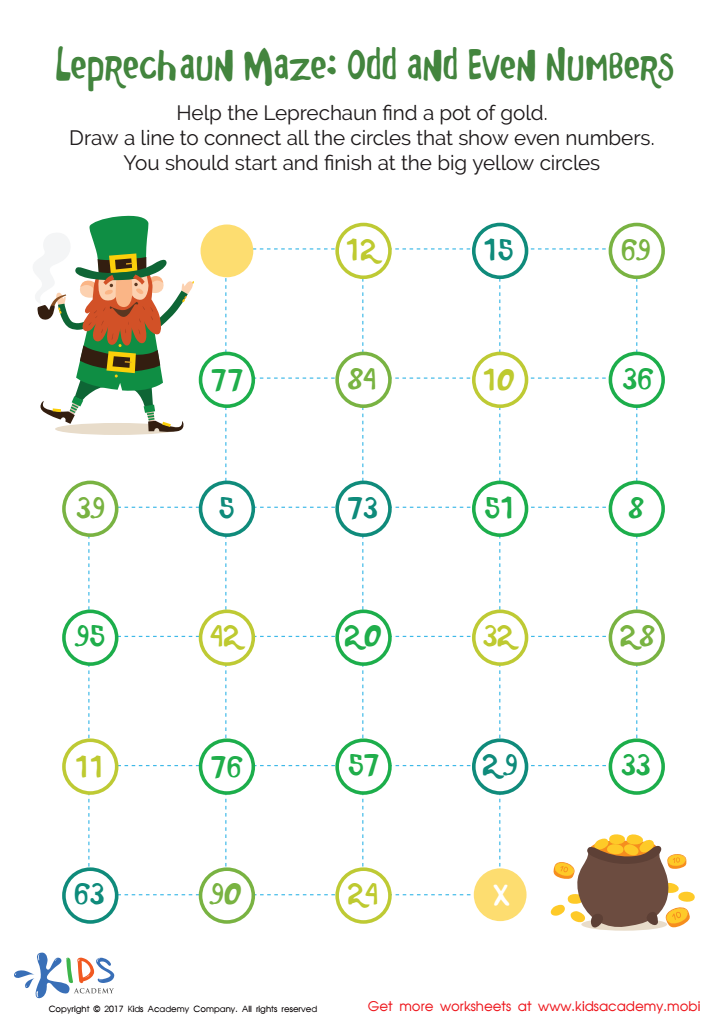
Leprechaun Maze Printable





Hand-eye coordination is a crucial skill that profoundly impacts a child’s overall development, influencing their academic, physical, and social growth. When integrated into math challenges, like Hand-eye Coordination Extra Challenge Math, students engage in unique activities that combine physical movement with cognitive reasoning. This dual engagement not only fosters better motor skills but also enhances problem-solving abilities and spatial awareness, which are essential in mathematical understanding.
As parents and teachers consider the significance of hand-eye coordination, it becomes evident that it lays the foundation for tasks like writing, reading, and using tools, which are vital in early education. Activities that create challenges within math concepts—such as tossing balls while solving addition problems or balancing objects in geometry—make learning fun and interactive, reinforcing these mathematical principles in a memorable way.
Furthermore, fostering hand-eye coordination can lead to increased confidence and motivation among students. When children see improvements in their physical abilities while solving math problems, they develop a growth mindset, viewing challenges as opportunities rather than obstacles. Therefore, incorporating Hand-eye Coordination Extra Challenge Math is not only beneficial in enhancing academic skills but also in promoting a well-rounded development that prepares children for future learning experiences.