Number Recognition Extra Challenge Matching Worksheets
6 filtered results
-
From - To
Introducing our "Number Recognition Extra Challenge Matching Worksheets," designed to elevate children's numeral skills! These engaging worksheets provide an fun way for young learners to enhance their number recognition through interactive matching activities. Children will enjoy identifying and connecting numbers with corresponding representations, solidifying their understanding while boosting confidence in mathematics. Ideal for early grades, our worksheets cater to various learning styles and allow parents and teachers to assess progress easily. Perfect for classroom or home use, these effective resources make learning numbers an exciting adventure. Explore our collection today and give your child the extra challenge they need to succeed in math!
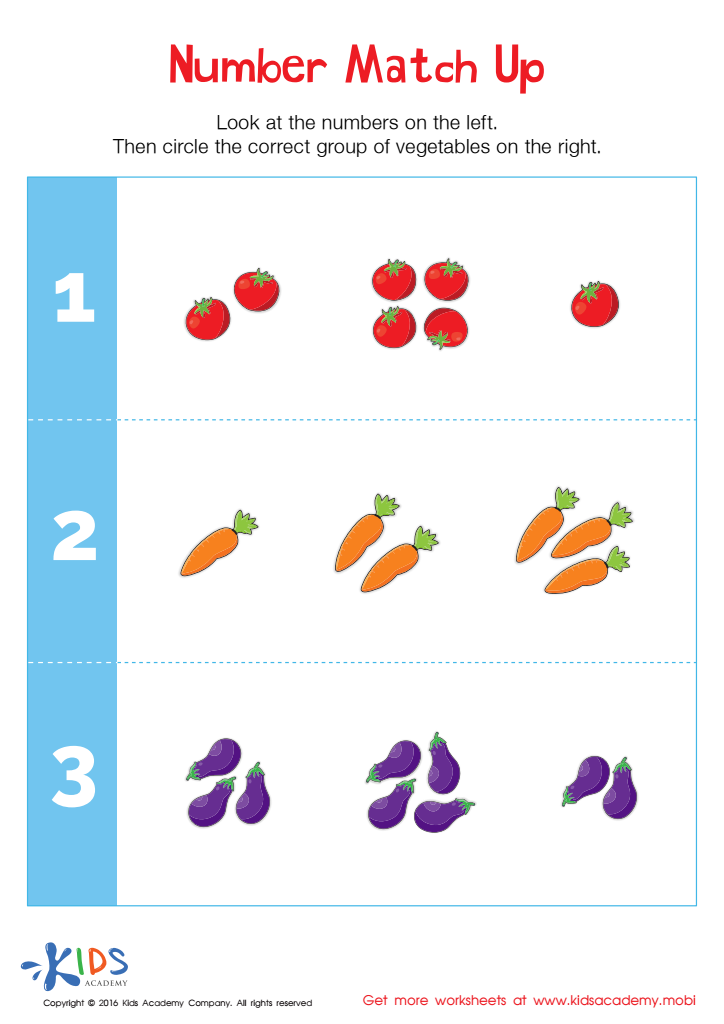
Number Match Up Worksheet
 Assign to My Students
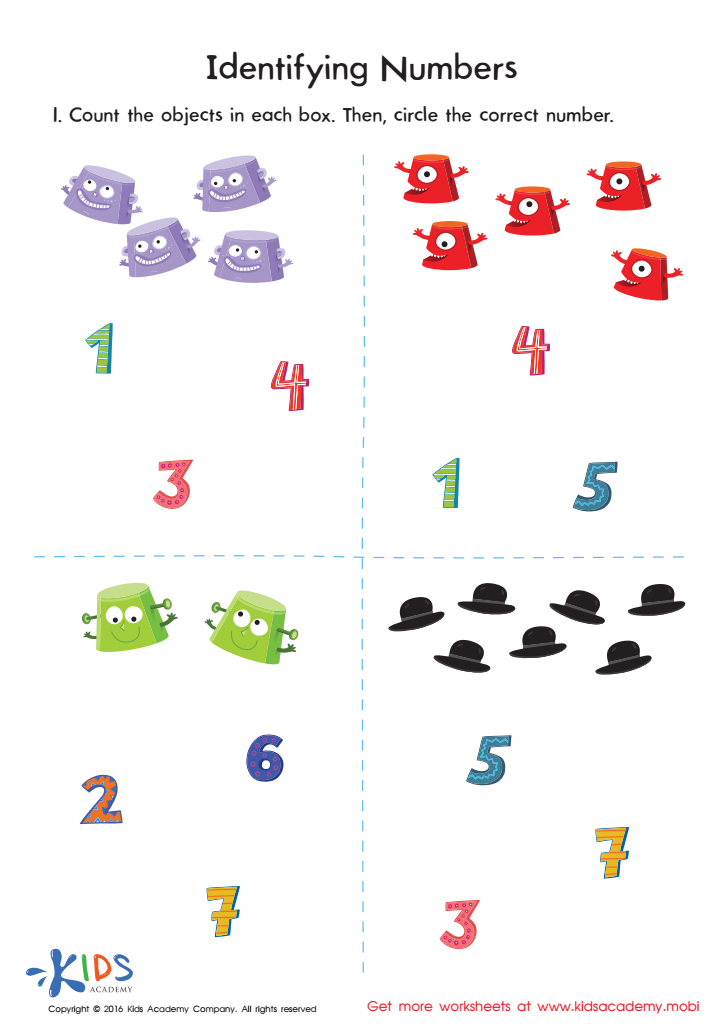
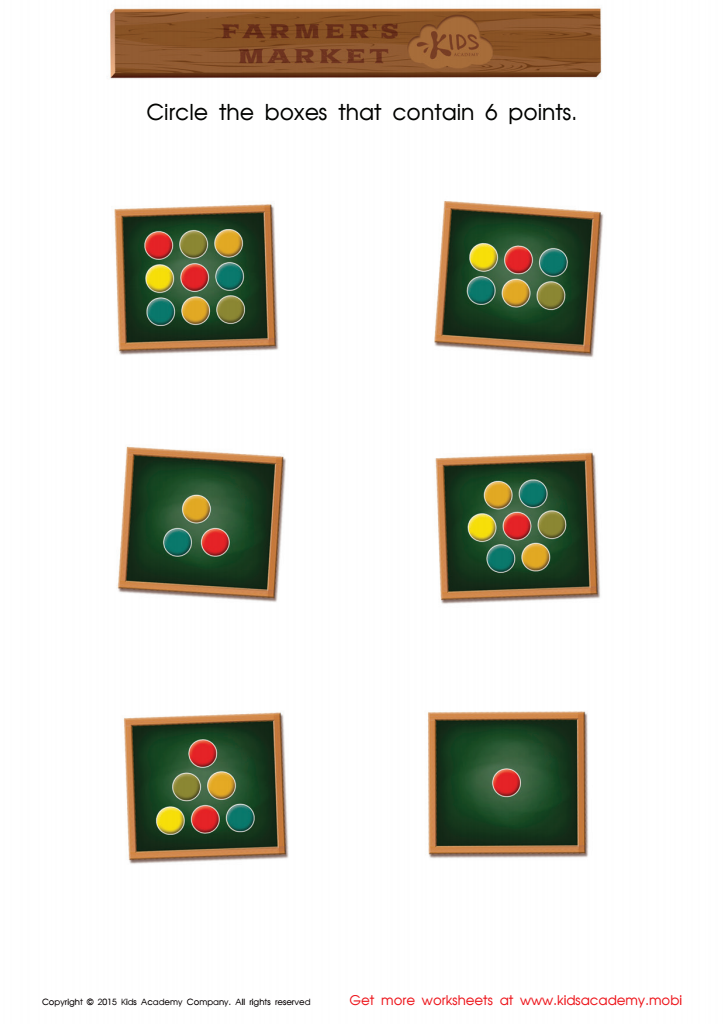
Count and Match Points 6 Math Worksheet
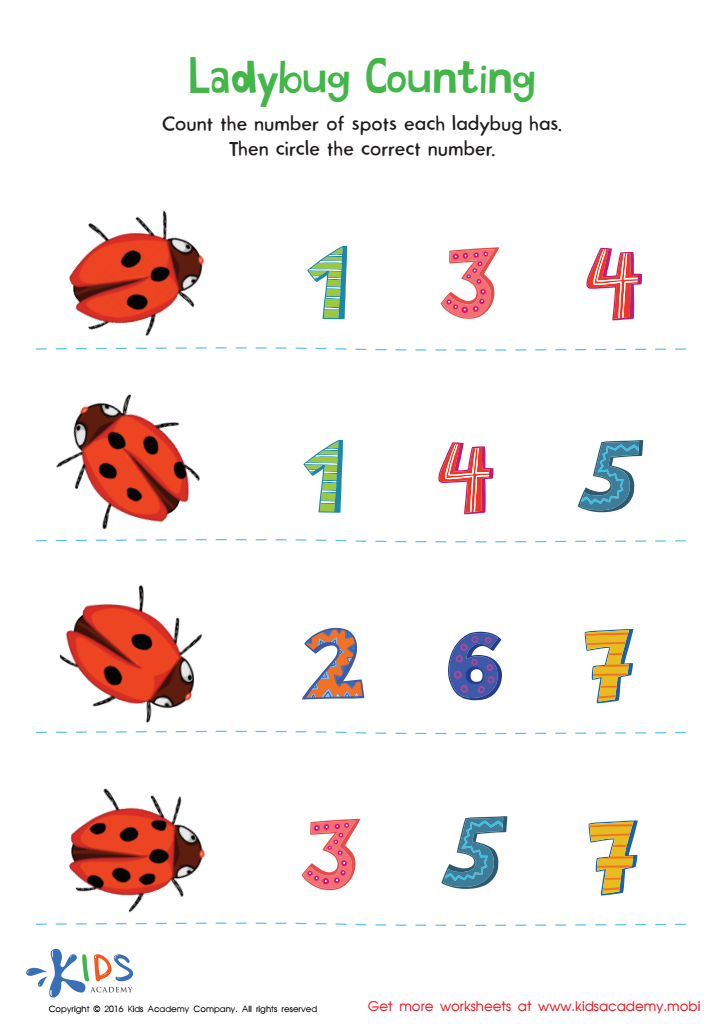
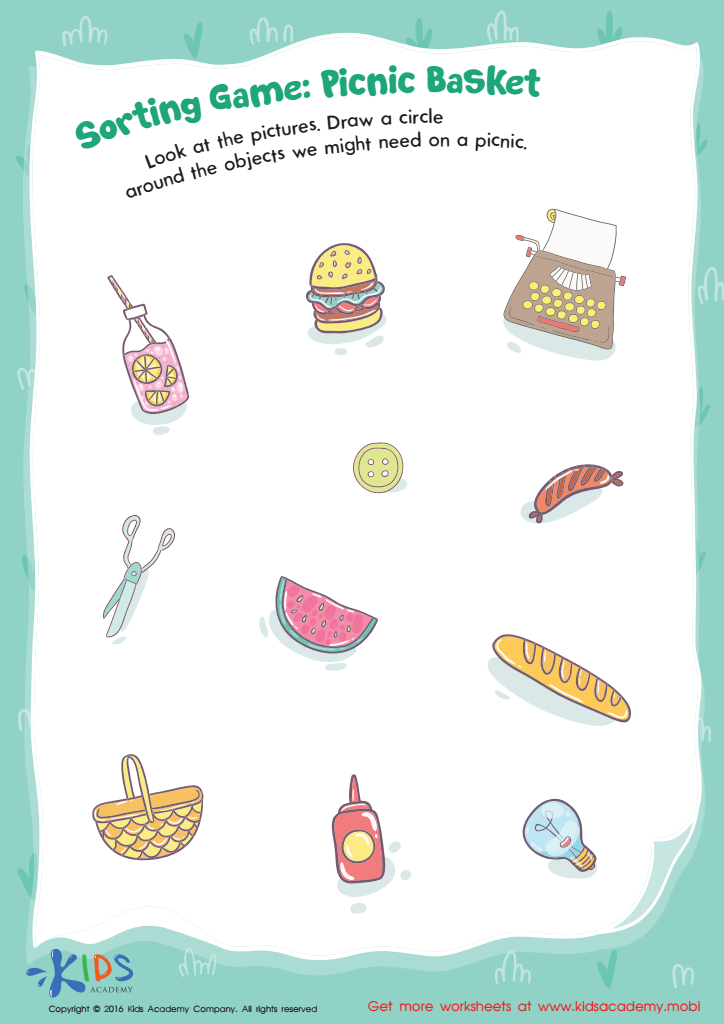
Picnic Basket Sorting Worksheet
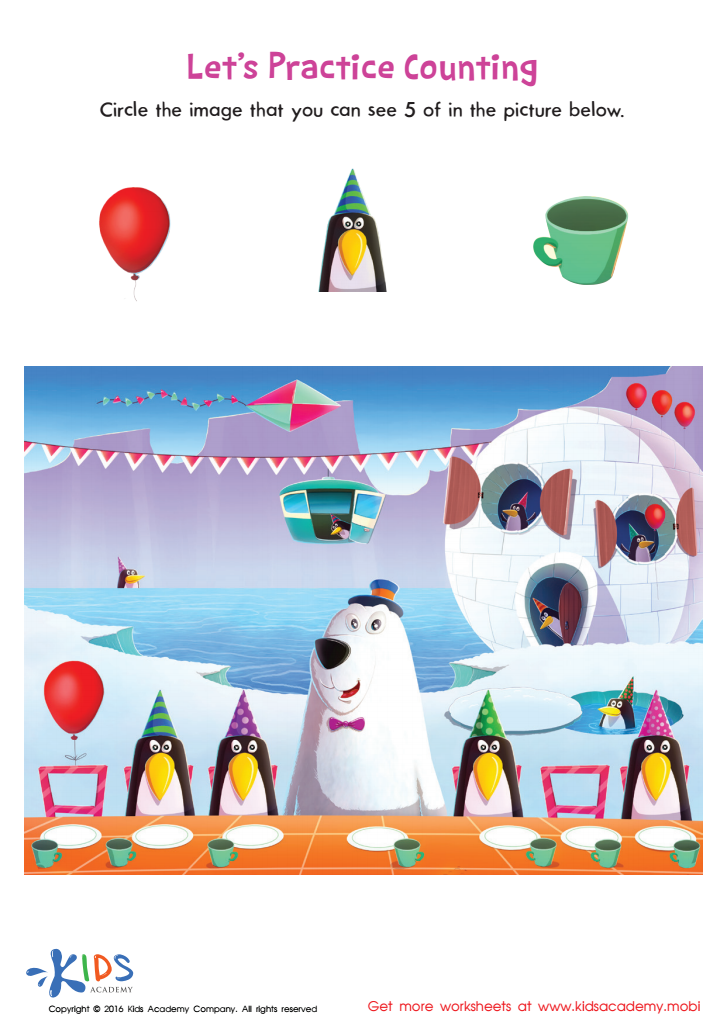
Counting Worksheet: Let's Practice Counting








Number Recognition Extra Challenge Matching is an essential educational tool that promotes foundational math skills among young learners. Parents and teachers should prioritize this activity because number recognition is the cornerstone of early numeracy. By engaging in matching games where children connect numbers to their corresponding quantities or representations, they solidify their understanding of numerical concepts in a fun, interactive way.
Firstly, mastering number recognition fosters confidence in children, enabling them to approach mathematics with enthusiasm rather than fear. This positive experience can shape their long-term attitudes toward learning. Secondly, these matching activities often involve visual and tactile components, catering to various learning styles, and making math accessible to every child regardless of their preferred method of learning.
Additionally, Number Recognition Extra Challenge Matching supports cognitive skills such as memory, concentration, and critical thinking. These are vital for overall academic success. Furthermore, this activity can stimulate social interactions in collaborative settings, fostering communication skills and teamwork among peers.
Finally, early investment in these skills can yield significant long-term academic benefits, setting the stage for more complex mathematical concepts as children progress through their education. Thus, parents and teachers should recognize the invaluable role of these activities in children's development.