Fine Motor Skills Extra Challenge Preschool Letter Recognition Worksheets
7 filtered results
-
From - To
Enhance your preschooler’s learning journey with our "Fine Motor Skills Extra Challenge Preschool Letter Recognition Worksheets." Designed to build essential fine motor skills while reinforcing letter recognition, these engaging worksheets offer a fun and interactive way for children to learn. Each worksheet is packed with creative activities such as tracing, coloring, and clapping games, tailored to captivate young minds. Perfect for at-home learning or classroom settings, our resources promote hand-eye coordination and handwriting readiness. Encourage your child's development and confidence today by exploring these vibrant, educational worksheets—ensuring they have all the tools they need to thrive in their early literacy skills!
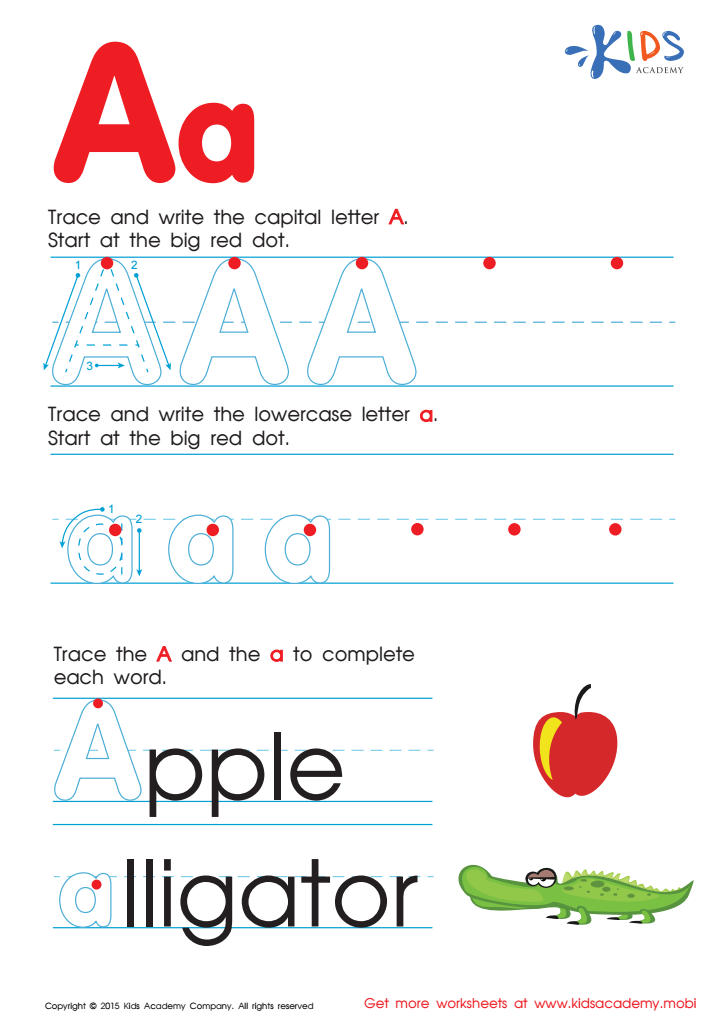
Letter A Tracing Page
 Assign to My Students
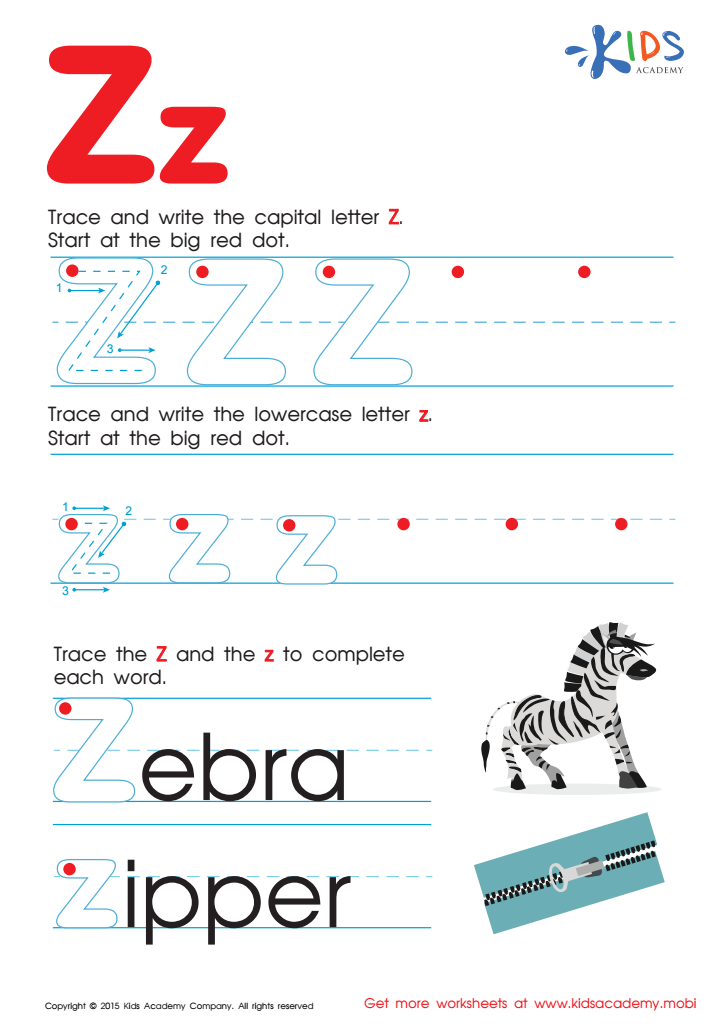
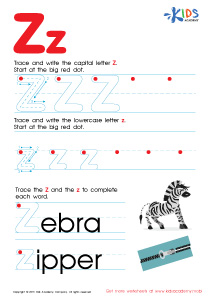
Letter Z Tracing Page
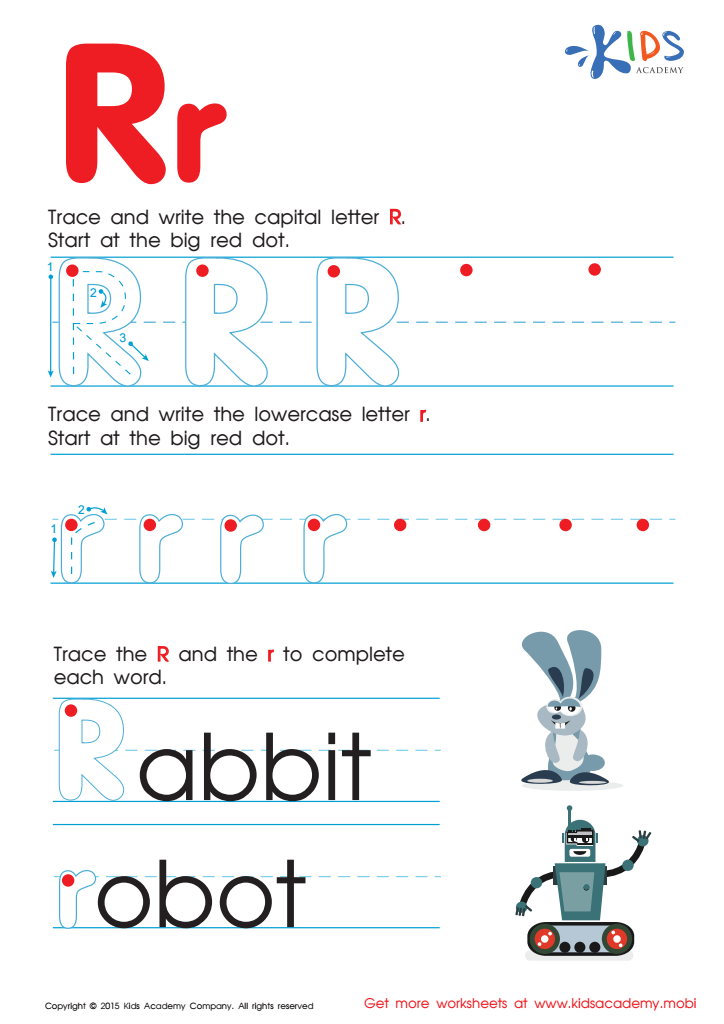
Letter R Tracing Page
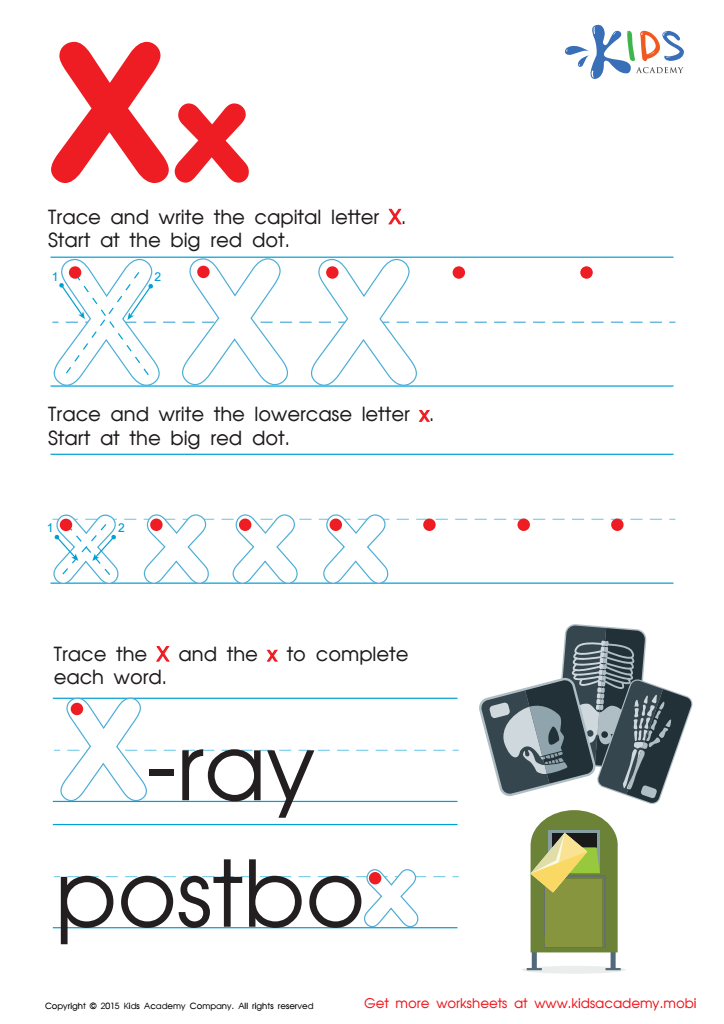
Letter X Tracing Page
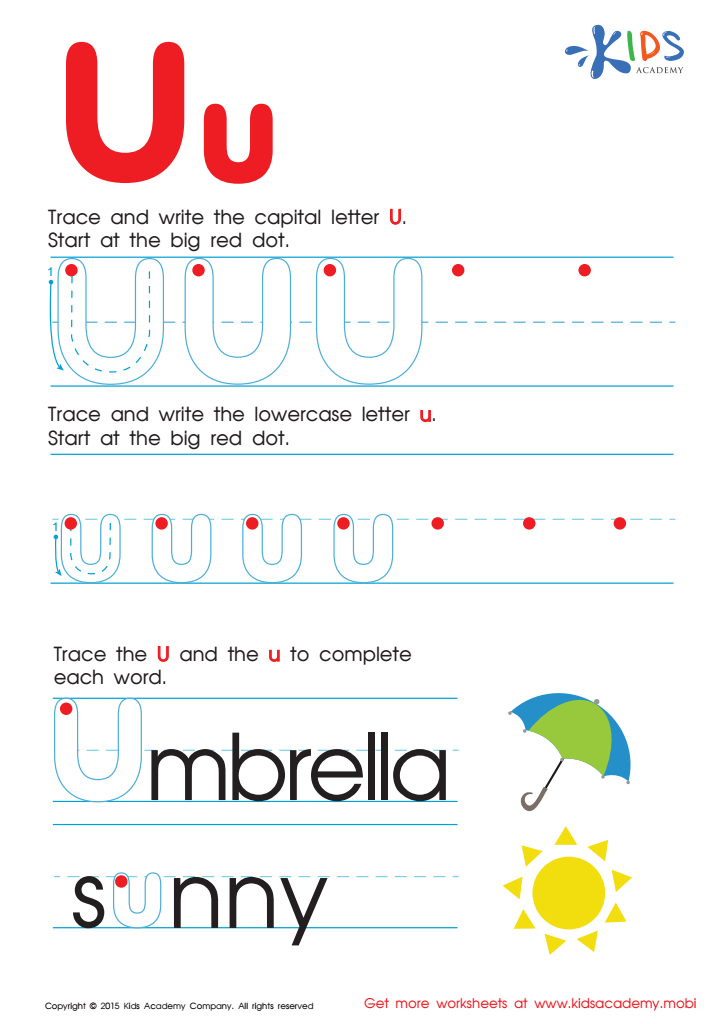
Letter U Tracing Page
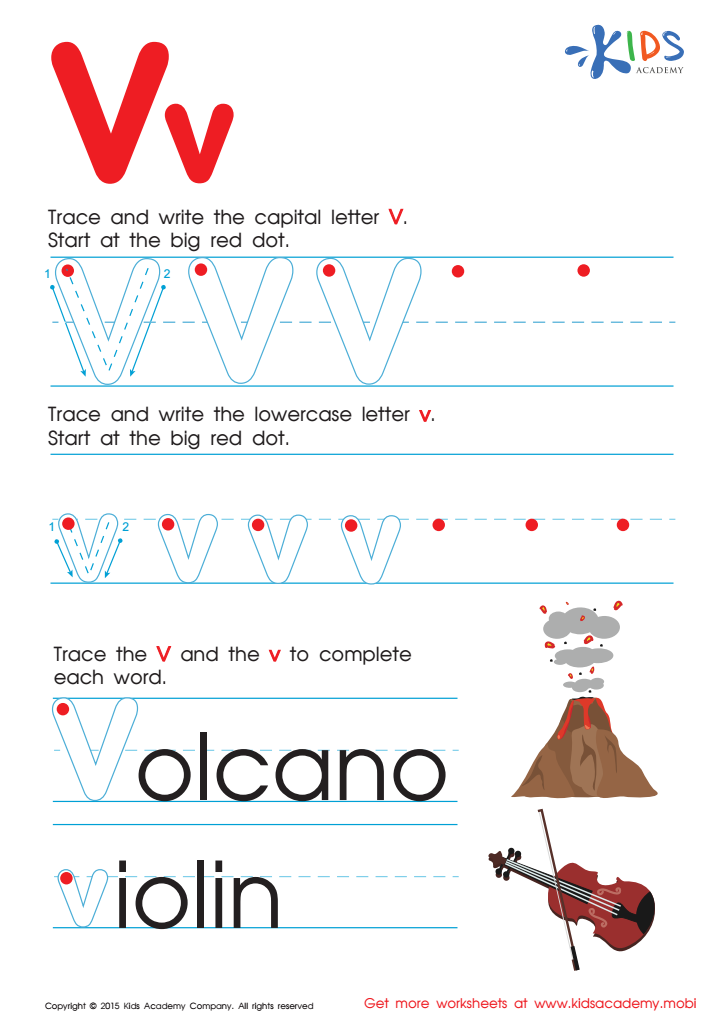
Letter V Tracing Page
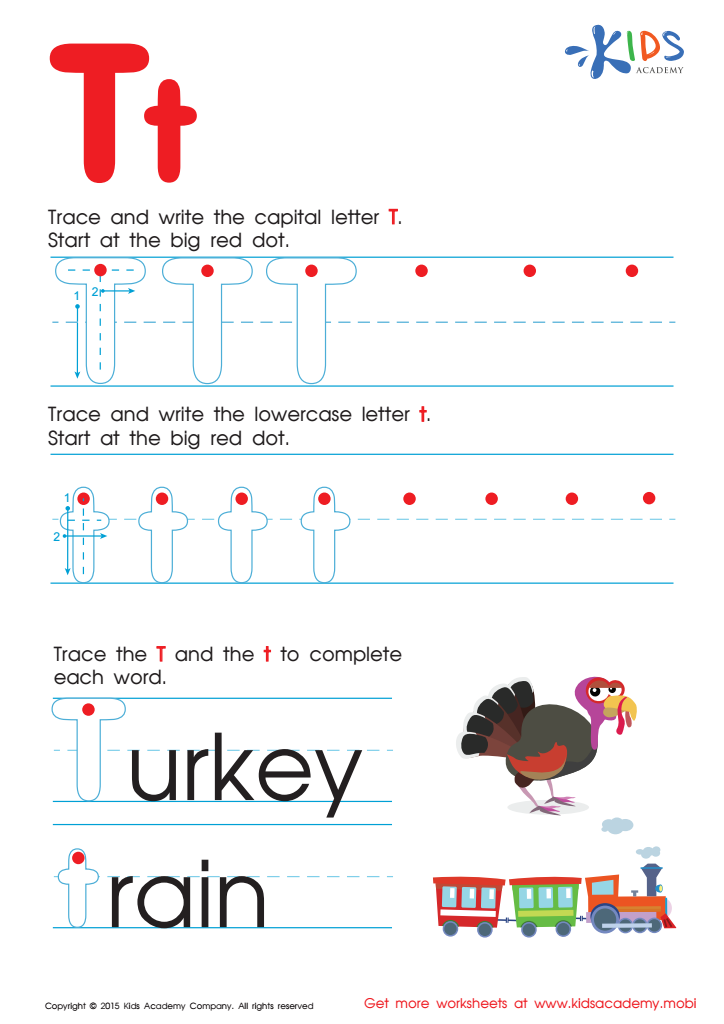
Letter T Tracing Page





Fine motor skills and letter recognition are foundational components of early childhood education, playing a crucial role in a child's development. Parents and teachers should care about these areas because they directly influence a child's ability to learn and succeed academically.
Fine motor skills involve the coordination of small muscles in a child's hands and fingers, which are vital for various tasks—ranging from writing to using scissors and even buttoning their clothes. As children engage in activities that strengthen these skills, they gain confidence and independence, which encourages exploration and learning.
Letter recognition, on the other hand, is essential for literacy development. It is the first step in reading, as it helps children understand that letters form words and convey meaning. Mastering letter recognition in preschool lays a strong foundation that supports future reading skills.
By providing challenges in fine motor skills and letter recognition, parents and teachers not only foster academic readiness but also encourage cognitive growth, critical thinking, and creativity. Engaging children in enjoyable activities that promote these skills can lead to a lifelong love of learning, making early intervention crucial for setting the stage for educational success. Hence, prioritizing these areas is an investment in every child's bright future.