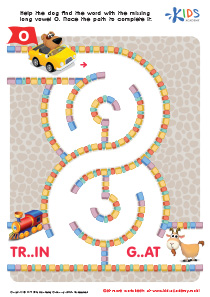
Vowel Recognition Extra Challenge Preschool Short Vowels Worksheets
4 filtered results
-
From - To
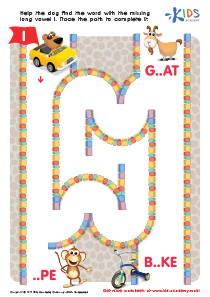
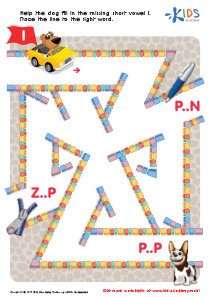
Discover our engaging "Vowel Recognition Extra Challenge Preschool Short Vowels Worksheets," designed to enhance early literacy skills in fun and interactive ways! Perfect for preschoolers, these worksheets focus on recognizing short vowels through a variety of activities that captivate young learners. Each worksheet includes exciting exercises such as letter matching, word building, and sound identification aimed at reinforcing vowel sounds. These resources are not only effective in fostering essential reading skills but also encourage critical thinking and creativity. Equip your child with the foundational knowledge they need for early reading success! Explore our collection today and watch them thrive!
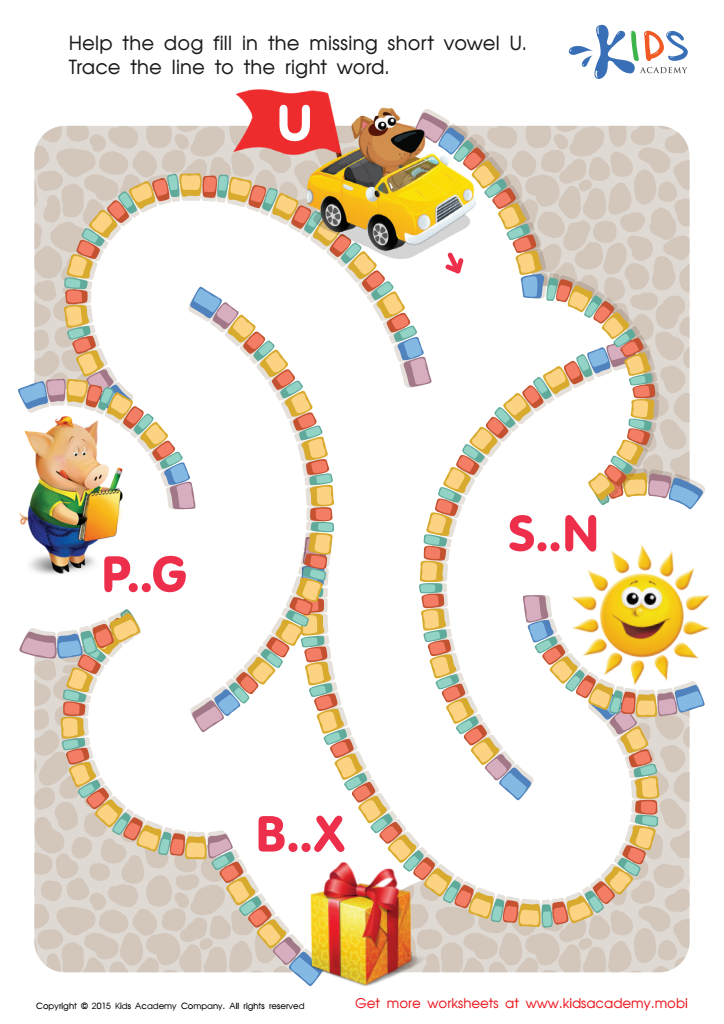
Short Vowel Sound U Worksheet
 Assign to My Students
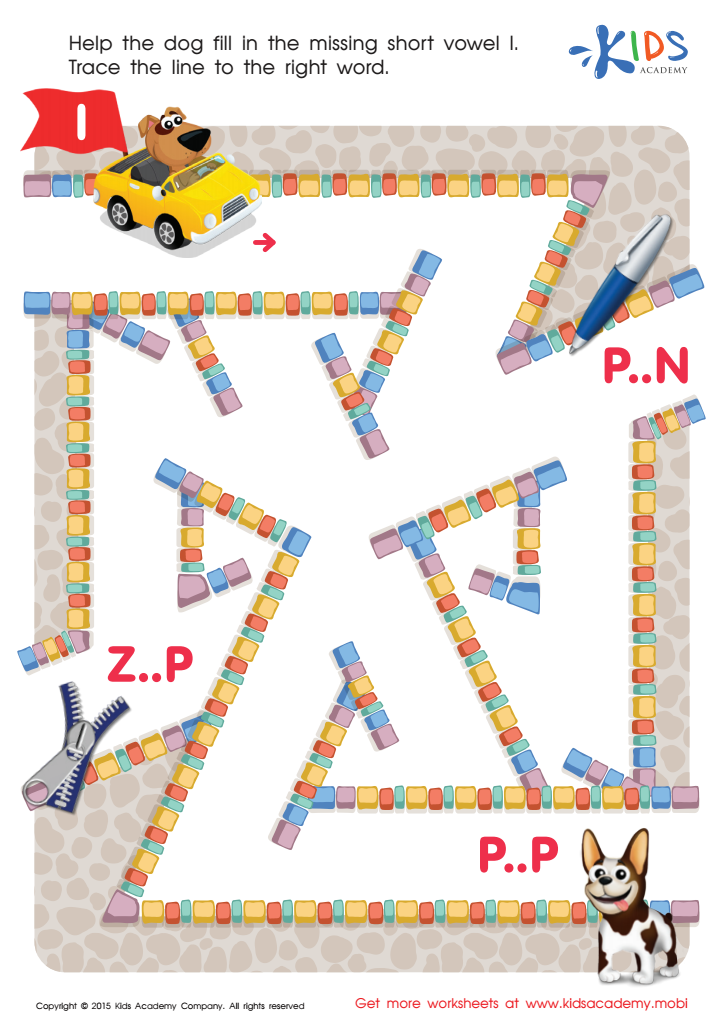
Short Vowel Sound I Worksheet
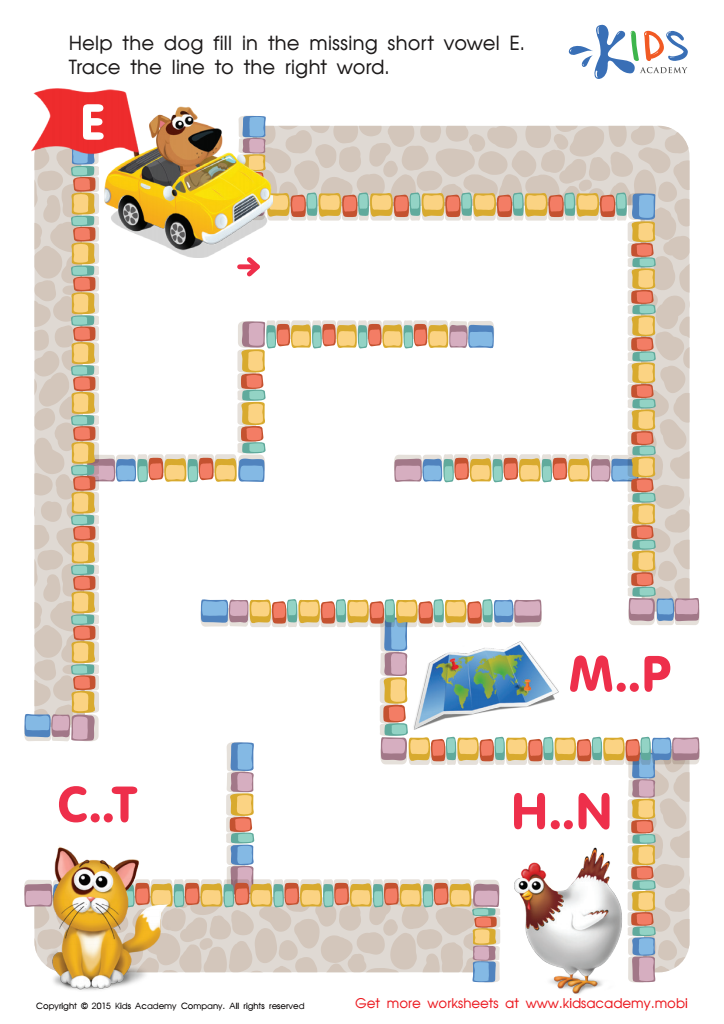
Short Vowel Sound E Worksheet
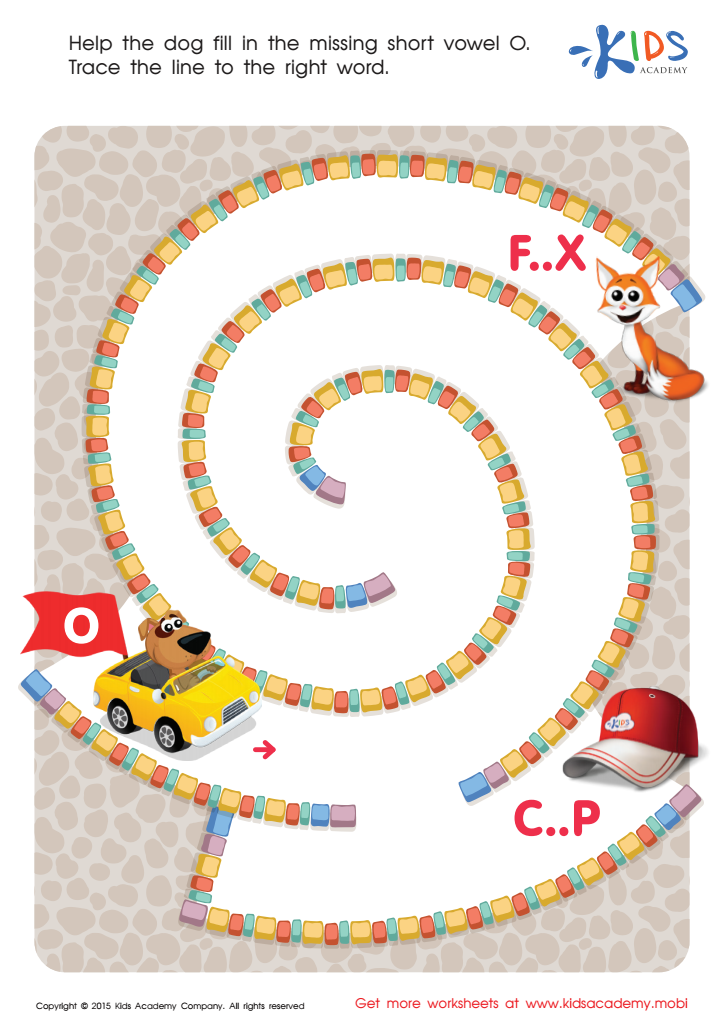
Short Vowel Sound O Worksheet



Vowel recognition is crucial in early literacy development, particularly for preschoolers learning short vowels. Understanding short vowels lays the foundation for reading, spelling, and overall language skills. When parents and teachers focus on vowel recognition—specifically the distinctive sounds of short vowels (a, e, i, o, u)—they equip children with essential tools for decoding words, improving their phonemic awareness.
Short vowels form the core of many common, early-read texts. Familiarity with these sounds enables children to sound out unfamiliar words, fostering independence in reading. It aids in developing their writing skills as they learn to segment and blend sounds, translating auditory information into written language.
Moreover, mastering short vowels can boost a child’s confidence and engagement with reading activities. Engaging them through games, songs, and playful challenges helps solidify their understanding and makes learning enjoyable.
For teachers and parents, nurturing vowel recognition offers a significant opportunity to enhance classroom and home literacy experiences. It underpins successful reading interventions and directly correlates with a child’s future academic success, preparing them for more complex literacy tasks in later grades. Ultimately, prioritizing vowel recognition sets a strong precedent for lifelong learning and a love for reading.