Cognitive Development Extra Challenge Preschool Matching Worksheets
3 filtered results
-
From - To
Enhance your preschooler's cognitive development with our engaging Matching Worksheets! Designed for young learners, these extra challenge worksheets promote critical thinking and improve problem-solving skills. Each activity encourages children to identify, classify, and connect items, fostering their ability to recognize patterns and relationships. Our thoughtfully crafted worksheets offer a fun, interactive way for kids to build essential cognitive skills while enjoying the learning process. Perfect for use at home or in the classroom, these resources help prepare children for future academic success. Download your free worksheets today and watch your child's confidence and abilities soar!
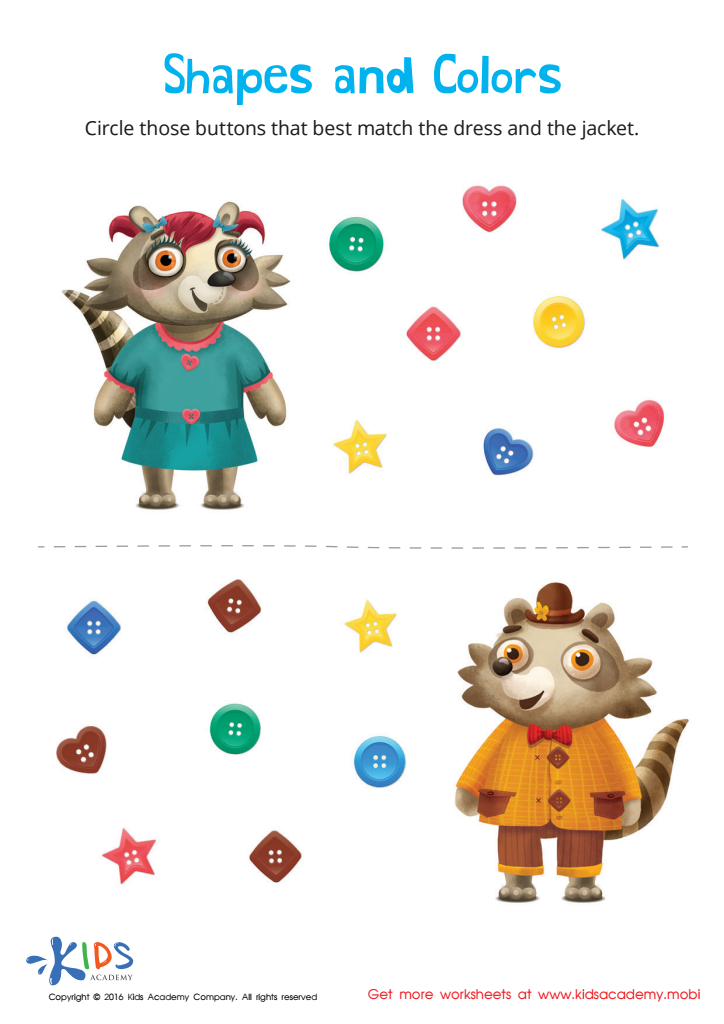
Matching: Shapes and Colors Worksheet
 Assign to My Students
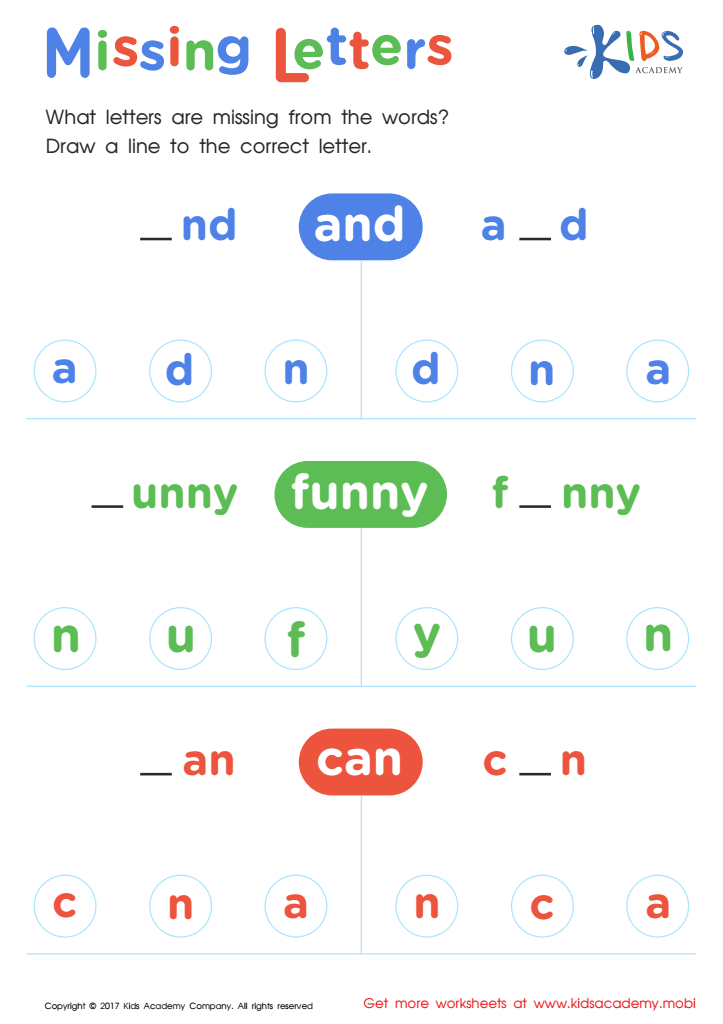
Missing Letters Worksheet
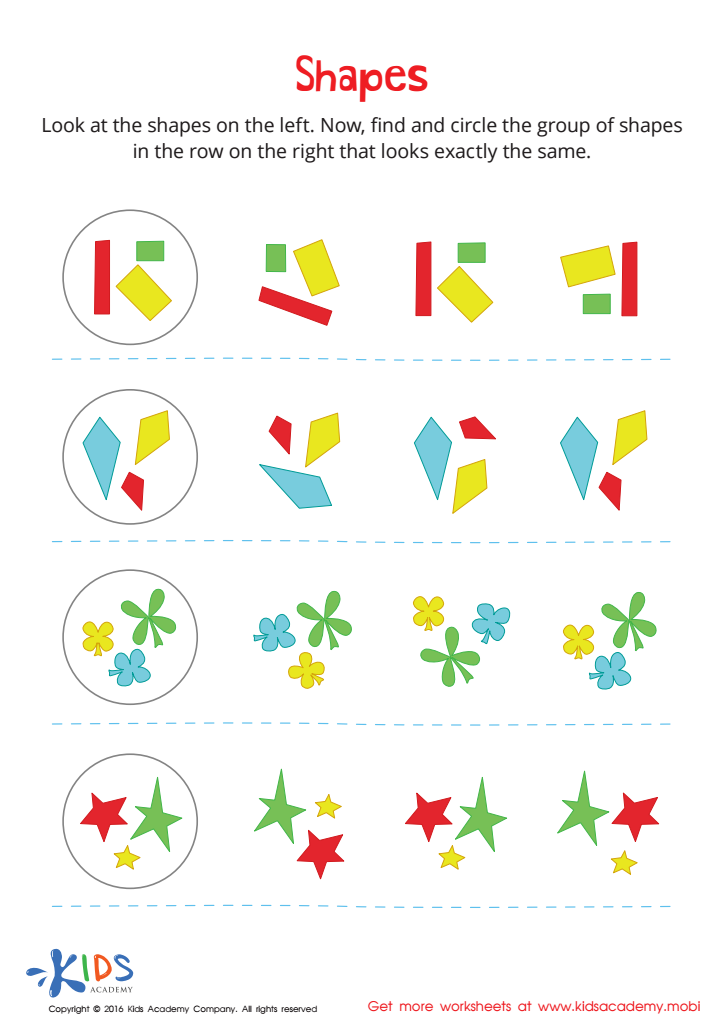
Shapes Worksheet





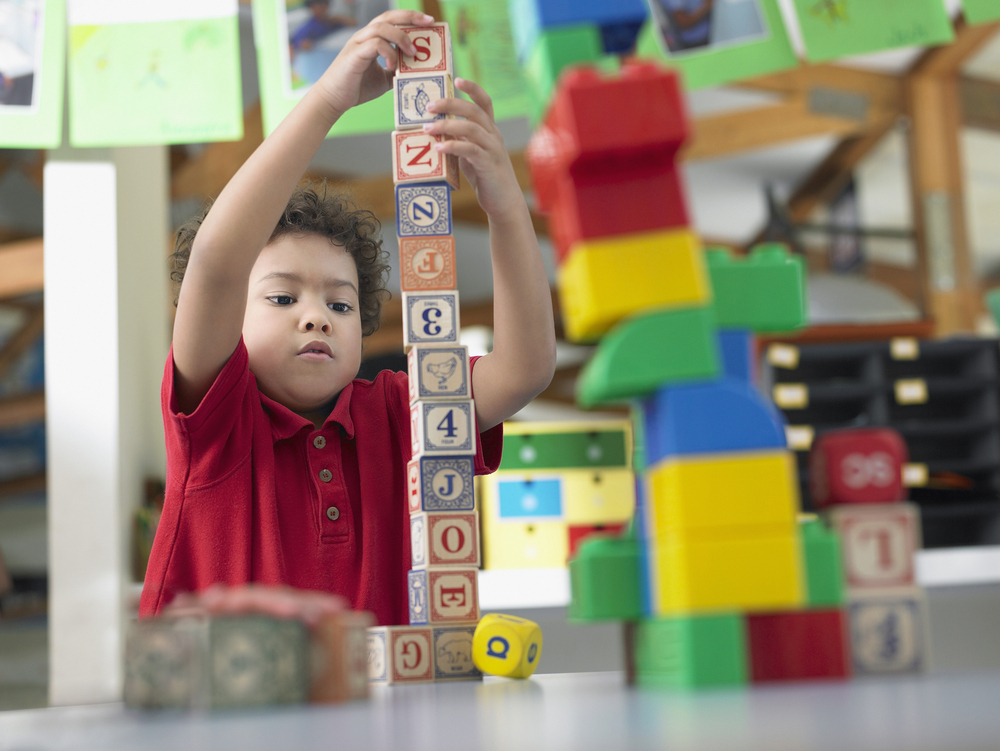

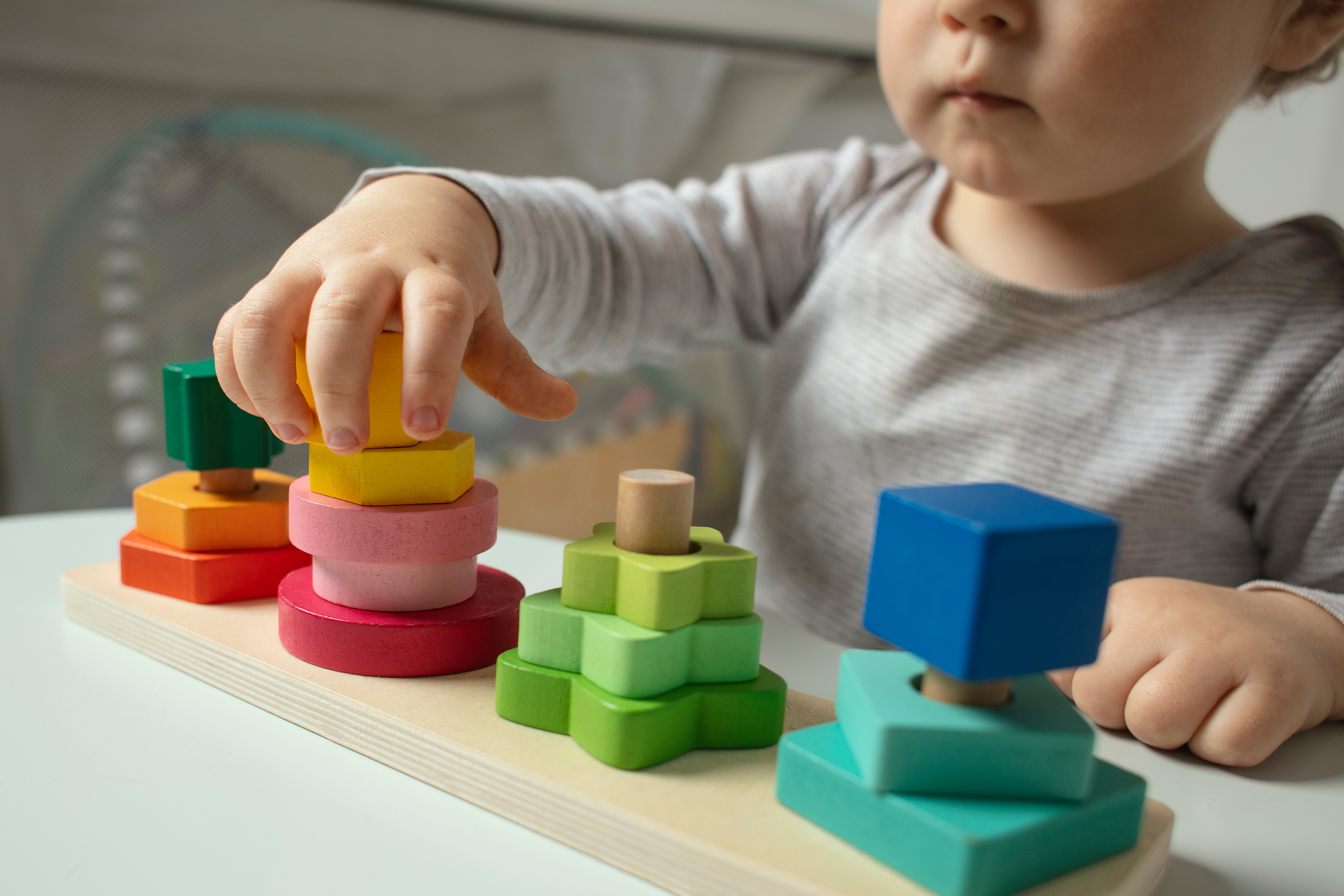
Parents and teachers should prioritize cognitive development activities, such as matching games in preschool, because they play a crucial role in early childhood learning. These tasks help enhance essential skills like memory, concentration, and problem-solving. Matching games encourage children to recognize similarities and differences, fostering critical thinking and categorization abilities. This process not only sharpens cognitive skills but also promotes language development as children learn to express their reasoning and descriptions of objects.
Moreover, engaging in such activities supports social interaction among peers. Children learn to work in pairs or groups, enhancing their communication and teamwork skills. It's also a fun, low-pressure way for children to explore concepts in education, stimulating curiosity and a love for learning.
Additionally, establishing a strong foundation in cognitive development during preschool years has long-term benefits; it sets the stage for success in later academic pursuits. Children who develop strong cognitive skills early on are more likely to navigate challenging subjects with ease in their future educational endeavors.
In summary, preschool matching games are a vital tool for cognitive development, offering a multi-faceted approach that benefits children's intellectual, social, and emotional growth. Thus, encouraging participation in these activities should be a priority for parents and educators.