Word Recognition Extra Challenge Grade 2 Worksheets
3 filtered results
Difficulty Level
Grade
Age
-
From - To
Subject
Activity
Standards
Enhance your second grader's reading skills with our "Word Recognition Extra Challenge Worksheets." Designed to engage and challenge young learners, these worksheets provide a stimulating way to improve vocabulary and reading comprehension. Each activity focuses on recognizing and understanding new words, fostering a love for reading while building literacy confidence. Our carefully curated exercises include fun games, puzzles, and varied exercises that cater to different learning styles. Perfect for classroom use or at-home practice, these worksheets support differentiated instruction and help students advance their word recognition abilities. Make learning exciting and effective with our engaging worksheets tailored for Grade 2!
Favorites
With answer key
Interactive
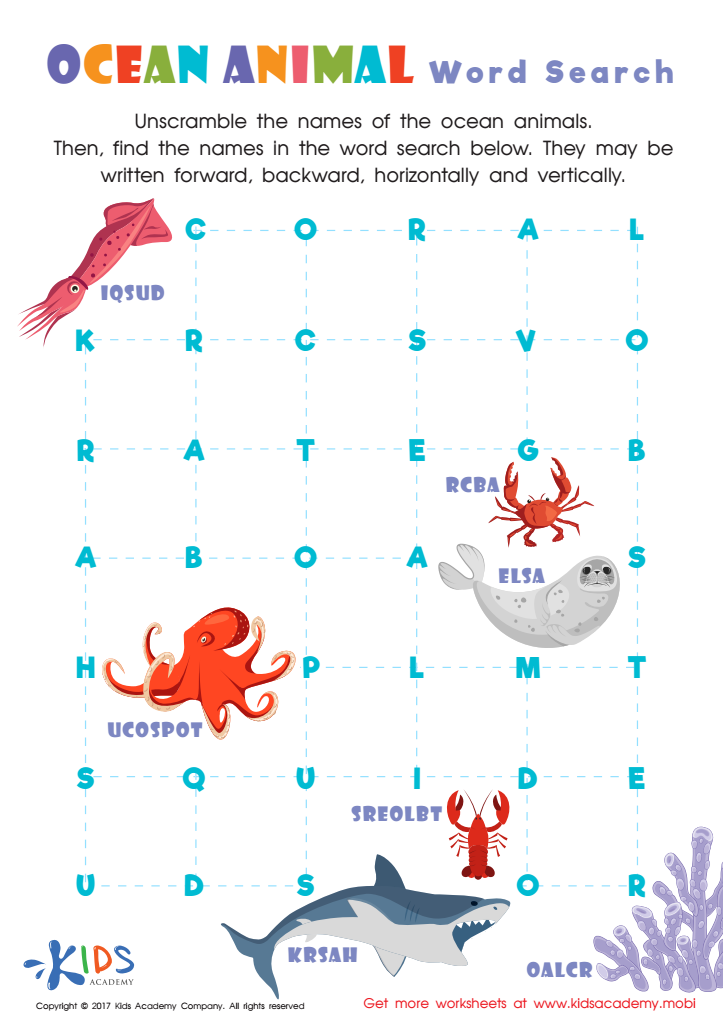
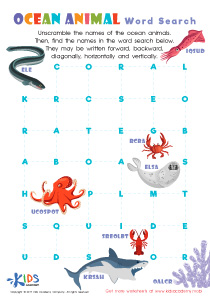
Ocean Animals Word Search Printable
Challenge your child to unscramble the names of ocean animals and find them in the word search. This ocean animals printable is a fun way to teach kids more about these fascinating creatures!
 Assign to My Students
Ocean Animals Word Search Printable
Worksheet
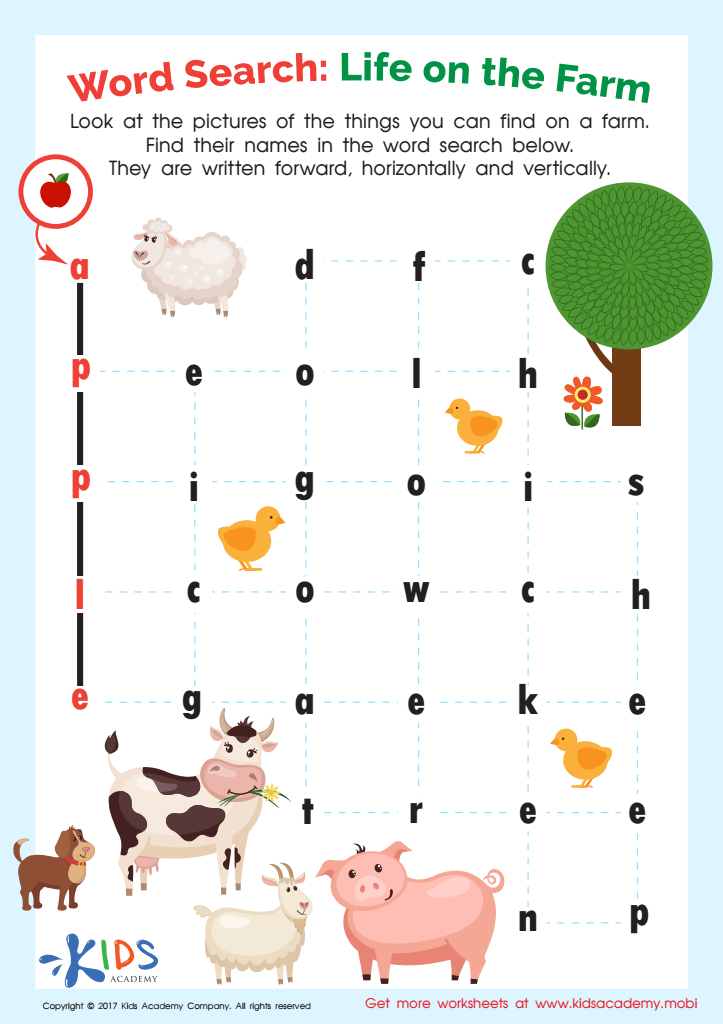
Word Search Puzzles Worksheet
2nd grade word search puzzles are great fun, helping kids flex their knowledge of words and spellings. Kids can use the pictures to find farm-themed words hidden on the page. It's a great way to learn!
Word Search Puzzles Worksheet
Worksheet
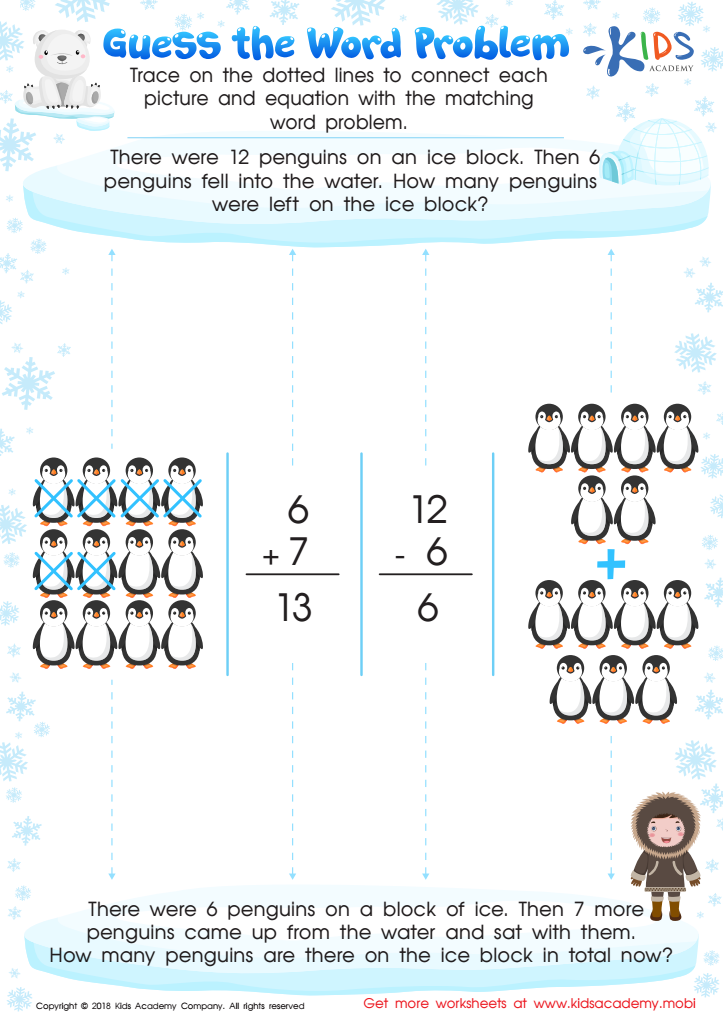
Guess the Word Problem Worksheet
Head to the Arctic Circle for math word problems with penguins, bears, and eskimos! This winter printable worksheet helps kids enjoy math with cute images. Guide kids through addition and subtraction in standard form with the penguins. Compare word problems to its written and pictorial forms for an enjoyable lesson!
Guess the Word Problem Worksheet
Worksheet
Join Kids Academy for Free
Who is primarily going to use this learning content?






Word recognition is a fundamental skill in reading that plays a vital role in a child's literacy development, particularly in Grade 2. Parents and teachers should care about implementing extra challenges in word recognition for several reasons.
Firstly, strengthening word recognition enhances fluency—reading smoothly and efficiently. When children can quickly recognize words, they can focus more on comprehension, allowing for a deeper understanding of the text. This, in turn, fosters a love for reading, as they become more confident and capable readers.
Moreover, early mastery of word recognition can also lead to better academic performance across other subjects. Language skills are integrated into science, social studies, and math curriculums, so strengthening literacy will benefit children in various educational areas.
Extra challenges in word recognition can also help identify learning gaps early on. By focusing on this critical aspect, parents and teachers can support children who might struggle, offering targeted interventions that promote improvement and prevent literacy-related challenges as they progress in school.
Finally, reading is not just about decoding text; it opens up a world of knowledge and imagination. By prioritizing word recognition skills, parents and teachers play a crucial role in shaping confident, skilled readers who can navigate complexity in their educational journey.