Alphabet Recognition Extra Challenge Grade 3 Alphabet Worksheets
3 filtered results
-
From - To
Enhance your third grader's alphabet recognition skills with our Alphabet Recognition Extra Challenge worksheets! Designed for students ready to take their learning to the next level, these engaging worksheets offer fun and interactive activities that reinforce letter identification and sound recognition. Perfect for reinforcing phonics, each worksheet features a variety of challenges, including matching, coloring, and tracing, to keep learners motivated and excited. Ideal for classroom use, homework, or independent practice, our worksheets ensure a comprehensive understanding of the alphabet while fostering a love for learning. Explore the adventure of letters and unlock your child's potential today!
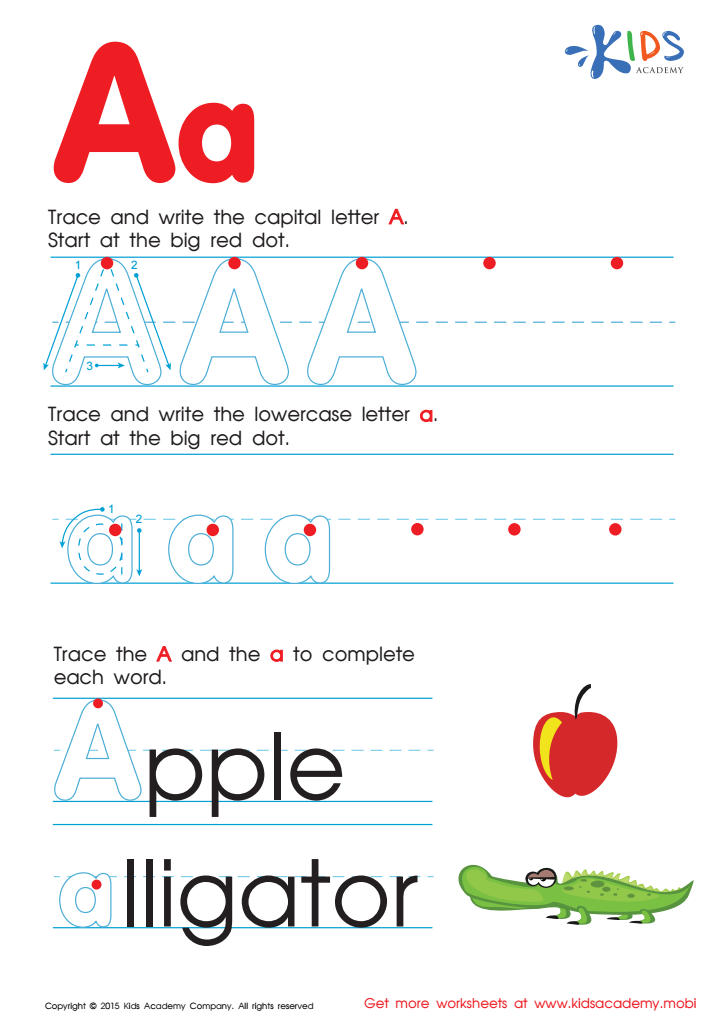
Letter A Tracing Page
 Assign to My Students
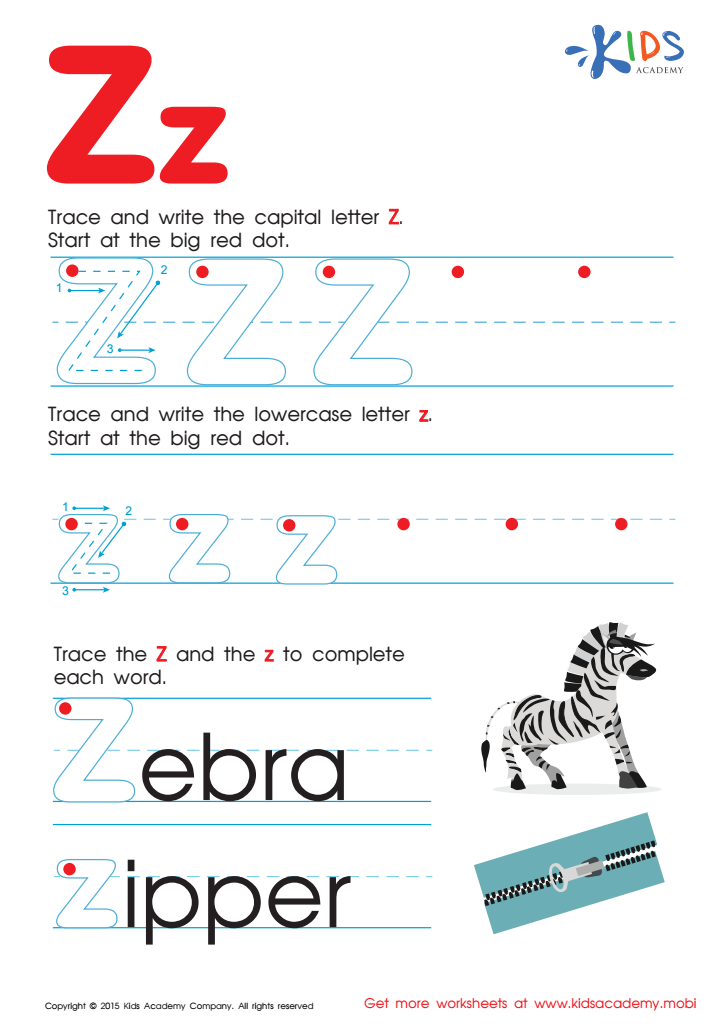
Letter Z Tracing Page
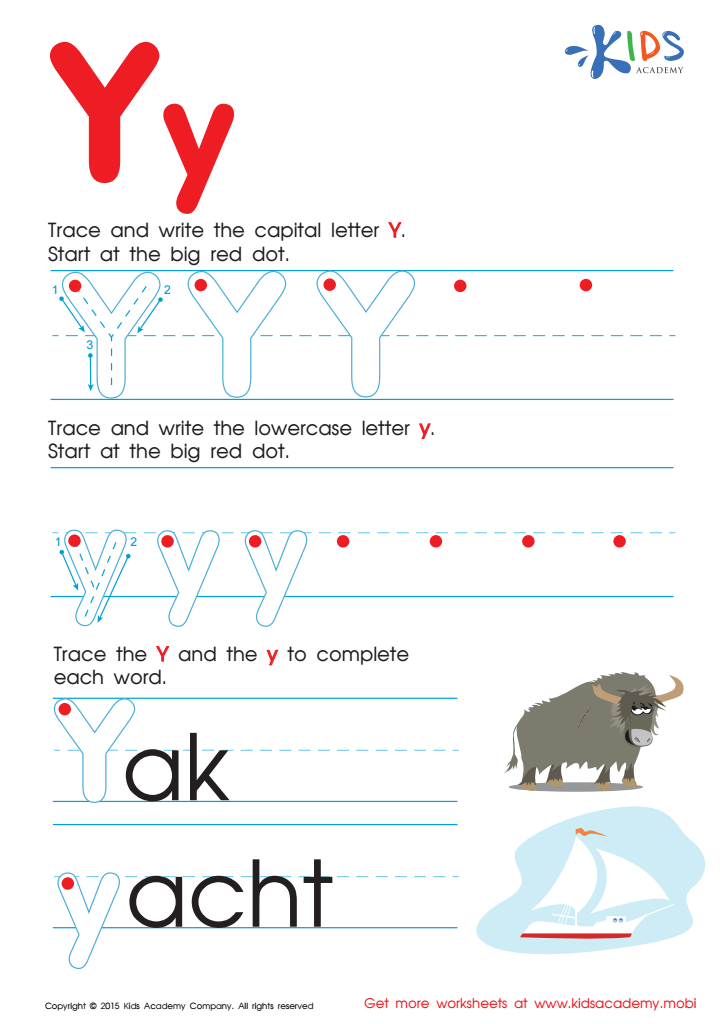
Letter Y Tracing Page








Alphabet recognition is a fundamental aspect of literacy development that significantly impacts a child's future academic journey. For Grade 3 students, mastering alphabet recognition becomes crucial as they transition to more complex reading and writing tasks. Engaging in extra challenges around alphabet recognition can foster essential skills such as phonemic awareness, spelling, and vocabulary development.
Parents and teachers should prioritize this area for several reasons. First, a solid understanding of the alphabet serves as the foundation for reading fluency. Children who can effortlessly recognize letters are more likely to decode words quickly, advancing their reading capabilities. Second, improved alphabet recognition can boost a child's confidence. Mastery in this area encourages students to take on more challenging texts, fostering an enthusiasm for reading.
Moreover, early literacy skills are predictors of overall academic success. Children who struggle with letter recognition are at a higher risk for future challenges in reading comprehension and writing. By implementing targeted challenges and activities at home or in the classroom, parents and teachers can provide the necessary support to build a strong literacy foundation. Investing in Alphabet Recognition initiatives not only prepares children academically but also instills a lifelong love of learning, setting them up for success in school and beyond.