Fine Motor Skills Extra Challenge Grade 3 Alphabet Worksheets
7 filtered results
-
From - To
Enhance your Grade 3 students' fine motor skills with our engaging Alphabet Worksheets. Specifically designed to provide an extra challenge, these worksheets encourage children to practice letter formation while honing their hand-eye coordination and dexterity. Each worksheet features fun activities like tracing, connecting, and coloring, making learning enjoyable and interactive. Ideal for reinforcing classroom lessons or for extra practice at home, our resources cater to diverse learning styles. Help your third graders become confident writers while developing essential fine motor skills with our expertly crafted printable worksheets. Dive into a world of learning fun today and watch your students thrive!
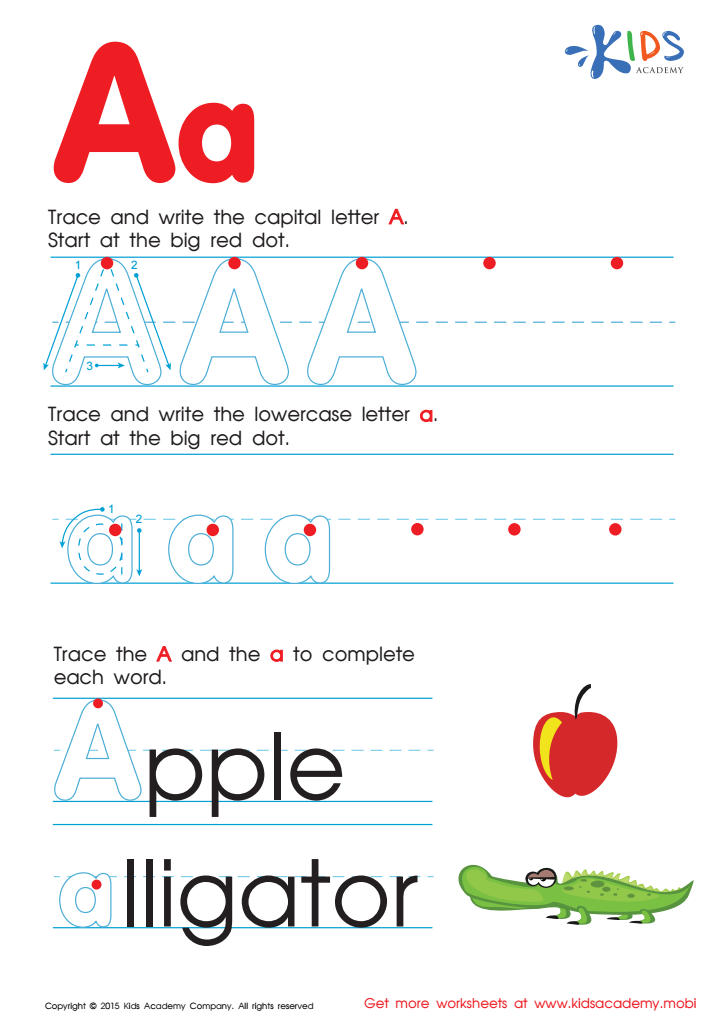
Letter A Tracing Page
 Assign to My Students
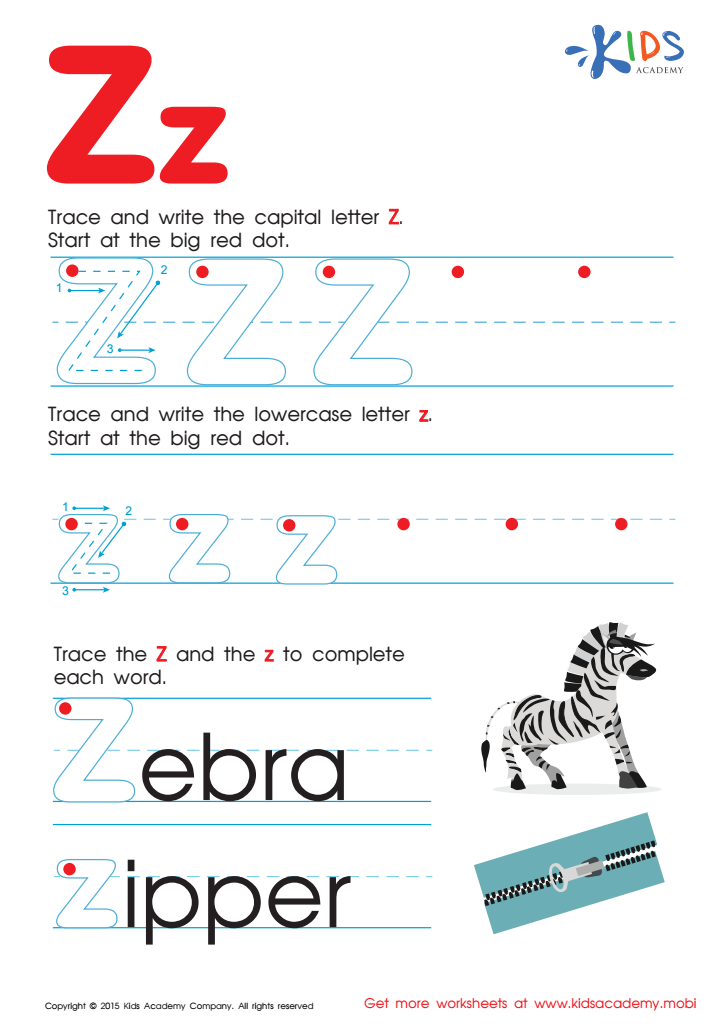
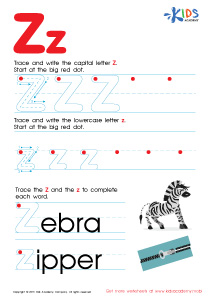
Letter Z Tracing Page
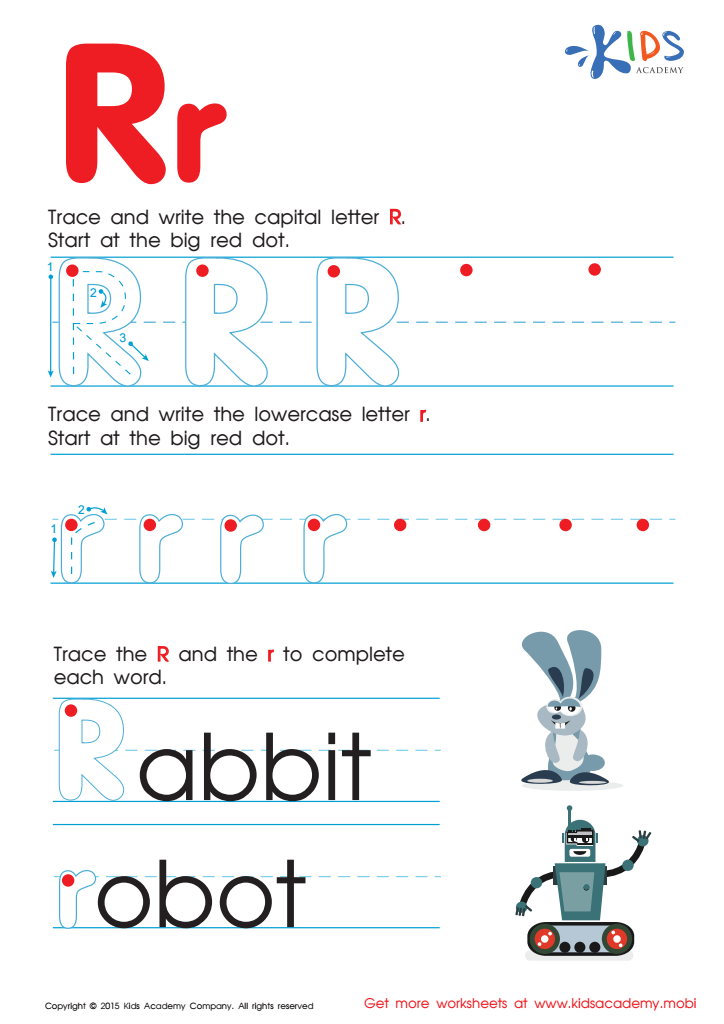
Letter R Tracing Page
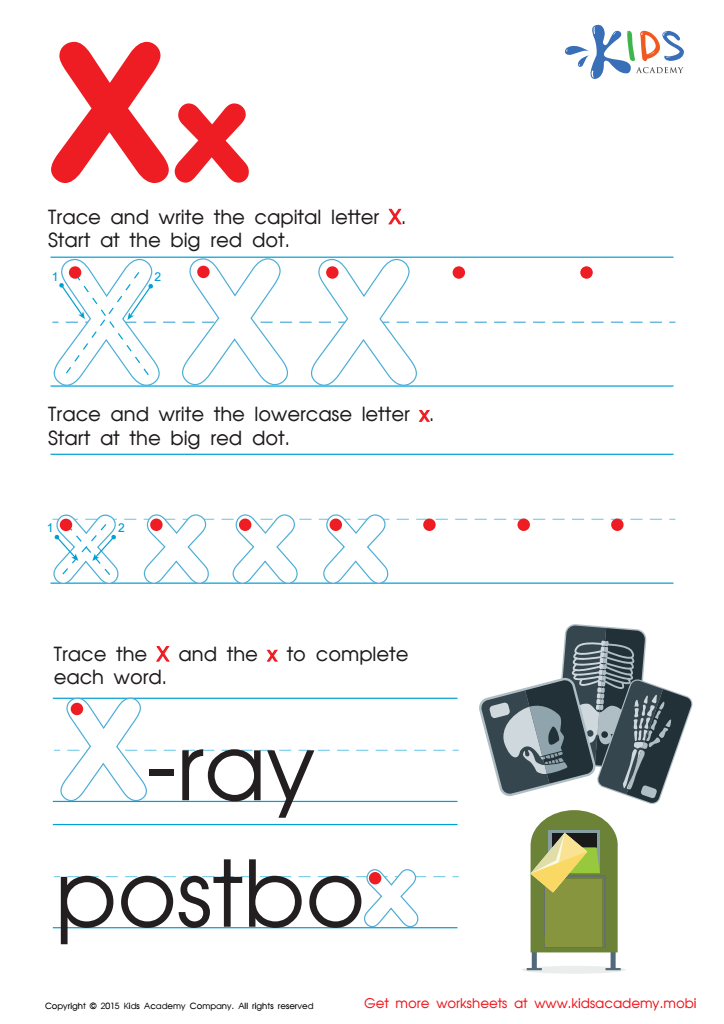
Letter X Tracing Page
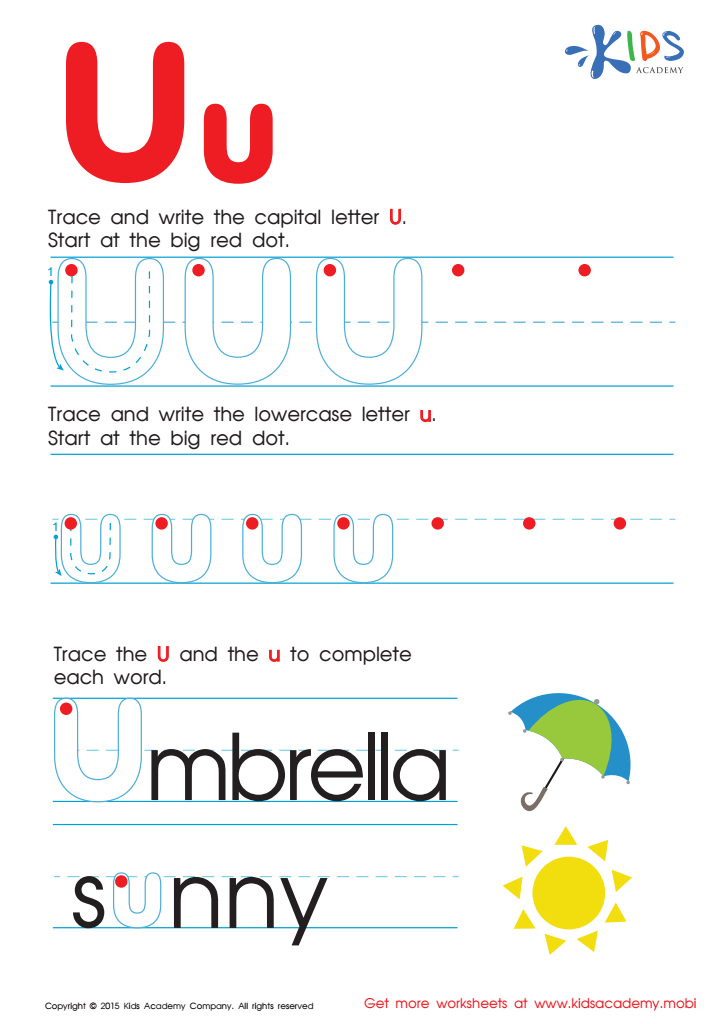
Letter U Tracing Page
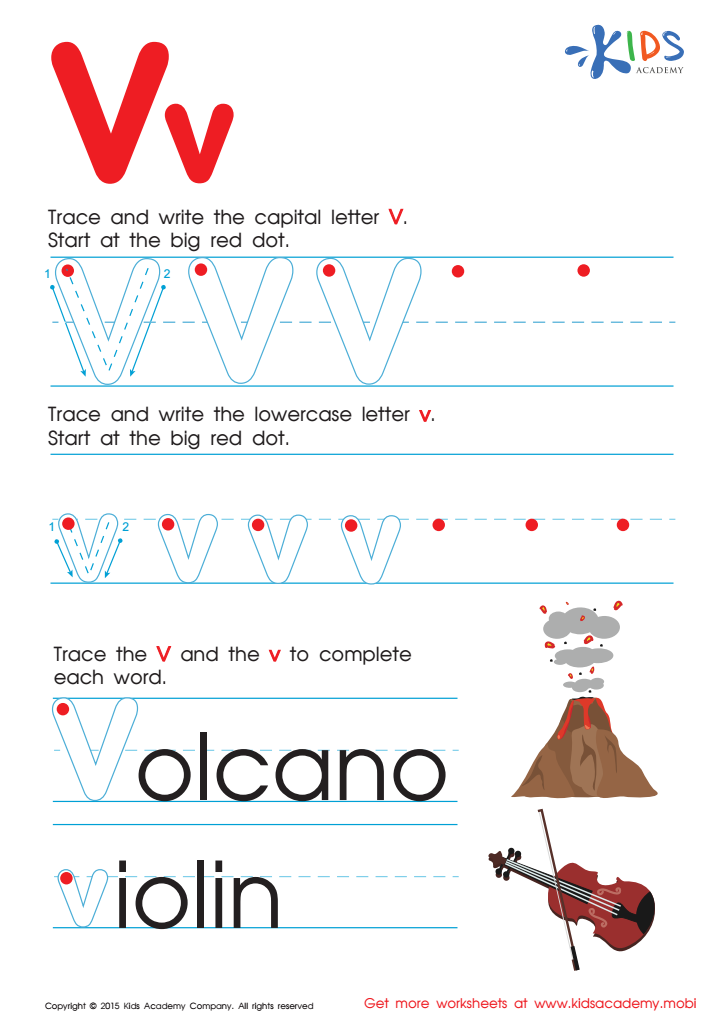
Letter V Tracing Page
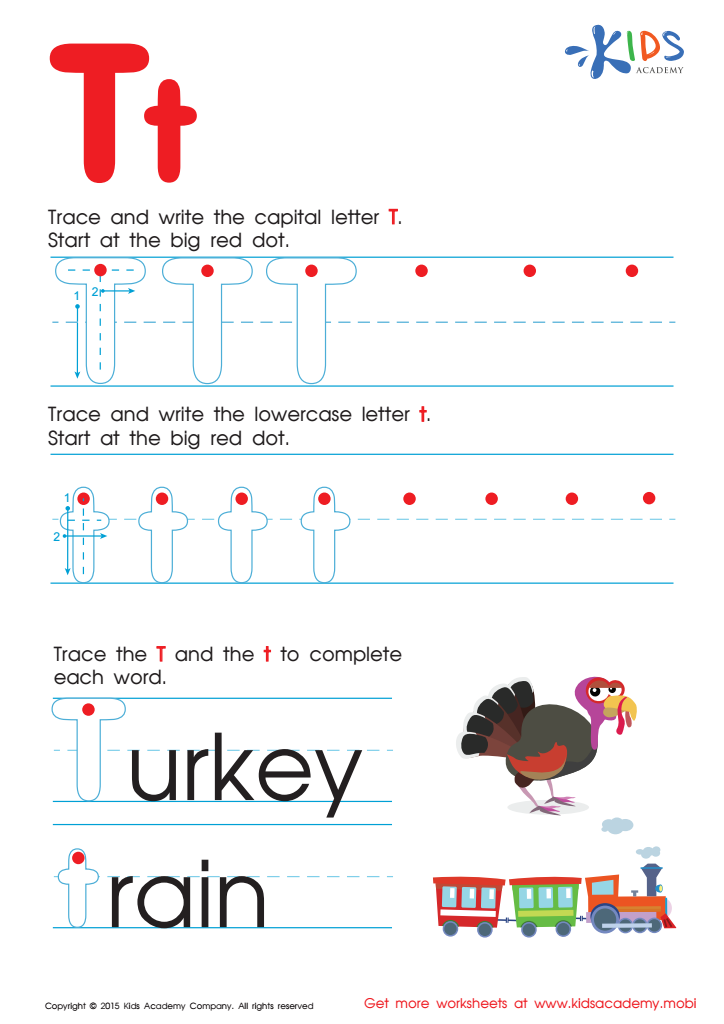
Letter T Tracing Page








Fine motor skills are crucial for a child's overall development, particularly in Grade 3 when they refine their writing and drawing abilities. These skills involve the small muscles in the hands and fingers, which are essential for tasks like grasping a pencil, tying shoelaces, or using scissors. Challenges that focus on fine motor skills, such as those involving alphabet formation, not only enhance handwriting but also boost hand-eye coordination and concentration.
Parents and teachers should prioritize these activities because developing fine motor proficiency lays the foundation for future academic success. As children learn to write more neatly and efficiently, their confidence grows, leading to better engagement during lessons. Furthermore, strong fine motor skills contribute to independence in daily tasks, promoting self-sufficiency.
In addition, incorporating such challenges can foster an enjoyable learning environment. Engaging games and creative exercises help maintain curiosity and enthusiasm among third graders. Fine motor skills are often linked to cognitive development, making them essential for learning tablets and devices used in classrooms today.
In summary, crowded schedules may tempt parents and teachers to overlook fine motor skill development, but its importance cannot be understated. Investing time in these activities benefits children holistically and supports their long-term academic and personal growth.