Alphabet Recognition Extra Challenge Grade 3 Letter Recognition Worksheets
3 filtered results
-
From - To
Elevate your third grader’s literacy skills with our “Alphabet Recognition Extra Challenge Grade 3 Letter Recognition Worksheets.” These meticulously designed worksheets provide the perfect blend of fun and education, helping children master the alphabet through engaging activities tailored to their level. By focusing on uppercase and lowercase letter recognition, these exercises hone critical reading skills, boost confidence, and enhance cognitive development. Ideal for both classroom and at-home practice, our worksheets cultivate a deeper understanding of the alphabet, preparing students for advanced literacy milestones. Unlock your child’s potential with our expertly crafted extra challenges and watch their academic abilities flourish!
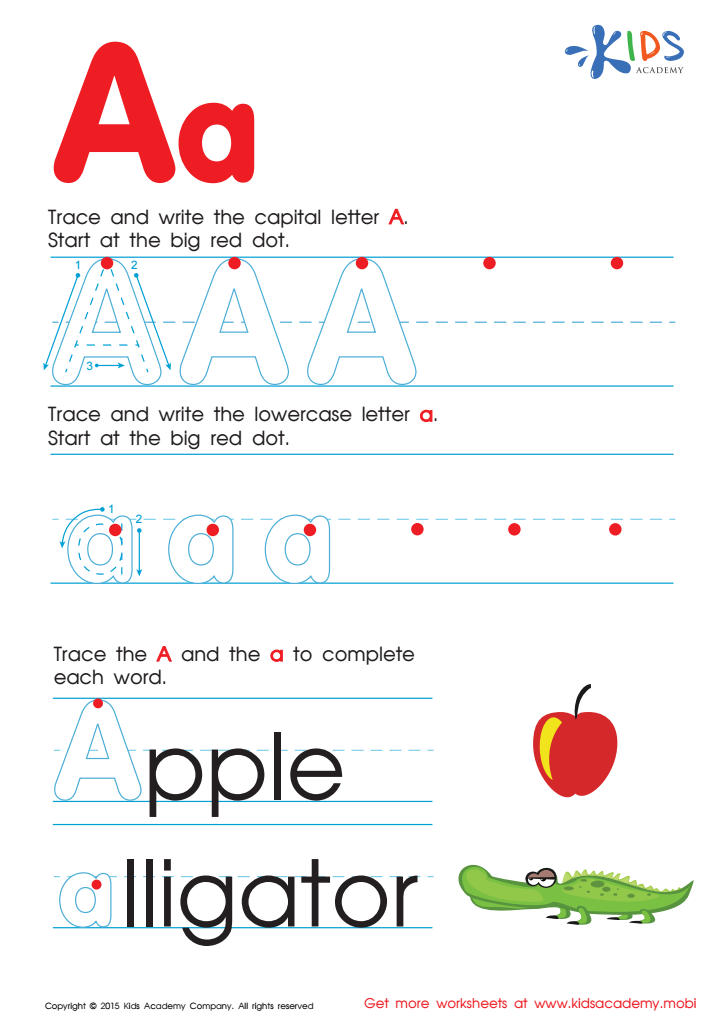
Letter A Tracing Page
 Assign to My Students
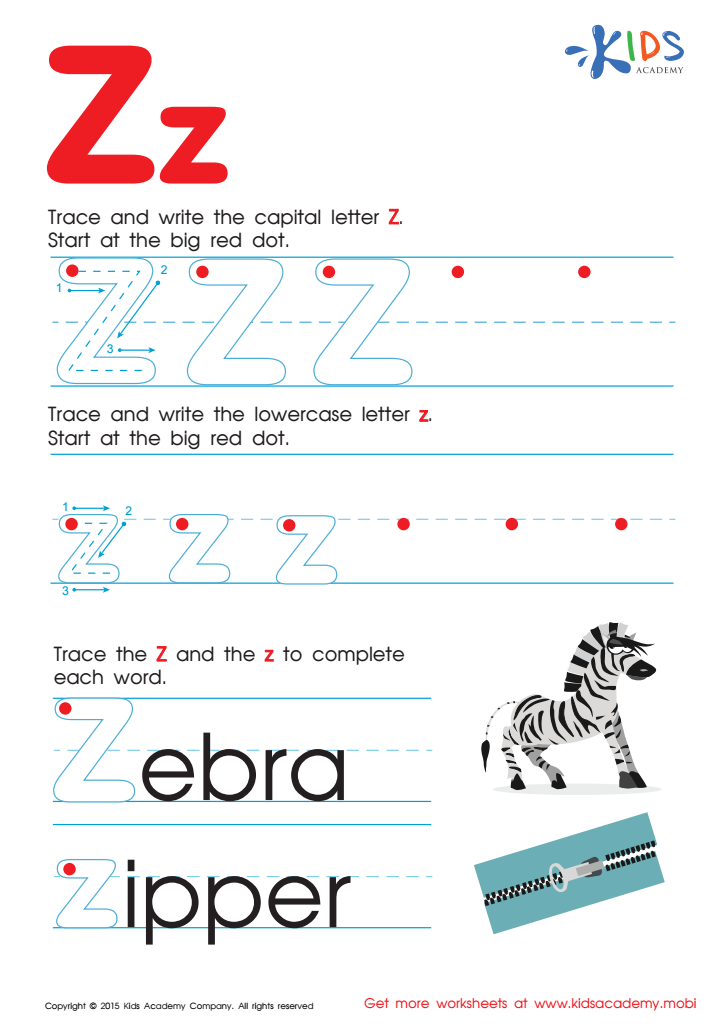
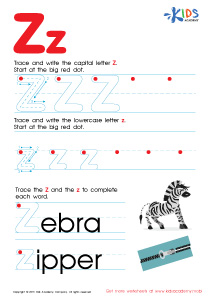
Letter Z Tracing Page
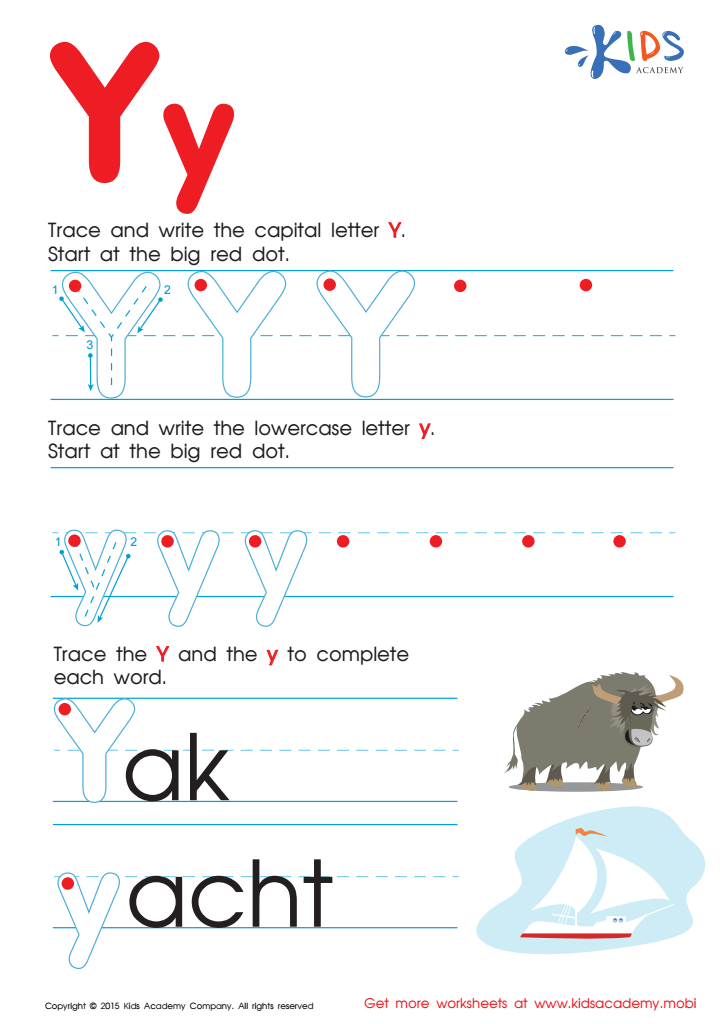
Letter Y Tracing Page





Alphabet recognition is a foundational skill that underpins all future success in reading and writing. For Grade 3 students, letter recognition isn't just about knowing the alphabet; it's about fluency and automaticity in identifying letters. This skill provides the crucial bridge from learning to read to reading to learn. At this stage, children are transitioning from decoding individual letters and words to fostering comprehension of more complex texts.
Caring about an Alphabet Recognition Extra Challenge in Grade 3 ensures that any existing gaps in letter identification are addressed. This prevents future struggles with reading fluency, comprehension, and vocabulary acquisition. For students who have already mastered basic recognition, such challenges can enhance speed and accuracy, making them stronger, more efficient readers. This is essential as academic demands increase with each grade level and reading becomes a key skill across all subjects, not just Language Arts.
Finally, emphasizing such challenges reflects a growth mindset, illustrating to children that learning is continuous and can always be refined. It cultivates perseverance while ensuring that fundamental literacy skills are robust and reliable. By investing in robust letter recognition practice, parents and teachers are laying a stronger foundation for lifelong learning and literacy success.