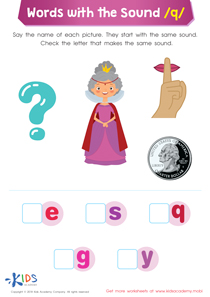
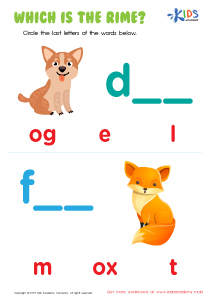
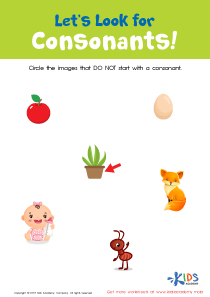
Letter recognition Kindergarten Elementary Phonics Worksheets
5 filtered results
-
From - To
Jumpstart your child's reading journey with our Letter Recognition Kindergarten Elementary Phonics Worksheets. Specially designed for young learners, these engaging printables help children recognize and differentiate between letters, build essential phonics skills, and foster a love for reading. Perfect for classroom use or at-home practice, each worksheet features fun activities, vibrant images, and hands-on exercises that make learning alphabet fundamentals interactive and enjoyable. Encourage your kindergartener’s literacy development with our expertly crafted resources, tailored to support early reading success and confidence. Explore our collection on Kids Academy and make early learning an exciting adventure!

Long and Short U Worksheet
 Assign to My Students
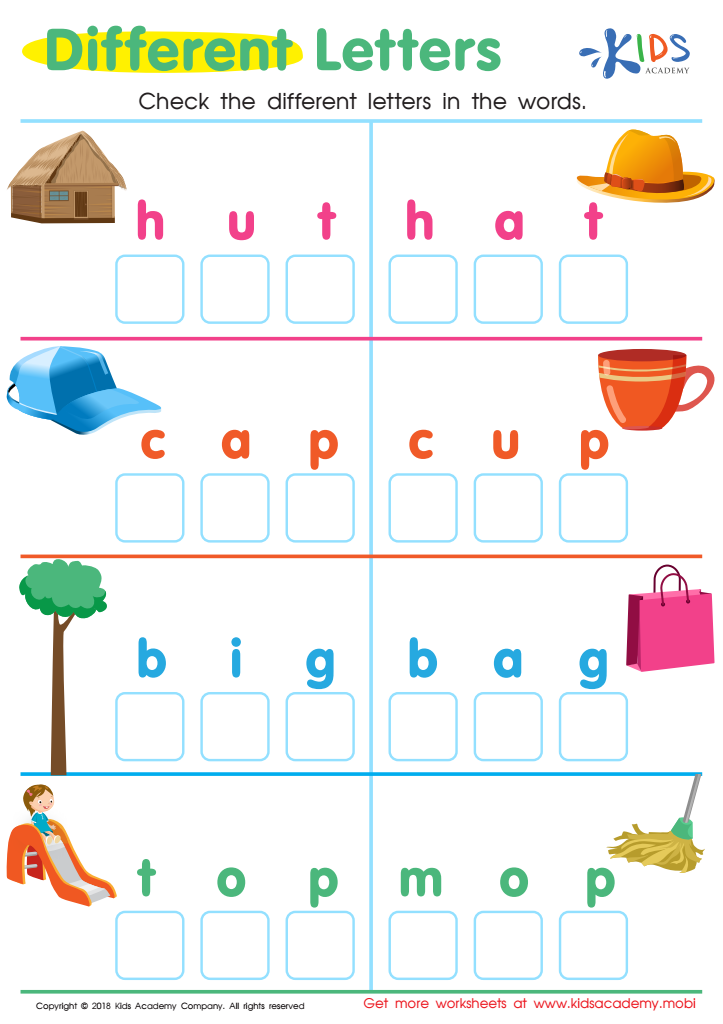
Different Letters Reading Worksheet
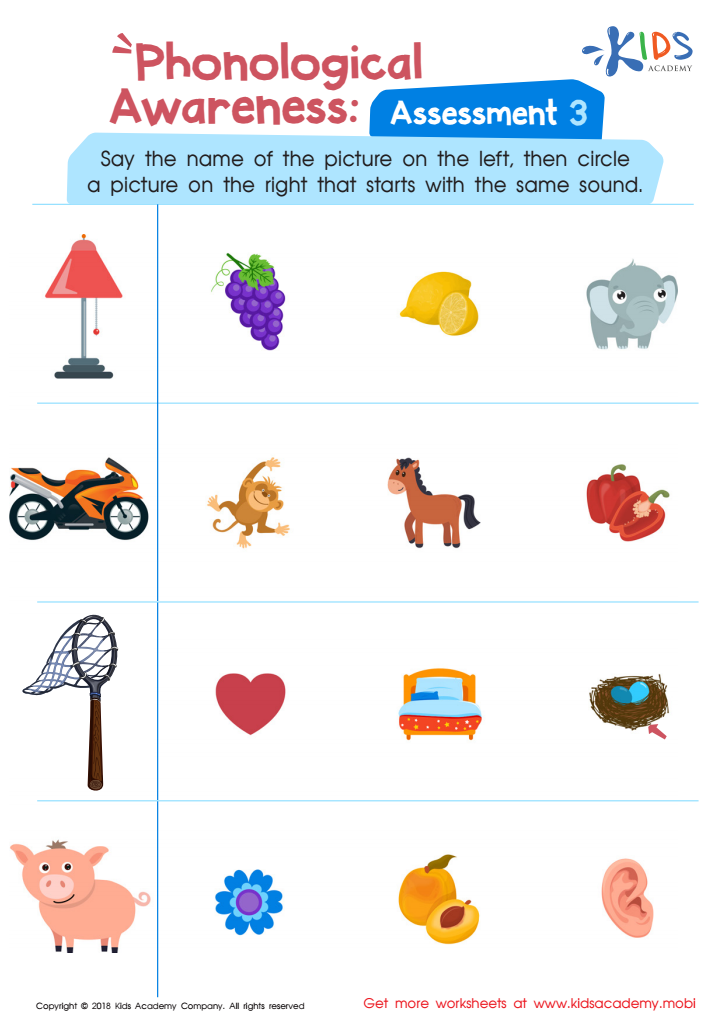
Phonological Awareness: Assessment 3 Worksheet

Long and Short E Worksheet
Assign to My Students
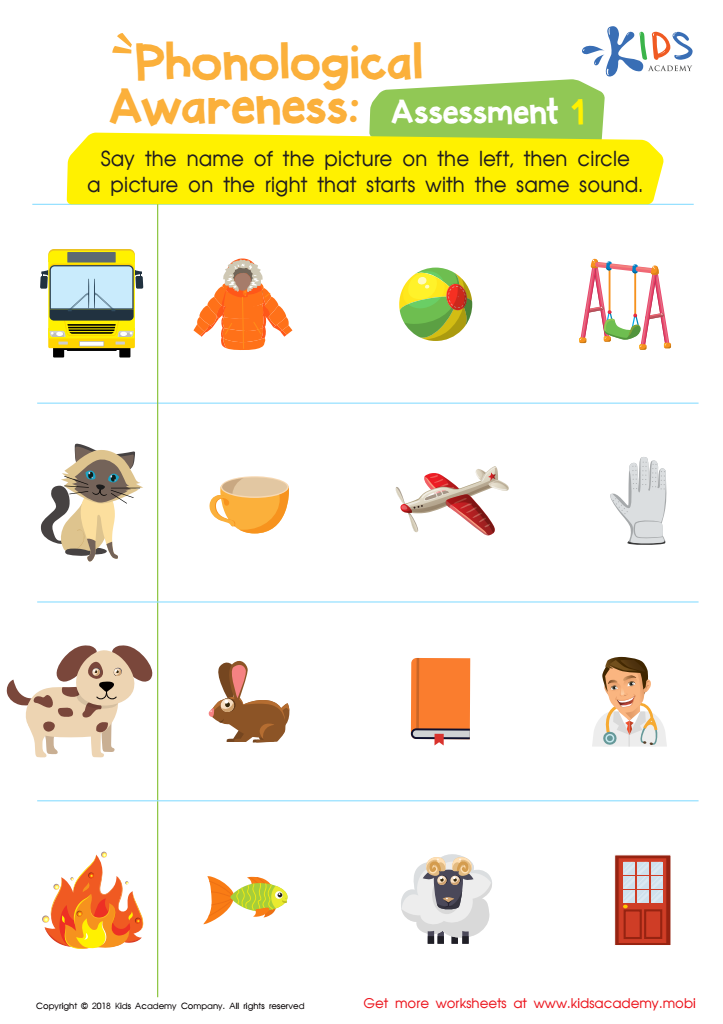
Phonological Awareness: Assessment 1 Worksheet




Letter recognition and elementary phonics are foundational to a child's early literacy development, making them crucial for both parents and teachers to prioritize. Recognizing letters is the first step toward reading and writing. It enables children to understand that letters have specific shapes associated with corresponding sounds, which is essential for decoding words.
When a child understands that the letter "B" makes a /b/ sound and the letter "H" makes an /h/ sound, they can more easily learn to read by blending these sounds to form words like "bat" and "hat." This understanding also reinforces their ability to spell, as they can pull apart the sounds in spoken words to figure out how to write them.
Phonics, on the other hand, involves teaching children the relationship between written letters and their sounds. It helps them develop the skills to read independently by sounding out unfamiliar words, promoting confidence in reading. Early exposure to phonics has been linked to improved reading accuracy, fluency, and comprehension.
Both letter recognition and phonics equip children with the tools needed for later academic success. They transform reading from a daunting task into a manageable, even enjoyable, activity. For these reasons, it is critical for parents and teachers to engage children in activities that enhance these skills from a young age.