Handwriting practice Kindergarten Alphabet Worksheets - Page 2
49 filtered results
-
From - To
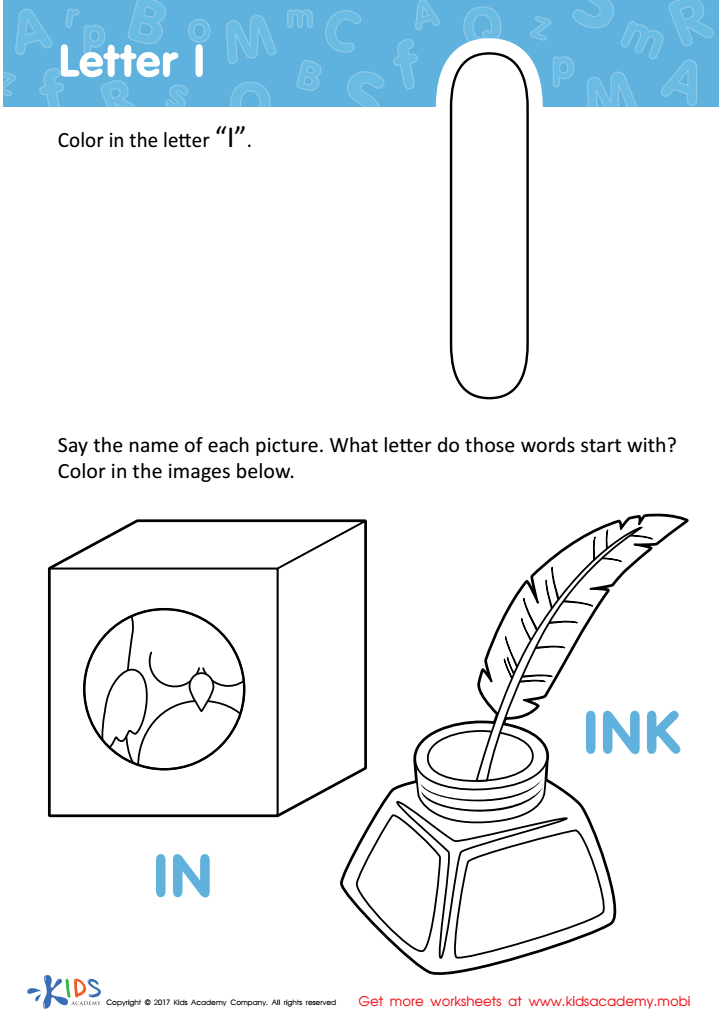
Letter I Coloring Sheet
 Assign to My Students
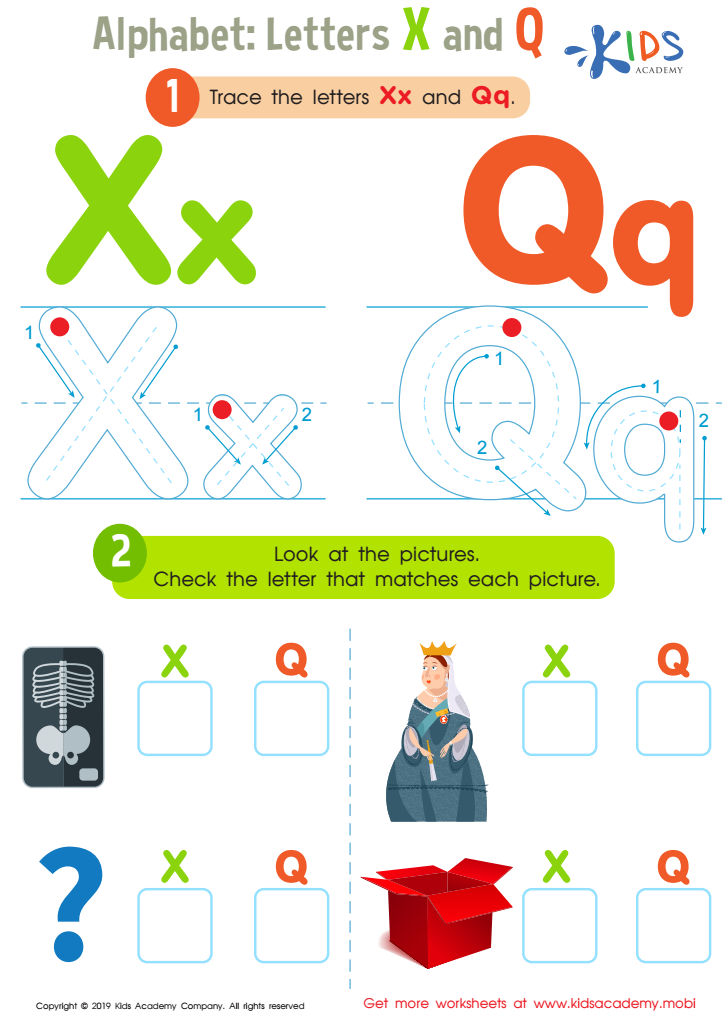
Letters X and Q Tracing Worksheet
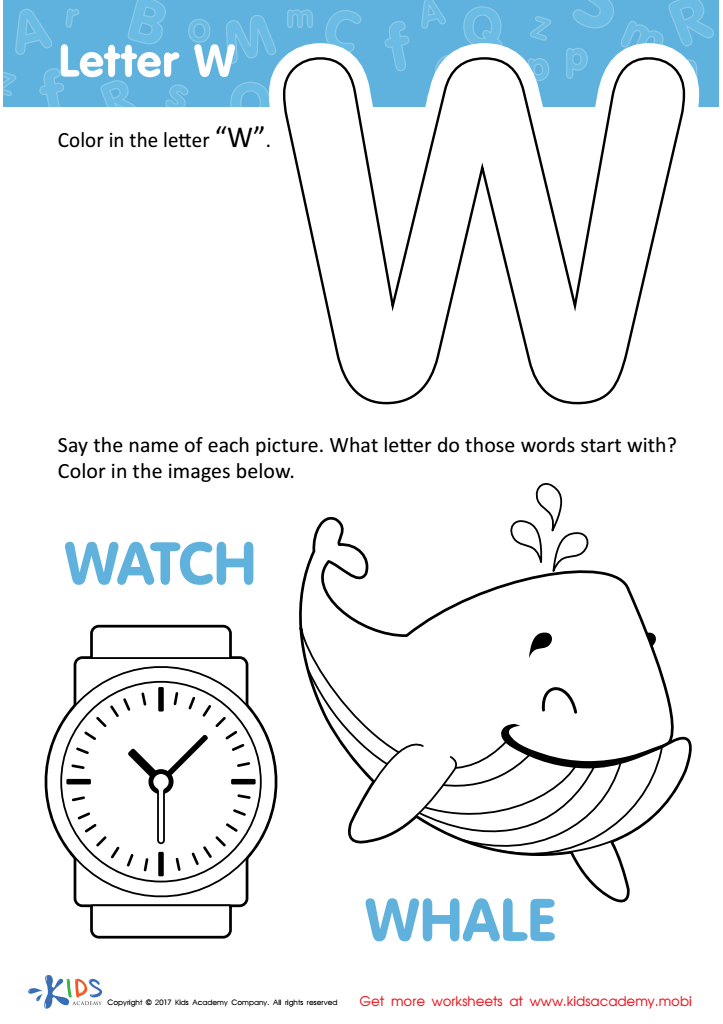
Letter W Coloring Sheet
Assign to My Students

Letter O Coloring Sheet
Assign to My Students

Lowercase Letters m n o Worksheet

Letter N Tracing Page

Lowercase Letters d e f Worksheet
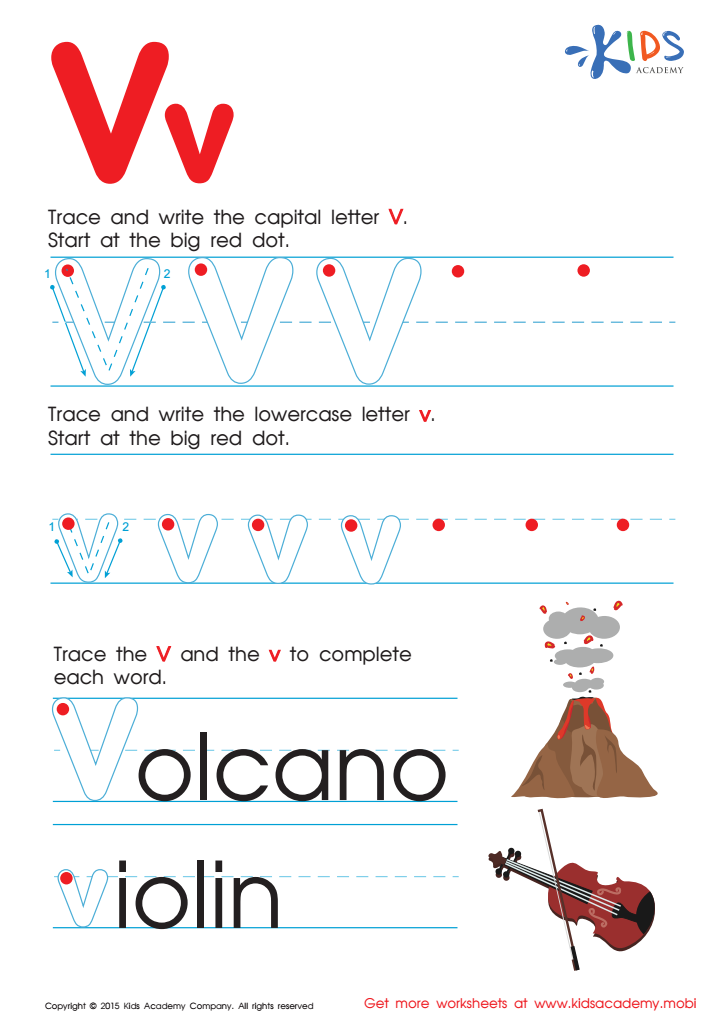
Letter V Tracing Page
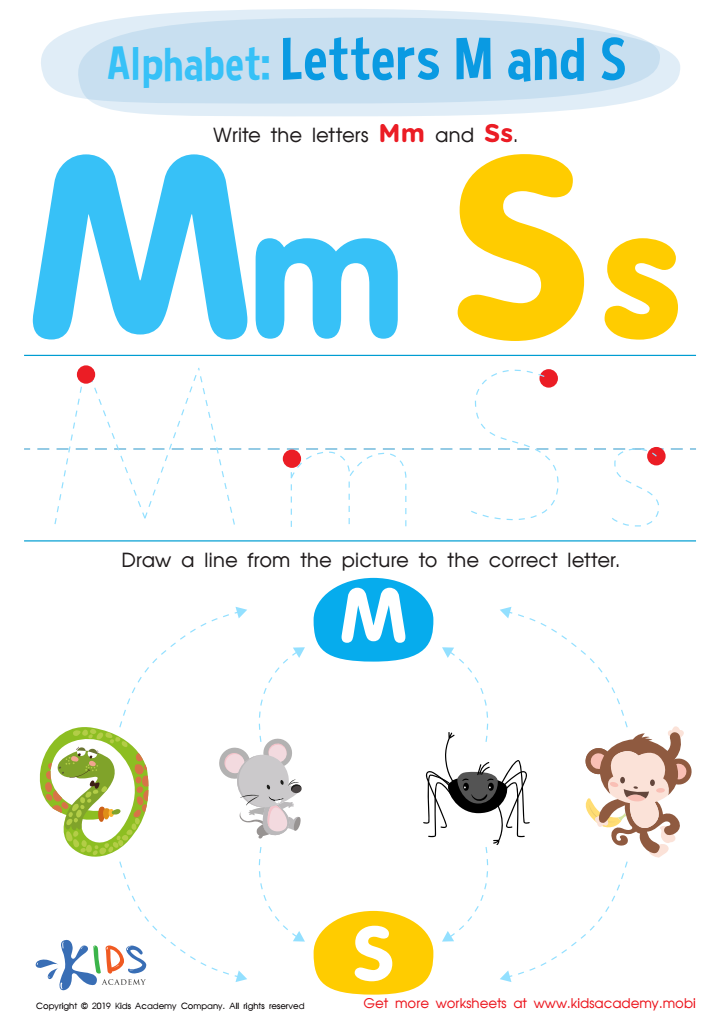
Letters M and S Tracing Worksheet

Letter A Tracing Worksheet
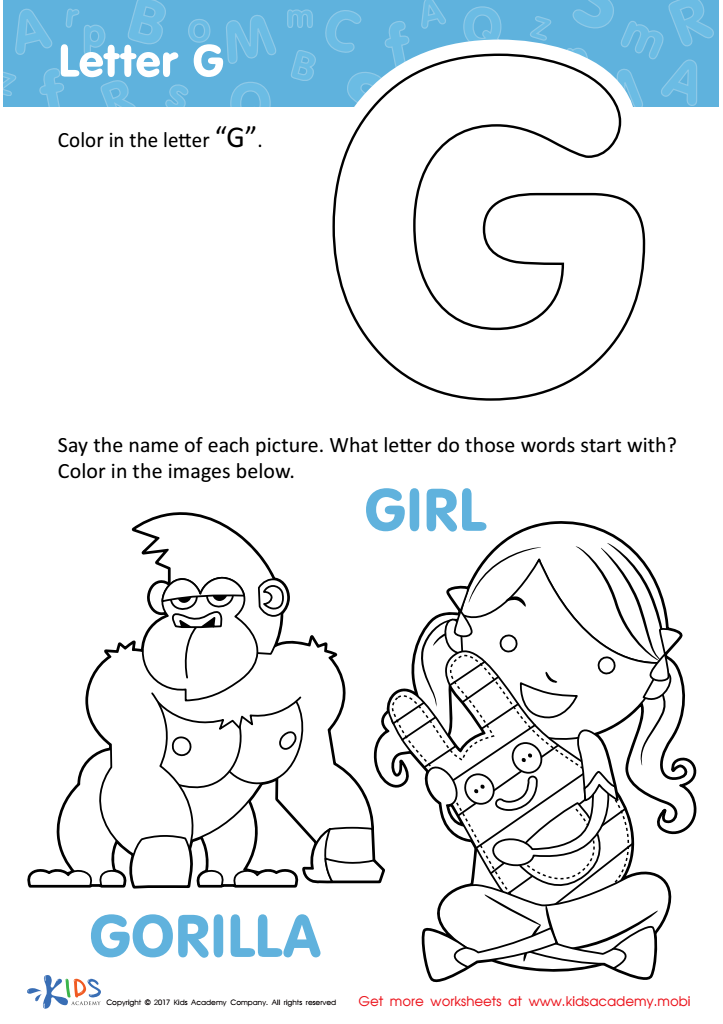
Letter G Coloring Sheet
Assign to My Students
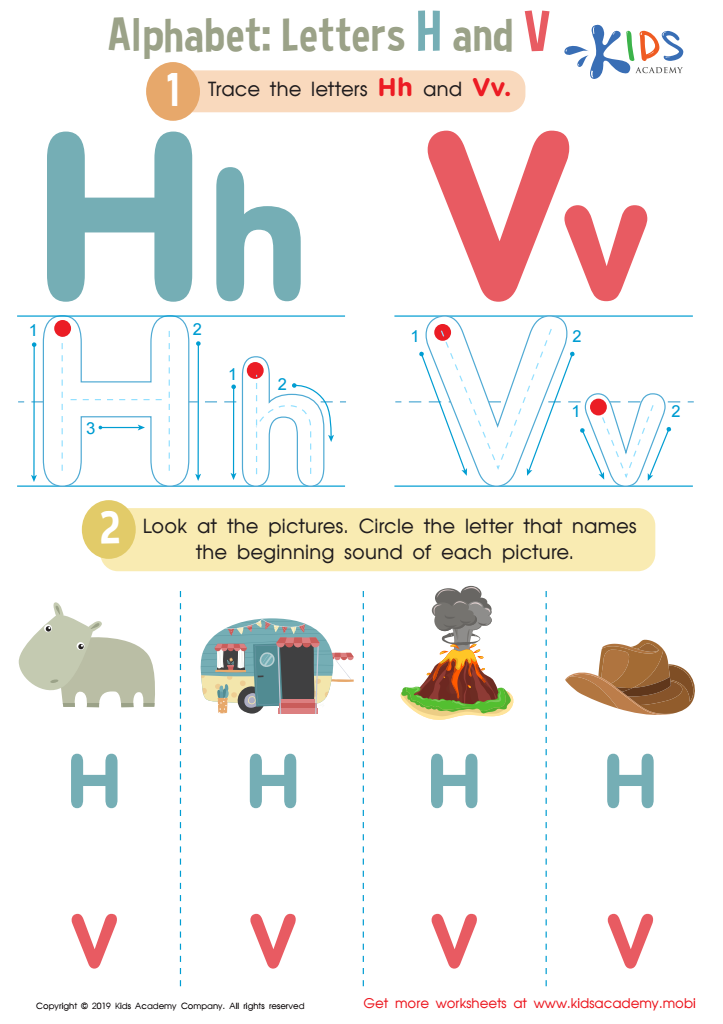
Letters H and V Tracing Worksheet
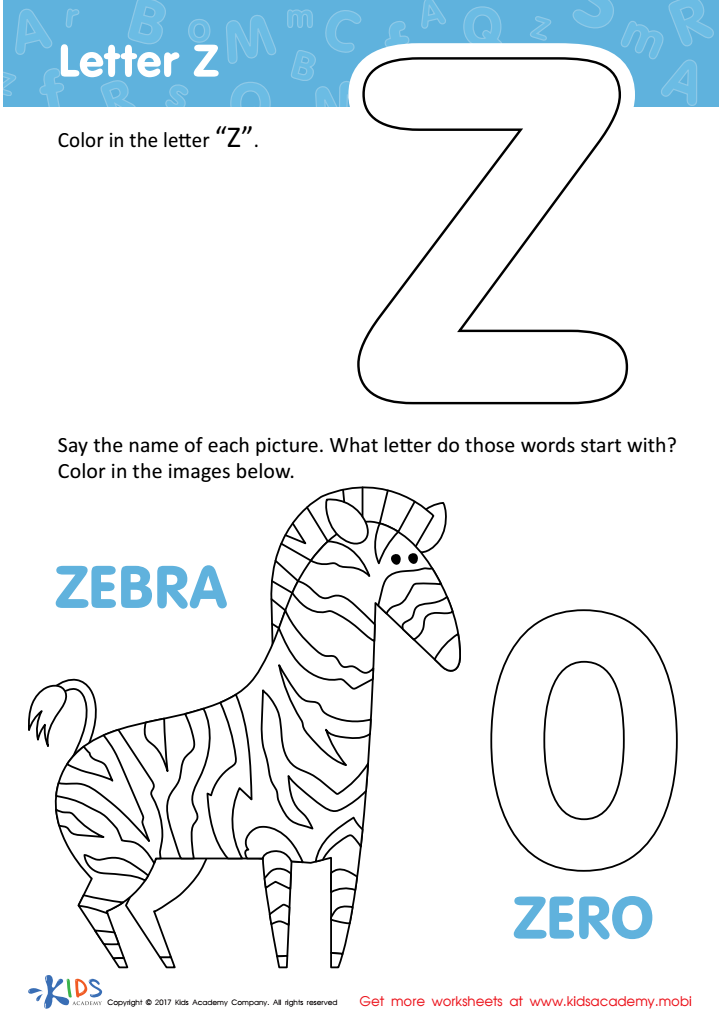
Letter Z Coloring Sheet
Assign to My Students
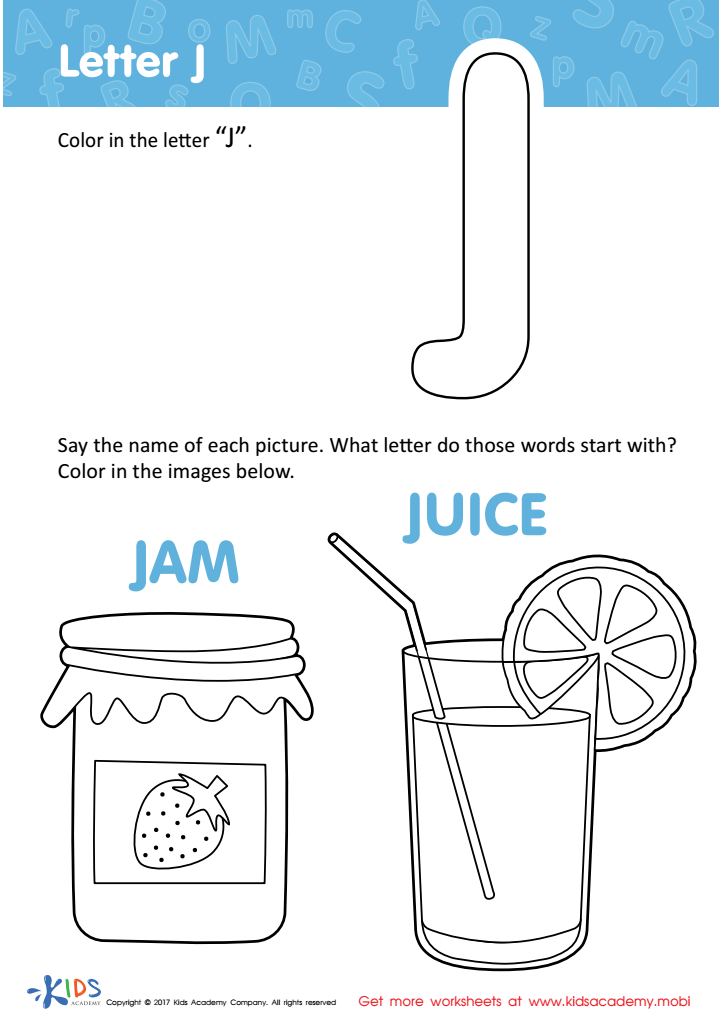
Letter J Coloring Sheet
Assign to My Students
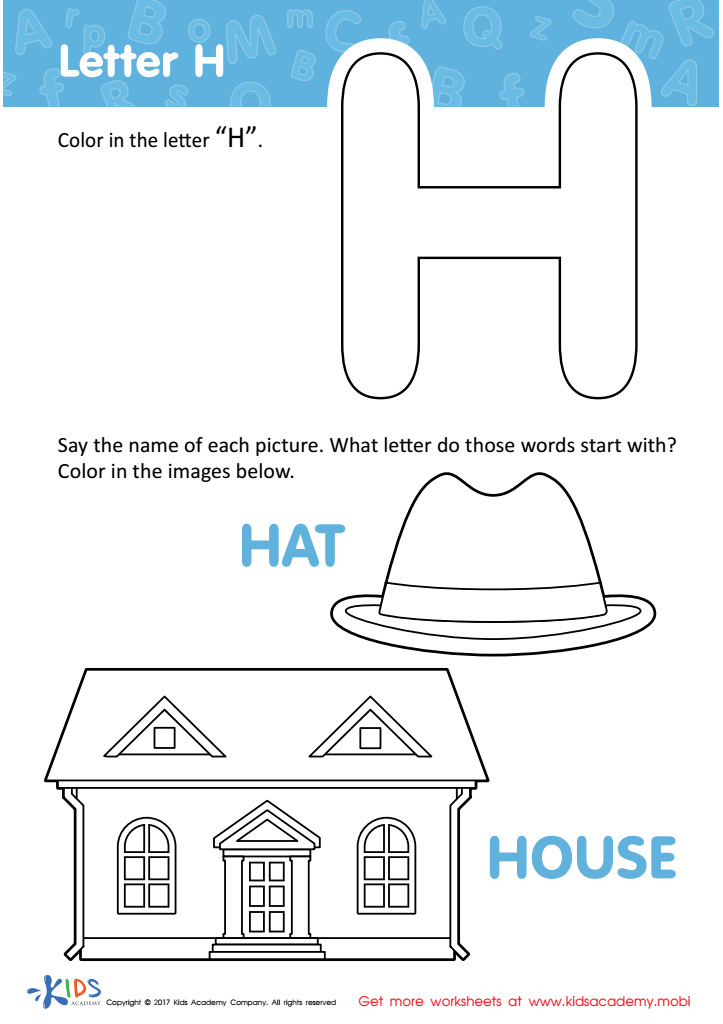
Letter H Coloring Sheet
Assign to My Students
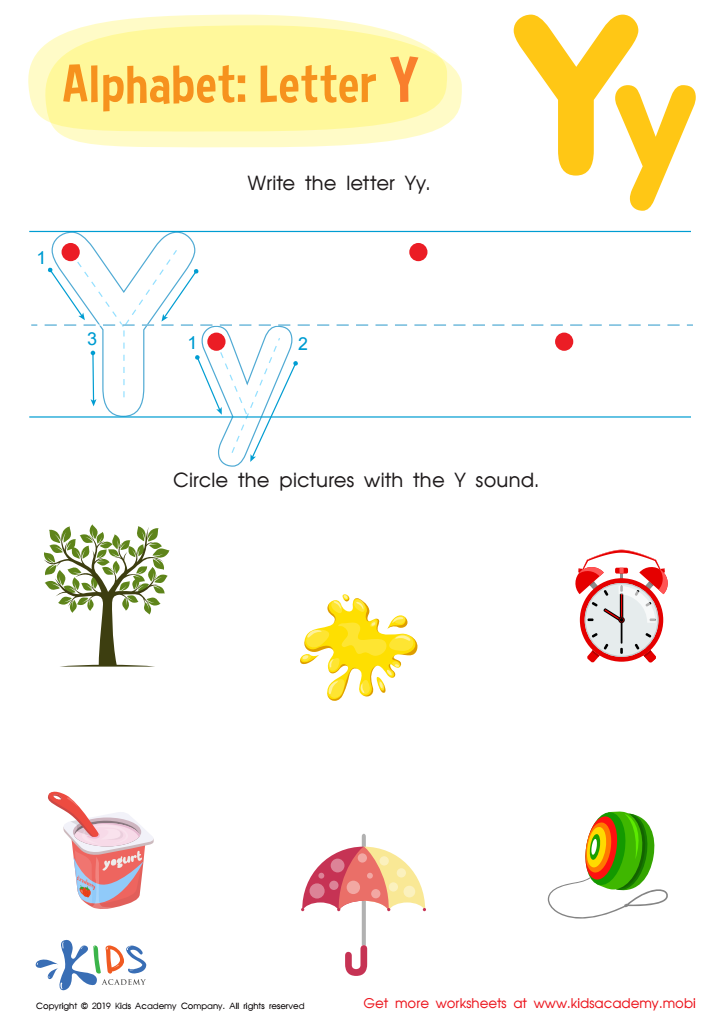
Letter Y Tracing Worksheet
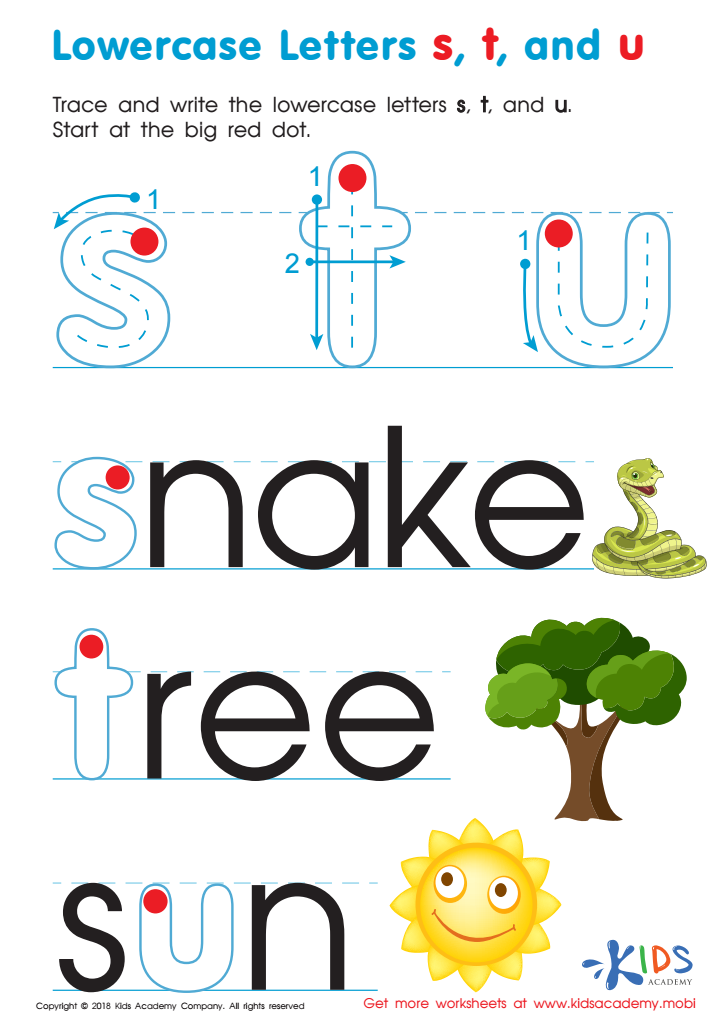
Lowercase Letters s t u Worksheet
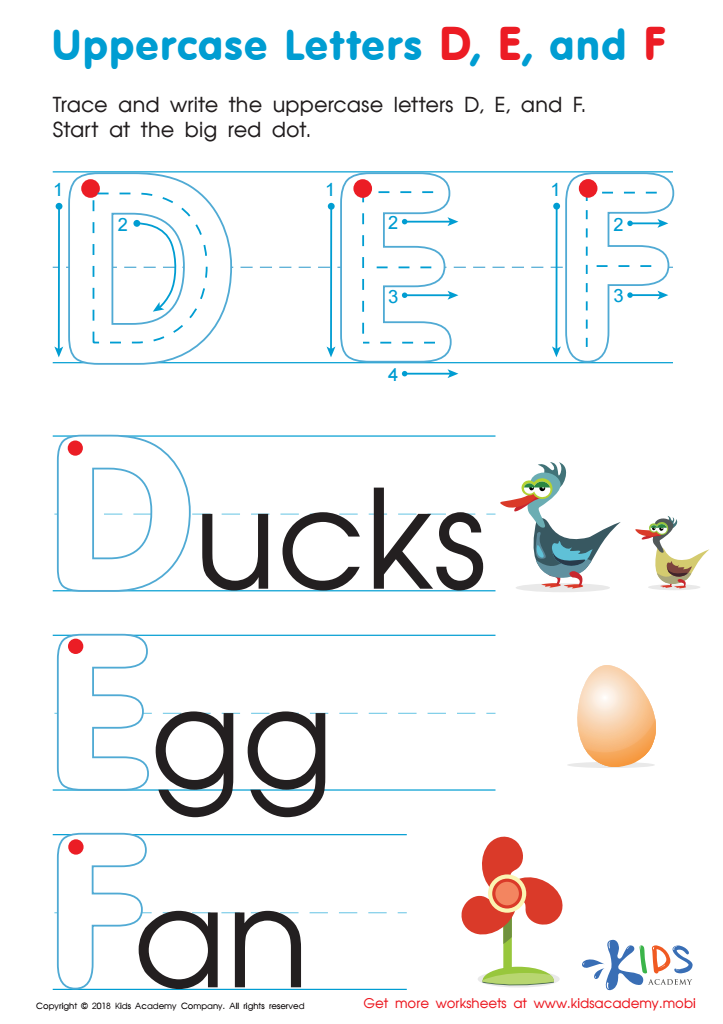
Uppercase Letters D, E, and F Worksheet
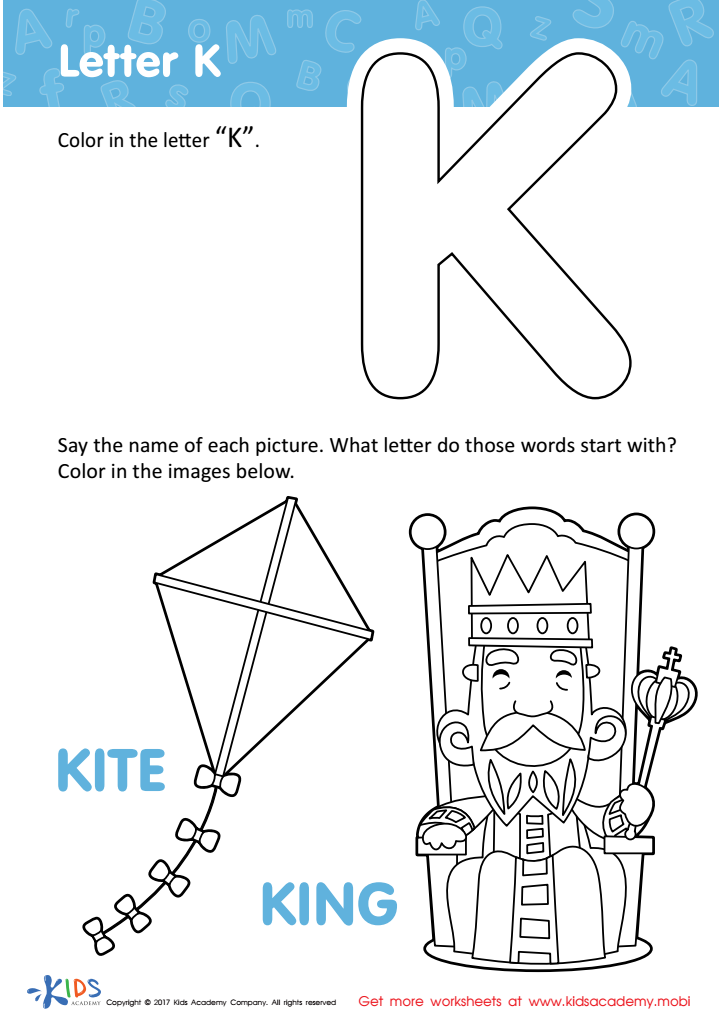
Letter K Coloring Sheet
Assign to My Students
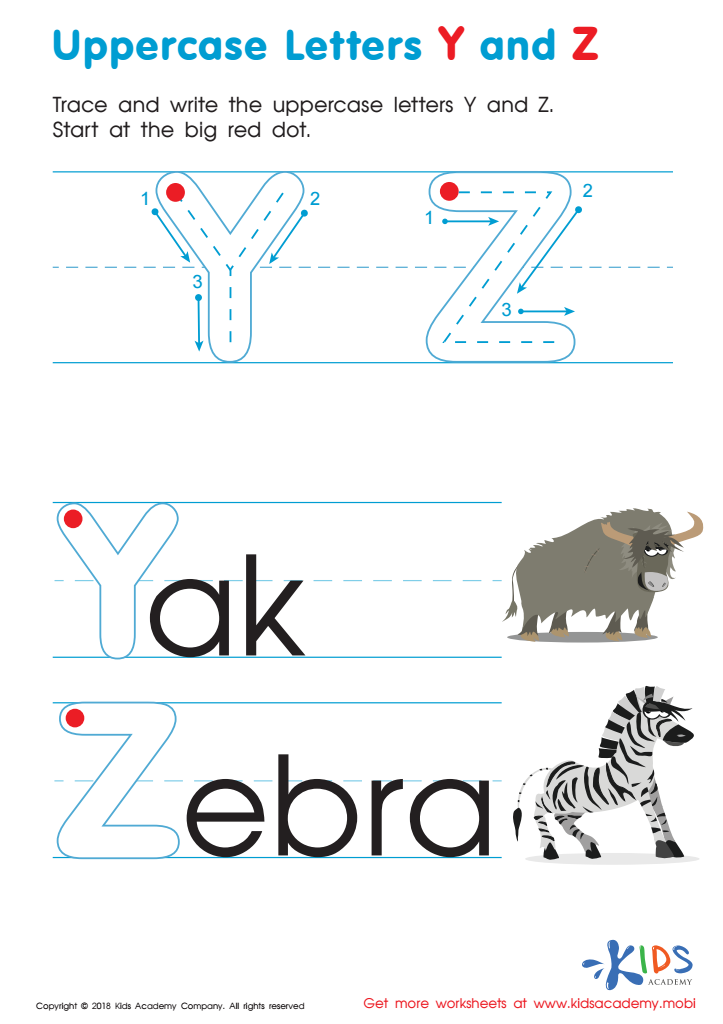
Uppercase Letters Y Z Worksheet
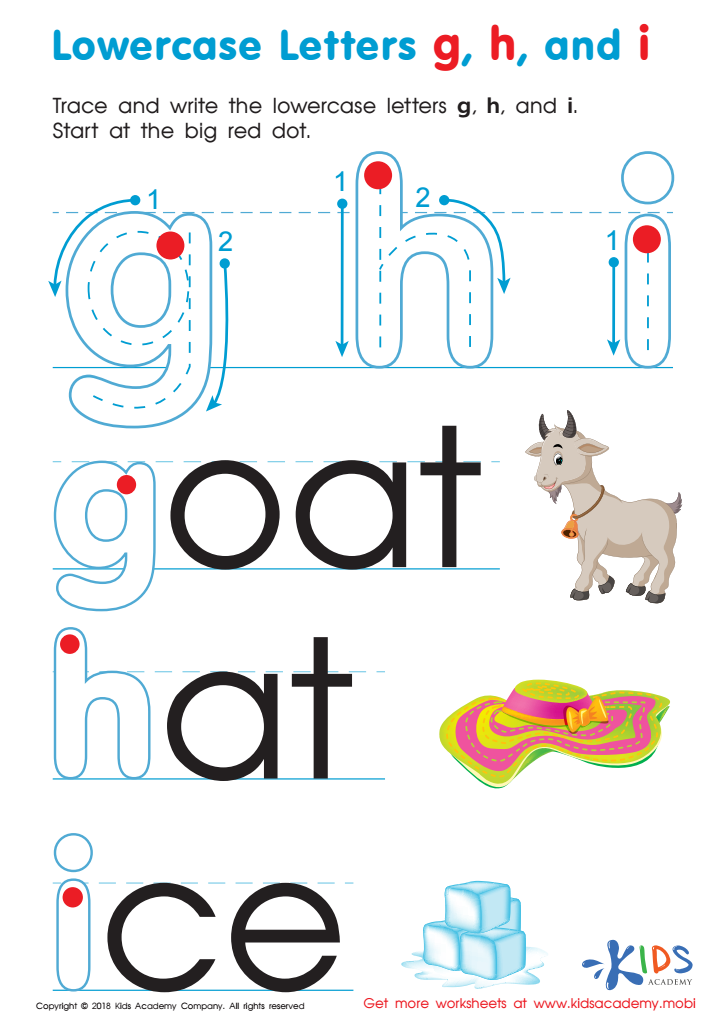
Lowercase Letters g h i Worksheet
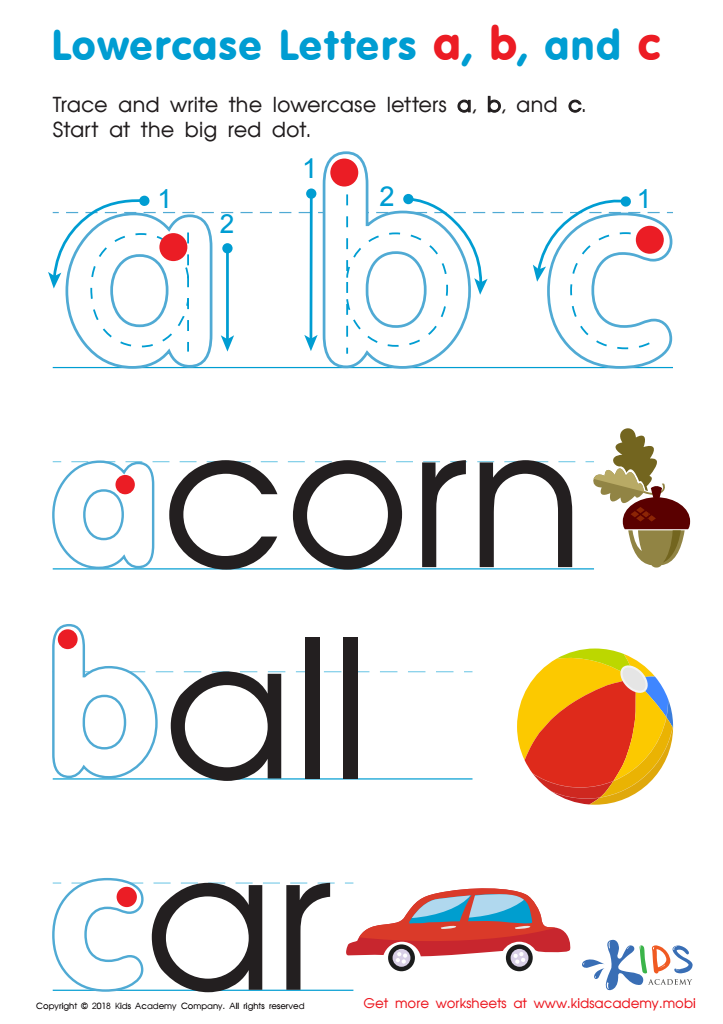
Lowercase Letters a b c Worksheet
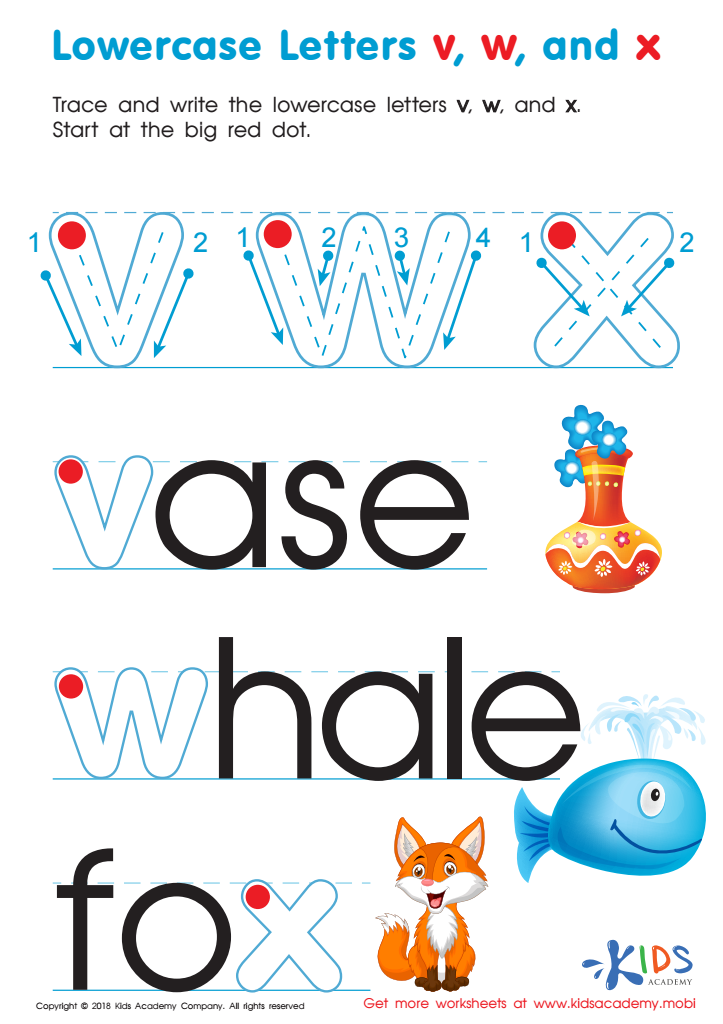
Lowercase Letters v w x Worksheet

Letter N Coloring Sheet
Assign to My Students








Handwriting practice is fundamental in kindergarten education, particularly focusing on the alphabet. This practice holds immense value for several reasons. Firstly, it enhances fine motor skills. By drawing letters, children strengthen their hand muscles and improve their hand-eye coordination, which benefits overall dexterity. Secondly, learning to write letters aids in literacy development. As young learners repeatedly form alphabet shapes, they reinforce their letter recognition, a crucial step towards reading proficiency.
Engaging in handwriting also supports cognitive development. The process of writing involves extensive brain activity, linking how letters look to their sounds and meanings, thereby boosting memory and understanding. Additionally, the act of meticulous handwriting fosters patience and focus in children, skills that are transferable to numerous other learning contexts.
Socially and emotionally, mastering handwriting can boost a child’s confidence. Successfully learning to write their own name or favorite words can be incredibly empowering, developing a sense of accomplishment and pride. Teachers and parents who prioritize handwriting practice provide children with a strong educational foundation, benefiting them well beyond primary school years, setting the stage for future learning, communication skills, and academic success. In essence, handwriting practice in kindergarten prepares children comprehensively for the multifaceted demands of their educational journey.