Letter Tracing Kindergarten Alphabet Worksheets
8 filtered results
-
From - To
Enhance your child's writing skills with our engaging Letter Tracing Kindergarten Alphabet Worksheets. Perfect for young learners, these fun and interactive worksheets provide clear letter outlines, allowing children to practice their letter formation and improve their fine motor skills. Designed to foster early literacy, each worksheet focuses on individual letters, ensuring kids grasp both uppercase and lowercase variations. With a variety of activities and colorful designs, learning becomes enjoyable and effective. Download our free worksheets now and watch your child gain confidence in writing as they master the alphabet—an essential building block for their educational journey!
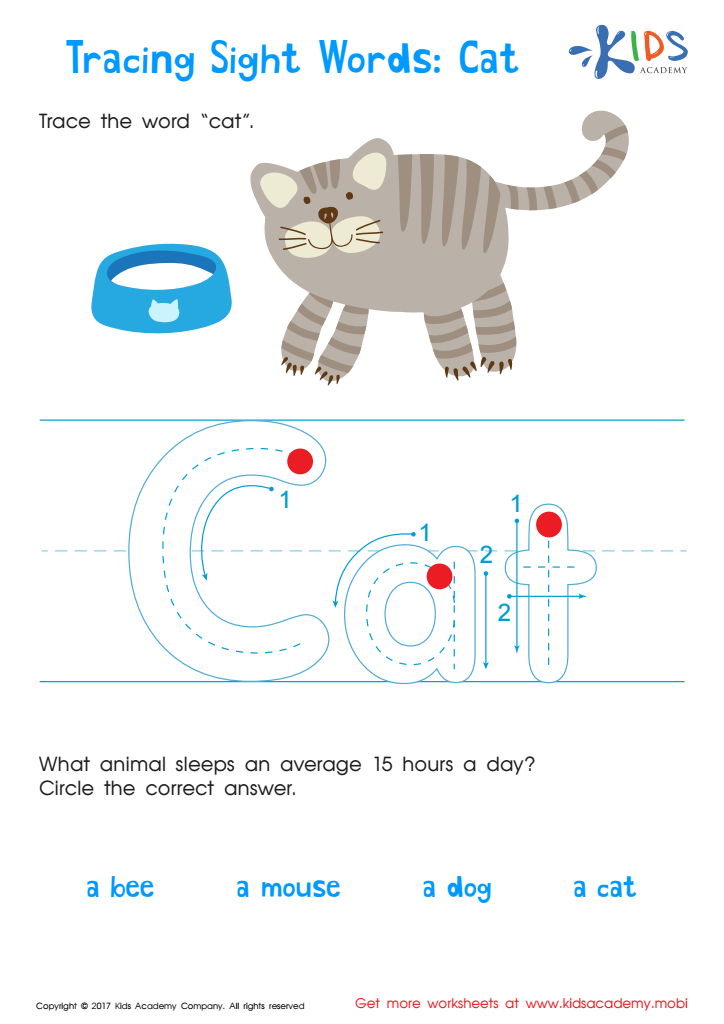
Cat Printable Sight Words Worksheet
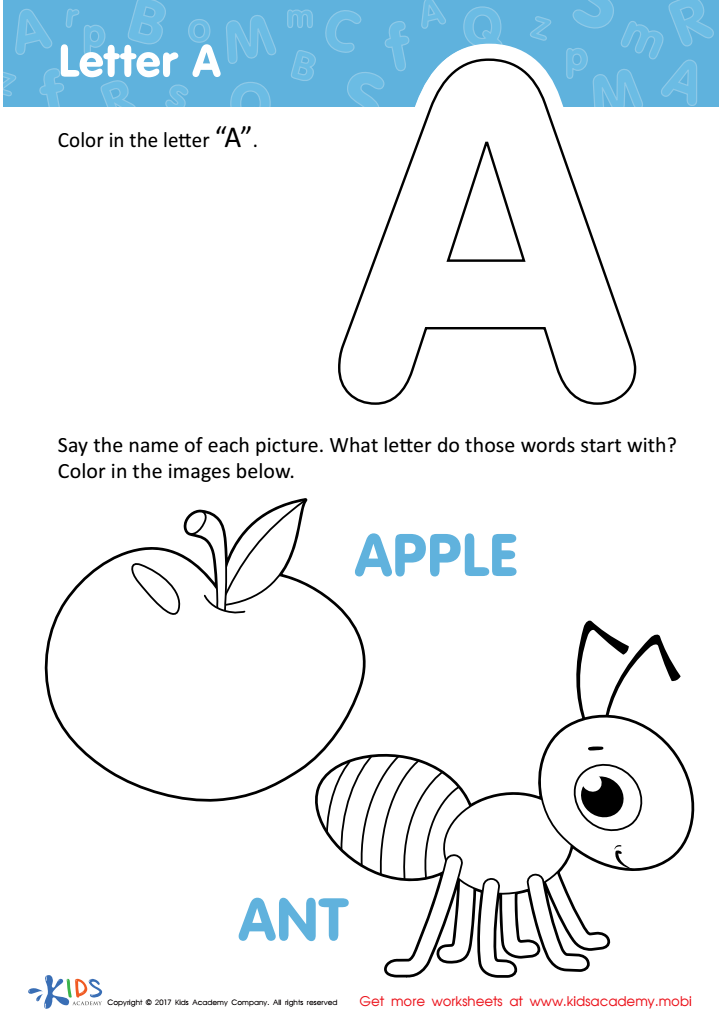
Letter A Coloring Sheet
 Assign to My Students
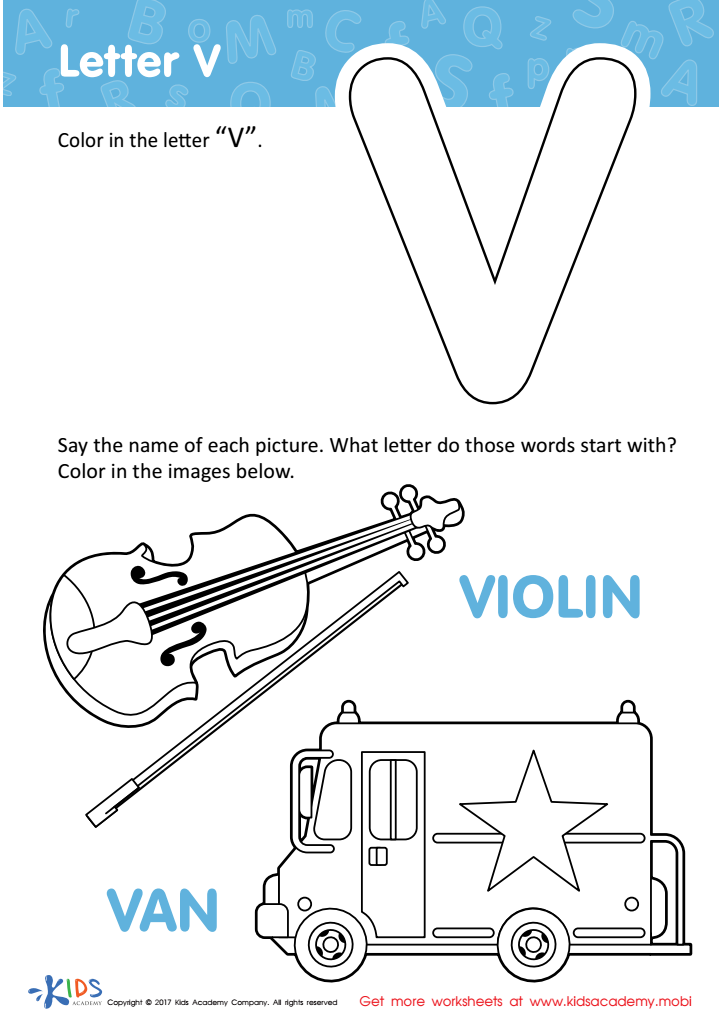
Letter V Coloring Sheet
Assign to My Students
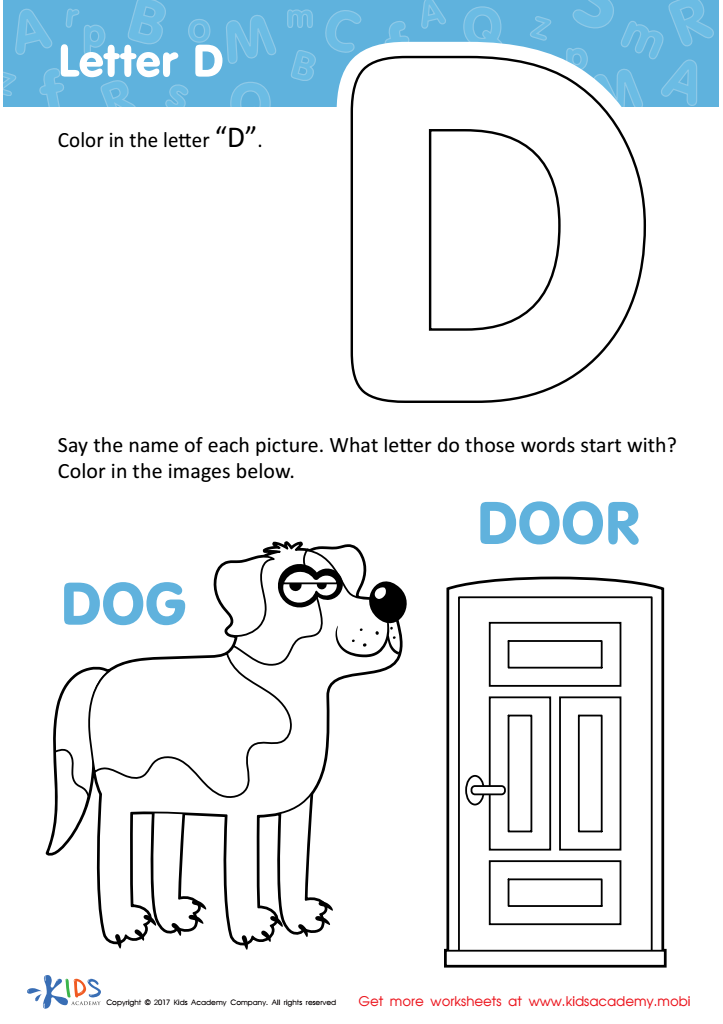
Letter D Coloring Sheet
Assign to My Students
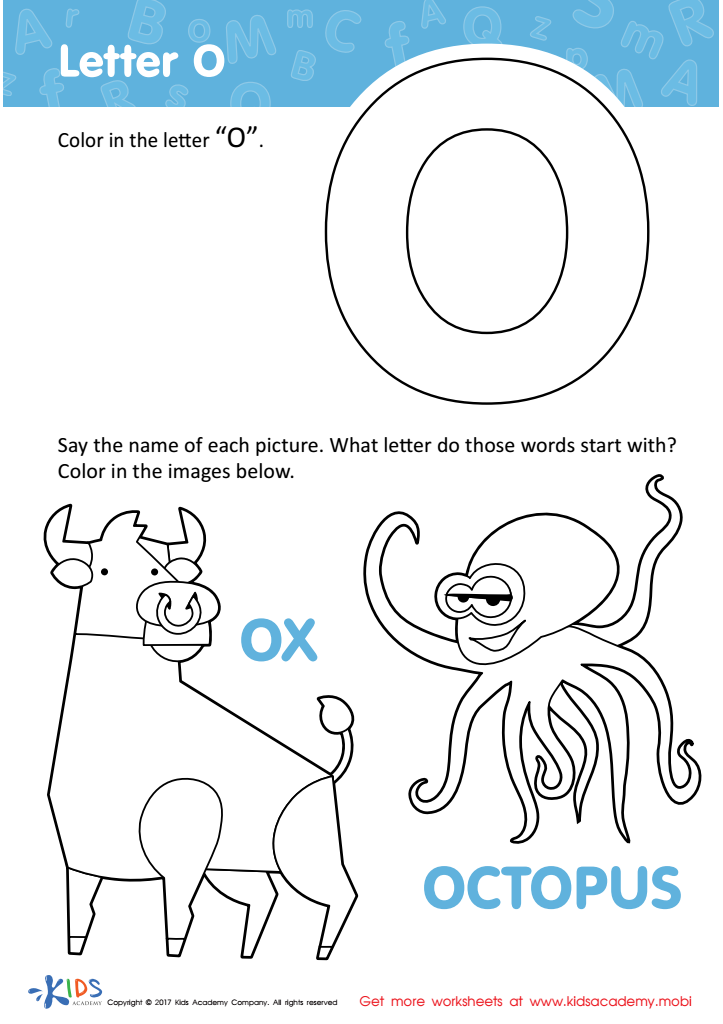
Letter O Coloring Sheet
Assign to My Students
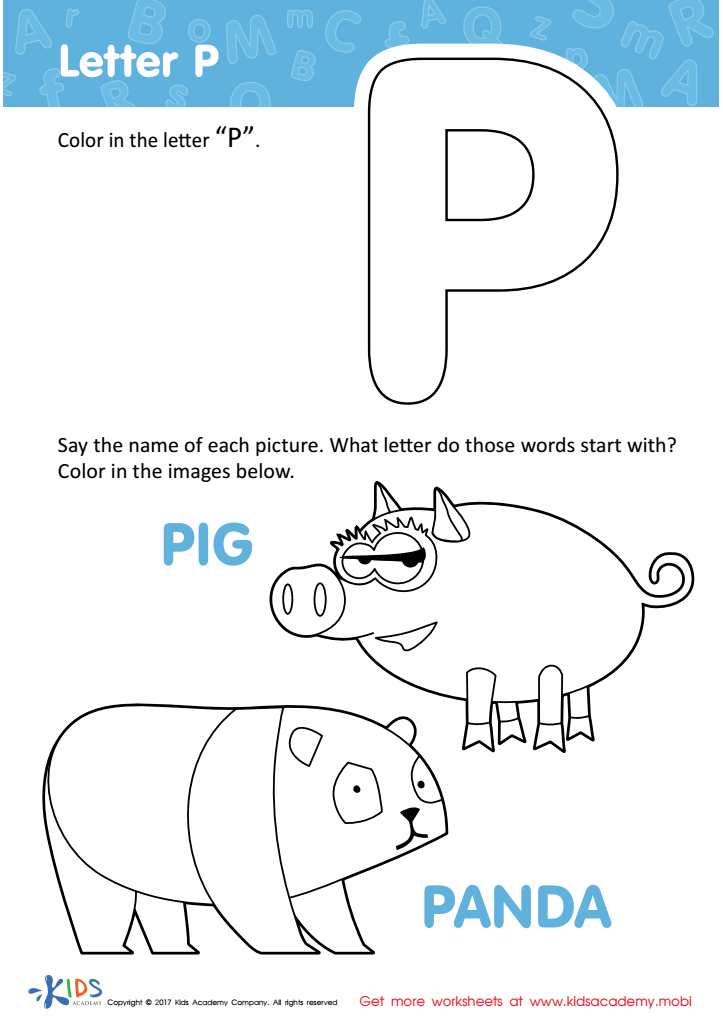
Letter P Coloring Sheet
Assign to My Students
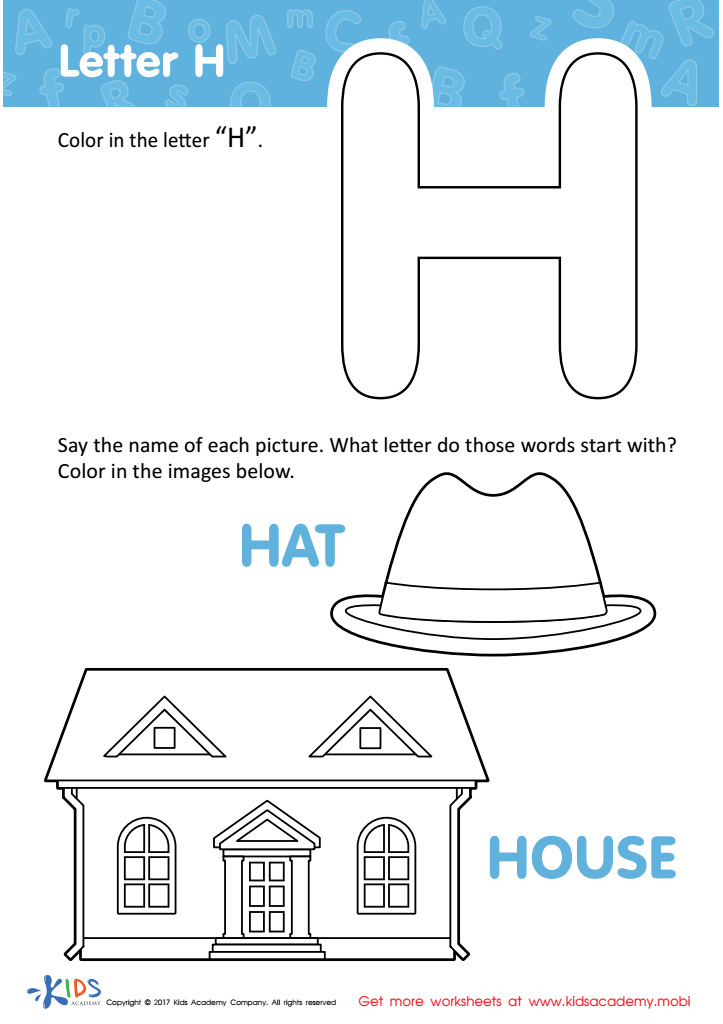
Letter H Coloring Sheet
Assign to My Students
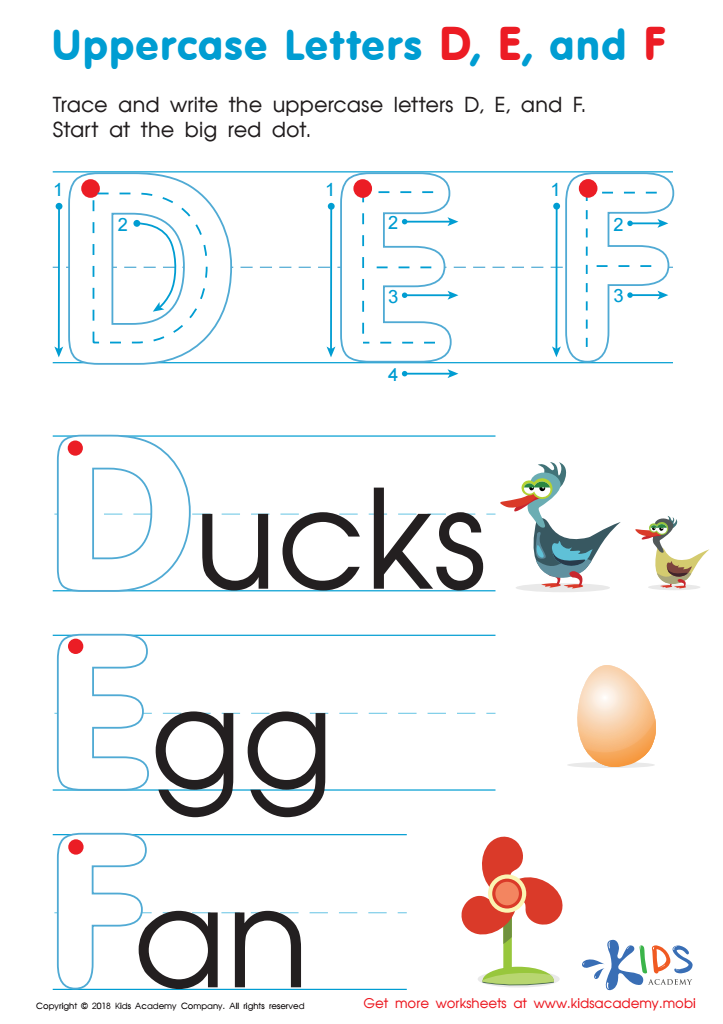
Uppercase Letters D, E, and F Worksheet








Letter tracing activities are essential for kindergarten readiness and literacy development. Engaging in letter tracing helps young learners establish fine motor skills, which are crucial for writing. When children practice tracing letters, they develop hand-eye coordination and control over writing instruments, setting a solid foundation for future handwriting skills.
Furthermore, letter tracing aids in letter recognition. As children trace each letter, they not only practice the physical act of writing but also reinforce their ability to recognize letters and understand their shapes. The repetitive nature of tracing helps solidify this knowledge, promoting vocabulary development and early reading skills.
Letter tracing can also foster a sense of accomplishment and boost confidence. As children successfully trace and create letters, they gain pride in their emerging literacy skills. This positive reinforcement encourages further exploration of writing and reading, making learning enjoyable.
Additionally, integrating tracing activities into the curriculum allows for artistic expression. Children can use various materials, colors, and textures, making learning interactive and engaging.
For parents and teachers, supporting letter tracing in preschool and kindergarten enriches students' educational experience, equipping them with critical skills for academic success while laying the groundwork for lifelong learning.