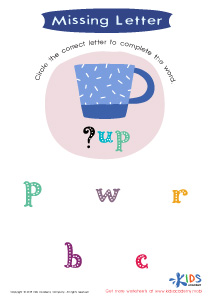
Reading Improvement Kindergarten Alphabet Worksheets
4 filtered results
-
From - To
Boost your child's reading skills with our Reading Improvement Kindergarten Alphabet Worksheets! Specifically designed for early learners, these worksheets offer engaging activities that foster letter recognition, phonemic awareness, and a love for reading. Each printable is filled with colorful illustrations and fun exercises to keep your kindergartner motivated and interested. From identifying letters and matching them to their sounds, to beginning to form simple words, these worksheets are a fantastic resource for laying a strong literacy foundation. Perfect for classroom use or additional practice at home, our alphabet worksheets make learning to read an exciting adventure.
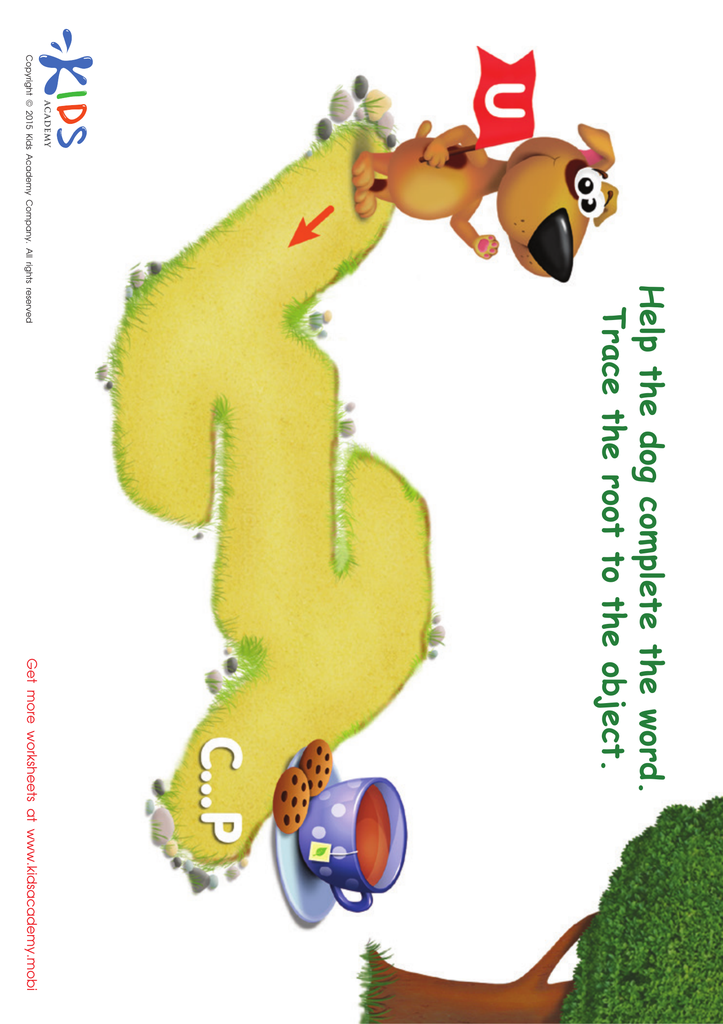
Short Vowel Sound U Worksheet Worksheet
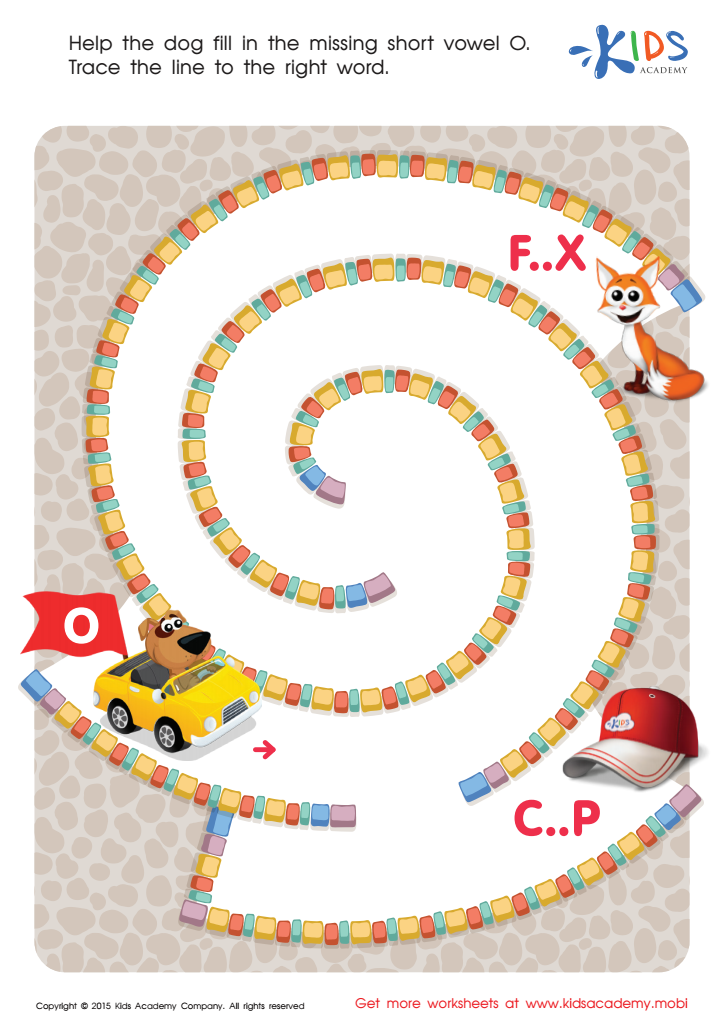
Short Vowel Sound O Worksheet
 Assign to My Students
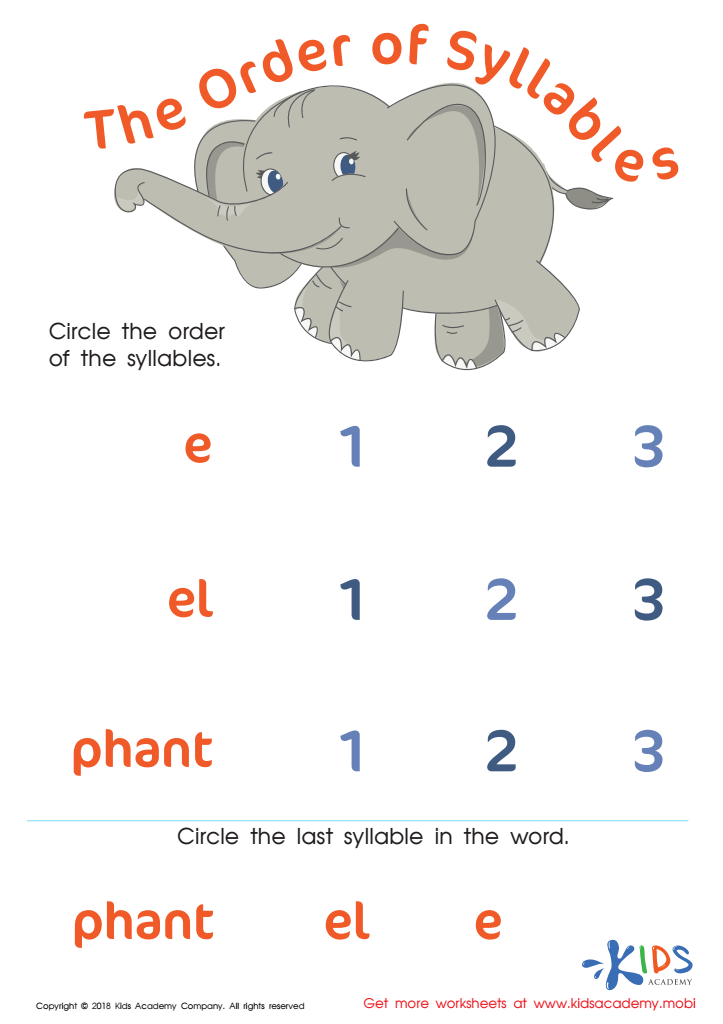
The Order of Syllables Worksheet
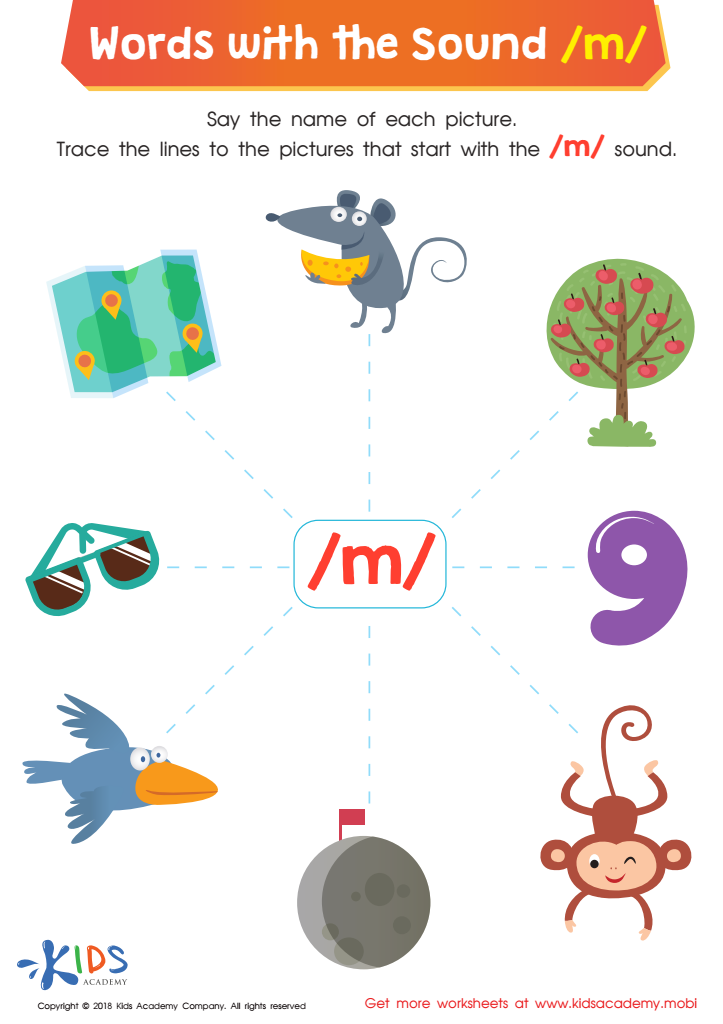
Words with Sound M Reading Worksheet








Parents and teachers should prioritize Reading Improvement Kindergarten Alphabet because it lays the essential foundation for a child's literacy journey. During early childhood, the brain is highly receptive to learning new information, and introducing the alphabet at this stage harnesses that developmental advantage. Mastery of the alphabet is critical as it directly impacts a child's ability to decode words, which is the first step towards fluent reading. This early literacy skill is crucial for academic success across all subjects — from understanding math problems to grasping science concepts.
Moreover, knowing the alphabet boosts a child's confidence and fosters a love for learning. It also aids in developing fine motor skills as children learn to write letters, reinforcing their understanding of letter shapes and sounds. Increased exposure to letters and their corresponding sounds enhances phonemic awareness, enabling children to manipulate sounds in words, an essential skill for spelling and word recognition.
Parents and teachers, partnering in emphasizing alphabet learning, also cultivate strong school-family relationships, reinforcing the support system around the child. Early and effective alphabet instruction not only prepares children for formal education but also instills a lifelong curiosity and enthusiasm for reading and learning. This holistic advantage makes the alphabet a pivotal focus in early childhood education.