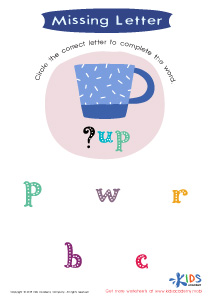
Letter recognition Kindergarten Phonics Worksheets
9 filtered results
-
From - To
Enhance your child's literacy journey with our Letter Recognition Kindergarten Phonics Worksheets! Designed for young learners, these engaging worksheets help kids identify and differentiate between letters, building a strong foundation in phonics. With fun activities that include tracing, matching, and coloring, your child will develop essential skills in a playful and interactive way. Each worksheet aligns with educational standards, ensuring a comprehensive learning experience. Ideal for classroom use or at-home practice, these phonics resources cater to various learning styles, making letter recognition both fun and effective. Start nurturing your child’s reading skills today with our thoughtfully crafted worksheets!
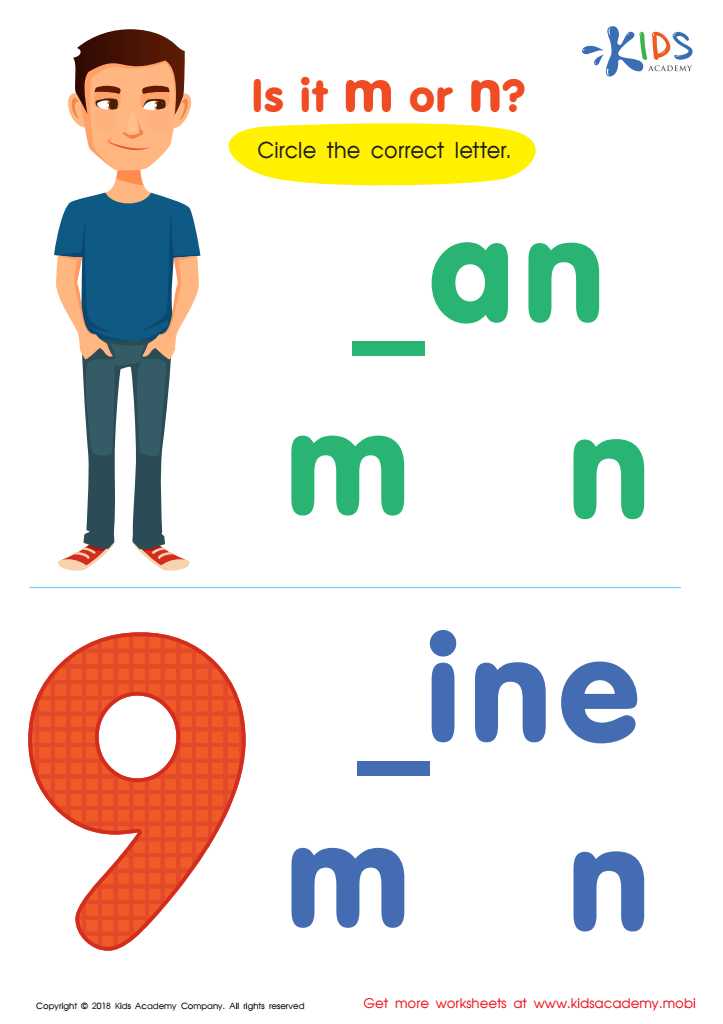
Is It m or n? Worksheet
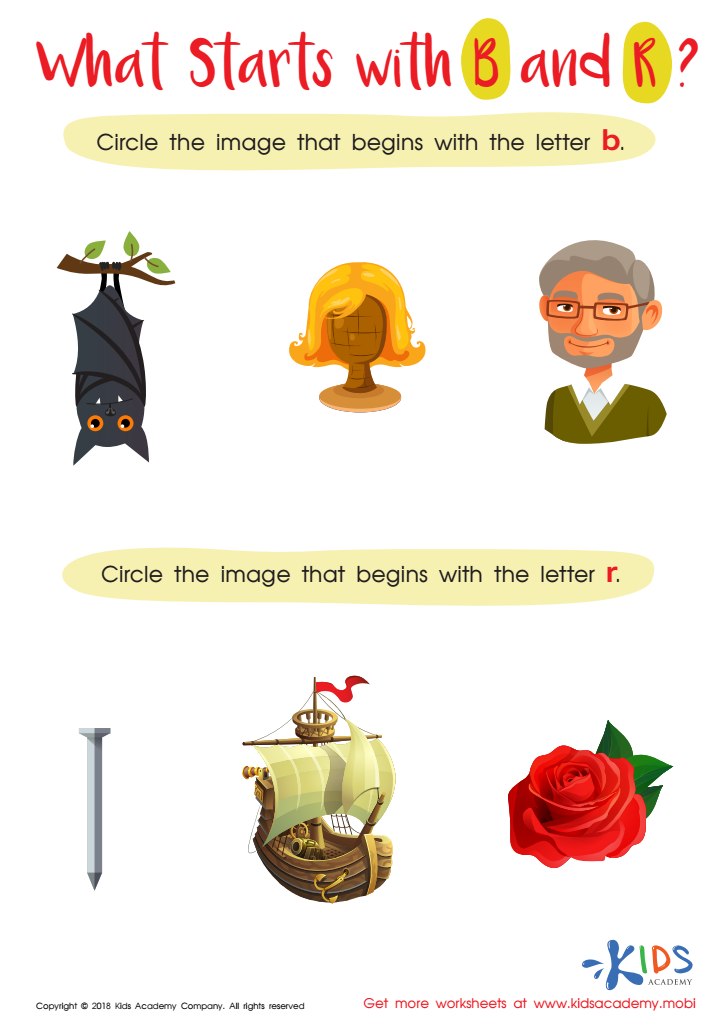
What Starts with B and R? Worksheet
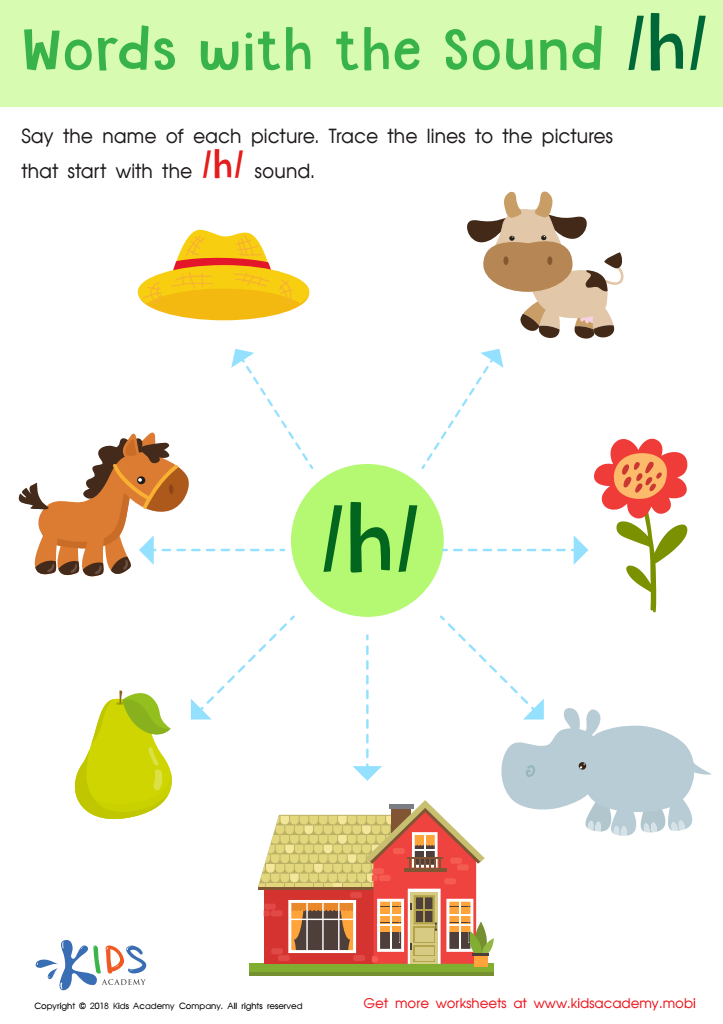
Words with sound h Reading Worksheet
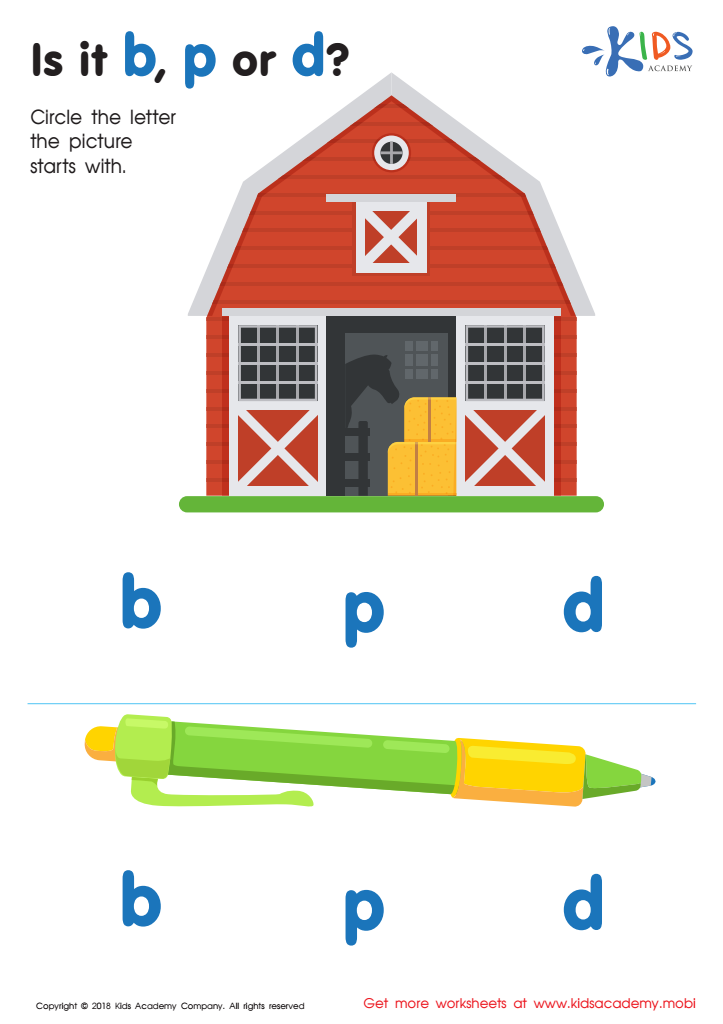
Is it b, p or d? Worksheet
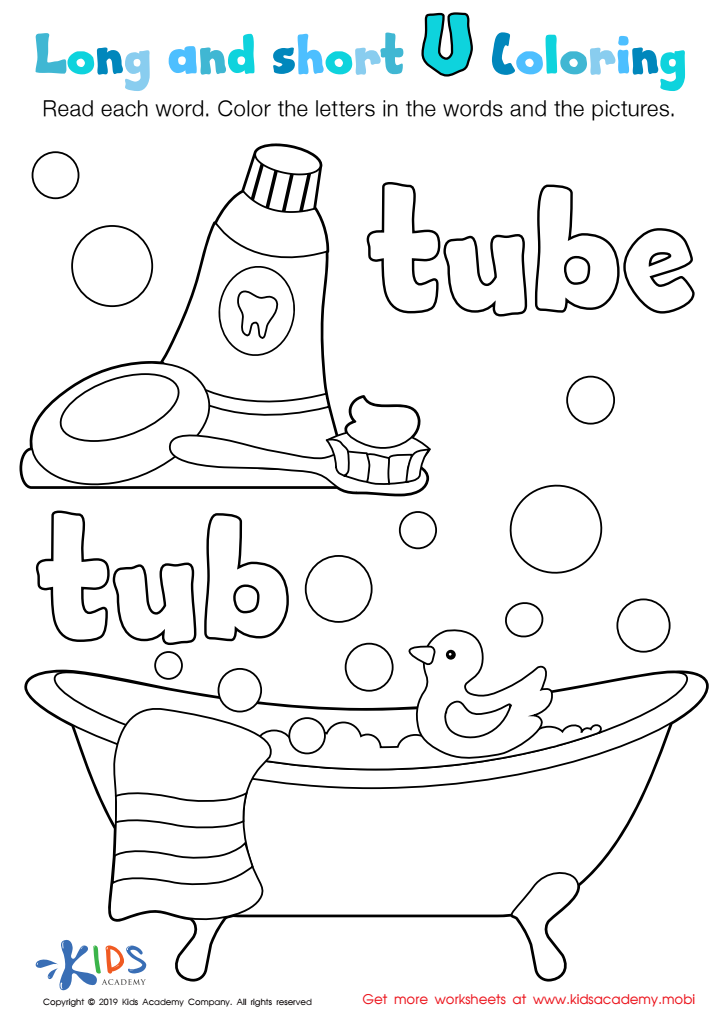
Long and Short U Worksheet
 Assign to My Students
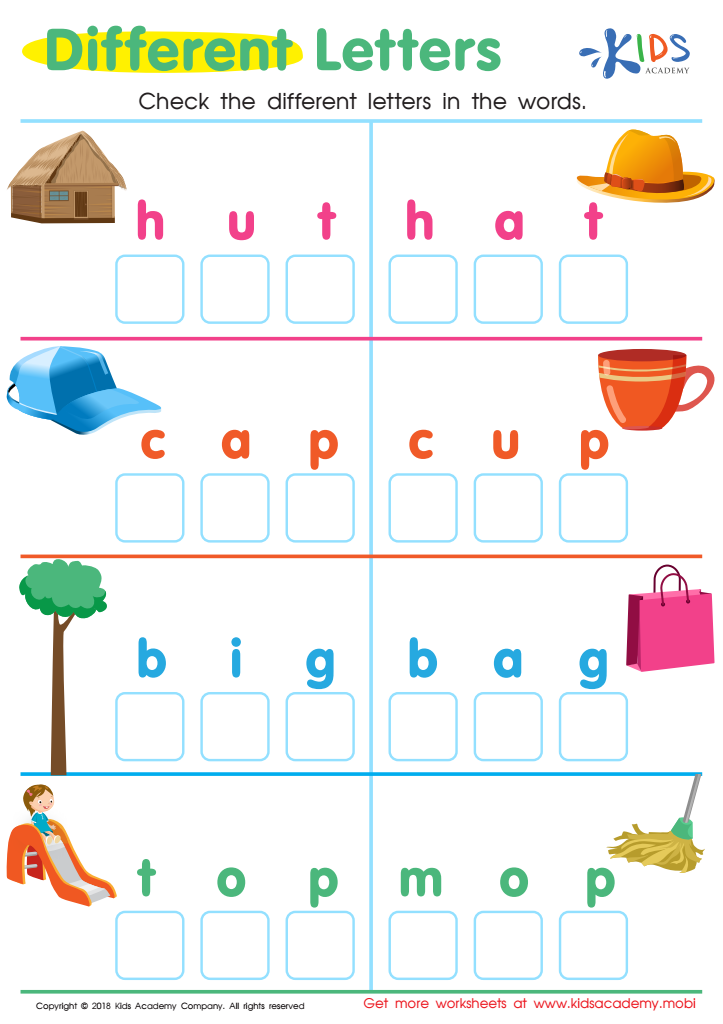
Different Letters Reading Worksheet
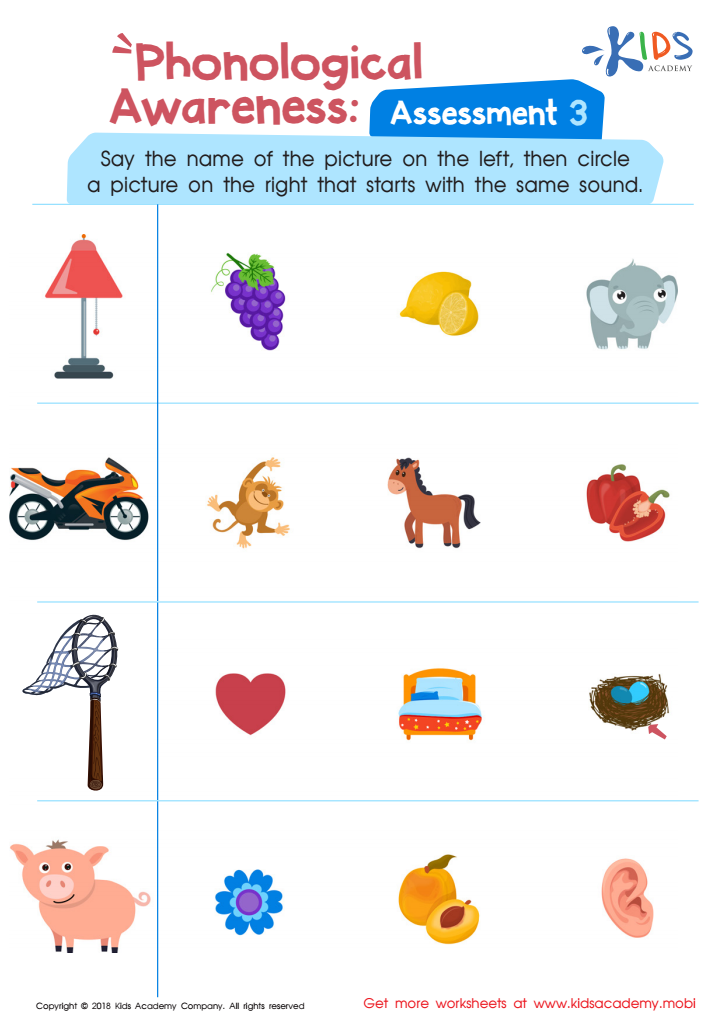
Phonological Awareness: Assessment 3 Worksheet
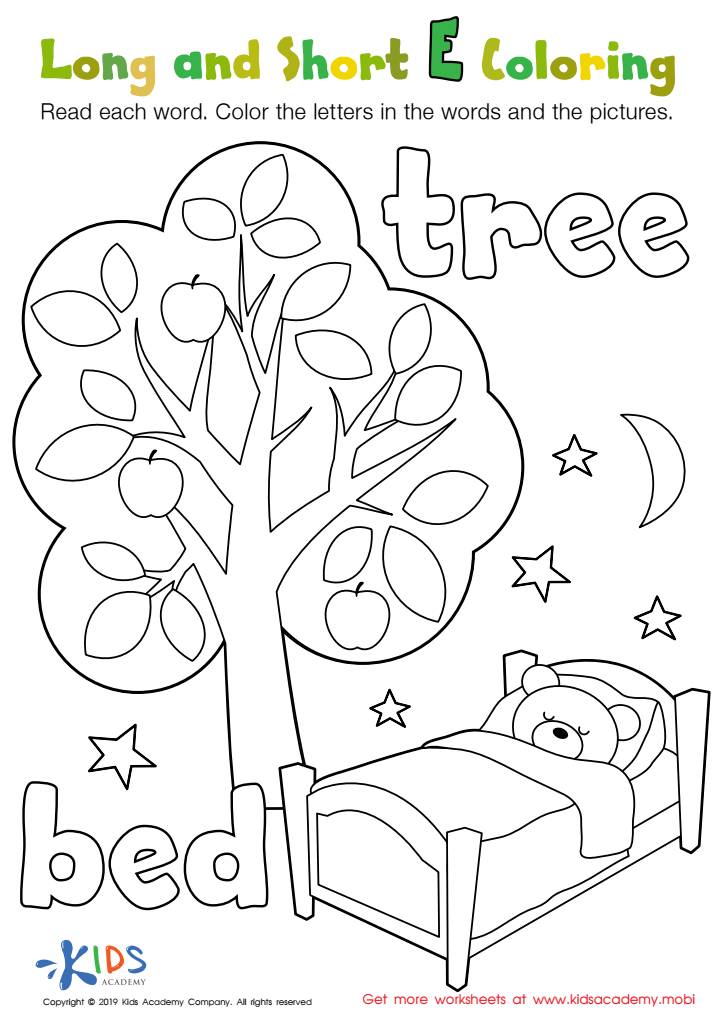
Long and Short E Worksheet
Assign to My Students
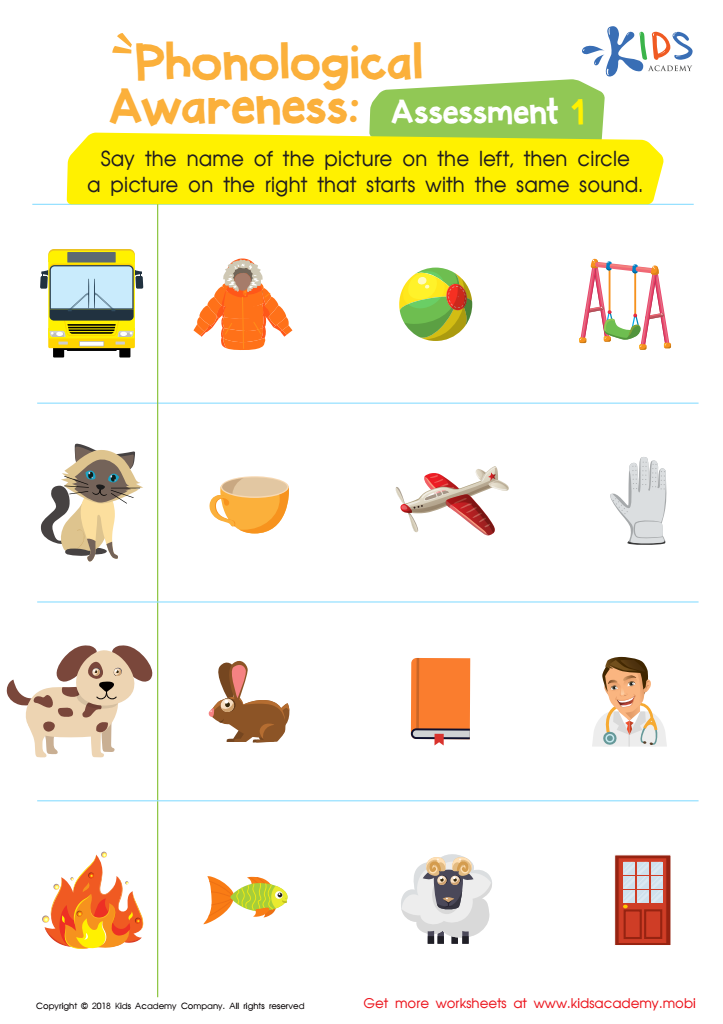
Phonological Awareness: Assessment 1 Worksheet






Letter recognition and phonics in kindergarten form the foundation for reading and writing skills essential for children's academic success. When parents and teachers prioritize these skills, they empower children to decode words, understand their meanings, and communicate effectively.
Letter recognition helps children identify and name letters, which is crucial for developing their ability to read and write. Mastering the alphabet provides the building blocks for phonics, where children learn to associate letters with the sounds they make. Phonics nurtures the ability to blend sounds to form words, enabling children to tackle new vocabulary independently.
Early exposure to letter recognition and phonics not only fosters literacy but also boosts children's confidence and enthusiasm for reading. When children can read at an early age, they are more likely to pursue reading activities, which can enhance their comprehension and analytical skills.
Moreover, early literacy skills positively benefit overall development, including social and emotional well-being. Children who engage with books and stories often develop better language skills and empathy. Consequently, parents and teachers who collaborate in supporting letter recognition and phonics are investing in lifelong learning and opening doors for meaningful communication in their children's future.