Fine Motor Skills Kindergarten Tracing Letters Worksheets - Page 2
34 filtered results
-
From - To

Letter N Tracing Page
 Assign to My Students
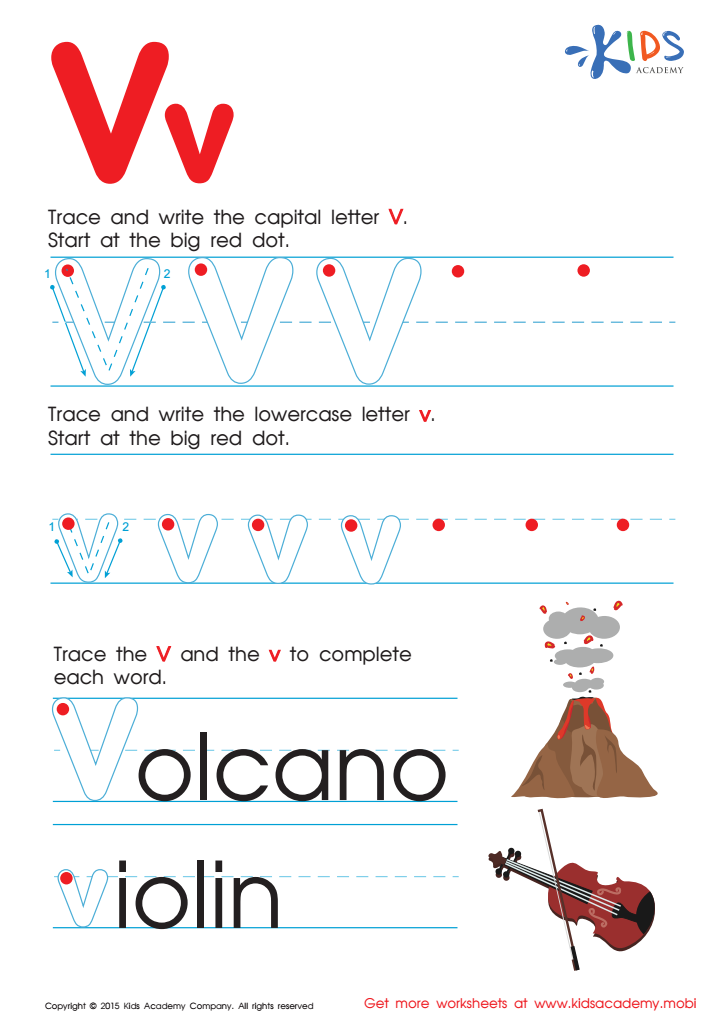
Letter V Tracing Page
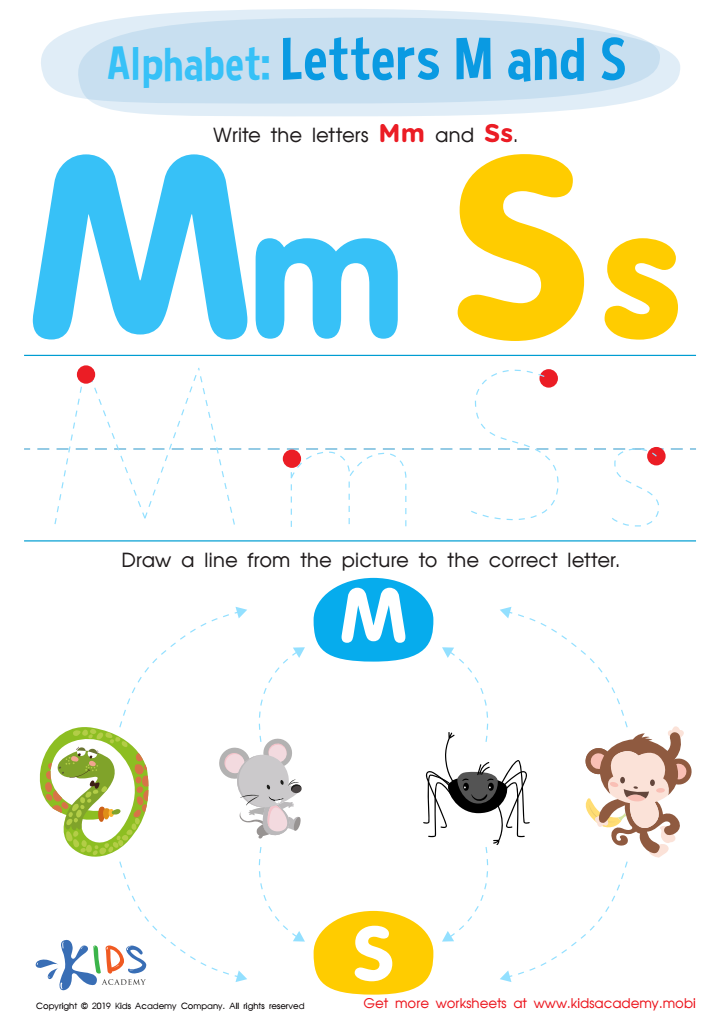
Letters M and S Tracing Worksheet
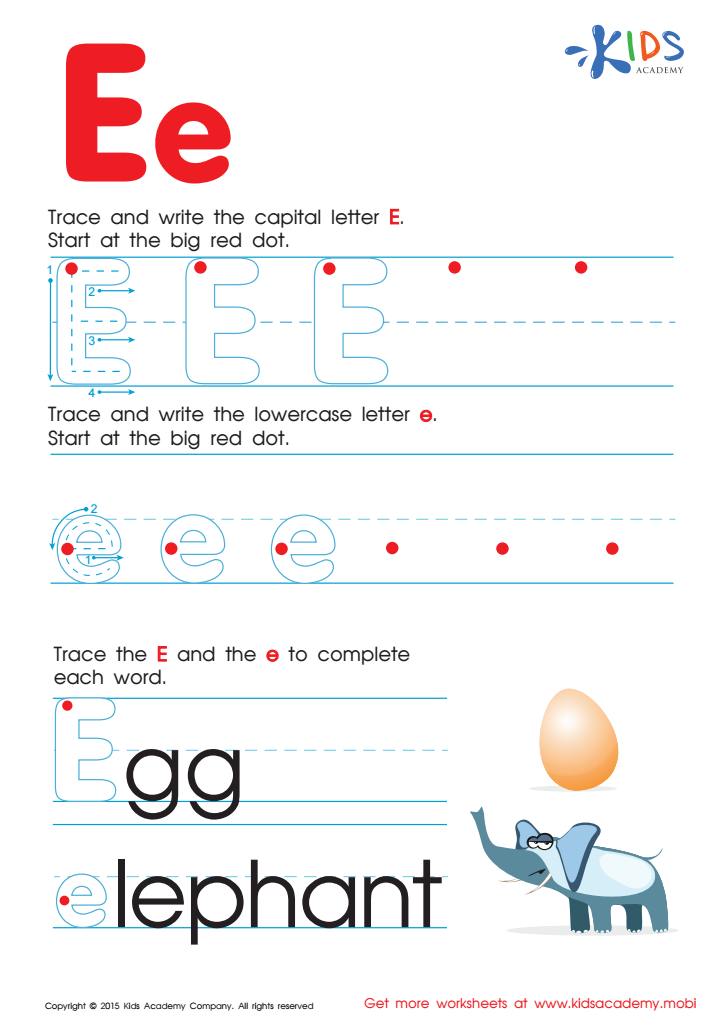
Letter E Tracing Page

Letter A Tracing Worksheet
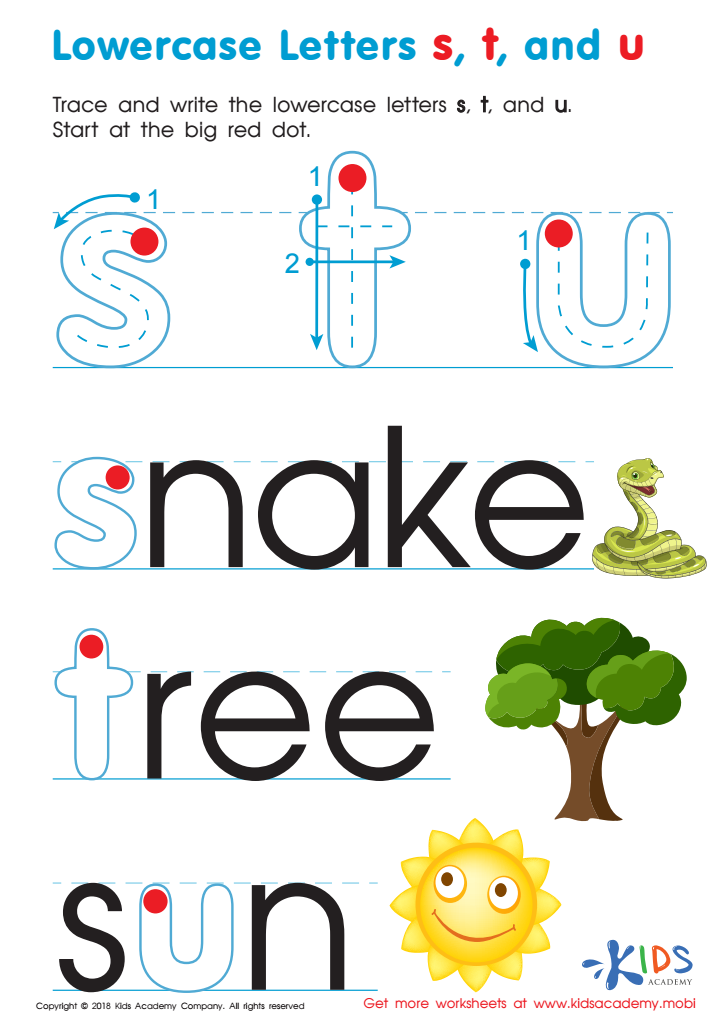
Lowercase Letters s t u Worksheet
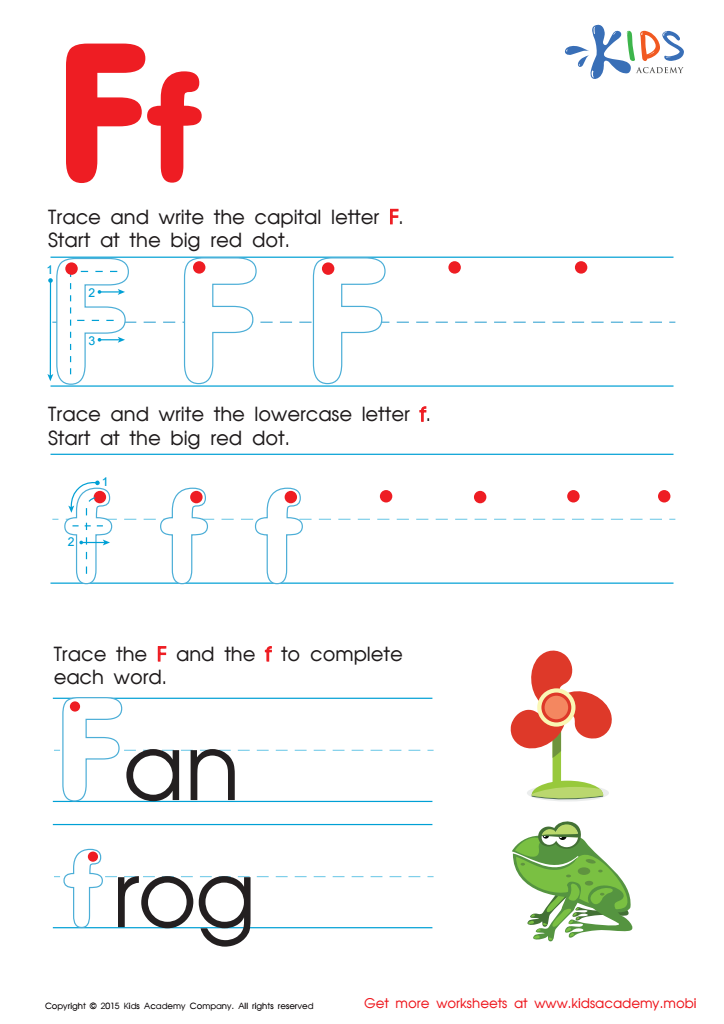
Letter F Tracing Page
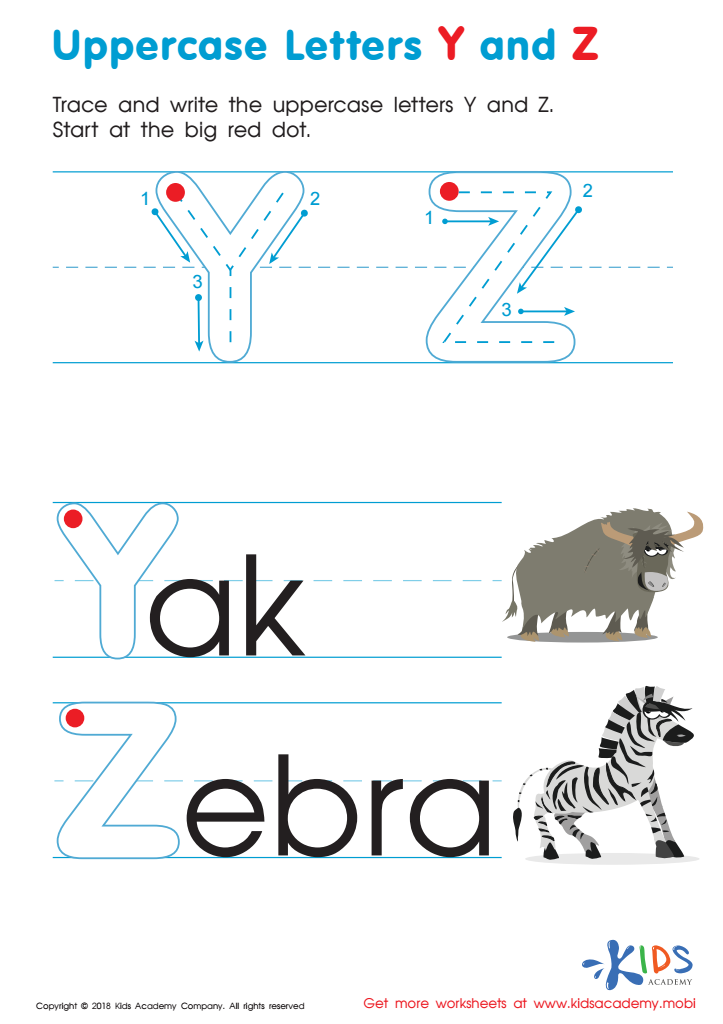
Uppercase Letters Y Z Worksheet
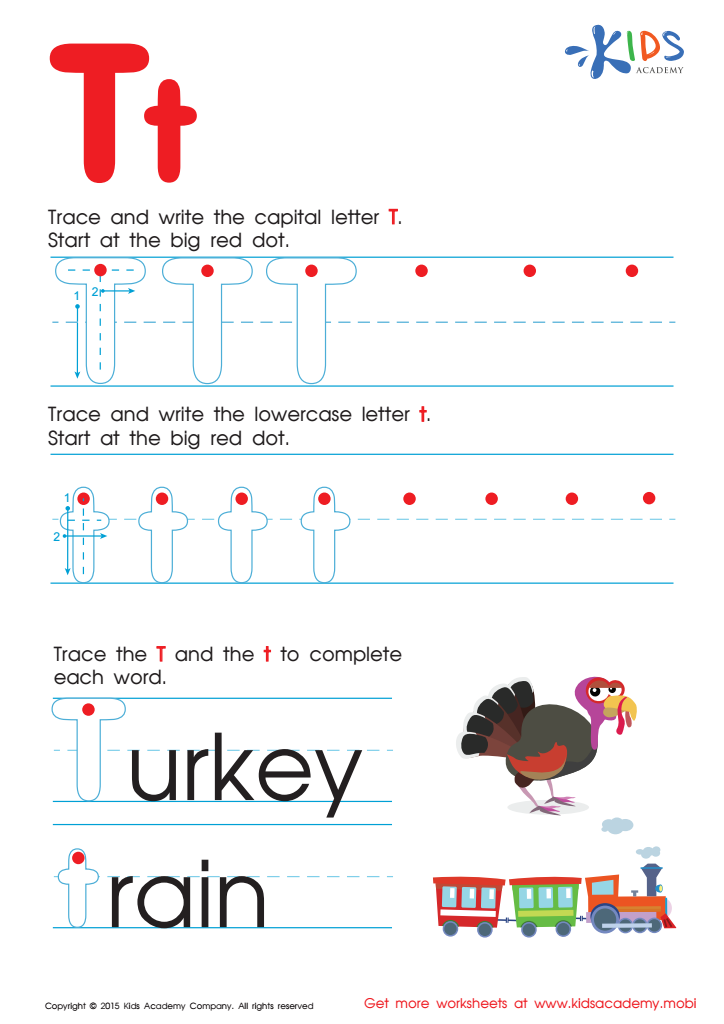
Letter T Tracing Page

Letter D Tracing Page





Fine motor skills are crucial for young children's overall development, particularly for kindergarteners who are just beginning to navigate the world of writing and other hands-on activities. When parents and teachers prioritize activities like tracing letters, they foster these essential skills, which directly impact a child's ability to hold a pencil, manipulate scissors, and perform other tasks that require hand-eye coordination.
Tracing letters helps children develop the necessary muscle memory needed for writing, allowing them to create letters more accurately and confidently as they progress. Additionally, these activities promote cognitive development; as children recognize shapes and patterns, they strengthen their understanding of language and literacy.
Furthermore, tracing letters encourages focus and concentration. Children engaged in such tasks learn to follow directions and improve their patience and persistence, valuable skills that extend beyond the classroom. By reinforcing fine motor skills at this stage, parents and teachers lay a solid foundation for more complex tasks in the future, contributing to a child's academic success. Overall, investing time in fine motor skill development through activities like tracing letters ensures children are well-prepared for both academic challenges and everyday life skills.