Critical Thinking Kindergarten Addition & Subtraction Worksheets
5 filtered results
-
From - To
Enhance your kindergartener's math skills with our engaging Critical Thinking Addition & Subtraction Worksheets! Designed specifically for early learners, these worksheets encourage young minds to apply critical thinking as they practice fundamental addition and subtraction concepts. Each activity promotes problem-solving and reasoning, helping children to form connections between numbers and develop a deeper understanding of math. Our fun and interactive worksheets cater to diverse learning styles, ensuring that every child can build confidence in their arithmetic abilities. Perfect for classroom or home use, these resources provide an invaluable foundation in math while fostering a love for learning. Access our critical thinking worksheets today!
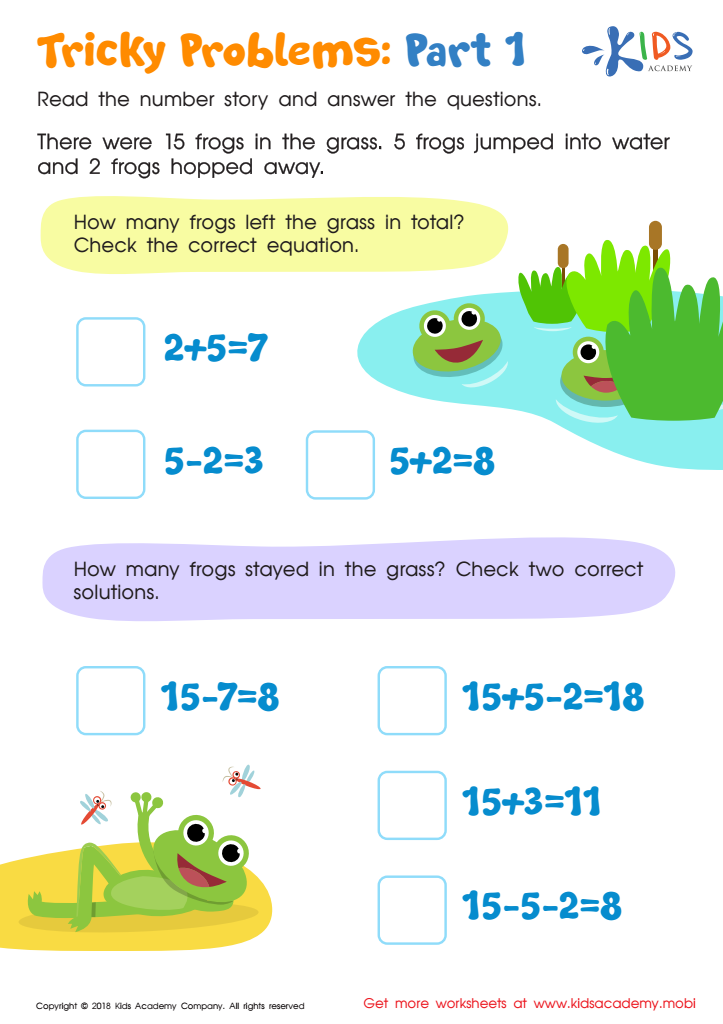
Tricky Problems Worksheet: Part 1
 Assign to My Students
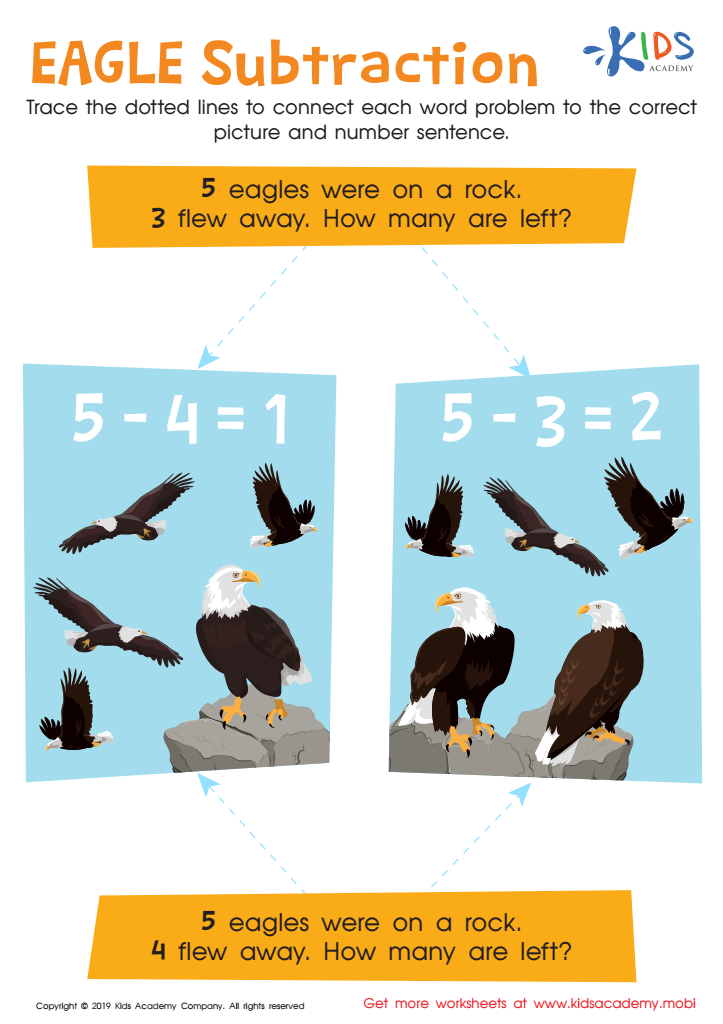
Eagle Subtraction Worksheet
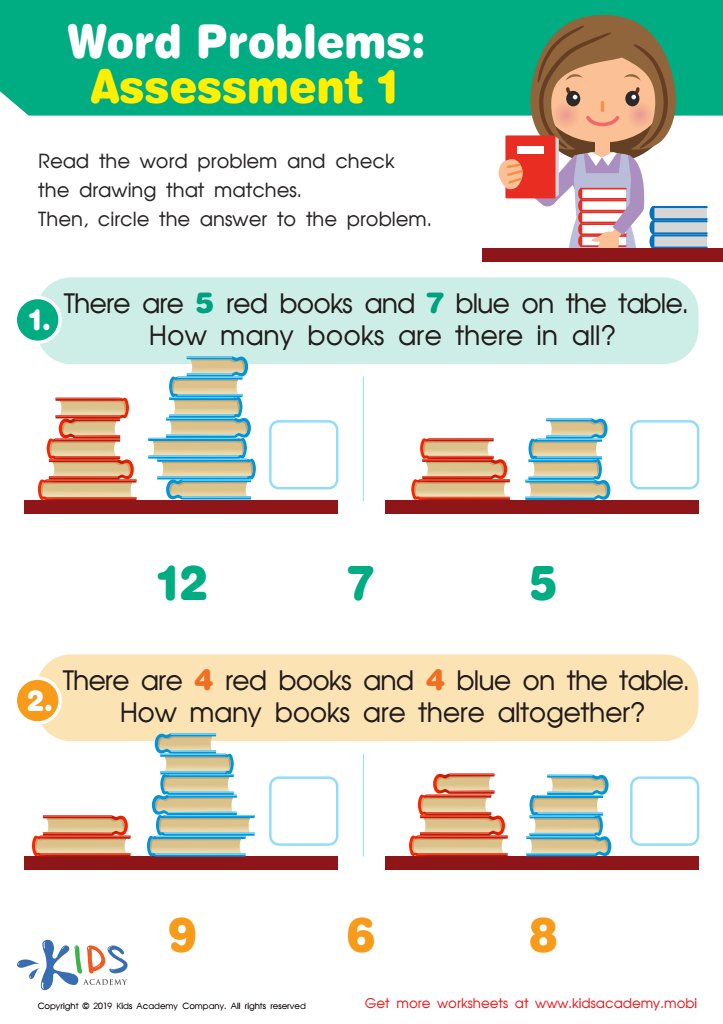
Word Problems: Assessment 1 Worksheet
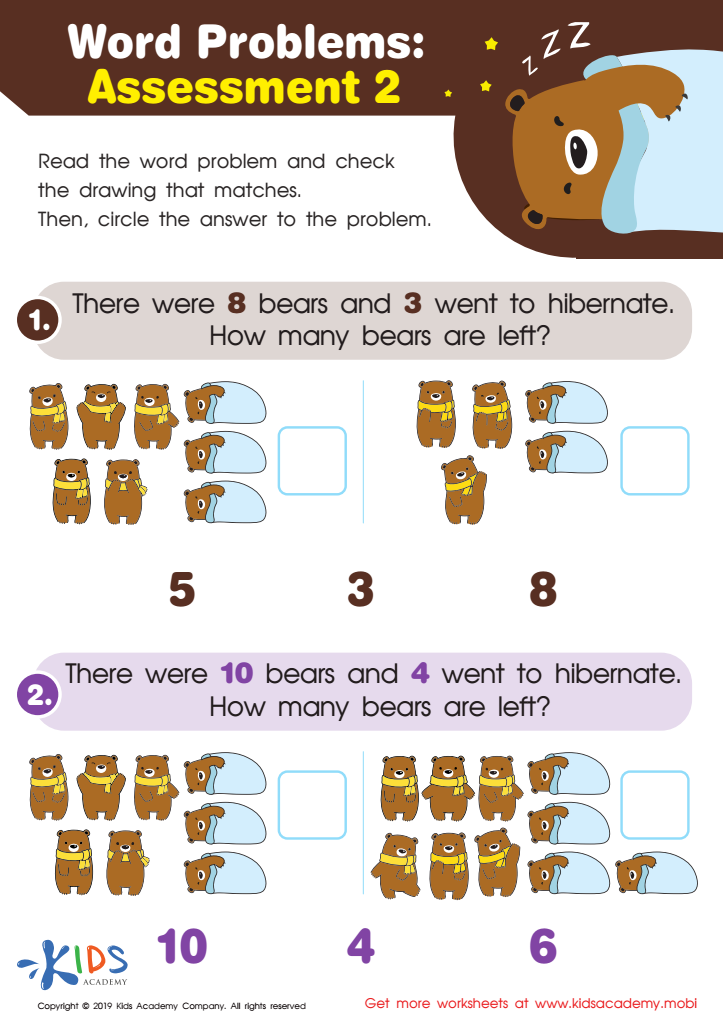
Word Problems: Assessment 2 Worksheet
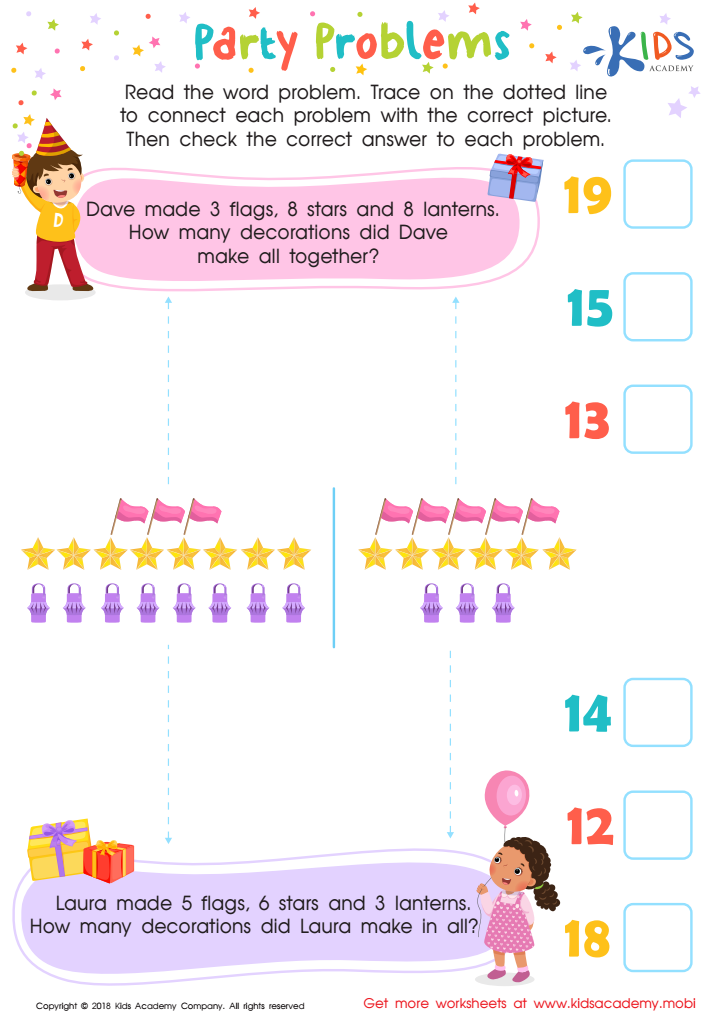
Party Problems Worksheet








Critical thinking in kindergarten, especially in addition and subtraction, is essential for developing foundational math skills and fostering a child's overall cognitive growth. When parents and teachers encourage critical thinking through these mathematical concepts, they help children understand more than just rote memorization.
Incorporating critical thinking allows children to explore various problem-solving methods, understand the 'why' behind mathematics, and develop strategies to tackle challenges. This enhances their ability to reason, analyze, and make connections—skills that are vital not only in math but in all areas of life. As young learners engage in addition and subtraction through hands-on activities, games, and real-world scenarios, they learn to apply these concepts meaningfully.
Furthermore, fostering critical thinking enhances a child's confidence and independence. Children who can think critically about math problems are better equipped to approach tasks methodically and creatively, making them more resilient learners.
By investing in critical thinking from an early age, parents and teachers lay the groundwork for lifelong learning and a deeper appreciation of mathematics. Engaging children in meaningful mathematical discussions prepares them not just academically but also equips them with important life skills, making it crucial for adults involved in their education to prioritize this approach.








