Basic Math Skills Kindergarten Geometry Worksheets
4 filtered results
-
From - To
Unlock your child's potential with our Basic Math Skills Kindergarten Geometry Worksheets! These engaging printable resources are designed to introduce young learners to essential geometry concepts in a fun and interactive way. Our worksheets encompass a variety of activities that help children recognize shapes, understand spatial relationships, and develop measuring skills. Perfect for classroom use or at-home learning, our resources encourage hands-on practice and reinforce key geometric principles. Discover how our worksheets promote foundational math skills that will benefit your child's education while keeping them entertained. Help your little ones build confidence in geometry today with our comprehensive and colorful worksheets!
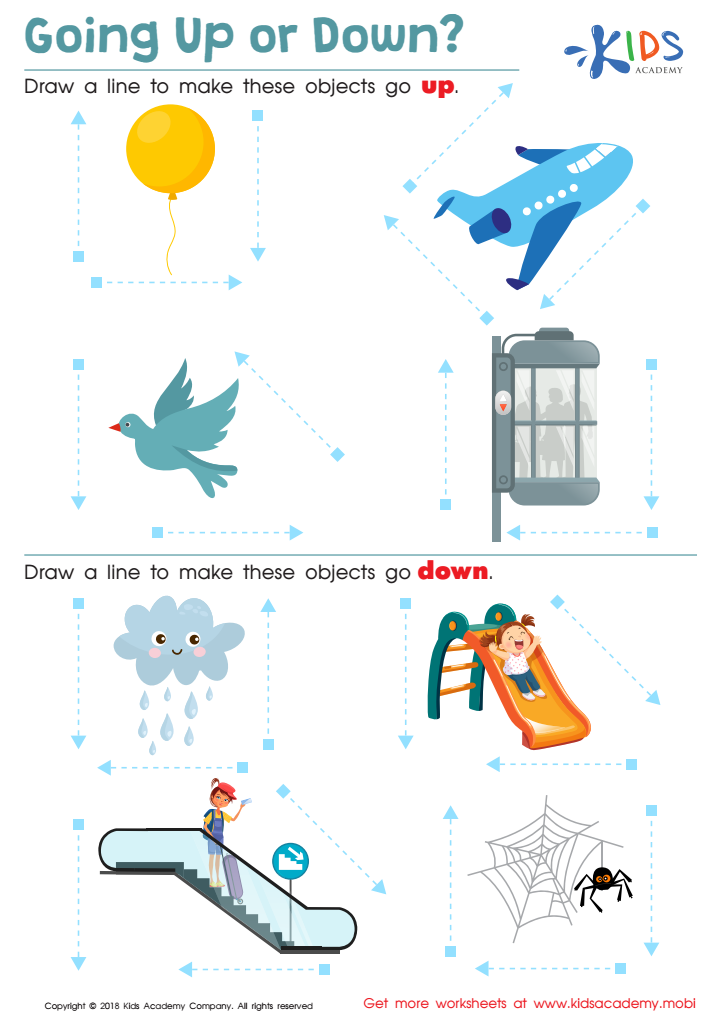
Going up or Down? Worksheet
 Assign to My Students





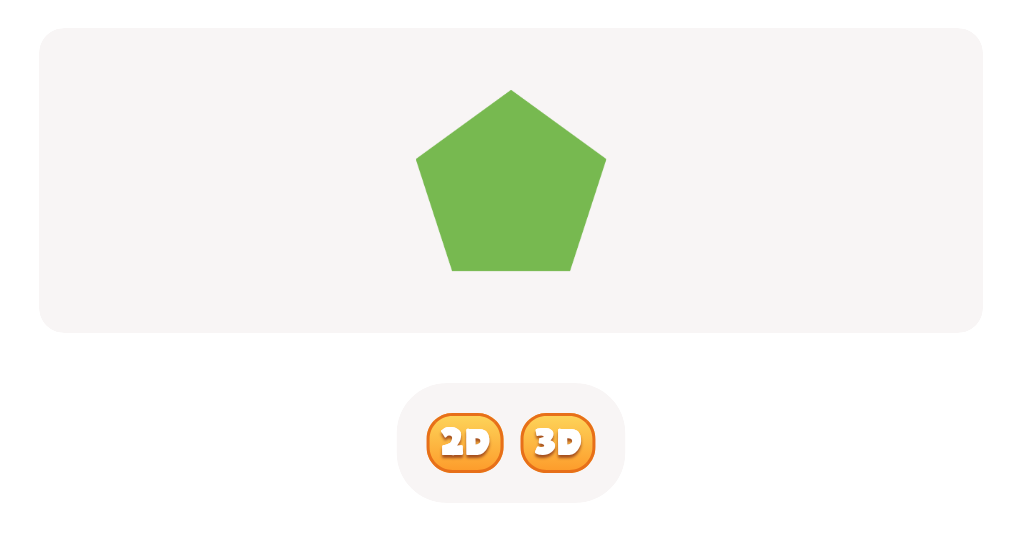

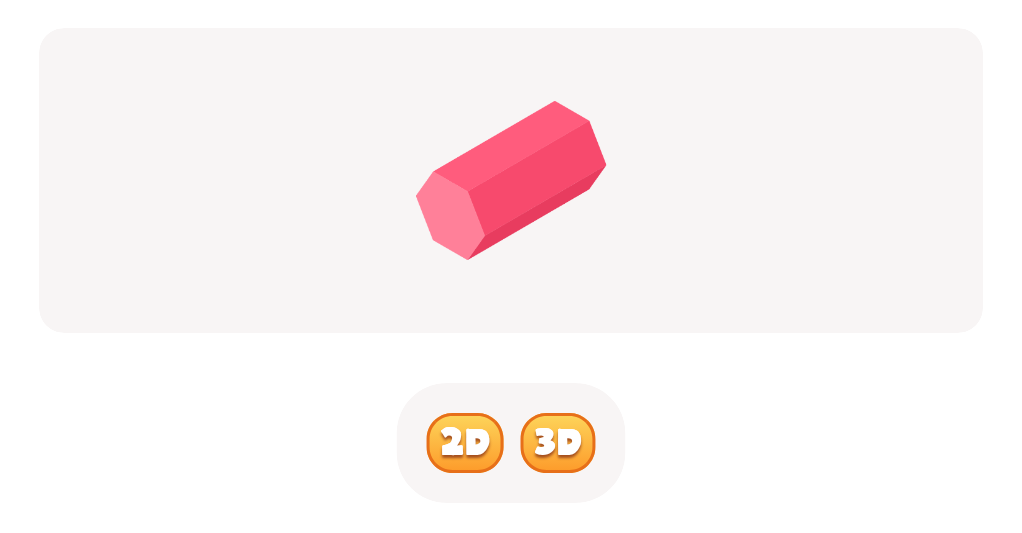
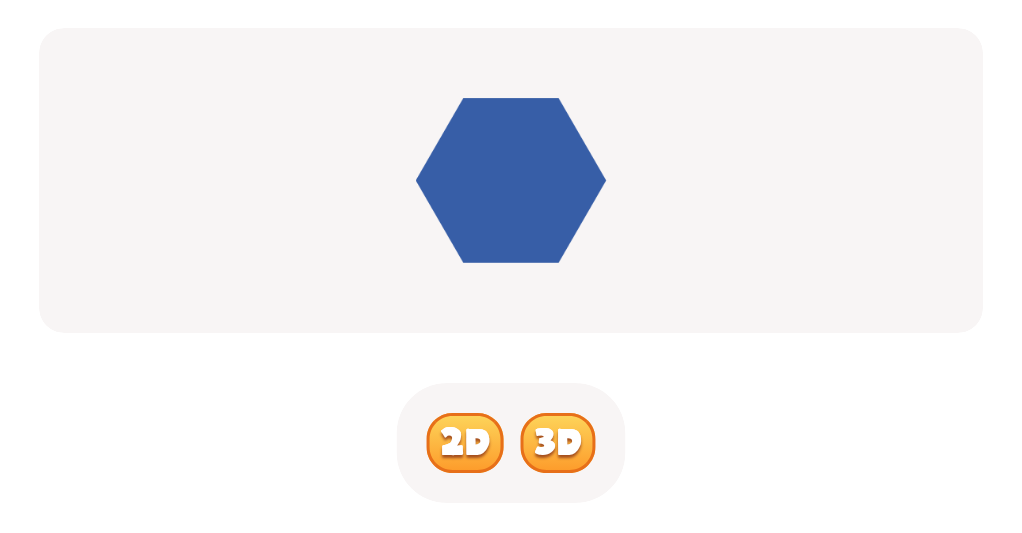

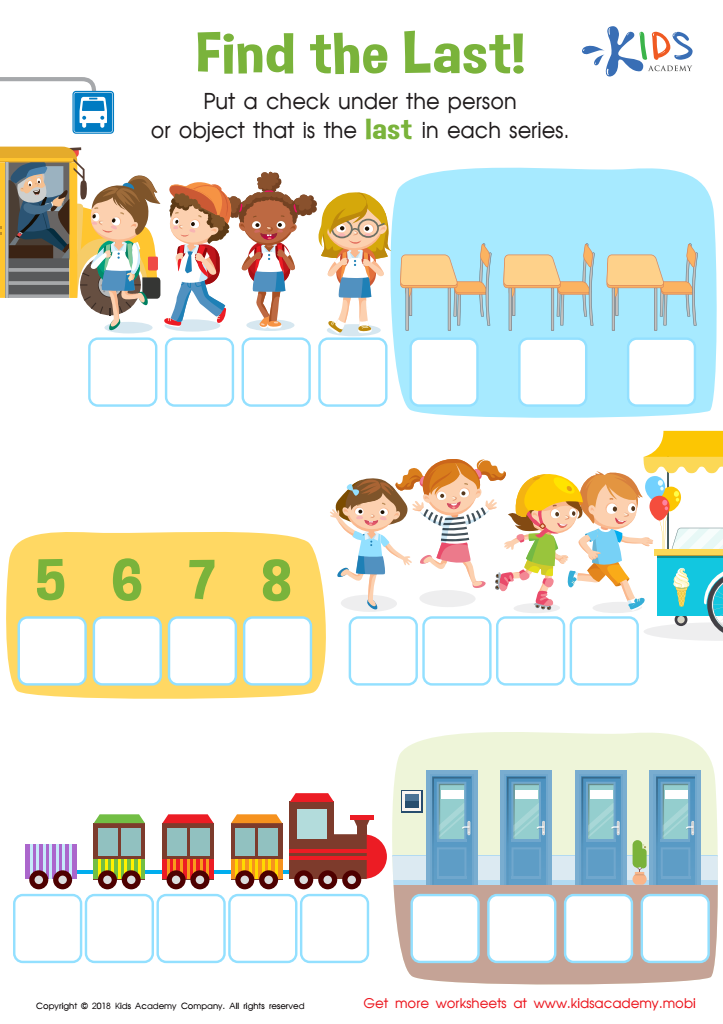
Find the Last! Worksheet
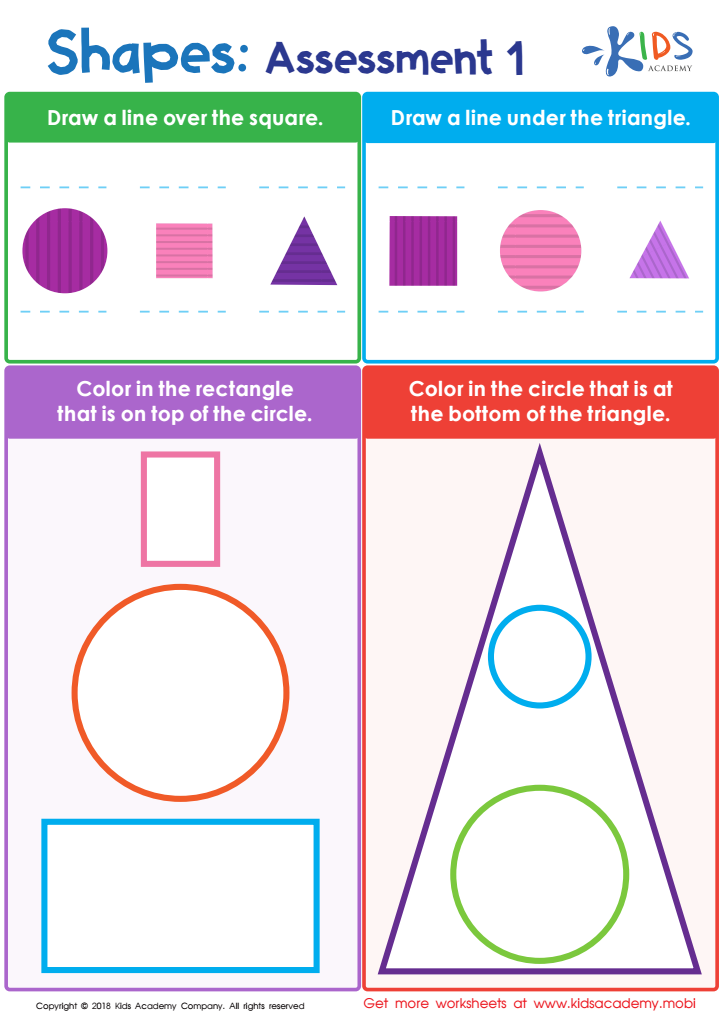
Shapes: Assessment 1 Worksheet
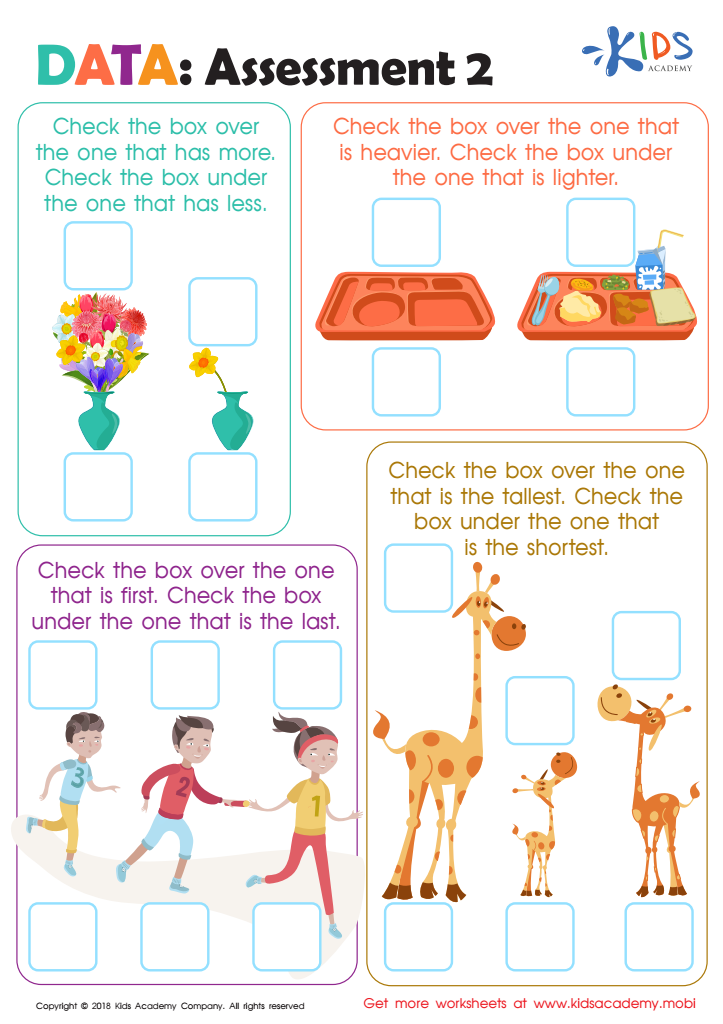
Data: Assessment 2 Worksheet








Parents and teachers should prioritize basic math skills, particularly geometry, in kindergarten due to its fundamental role in a child's early cognitive development. Geometry introduces young learners to shapes, spatial reasoning, and patterns, forming a solid foundation for more complex mathematical concepts in later grades. Recognizing and manipulating shapes enhances fine motor skills and fosters critical thinking.
Furthermore, geometry aids in developing analytical skills that are essential not just in math, but across various subjects. Understanding geometric concepts helps children make sense of the world around them, improving their ability to visualize objects and comprehend their relationships.
Exposure to geometry in kindergarten can also boost children's self-confidence and problem-solving abilities. When children can identify and categorize shapes or understand concepts like symmetry and congruence, they gain a sense of accomplishment that encourages a positive attitude toward learning.
Moreover, embedding geometry into everyday activities, such as sorting toys by shape or playing with building blocks, helps children connect mathematical concepts to real-life experiences. This experiential learning reinforces their understanding and retention of these skills, which are crucial for later academic success. Overall, emphasizing basic geometry skills fosters a love for math and encourages lifelong learning.








