Matching skills Kindergarten Geometry Worksheets
3 filtered results
-
From - To
Enhance your kindergartner's geometry skills with our engaging Matching Skills Kindergarten Geometry Worksheets. Designed to develop foundational geometric understanding, these worksheets blend fun and education seamlessly. Kids will learn to recognize, match, and differentiate various shapes while honing their critical thinking and problem-solving abilities. Each activity is thoughtfully crafted to align with early learning standards, ensuring a strong start in geometry. Ideal for both classroom use and at-home practice, our printable worksheets make learning shapes enjoyable. Equip your child with essential geometry skills through interactive exercises, setting them on a path to academic success. Explore now and watch their confidence grow!
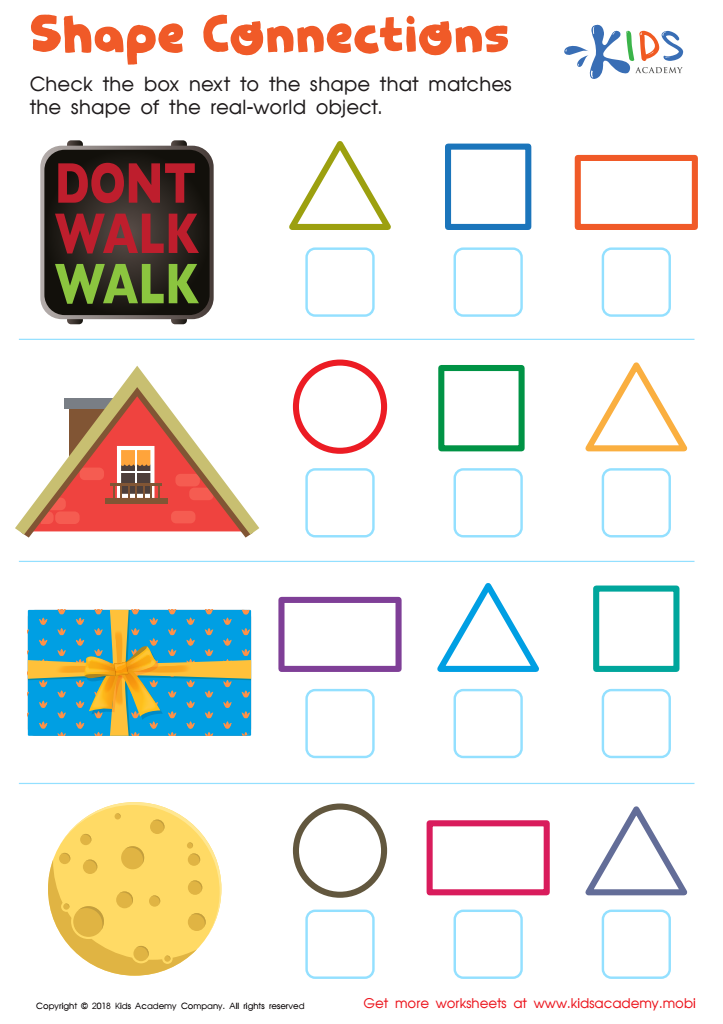
Shape Connections Worksheet
 Assign to My Students





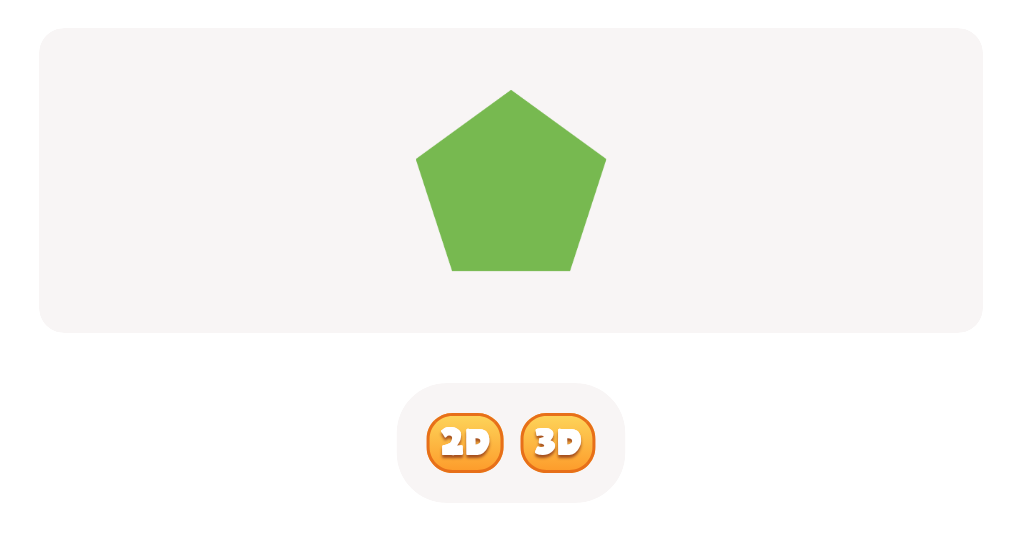

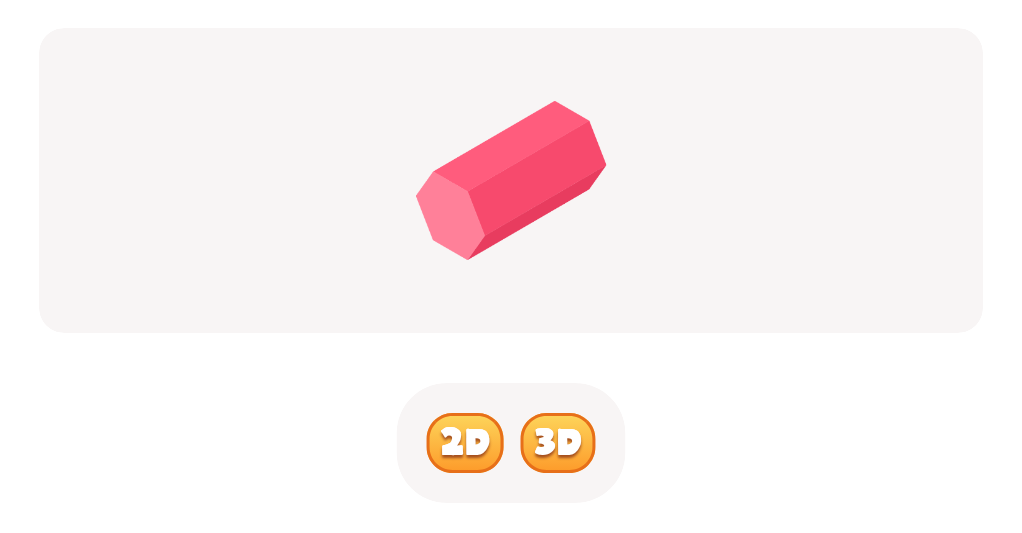
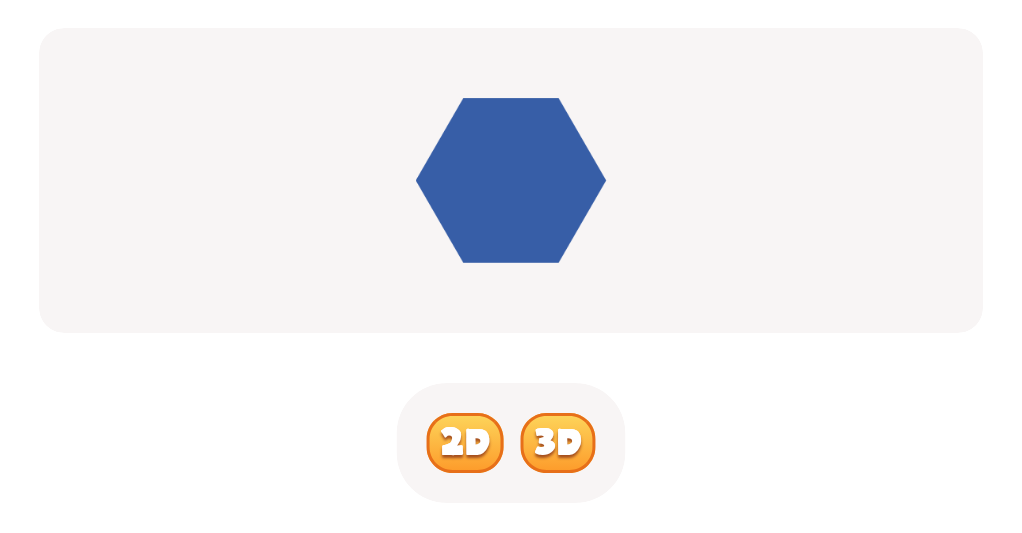

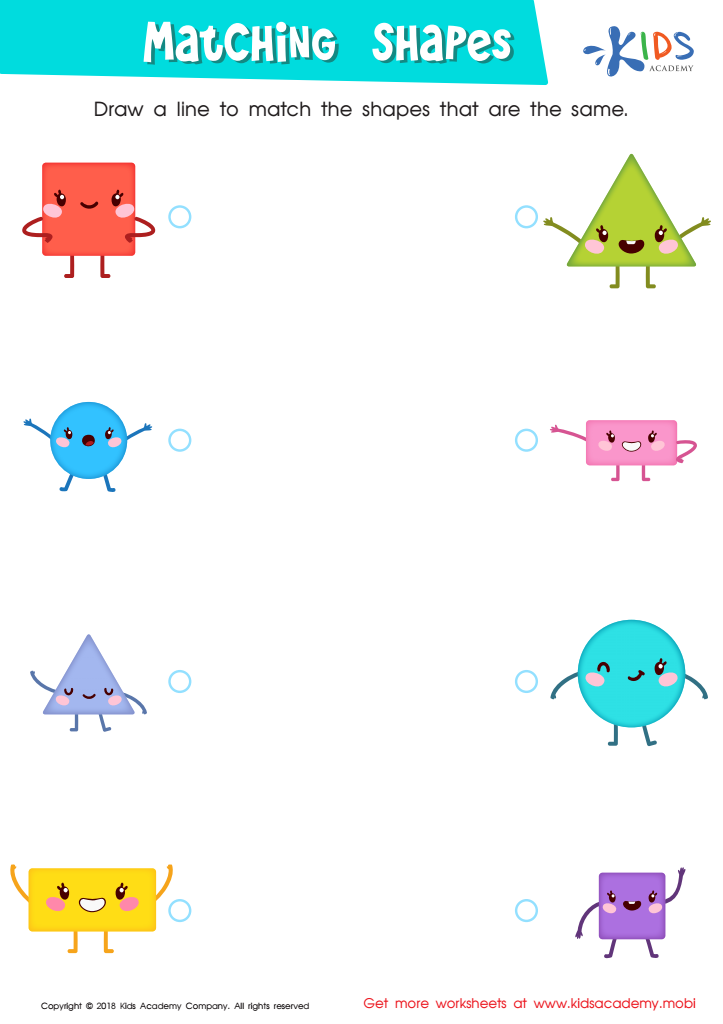
Matching Shapes Worksheet
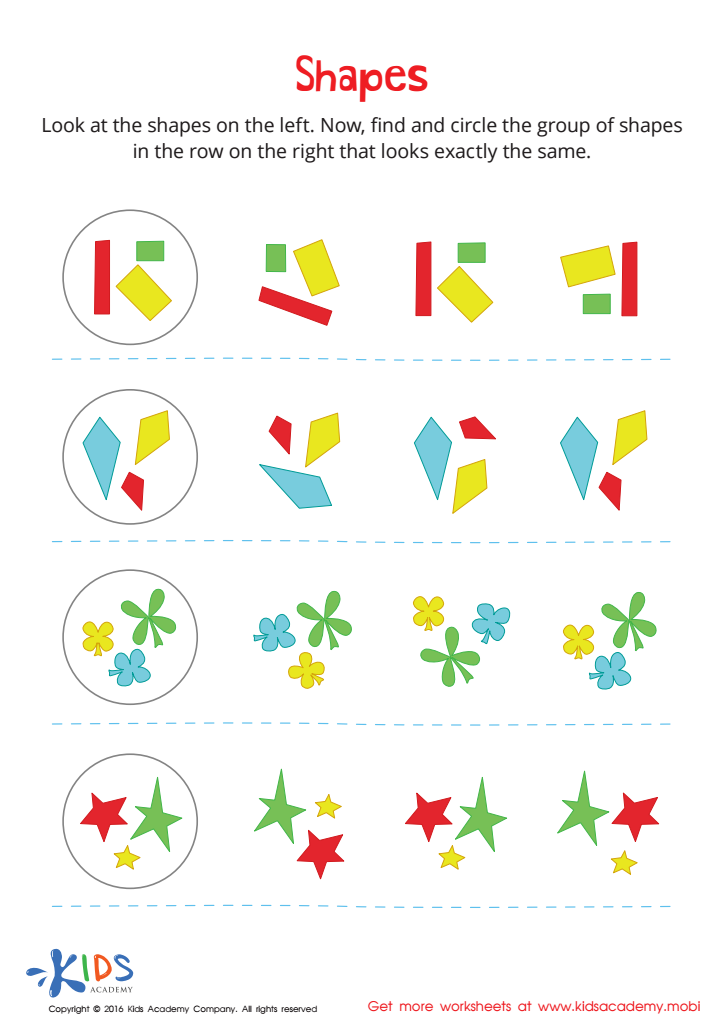
Shapes Worksheet








Matching skills in Kindergarten Geometry are essential because they lay the foundation for logical thinking and spatial awareness, which are critical in many areas of learning. When children engage in matching activities, they are not just recognizing shapes; they are also developing important cognitive skills such as pattern recognition, comparison, and classification. These skills are fundamental to problem-solving and mathematical reasoning, providing a crucial building block for more advanced concepts in mathematics and science.
Furthermore, matching skills help to enhance a child's visual and fine motor coordination. As children match shapes, they are required to observe details, manipulate objects, and understand relationships between different forms. This strengthens their hand-eye coordination, which is vital for writing and other daily tasks.
Moreover, engaging in matching activities promotes concentration and attention to detail. These exercises encourage children to focus and persevere, fostering patience and diligence. Teachers and parents will see that children who practice matching skills often experience improved memory retention and better multitasking capabilities.
Lastly, matching games and activities can be a fun and social way to learn, encouraging collaboration and boosting self-esteem as children successfully complete tasks. Early development of these skills ensures children are better prepared for academic challenges ahead, making it a priority for both parents and teachers to support this aspect of their education.








