Spatial awareness Kindergarten Geometry Worksheets
4 filtered results
-
From - To
Enhance your child's spatial skills with our engaging Kindergarten Geometry Worksheets focused on spatial awareness. Our carefully designed activities help young learners grasp the concepts of shapes, sizes, positions, and directions while fostering critical thinking and problem-solving. These printable worksheets are perfect for hands-on learning and are tailored to align with kindergarten geometry standards. Children will enjoy interactive tasks such as identifying, comparing, and arranging shapes in various orientations. Ideal for both classroom and at-home practice, these resources provide a fun and effective way to build a strong foundation in geometry. Download now and watch your child’s spatial awareness soar!
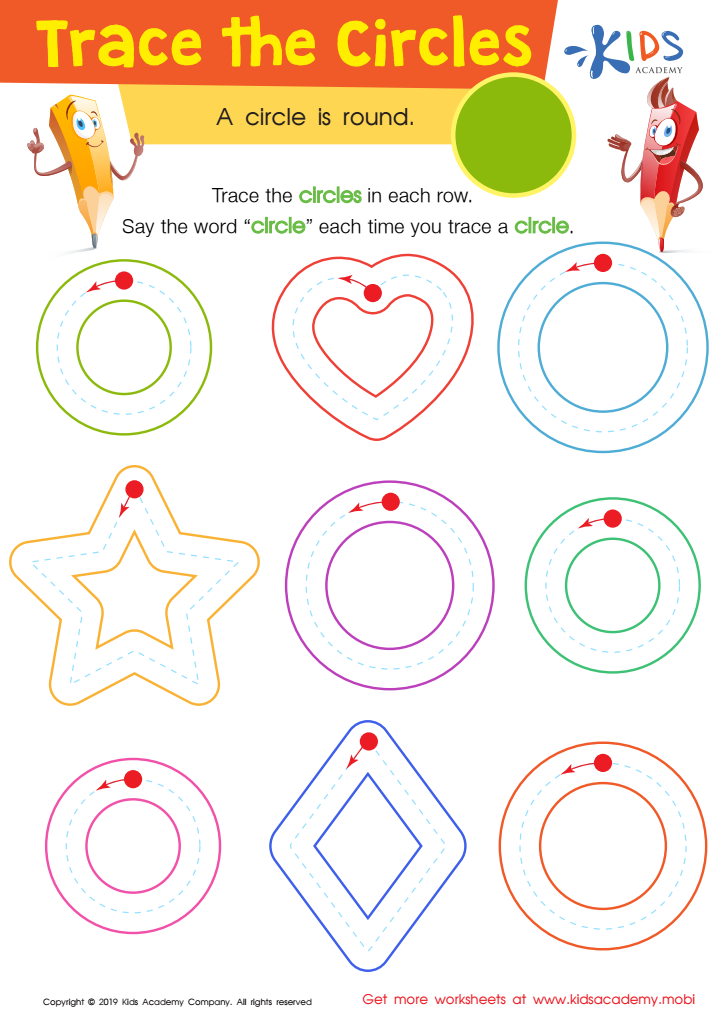
Trace The Circles Worksheet
 Assign to My Students





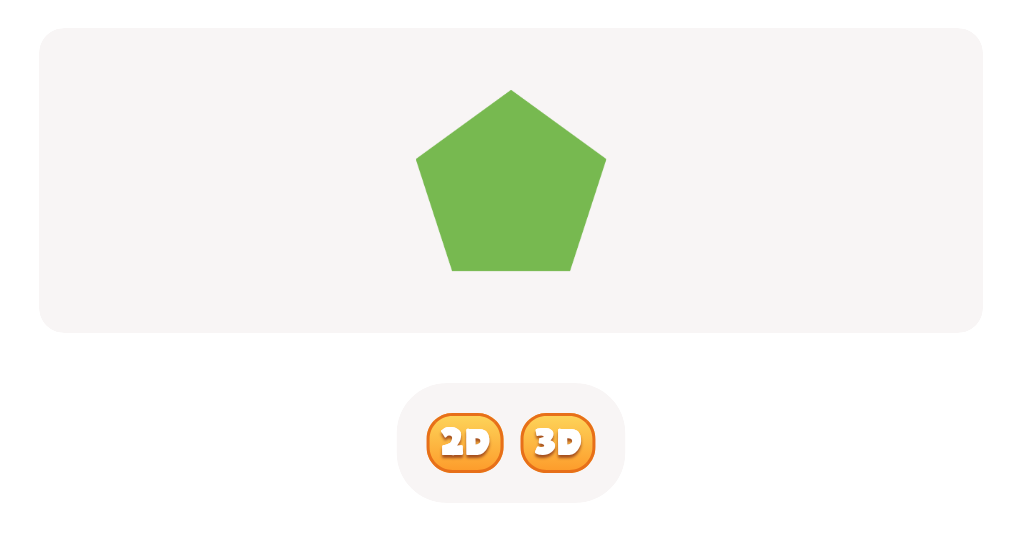

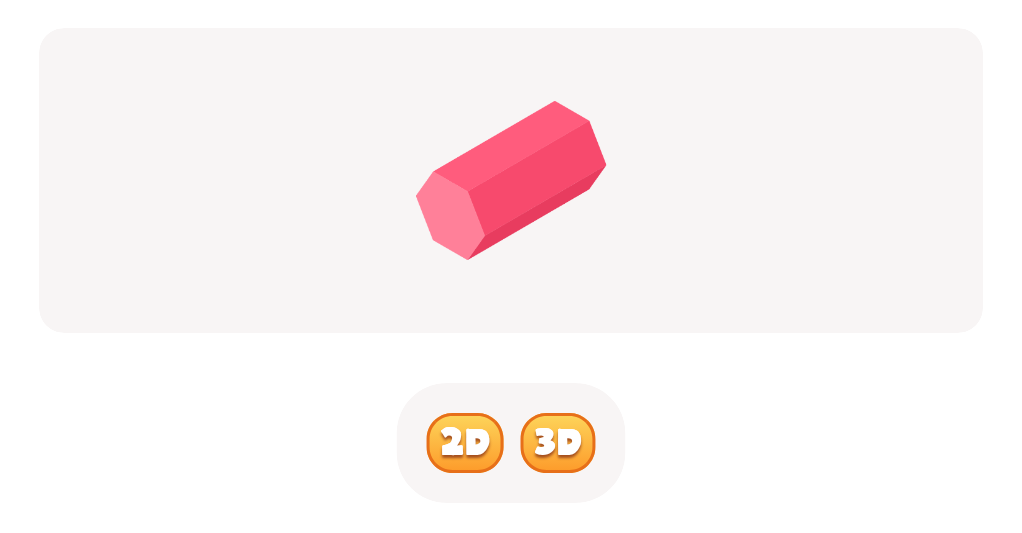
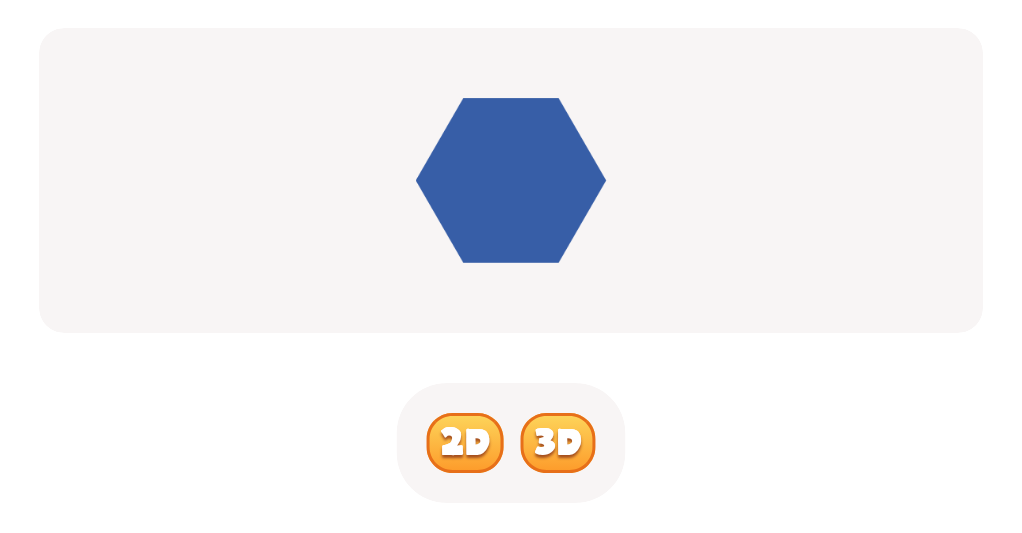

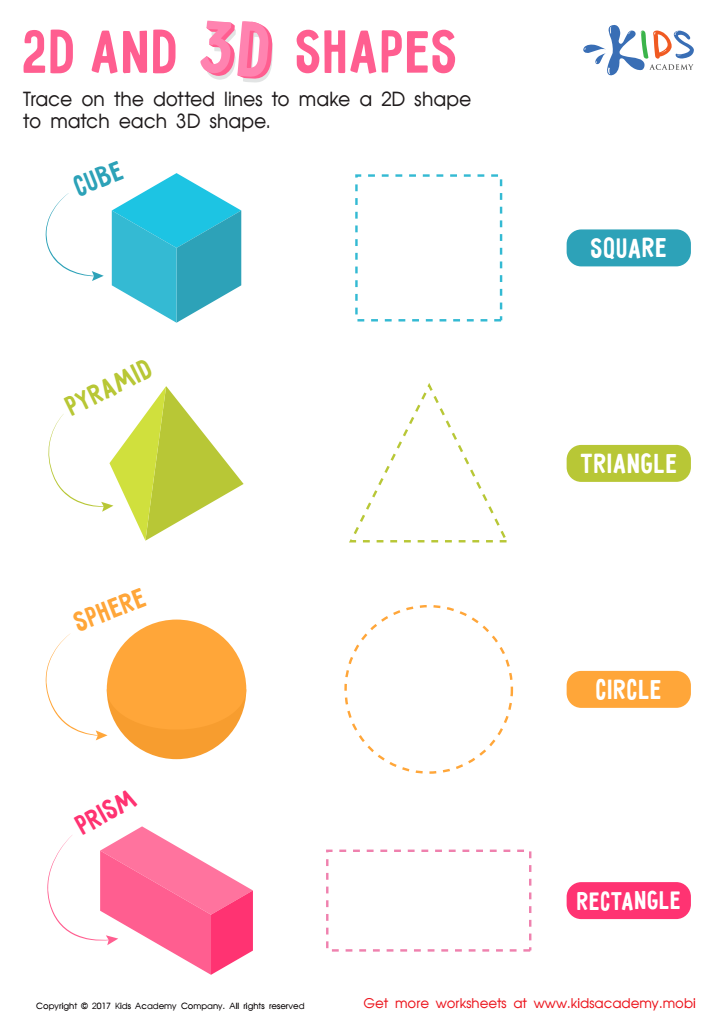
2D and 3D Shapes Worksheet
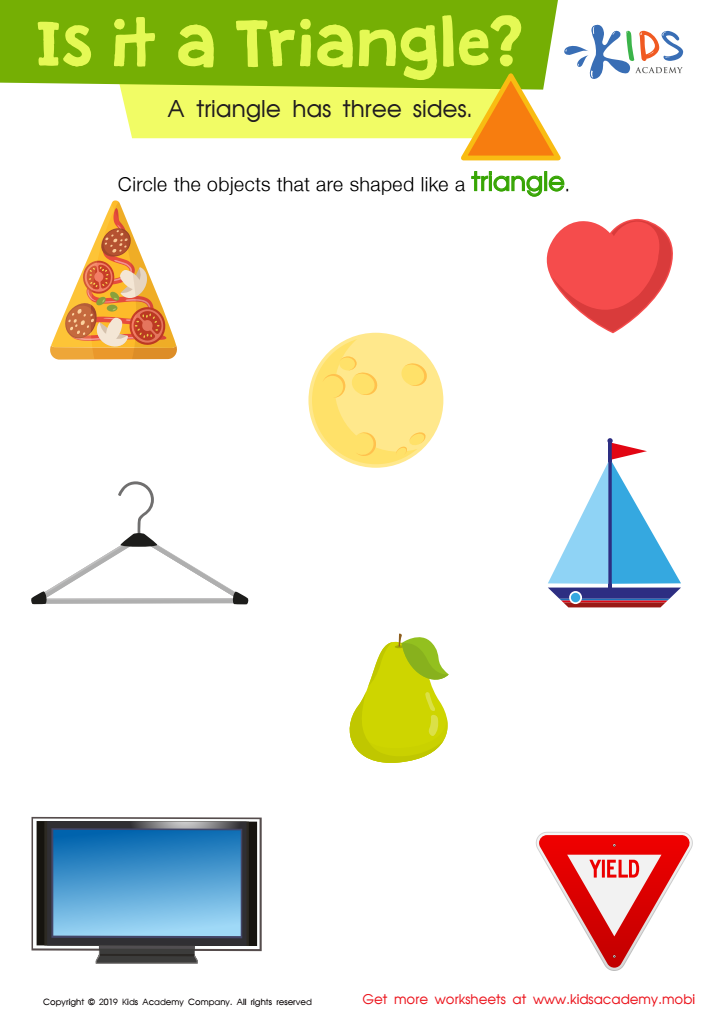
Is It a Triangle? Worksheet
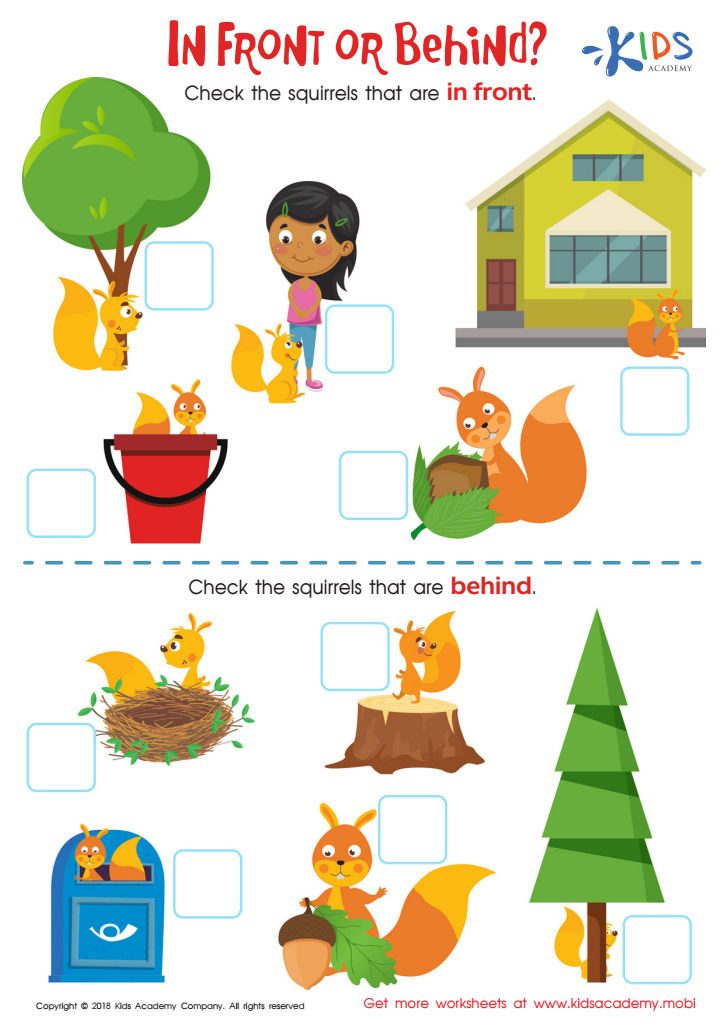
In Front or Behind: Part 2 Worksheet








Spatial awareness is a fundamental skill that plays a crucial role in a child’s cognitive development, and its importance in kindergarten geometry cannot be overstated. This awareness involves understanding the relationships between objects in space, which is essential for everyday tasks such as reading, writing, and navigating the environment.
Parents and teachers should prioritize spatial awareness in kindergarten geometry for several reasons. First, spatial skills are closely linked to mathematical ability. Young children who develop strong spatial reasoning skills are often better at problem-solving and understanding math concepts later on, such as geometry, algebra, and calculus. These skills also promote critical thinking and creativity, enabling children to visualize and manipulate objects in their minds efficiently.
Furthermore, spatial awareness contributes to early literacy. As children learn to recognize the shapes and orientations of letters and numbers, they become more proficient readers and writers. This awareness assists them in understanding how to form letters correctly, organize text on a page, and comprehend the spatial layout of sentences and paragraphs.
In everyday life, spatial awareness helps children navigate their physical world, from organizing their personal space to understanding directions and maps. By fostering these skills in kindergarten through geometry activities, parents and teachers can support holistic development, laying a strong foundation for future academic and life success.








