
Spatial reasoning Kindergarten Geometry Worksheets
3 filtered results
Difficulty Level
Grade
Age
-
From - To
Subject
Activity
Standards
Unlock your kindergartener's potential with our Spatial Reasoning Kindergarten Geometry Worksheets! Designed to develop critical thinking, these interactive worksheets help kids grasp the foundational concepts of geometry through engaging activities. From recognizing shapes and sizes to understanding positions and orientations, our worksheets nurture early math skills in a fun and educational way. Perfect for building confidence, each printable is crafted to make learning enjoyable and effective. Equip your child with the tools to succeed in math and beyond by introducing them to our expertly designed spatial reasoning exercises. Explore now and make geometry a favorite subject!
Favorites
With answer key
Interactive
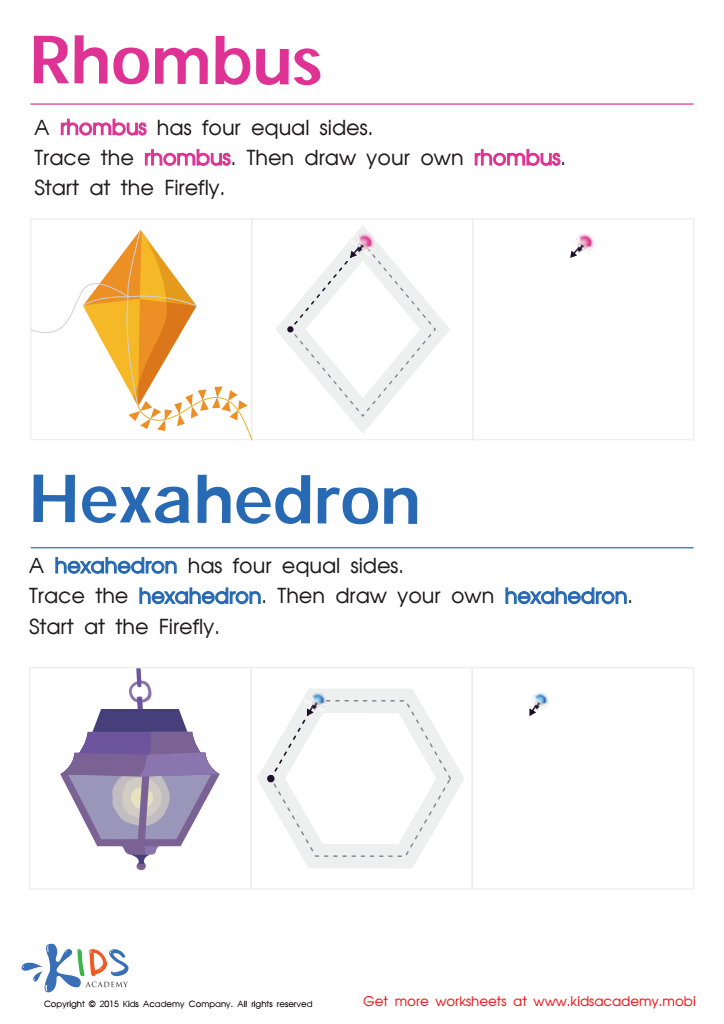
Draw a Rhombus And a Hexahedron Printable
Trace, draw and recognize shapes like rhombus, hexahedron and more! Start with the firefly to trace a rhombus, then use the yellow kite to remember the shape. Use the light to trace and draw a hexahedron. Learn with the best!
 Assign to My Students
Draw a Rhombus And a Hexahedron Printable
Worksheet





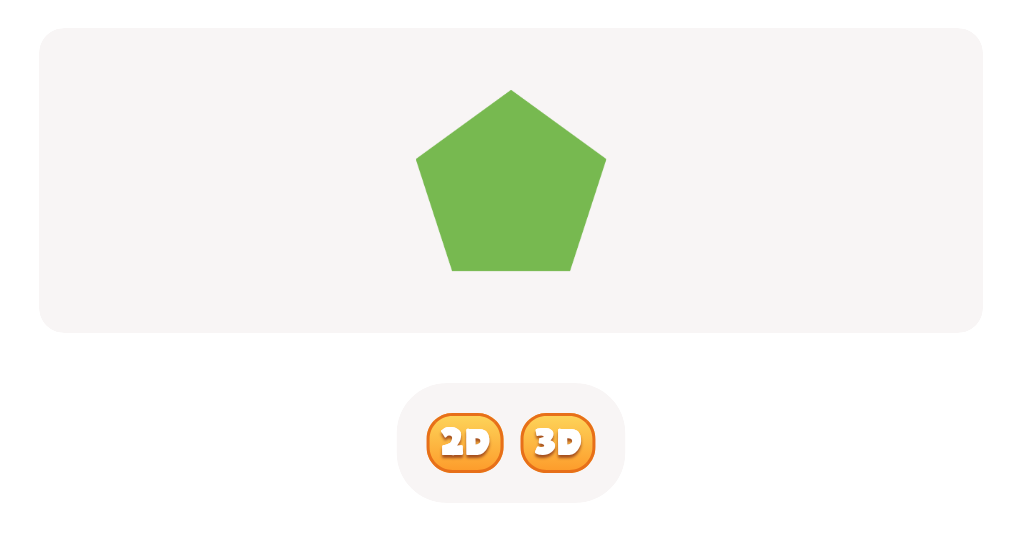

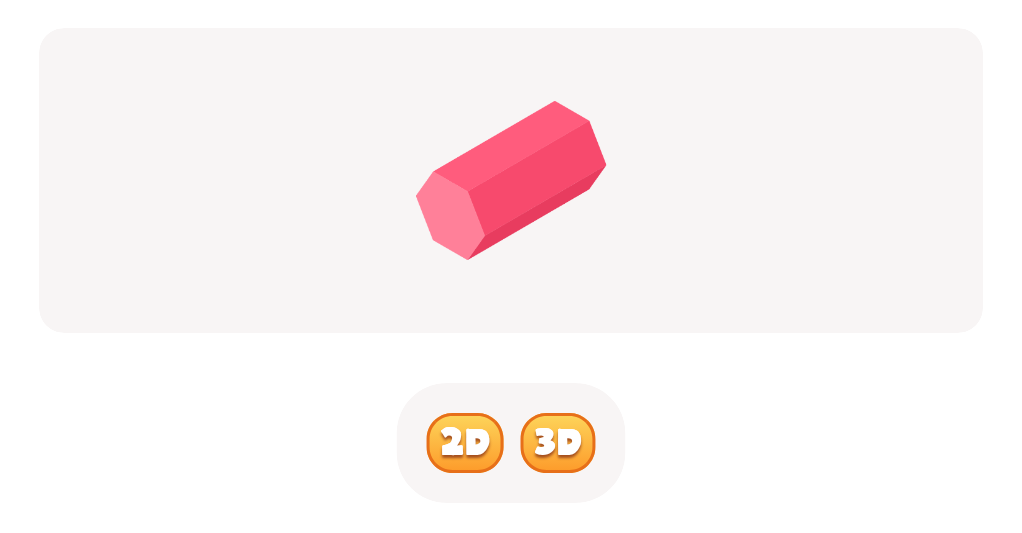
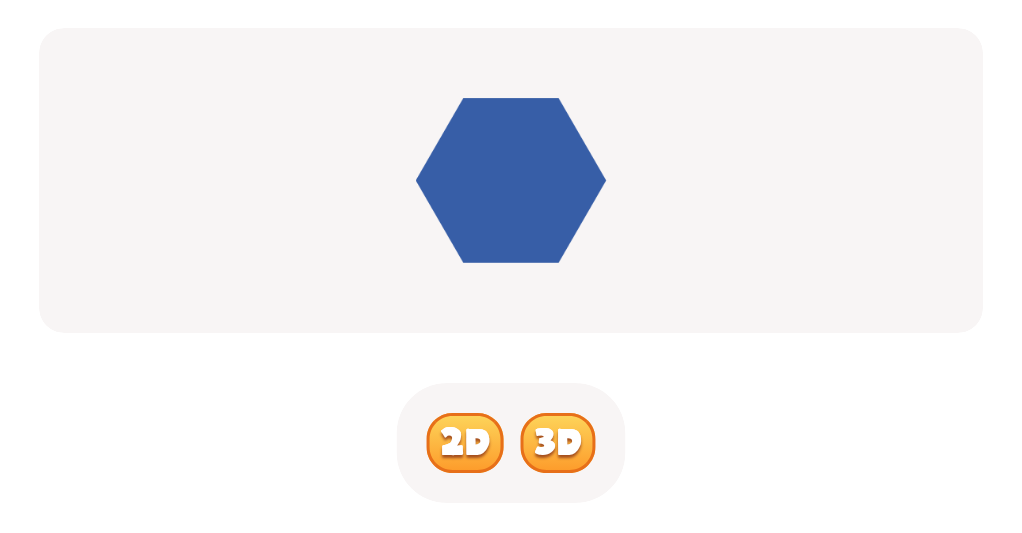

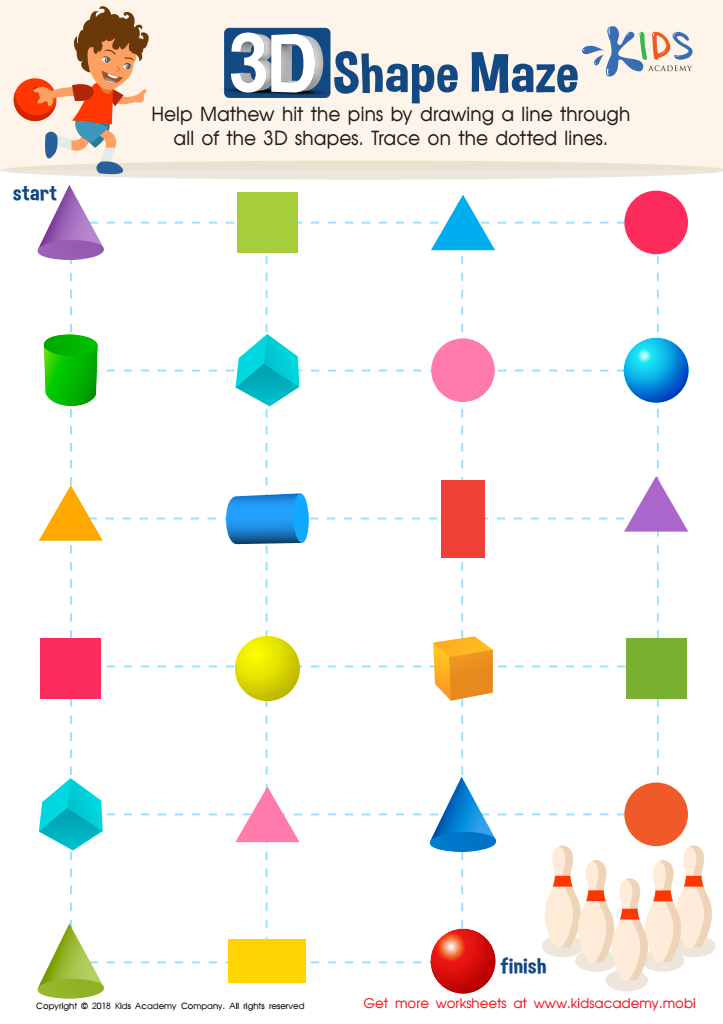
Shapes Maze Geometry Worksheet
Boost your child's geometry skills with this shapes maze worksheet! Help Matthew bowl a strike by guiding him through the maze to draw a line through every 3D shape. It's a fun and challenging way to practice foundational math skills!
Shapes Maze Geometry Worksheet
Worksheet
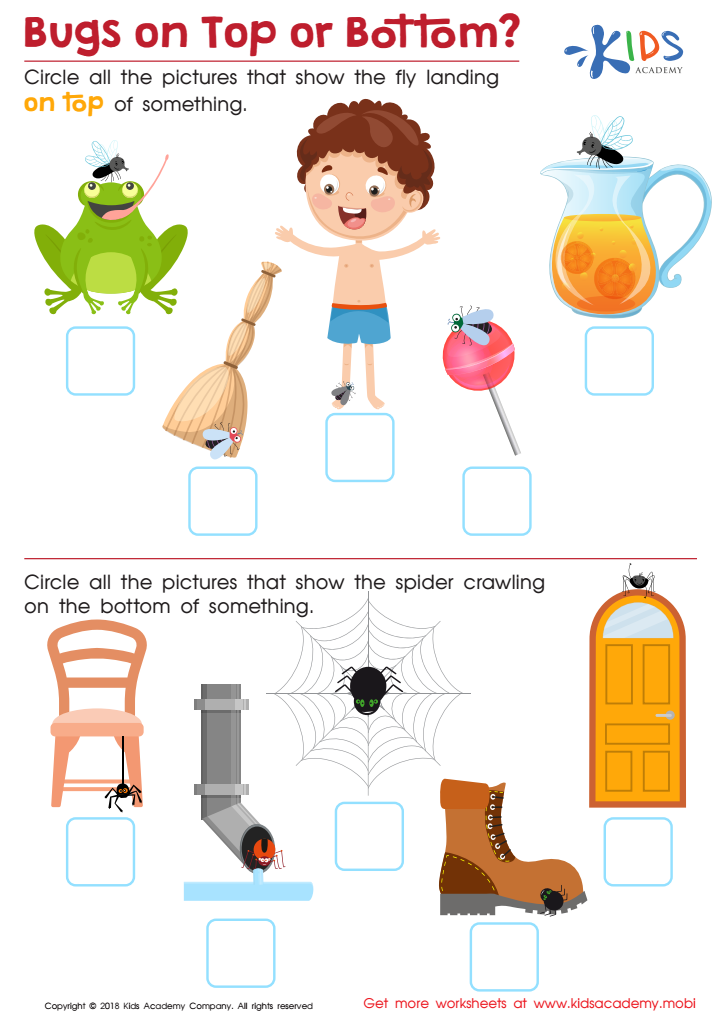
Bugs on Top or Bottom? Worksheet
Preschoolers need to learn directional skills such as top and bottom. This PDF worksheet helps them recognize bugs on the top or bottom using fun visuals. It builds their spatial reasoning while teaching prepositional words in an engaging way.
Bugs on Top or Bottom? Worksheet
Worksheet
Join Kids Academy for Free
Who is primarily going to use this learning content?








Spatial reasoning in kindergarten geometry is crucial for a child's cognitive and academic development. At its core, spatial reasoning involves understanding and remembering the positions, shapes, and relationships between objects and spaces. This foundational skill influences various facets of a child's learning and day-to-day problem-solving abilities.
Firstly, children with strong spatial reasoning skills excel in STEM (Science, Technology, Engineering, Mathematics) fields. Early engagement with geometry helps children visualize mathematical problems, understand concepts like symmetry, shape transformations, and spatial relationships. This understanding builds a solid foundation for more complex mathematical concepts they will encounter later in their academic journey.
Secondly, spatial reasoning is integral to everyday life. Whether it’s navigating through their environment, packing a suitcase, or assembling a puzzle, children utilize these skills regularly. Enhancing spatial reasoning fosters independence and critical thinking as they learn to manipulate, organize, and comprehend their world more effectively.
Moreover, early development of these skills is linked to proficiency in reading and writing. Through play with shapes, blocks, and puzzles, children enhance their ability to recognize patterns, which translates to better visual and spatial awareness required for letter and word formation in reading and writing tasks.
Therefore, parents and teachers should prioritize spatial reasoning in kindergarten geometry to support overall cognitive development, bolster future academic success, and equip children with practical skills for everyday situations.








