Animal recognition Kindergarten Numbers Worksheets
8 filtered results
-
From - To
Welcome to our "Animal Recognition Kindergarten Numbers Worksheets" page! Designed to make learning fun, these engaging worksheets combine numeracy and wildlife exploration, helping young learners identify animals while practicing their counting skills. Our activities involve colorful illustrations and simple tasks that encourage kids to recognize numbers associated with their favorite animals. Perfect for parents and educators alike, these resources enhance early math skills and foster a love for nature. Downloadable and easy to use, these worksheets are ideal for home or classroom settings, providing a playful way to reinforce learning through animal themes. Let the adventure in learning begin!
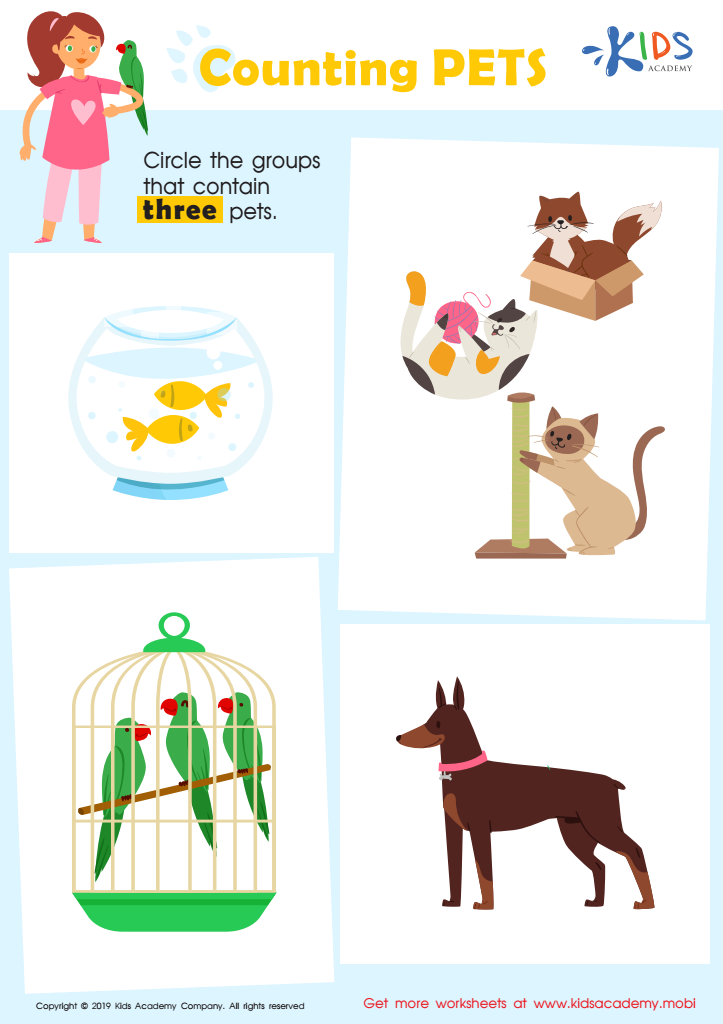
Counting Pets Worksheet
 Assign to My Students
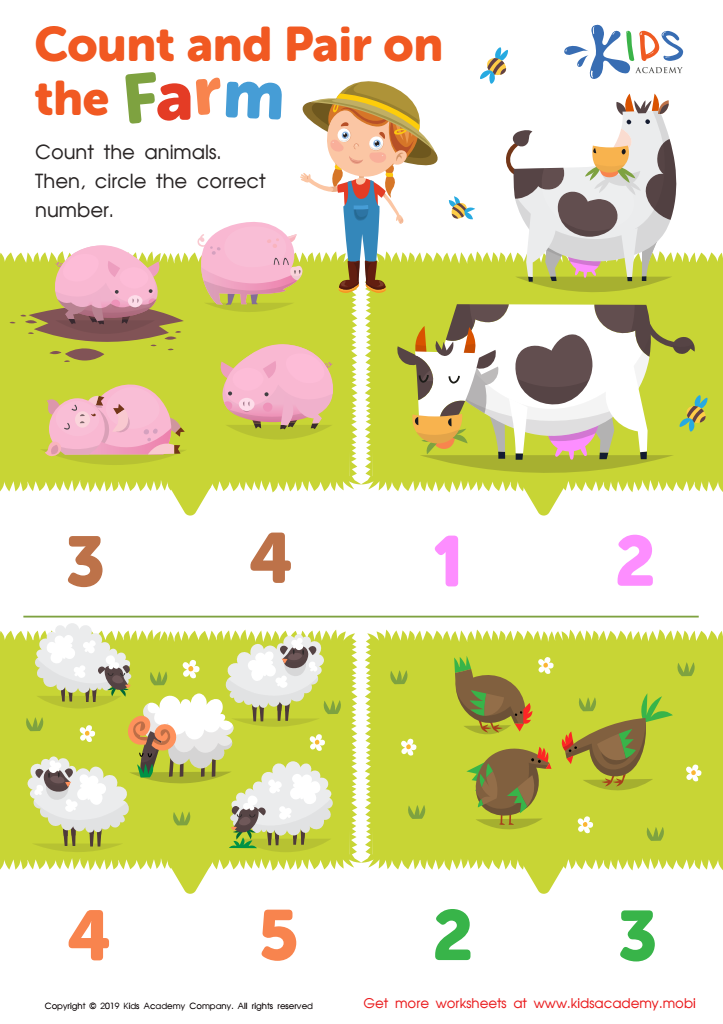
Count and Pair on the Farm Worksheet
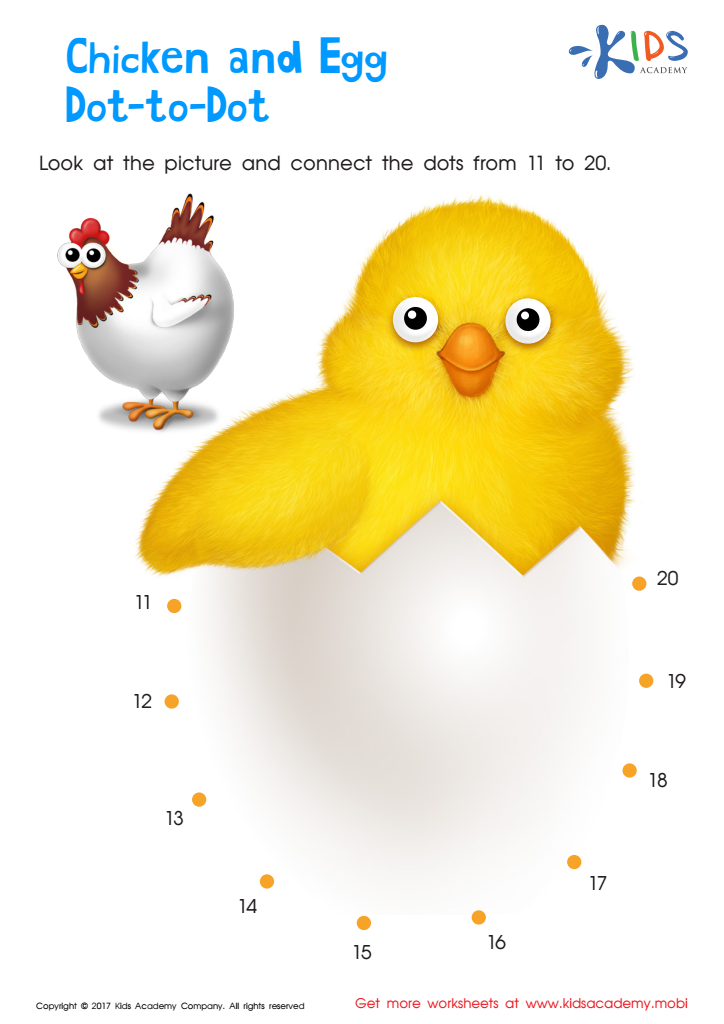
Ordering 11–20: Chicken & Egg Dot–to–dot Worksheet
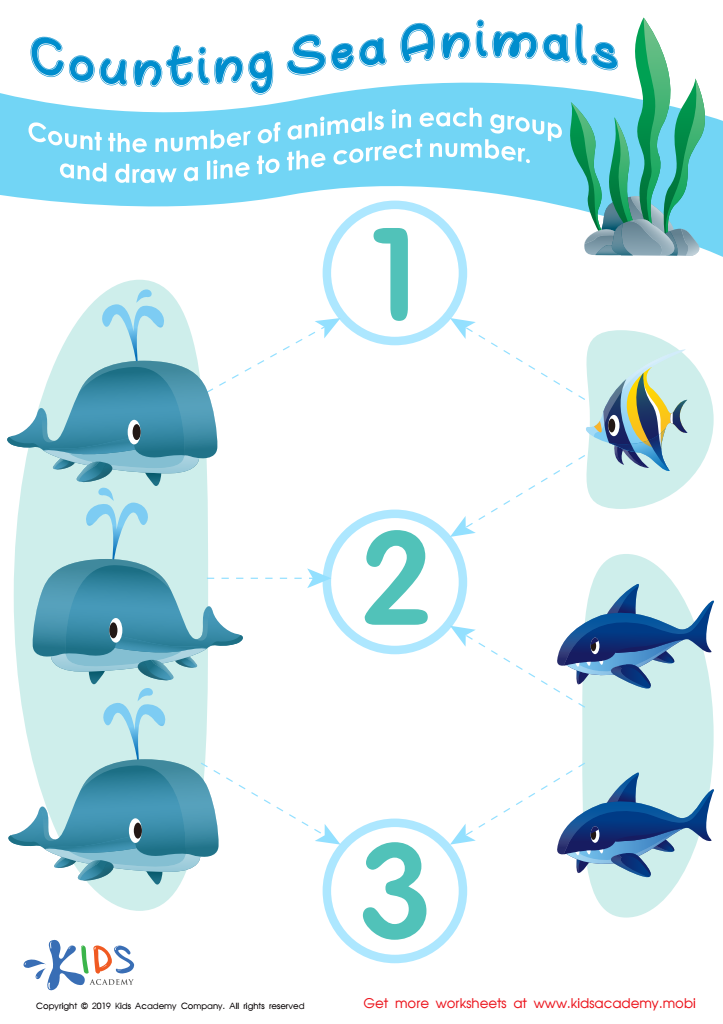
Counting Sea Animals Worksheet
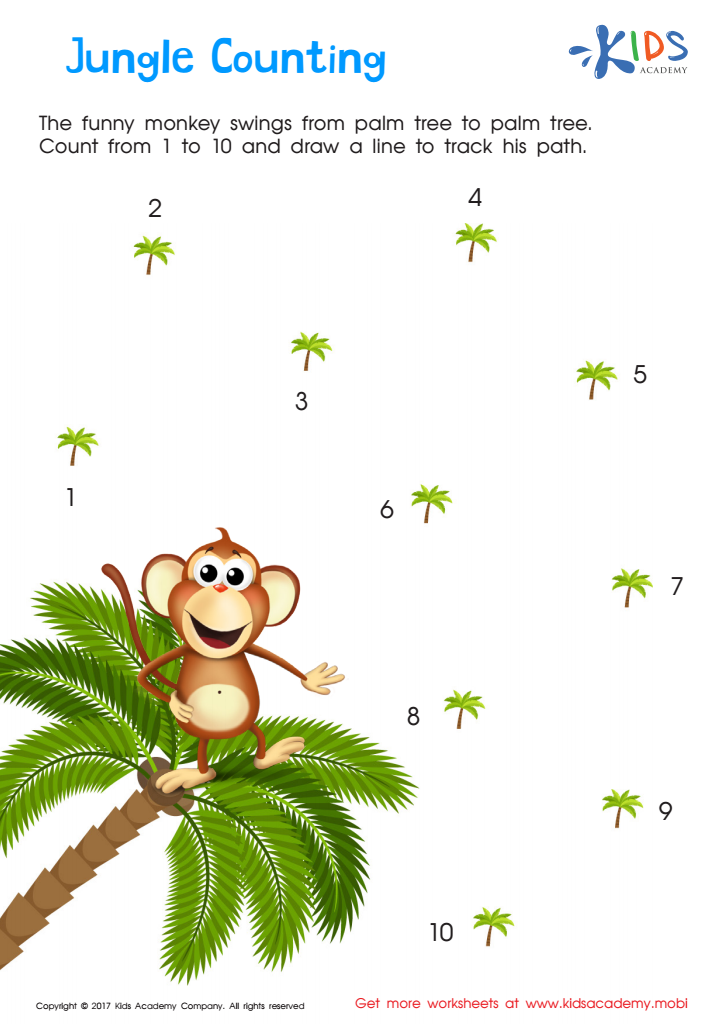
Jungle Counting Connect Dots Worksheet
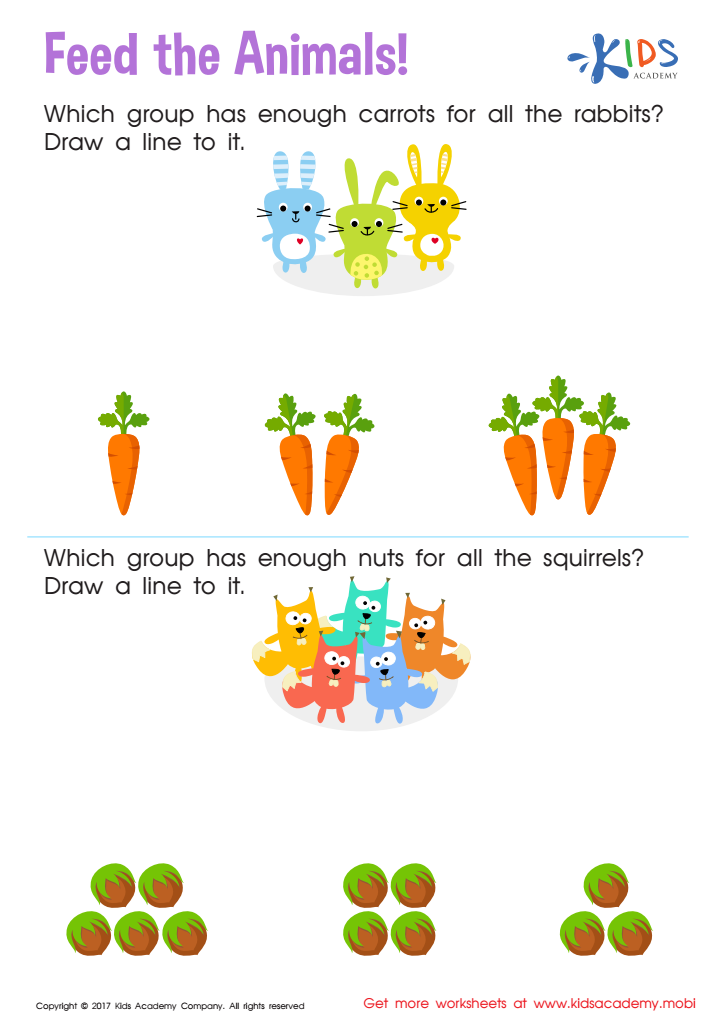
Count and Match: Feed the Animals Worksheet
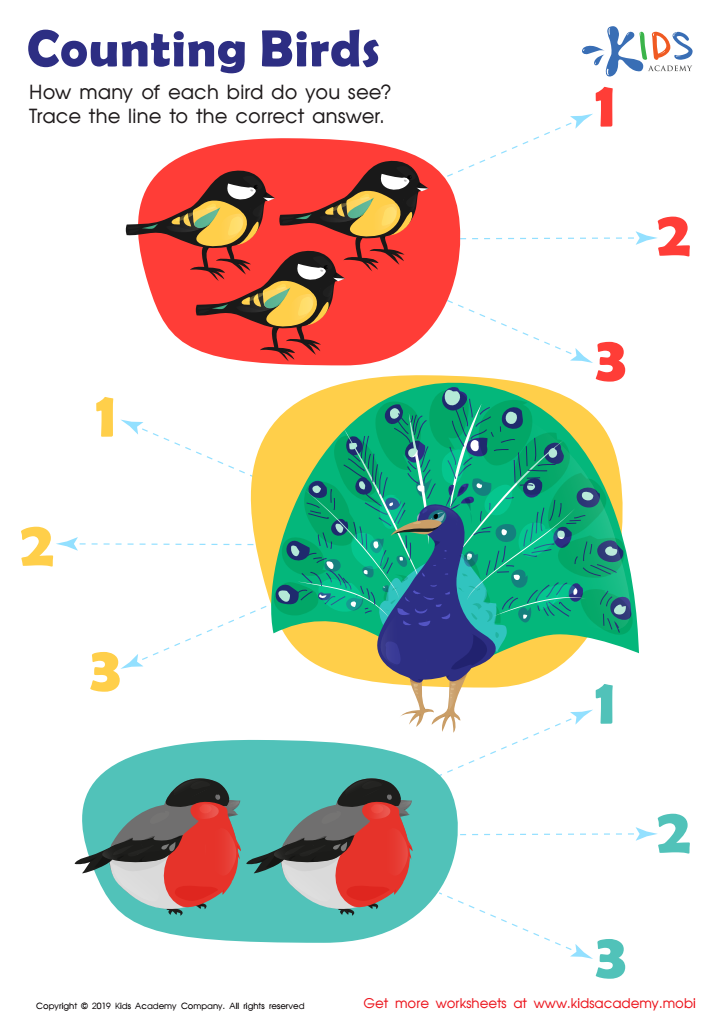
Counting Birds Worksheet
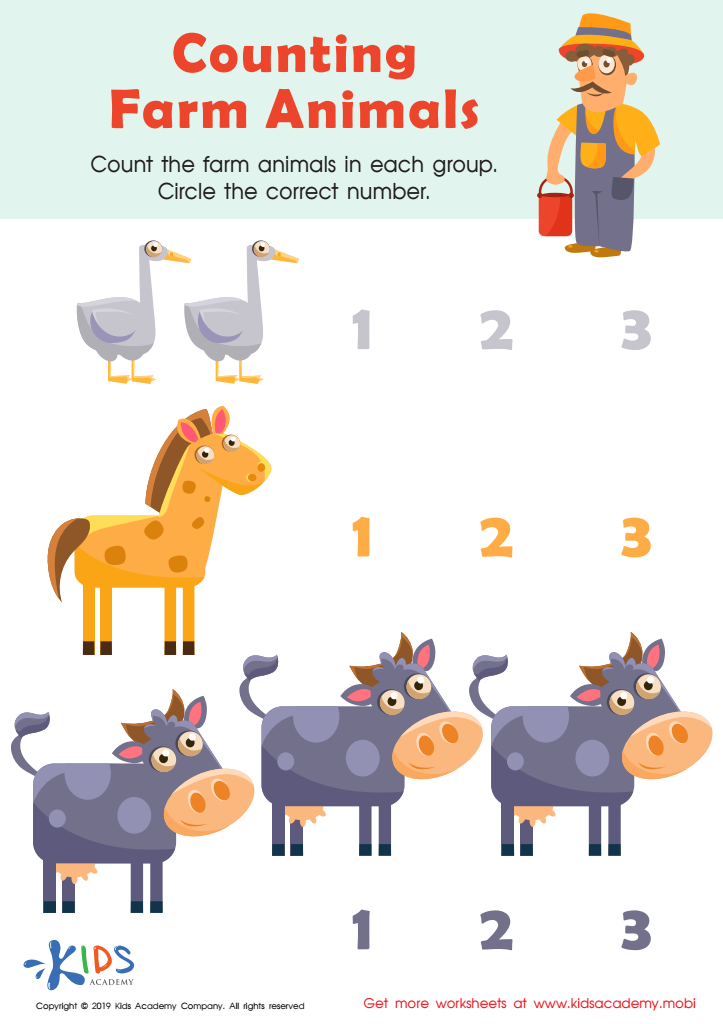
Counting Farm Animals Worksheet








Animal recognition combined with kindergarten numbers is a vital area of learning for young children, as it fosters essential cognitive and social skills. First, engaging with animals helps young learners develop their observation skills and expand their vocabulary. When children identify animals, they not only learn names but also characteristics, sounds, habitats, and behaviors, which enhances their understanding of the world around them.
Incorporating numbers into this theme enriches the learning experience. Counting animals helps children grasp basic arithmetic concepts while solidifying number recognition. For instance, asking children how many cats, dogs, or birds they see encourages them to practice counting in a fun and interactive way.
Additionally, these activities promote critical thinking and problem-solving skills. Parents and teachers can implement games and storytelling that require children to classify animals by their features or quantities, making learning enjoyable and memorable.
Furthermore, familiarity with animals can spark interest in science and nature, fostering a sense of responsibility and empathy toward living creatures. Ultimately, addressing animal recognition in conjunction with number skills equips children with foundational knowledge that supports academic readiness and cultivates lifelong learning. Engaging in these activities ensures a well-rounded educational approach in early childhood development.








