
Understanding Quantities Kindergarten Numbers Worksheets
5 filtered results
Difficulty Level
Grade
Age
-
From - To
Subject
Activity
Standards
Unlock the world of numbers with our "Understanding Quantities Kindergarten Numbers Worksheets." Designed for young learners, these engaging worksheets help children grasp the concept of quantity and encourage number recognition. Through colorful visuals and playful activities, students will explore counting, comparing different quantities, and developing foundational math skills. Perfect for home or classroom use, our worksheets foster a love for learning while providing essential practice that builds confidence in early math concepts. Support your child’s educational journey and enhance their understanding of numbers with our carefully curated resources tailored for kindergarten learners. Explore our collection today for a fun learning experience!
Favorites
With answer key
Interactive
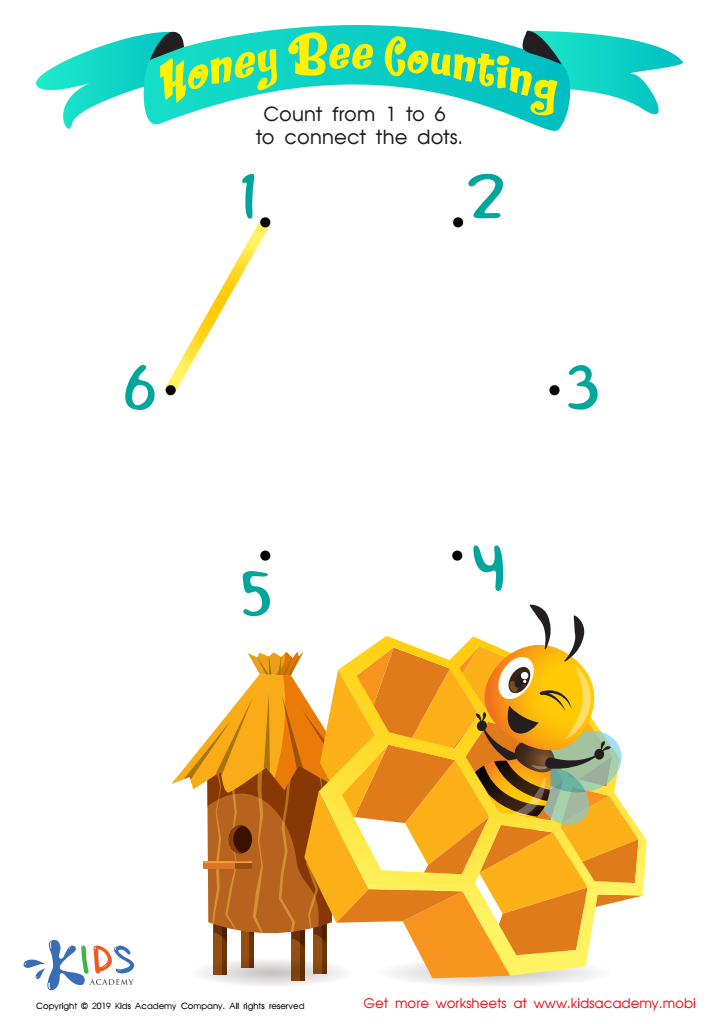
Honey Bee Counting Worksheet
Help your kids learn about honey bees while practising their counting skills! Show them the picture and ask them to point out the bee. Then, give them this worksheet and have them count up to 6, connecting the dots as they go. Numbers are provided for guidance - it's a great way to have fun and learn!
 Assign to My Students
Honey Bee Counting Worksheet
Worksheet
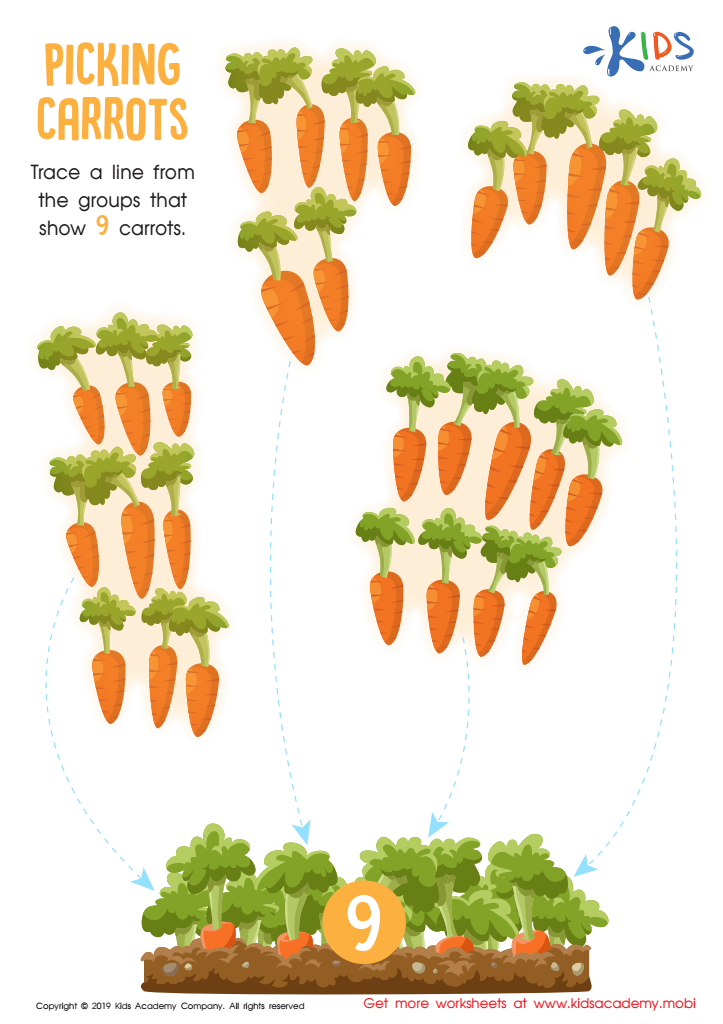
Picking Carrots Worksheet
Do your kids know what carrots are? They're nutritious veggies we should eat. Look at the worksheet with them; can they spot the carrots? It's an exercise to practice counting. Show them how to count all the carrots in the groups and trace the line to the groups with 9 carrots.
Picking Carrots Worksheet
Worksheet
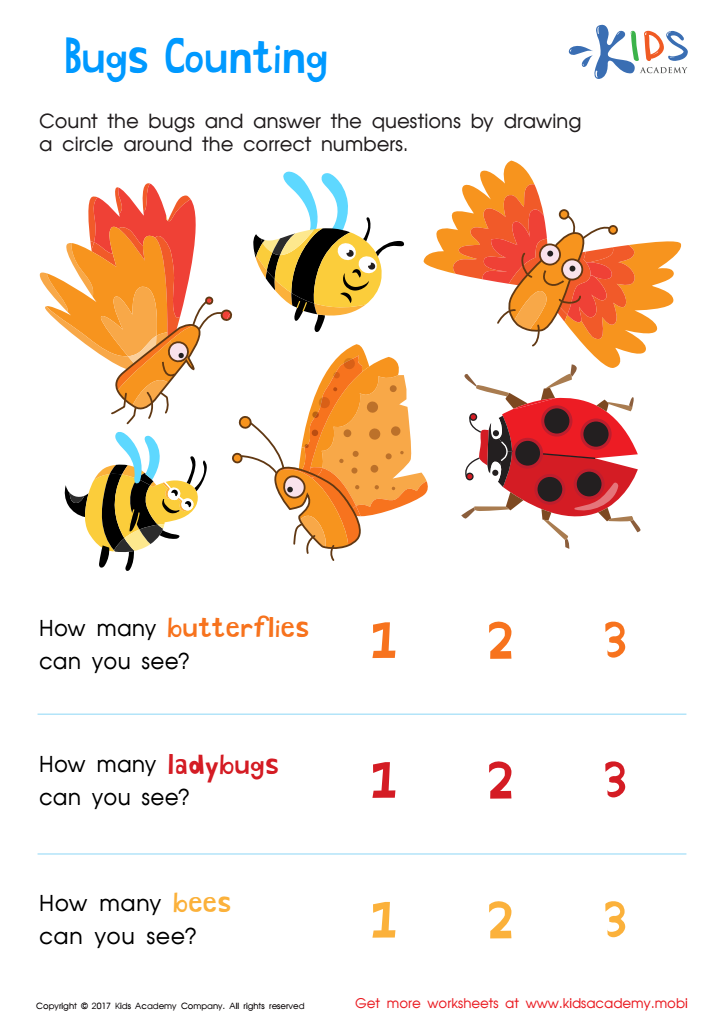
Bugs Counting Worksheet
Filled with bright reds, yellows, and oranges, your child will love solving these fun bug-related math problems.
Bugs Counting Worksheet
Worksheet
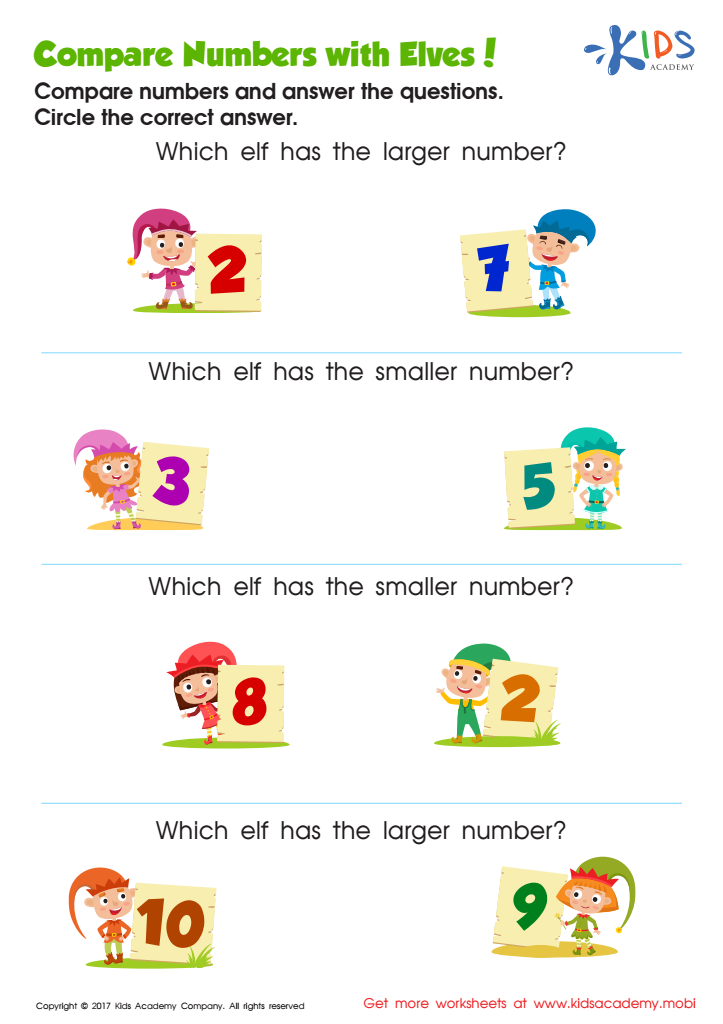
Comparing Numbers Worksheet for Kindergarten
Your child will love helping Santa's elves compare numbers with this fun worksheet for kindergarten! They must determine which number is bigger or smaller then circle the answer. It's a great activity for Christmas or any time!
Comparing Numbers Worksheet for Kindergarten
Worksheet
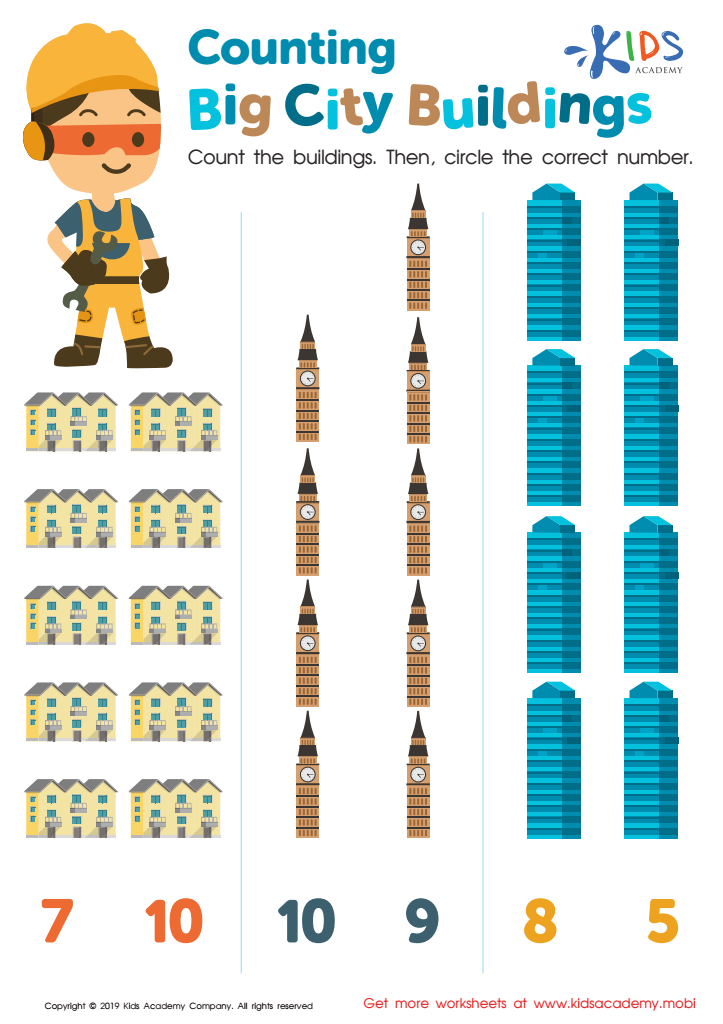
Counting Big City Buildings Worksheet
Test your child's counting skills! Ask them to count as high as they can and use the worksheet to brush up on any areas that need improvement. There are 3 sets of buildings in the picture; help your kids count them and circle the correct number. Mastering the art of counting is essential for advancing in math and solving equations, so take this opportunity to ensure your kids are ready!
Counting Big City Buildings Worksheet
Worksheet
Join Kids Academy for Free
Who is primarily going to use this learning content?


.jpg)



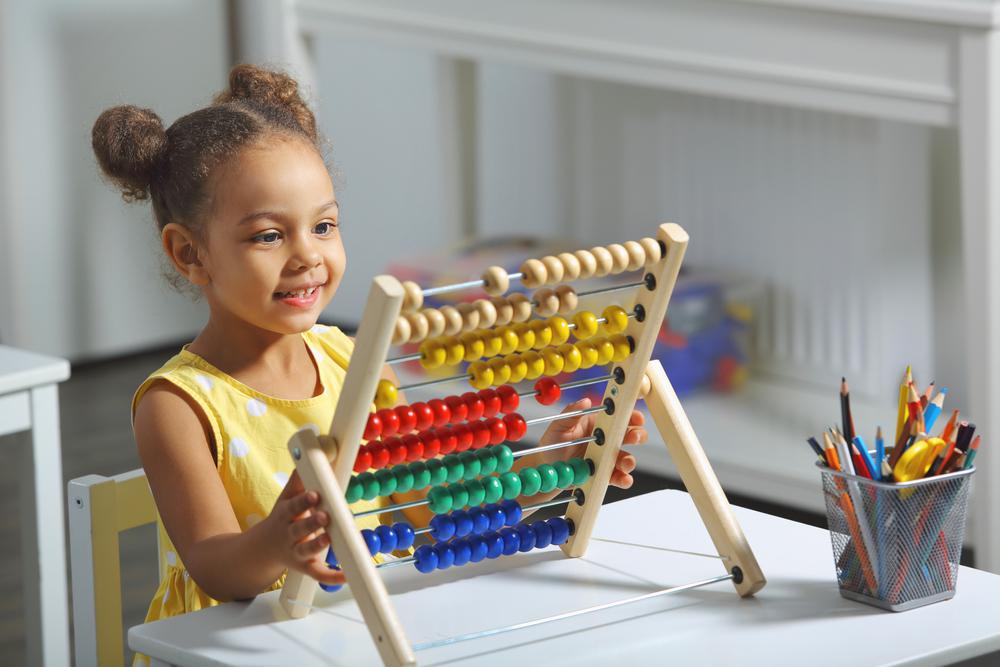

Understanding quantities in kindergarten is foundational for a child's mathematical development. Early number sense not only enhances counting abilities but also fosters critical thinking and problem-solving skills. For parents and teachers, emphasizing these concepts helps children make connections between numbers and the real world, where quantities are ever-present.
When children grasp the concept of quantities, they can compare, categorize, and manipulate numbers and objects efficiently. This understanding serves as a building block for more advanced math skills, such as addition and subtraction, which they will encounter in later grades. Additionally, it promotes cognitive development by encouraging children to experiment, ask questions, and develop reasoning abilities.
Moreover, children who have a strong understanding of numbers are more confident in their abilities, which can lead to a positive attitude toward learning. Engaging activities that emphasize quantities, like counting games and hands-on activities with manipulatives, help reinforce these concepts in an enjoyable way. Ultimately, supporting children in developing a strong number sense lays the groundwork for academic success and lifelong learning, making it essential for parents and teachers to prioritize this aspect of early education.








