Numeracy skills Kindergarten Math Worksheets
3 filtered results
-
From - To
Welcome to our Numeracy Skills Kindergarten Math Worksheets page! These engaging and interactive worksheets are specially designed to help young learners build a strong foundation in essential math concepts. Our comprehensive resources cover various topics, including counting, number recognition, basic addition and subtraction, and understanding patterns. Each worksheet is colorful and age-appropriate, ensuring learning is both effective and fun. Perfect for classroom use or at-home learning, these materials encourage independent practice while reinforcing numeracy skills crucial for academic success. Explore our collection today and watch your child thrive in their mathematical journey!
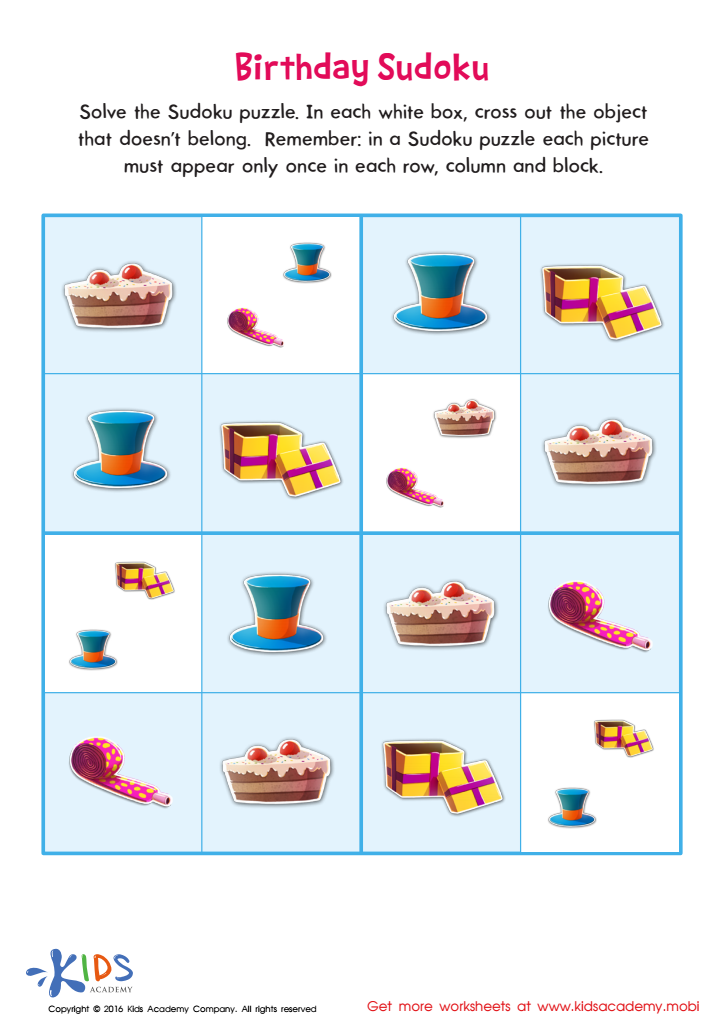
Birthday Sudoku Sorting Worksheet
 Assign to My Students
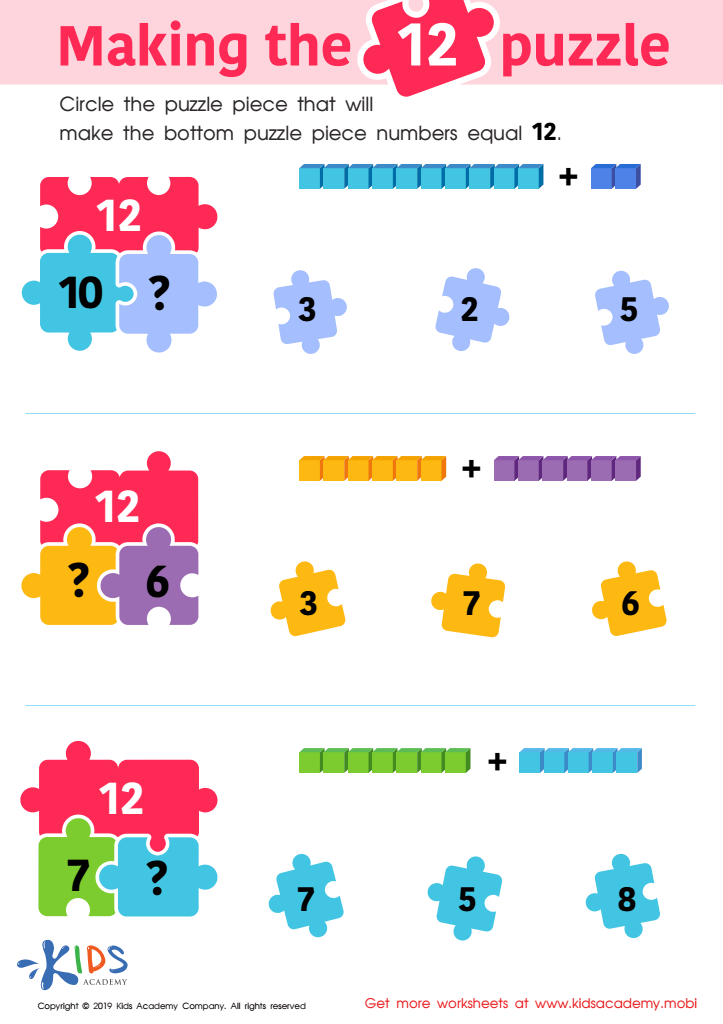
Making the 12 Puzzle Worksheet
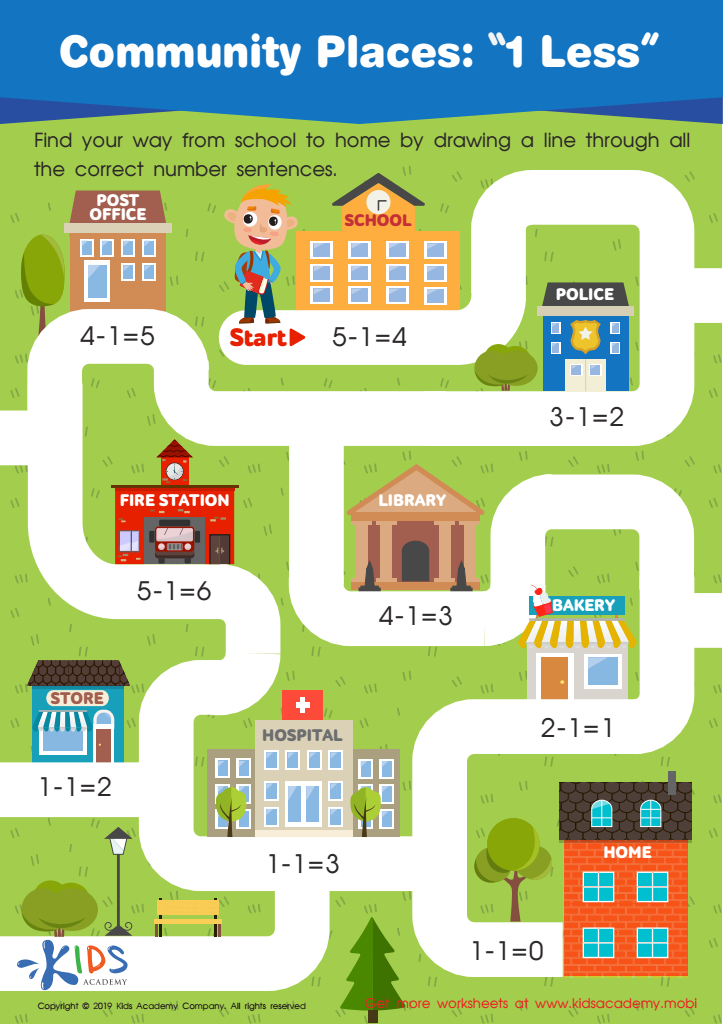
Community Places: 1 Less Worksheet








Numeracy skills are foundational for a child's overall intellectual development, making them a crucial focus for both parents and teachers in kindergarten. Early math education fosters critical cognitive abilities, such as problem-solving, reasoning, and logical thinking. When children develop numeracy skills, they not only learn to count, recognize shapes, and understand basic operations but also build confidence in their ability to tackle mathematical concepts as they progress in school.
These skills underpin a child’s future academic success. Research shows that early numeracy is linked to proficiency in later math and even literacy skills. By emphasizing numeracy in the kindergarten years, educators and parents help create a strong base for more complex subjects, reducing the likelihood of struggle in future academic settings.
Furthermore, numeracy is not just an academic concern; it enriches everyday life skills. Children learn to measure, categorize, and understand quantities, which shapes their ability to make informed decisions. Involving parents in numeracy activities reinforces these lessons and encourages a positive attitude towards math. Ultimately, by nurturing numeracy skills early on, adults can unlock a child’s potential, fostering them into curious, competent, and confident learners both in math and beyond.








