Understanding quantity Kindergarten Math Worksheets
6 filtered results
-
From - To
Enhance your child's mathematical skills with our “Understanding Quantity” Kindergarten Math Worksheets! Designed for young learners, these engaging resources foster a strong foundation in counting and number recognition. Through colorful visuals and interactive activities, children practice identifying quantities, strengthening their number sense. Our worksheets are perfect for both classroom and home use, encouraging independent learning and hands-on exploration. Watch your child build confidence as they solve fun exercises that enhance their ability to compare and quantify objects. With our comprehensive collection, help your little ones take their first steps into the exciting world of math, making learning both enjoyable and effective!
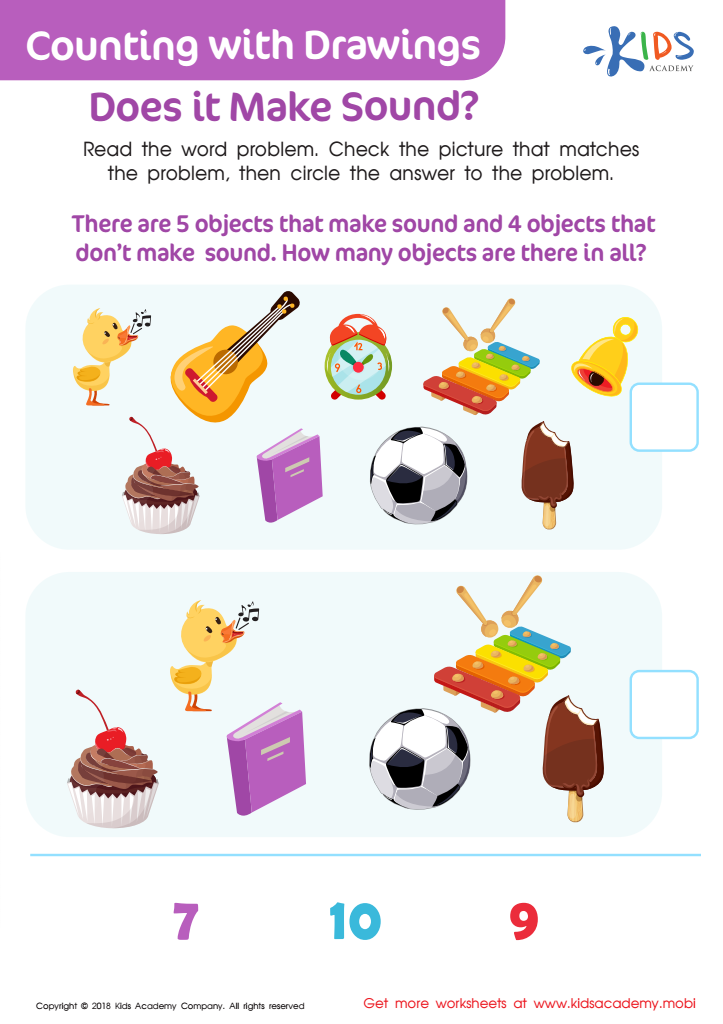
Counting With Drawings. Does It Make Sound? Worksheet
 Assign to My Students
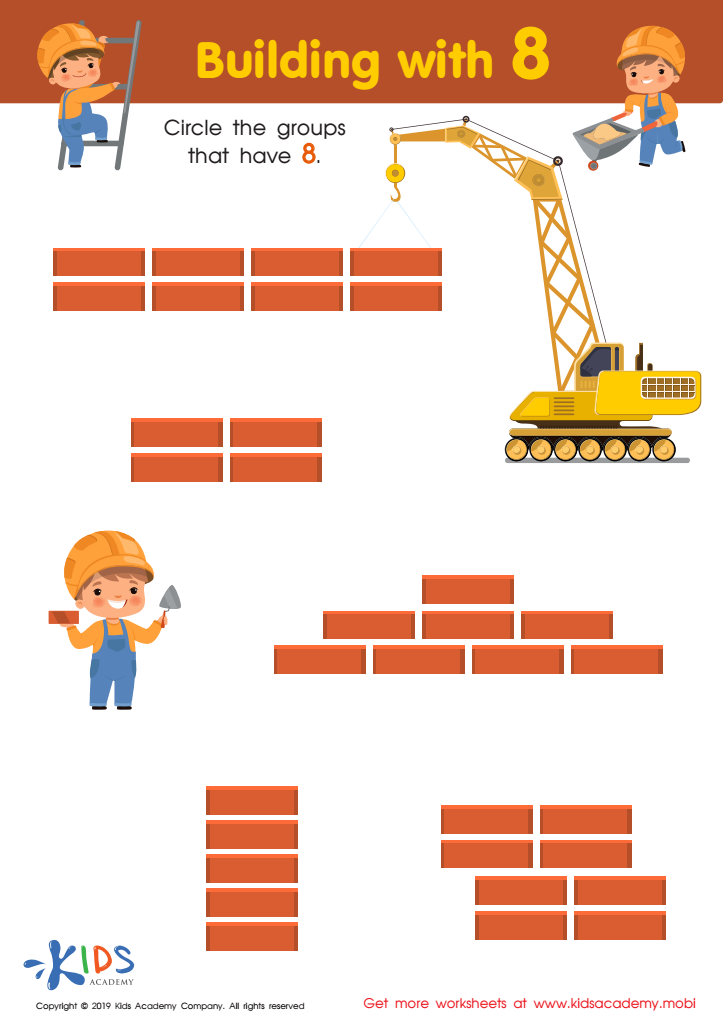
Building with 8 Worksheet
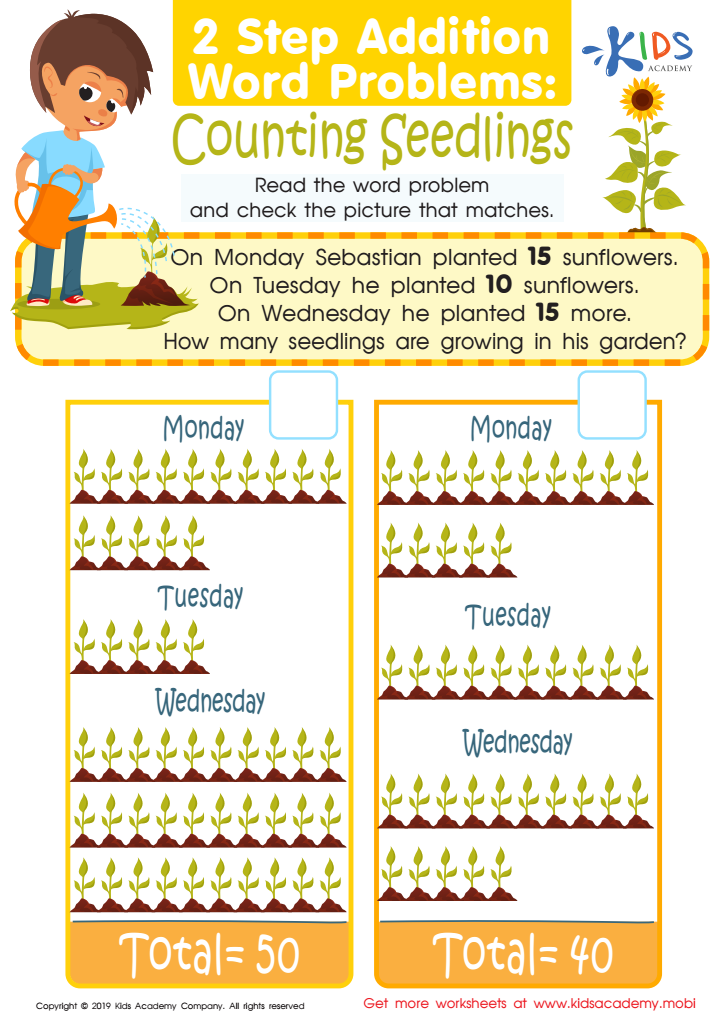
Counting Seedlings Worksheet
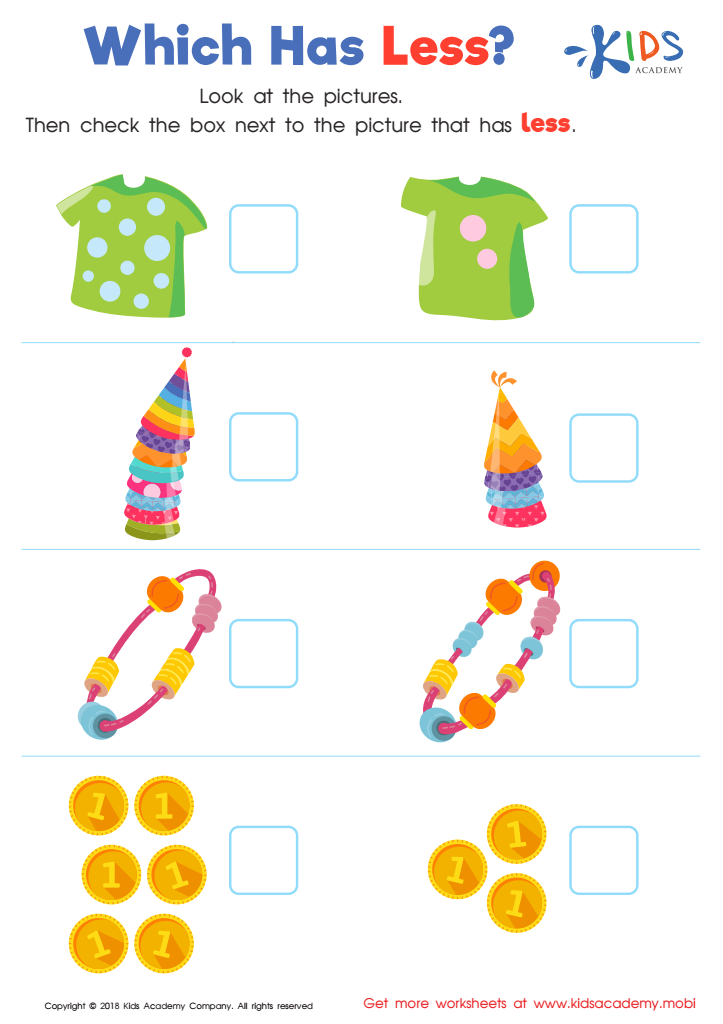
Which Has Less? Worksheet
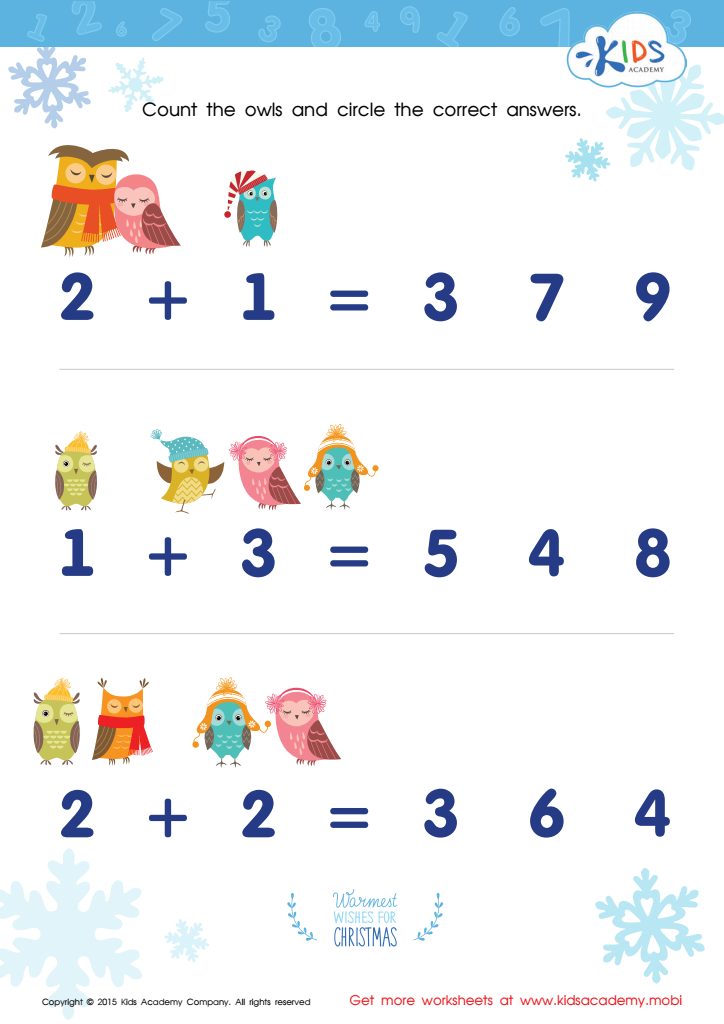
Count Little Owls Worksheet
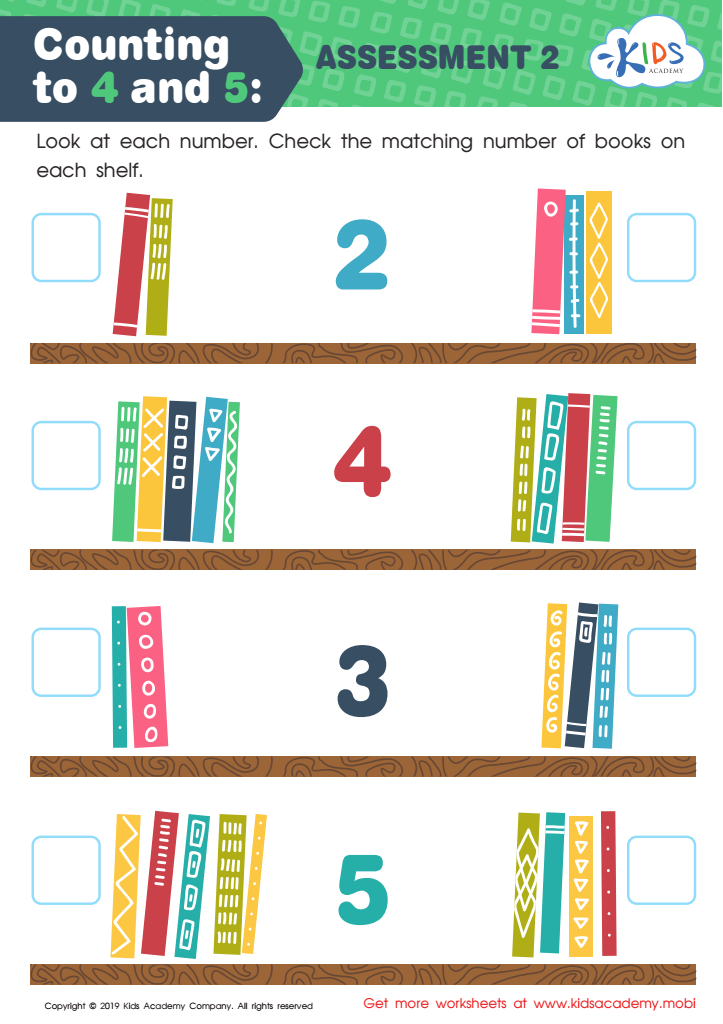
Counting to 4 and 5: Assessment 2 Worksheet







Understanding quantity is a foundational element of early childhood mathematics that significantly impacts a child's cognitive development. For parents and teachers, recognizing the importance of quantity comprehension in kindergarten is essential for several reasons.
Firstly, understanding quantity goes beyond simple counting. It lays the groundwork for essential concepts such as addition, subtraction, and comparison, which children will use throughout their math education. When children grasp quantity, they can visualize and manipulate numbers, enhancing their problem-solving and critical-thinking skills.
Secondly, a strong grasp of quantity promotes confidence in math. Children who understand the concept of quantity are more likely to engage in mathematical activities, fostering a positive attitude towards the subject. This enthusiasm can lead to a lifelong love of learning.
Moreover, understanding quantity helps bridge the gap between concrete and abstract thinking. Early math experiences that involve hands-on activities, such as grouping and measuring, enable children to make meaningful connections with mathematical concepts.
Finally, when parents and teachers support children’s understanding of quantity, they are investing in their overall academic success. Math proficiency contributes to achievements in various subjects, empowering children to become well-rounded learners. Early attention to quantity comprehension is an investment in a child’s future.








