Understanding symmetry Kindergarten Math Worksheets
3 filtered results
-
From - To
Discover engaging "Understanding Symmetry" Kindergarten Math Worksheets designed to introduce young learners to the concept of symmetry in a fun and interactive way! These worksheets are perfect for developing essential skills as children explore symmetrical shapes and patterns through various activities. Kids will have the opportunity to identify, create, and complete symmetrical images, enhancing their understanding of this fundamental math concept. Our worksheets encourage critical thinking and foster creativity, making math enjoyable for your little ones. Download and print these resources to spark your child's interest in symmetry while reinforcing their cognitive abilities and creativity in the classroom or at home!
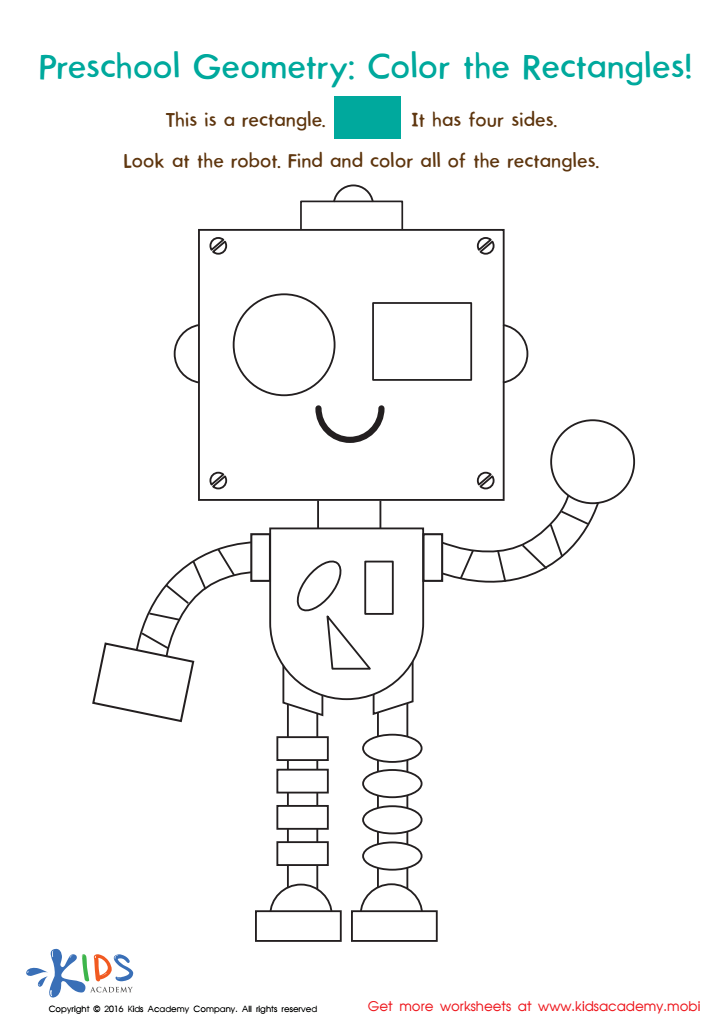
Geometry Worksheet
 Assign to My Students
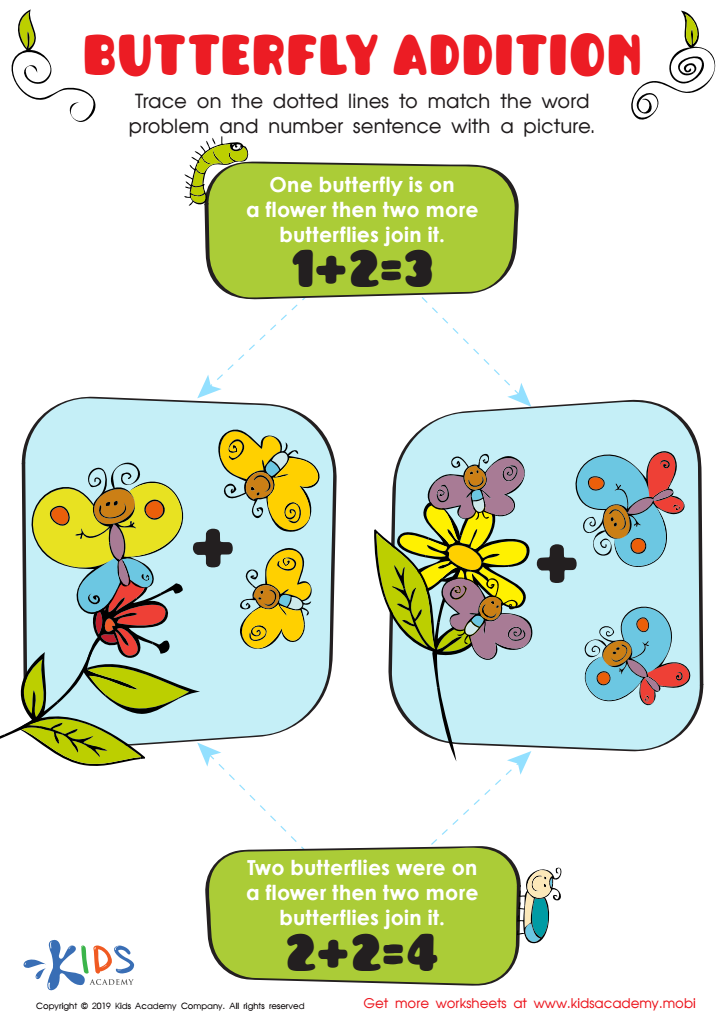
Butterfly Addition Worksheet
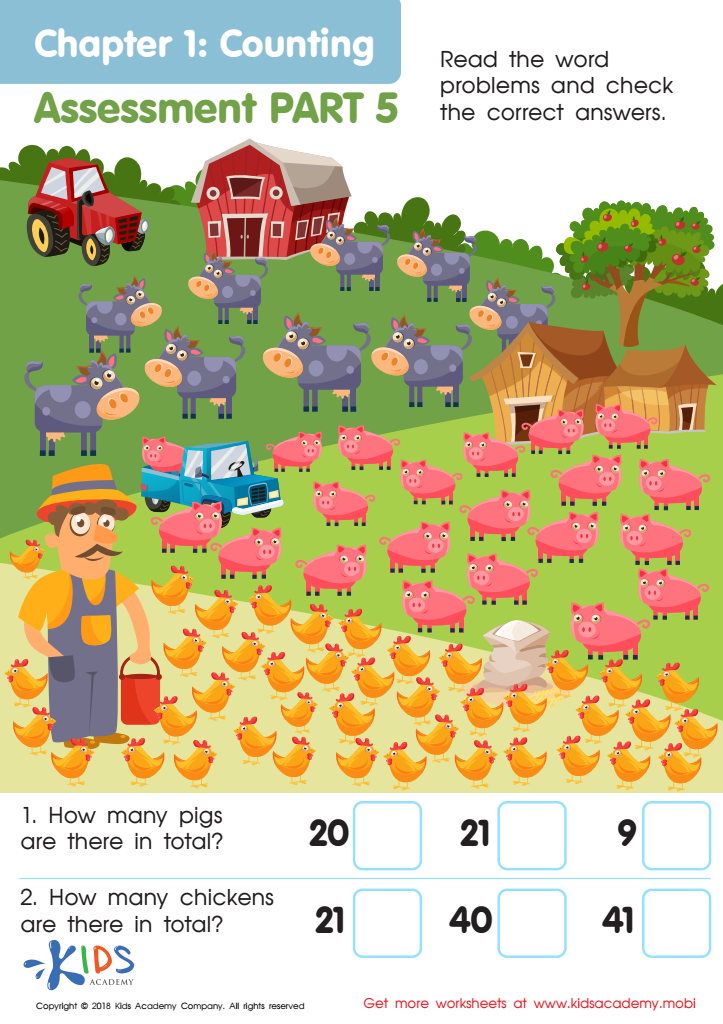
Counting: Assessment 5 Worksheet







Understanding symmetry in kindergarten mathematics is crucial for several reasons that benefit both children and the adults involved in their education. First, symmetry helps young learners develop critical thinking skills. By recognizing and creating symmetrical patterns, children enhance their ability to analyze shapes and organize information, laying the foundation for future geometry skills.
Moreover, symmetry is not just a mathematical concept; it exists in nature, art, and everyday life. Introducing symmetry enables children to appreciate the world around them, fostering creativity as they discover artistic patterns and structural designs. This exploration can lead to greater engagement in math, making it more relatable and enjoyable.
Additionally, understanding symmetry promotes spatial awareness, which is essential to many disciplines, including science, engineering, and technology. As parents and teachers encourage recognition of symmetrical relationships, they are instilling a sense of confidence in children about tackling more complex mathematical ideas in the future.
Finally, symmetry activities often involve cooperative games and discussions, enhancing social skills and teamwork. In summary, caring about symmetry in kindergarten math supports holistic development—cognitive, creative, social, and emotional—essential for a child’s educational journey.








