Visual Perception Skills Kindergarten Math Worksheets
5 filtered results
-
From - To
Our Visual Perception Skills Kindergarten Math Worksheets are designed to enhance young learners' ability to process and interpret visual information. These engaging, expertly crafted worksheets help children develop essential skills such as shape recognition, patterning, spatial awareness, and fine motor coordination. Perfect for classroom or at-home learning, they support early math proficiency by providing fun, hands-on activities that keep kids motivated and eager to learn. Whether sorting objects by size or matching shapes, our worksheets lay a strong foundation for future academic success. Unlock your child's potential and make learning math an enjoyable adventure with our comprehensive worksheets.
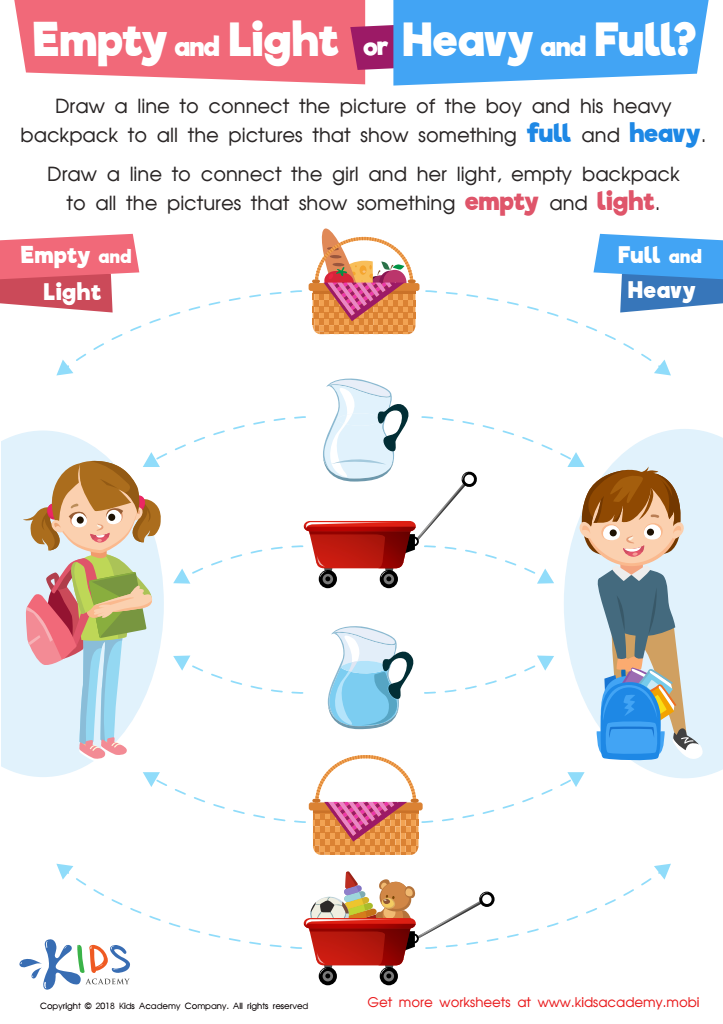
Empty and Light or Heavy and Full? Worksheet
 Assign to My Students
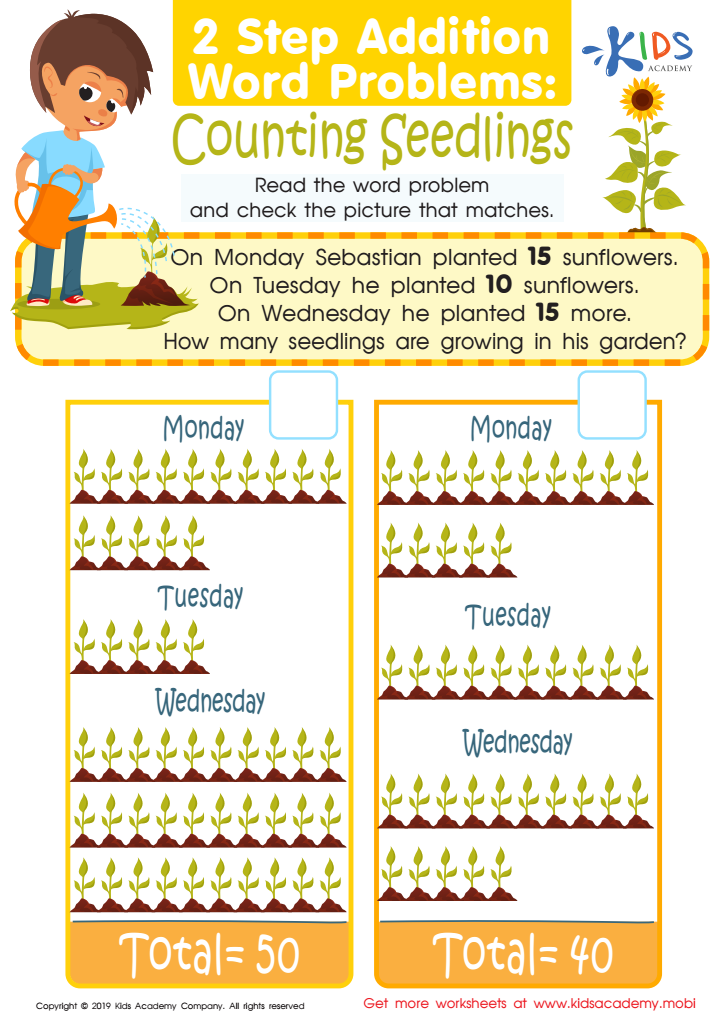
Counting Seedlings Worksheet
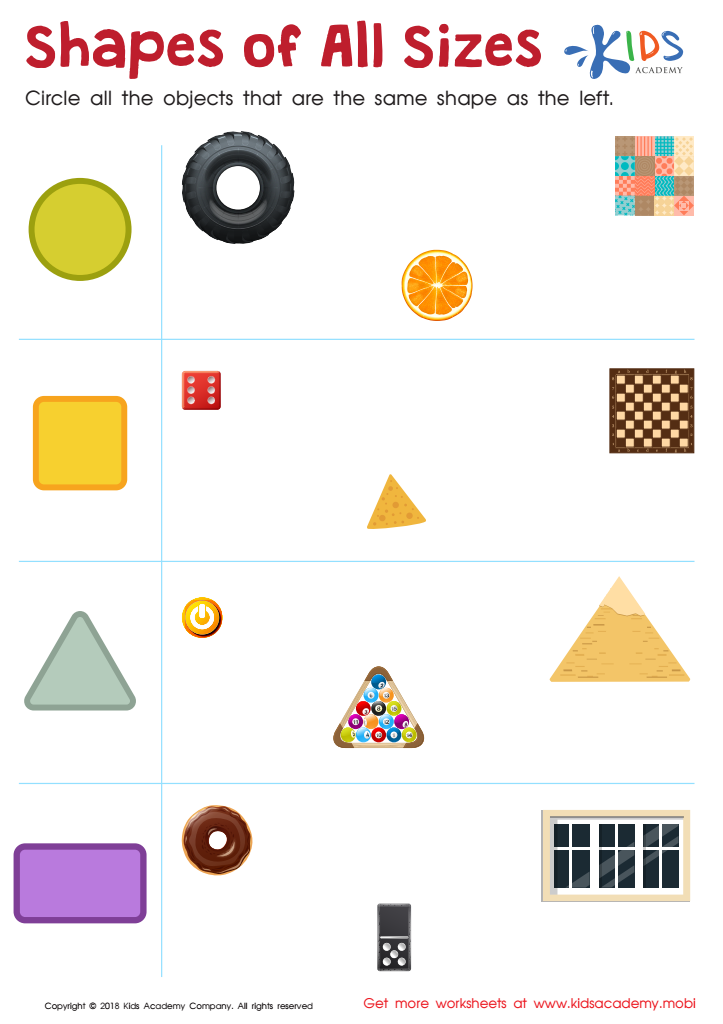
Shapes of All Sizes Worksheet
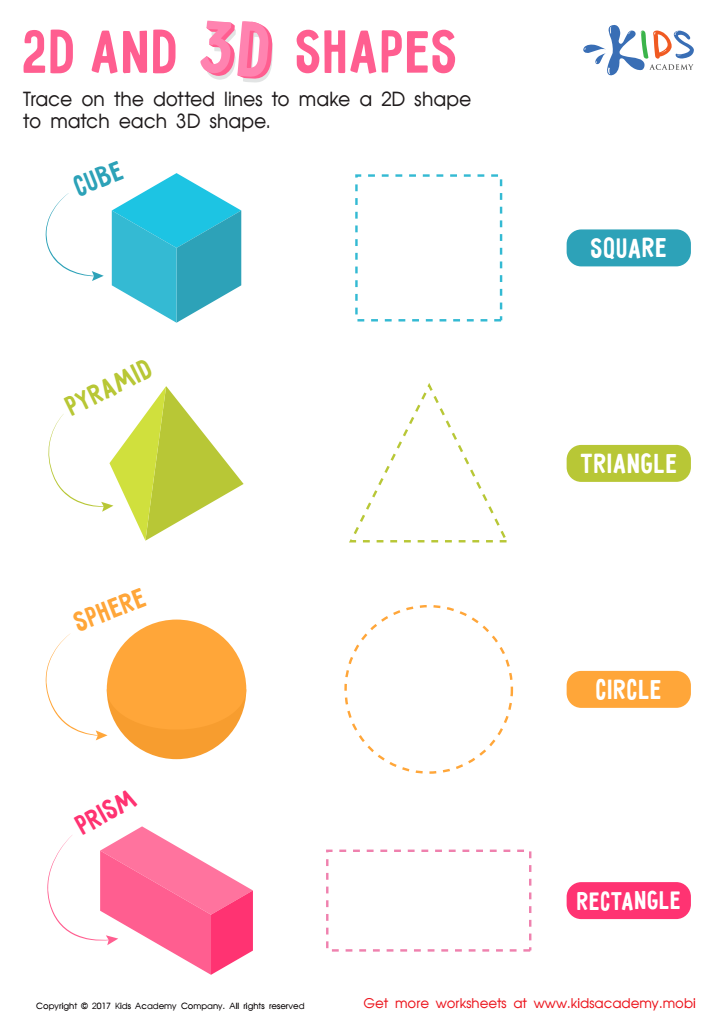
2D and 3D Shapes Worksheet
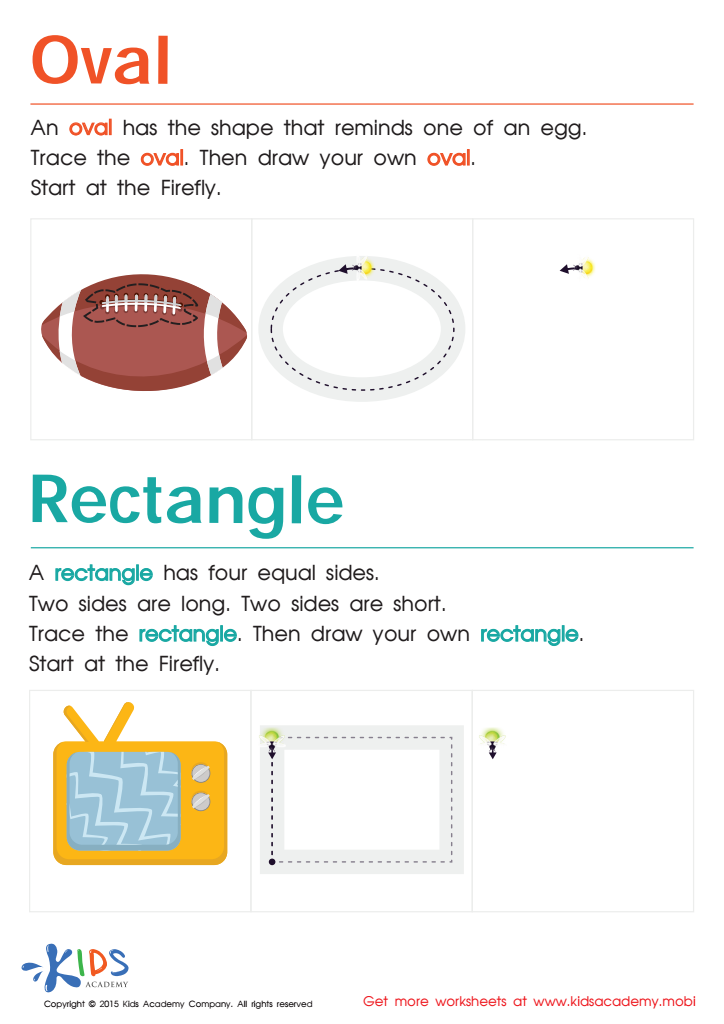
Easy Drawing of Ovals And Rectangles Worksheet






.jpg)

Visual perception skills are crucial in kindergarten math as they form the foundation of many essential learning processes. Parents and teachers should care about fostering these skills because they directly impact a child's ability to recognize, understand, and manipulate different visual elements, which are critical for early math success. For instance, visual discrimination enables children to notice differences and similarities among shapes, numbers, and patterns—a fundamental math skill. Visual-spatial relations help children understand the concepts of position, size, and space, aiding in tasks such as solving puzzles or understanding graphs.
These skills also bolster a child's ability to follow written instructions, interpret charts, and complete hands-on activities accurately. Without well-developed visual perception skills, children might struggle with number recognition, understanding numerical relationships, sequencing, and patterning—all core components of kindergarten math. Enhancing these skills supports broader cognitive development, including memory and attention, which are vital for learning in all subjects.
Moreover, early difficulties in visual perception can impact a child's confidence and interest in math, leading to a long-term aversion to the subject. Therefore, cultivating strong visual perception skills in young learners equips them with the necessary tools not only for immediate academic success but also for a lifelong understanding and appreciation of math.








