
Basic Math Skills Kindergarten Matching Worksheets
4 filtered results
Difficulty Level
Grade
Age
-
From - To
Subject
Activity
Standards
Enhance your child's foundational math skills with our engaging Kindergarten Matching Worksheets! Designed specifically for young learners, these worksheets provide interactive ways for children to practice essential mathematical concepts, including numbers, shapes, and basic operations. Through fun matching activities, kids can develop critical thinking and problem-solving skills while enjoying the learning process. Our worksheets cater to various learning styles, ensuring that each child can grasp basic math concepts effectively. Perfect for classroom use or at-home practice, these resources aim to build confidence and proficiency in mathematics. Start nurturing a love for math in your little ones today!
Favorites
With answer key
Interactive
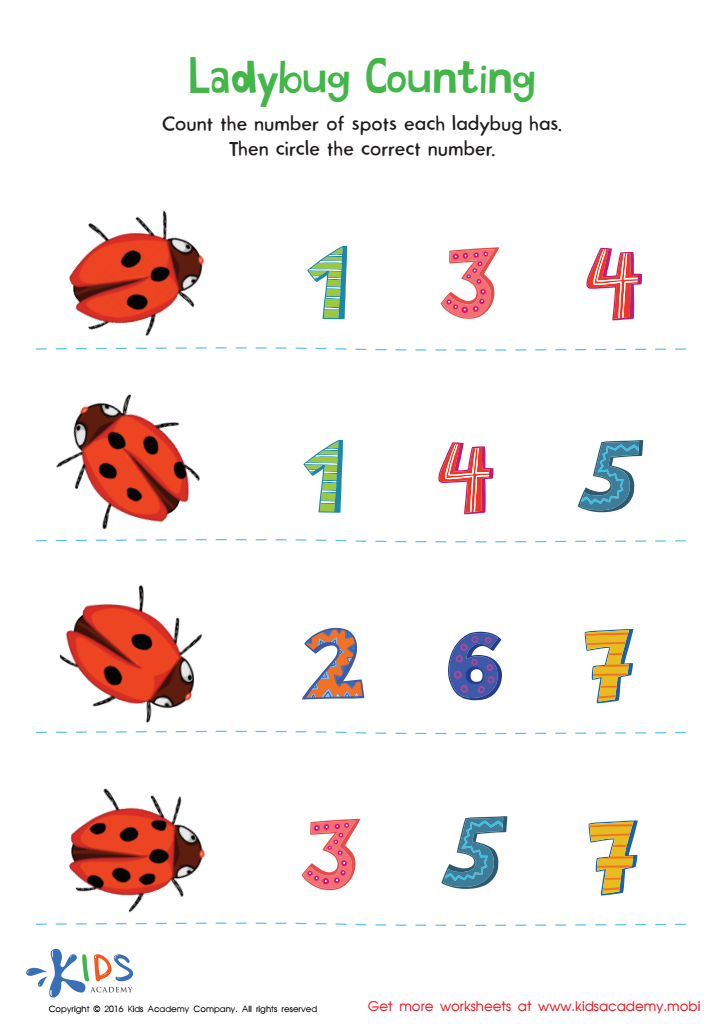
 Assign to My Students
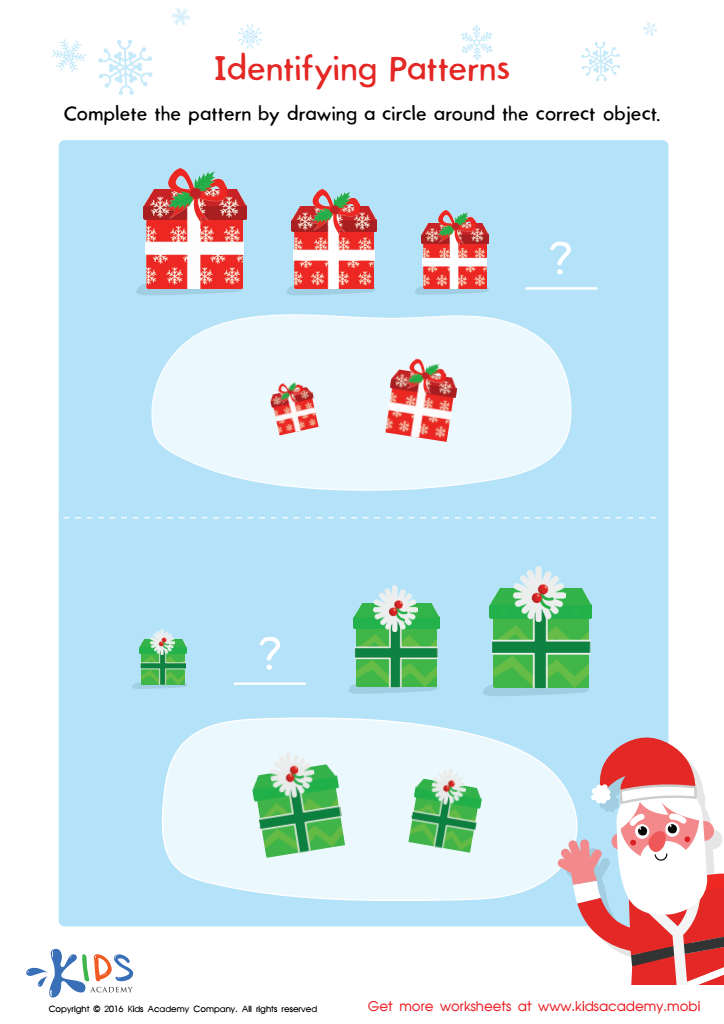
Identifying Patterns Worksheet
Kids can have fun as they learn with this festive worksheet! They'll practice early math skills while identifying patterns with colorful Christmas presents. Have your child get ready for the holidays by finding out which box comes next in the pattern!
Identifying Patterns Worksheet
Worksheet
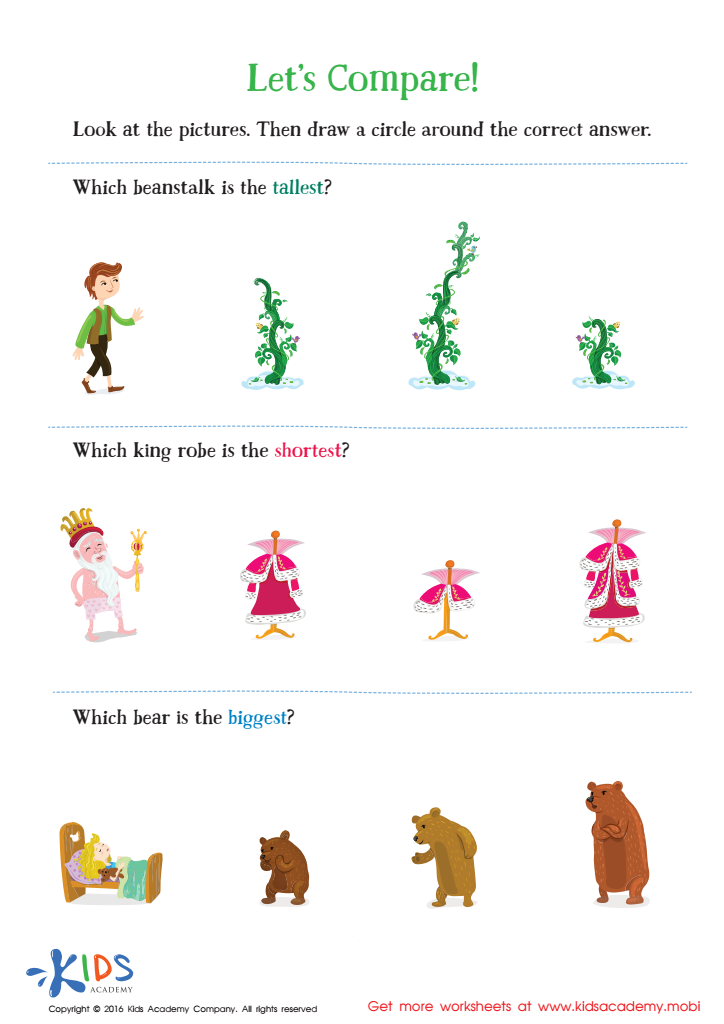
Fairy Tale Worksheet: Let's Compare
Preschoolers need to recognize different sizes of objects. This worksheet combines fun fairy tales with size practice, helping them read, problem solve, and sort through pictures. Your child will love the images and be eager to complete it. Enhance their learning by talking about the tales to build comprehension.
Fairy Tale Worksheet: Let's Compare
Worksheet
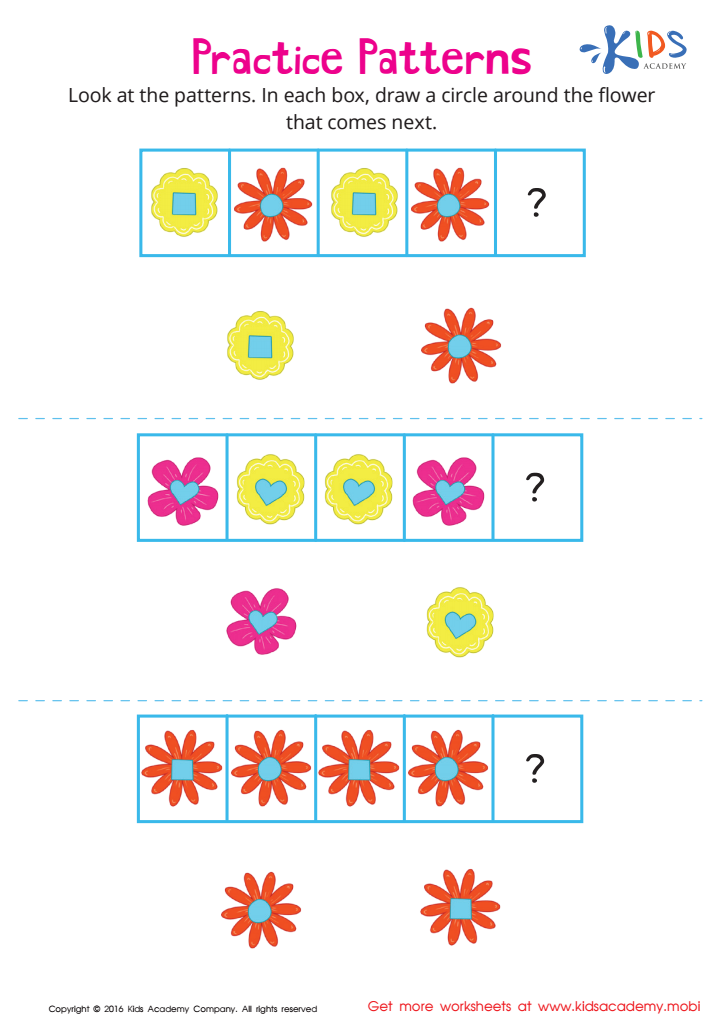
Join Kids Academy for Free
Who is primarily going to use this learning content?


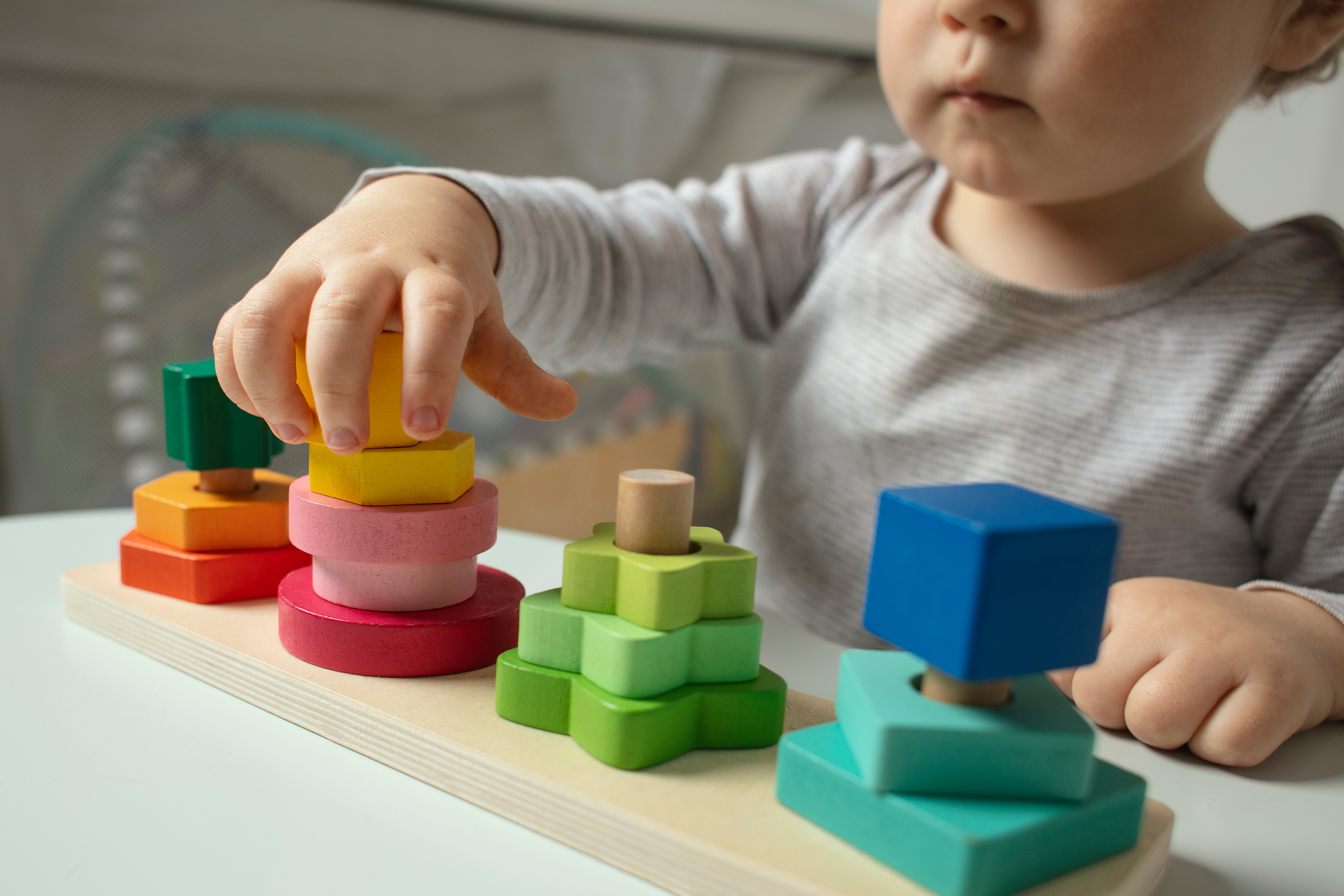





Basic math skills, particularly in the realm of matching, are fundamental for children's cognitive development and future academic success. In kindergarten, children are introduced to concepts like size, shape, number, and color through matching activities. These exercises not only foster numerical understanding but also enhance critical thinking and problem-solving skills.
When children engage in matching activities, they learn to recognize similarities and differences, aiding their classification abilities. This is essential for understanding more complex mathematical concepts down the line. For instance, matching number cards to corresponding groups of objects reinforces number recognition and counting—skills pivotal in their overall numeracy development.
Parents and teachers should prioritize basic math skills, as they lay the groundwork for lifelong learning. By participating in matching games at home or in the classroom, adults can create a rich, interactive learning environment that makes math enjoyable. Additionally, this early exposure helps to identify any potential difficulties in math, allowing for timely intervention.
Furthermore, basic math skills are linked to everyday life scenarios, enabling children to make sense of the world around them. Developing these skills early not only boosts confidence but can lead to more positive attitudes towards math in the future, setting the stage for academic achievement.








