Sequencing Skills Kindergarten Reading Worksheets
4 filtered results
Difficulty Level
Grade
Age
-
From - To
Subject
Activity
Standards
Enhance your kindergartner's reading abilities with our Sequencing Skills Kindergarten Reading Worksheets from Kids Academy. These engaging and educational worksheets are designed to develop young learners' understanding of sequence in stories. Through fun and interactive exercises, children practice putting events in order, improving their comprehension and critical thinking skills. Our printable worksheets include vibrant illustrations and appealing activities that keep kids interested and motivated. Perfect for classroom use or at-home practice, these sequencing worksheets provide a solid foundation for early reading success. Help your child master sequencing and unlock their full reading potential today!
Favorites
With answer key
Interactive
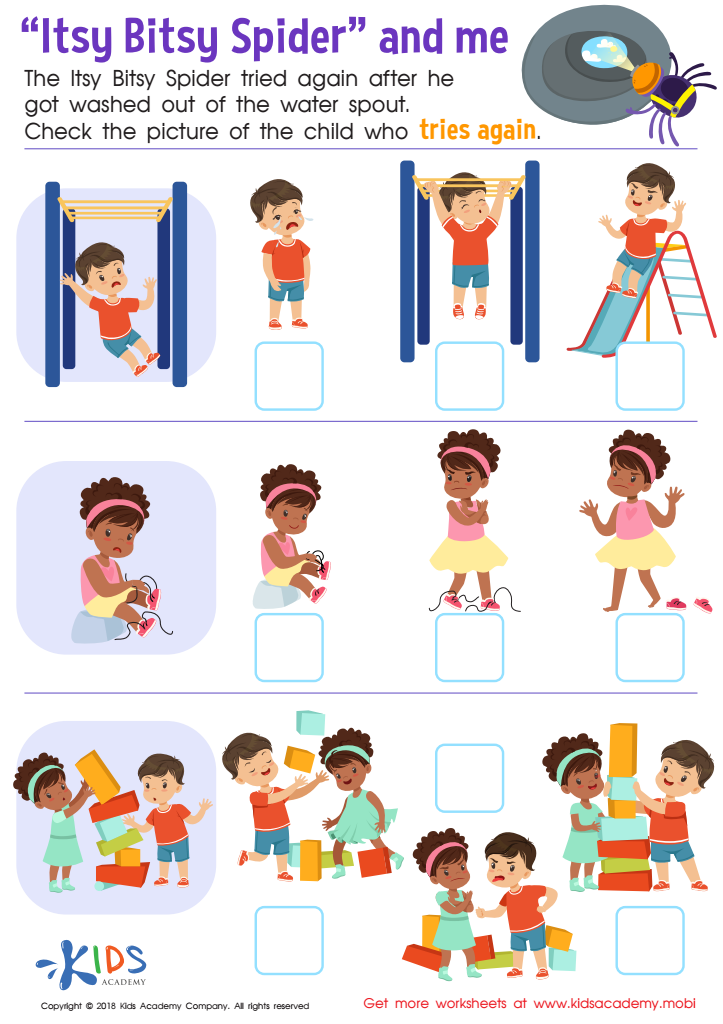
Itsy Bitsy Spider and Me Worksheet
Ensure your child's success - teach them determination and perseverance! Introduce them to the Itsy-Bitsy spider and this fun worksheet. It shows kids working hard and teaches them to 'try again.' Have them identify scenes and check the box for those who succeeded.
 Assign to My Students
Itsy Bitsy Spider and Me Worksheet
Worksheet
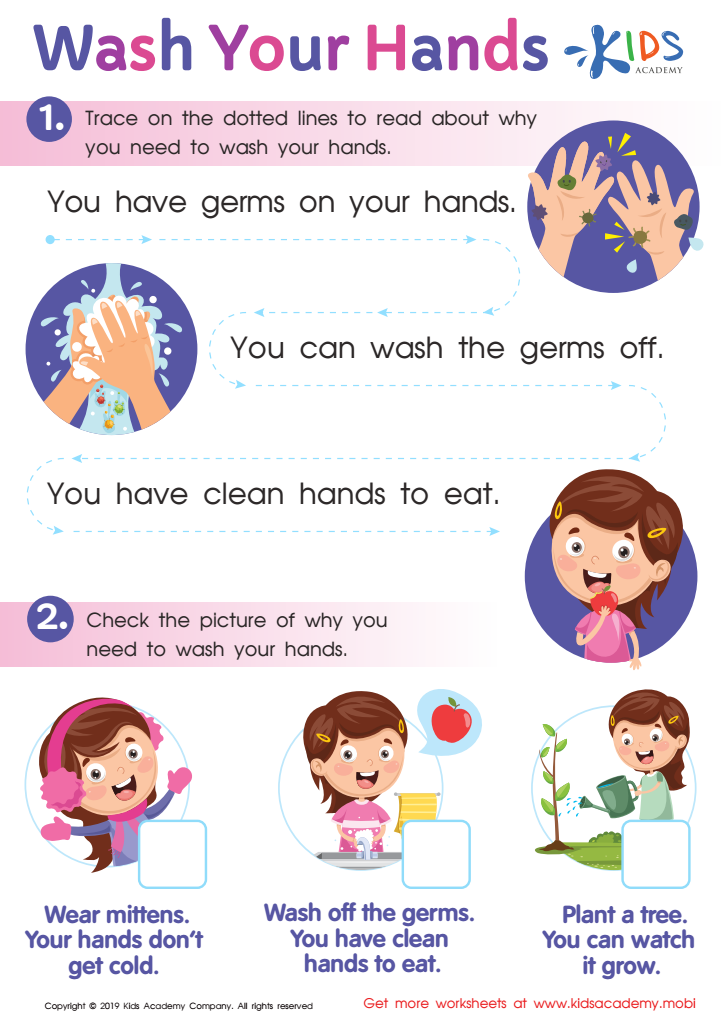
Wash Your Hands Worksheet
Kids learn best when they understand why they need to do something. This free worksheet uses traceable lines and pictures to teach them about germs and why washing hands is important. The child follows a left-to-right sequence and must check the correct picture to show they understand.
Wash Your Hands Worksheet
Worksheet
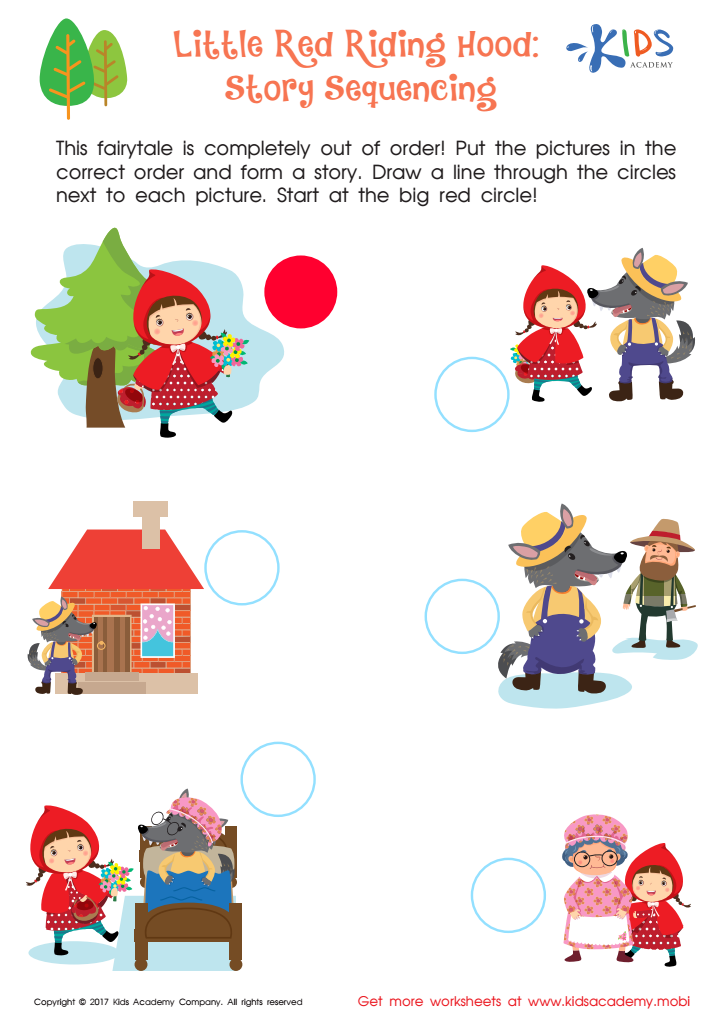
Story Sequencing Printable
Children must identify story events in sequential order to build a better understanding of plot.
Help your child learn how to understand plot with this fun comprehension worksheet: Little Red Riding Hood! Guide them to identify story events and order them correctly to boost their reading skills.
Story Sequencing Printable
Worksheet
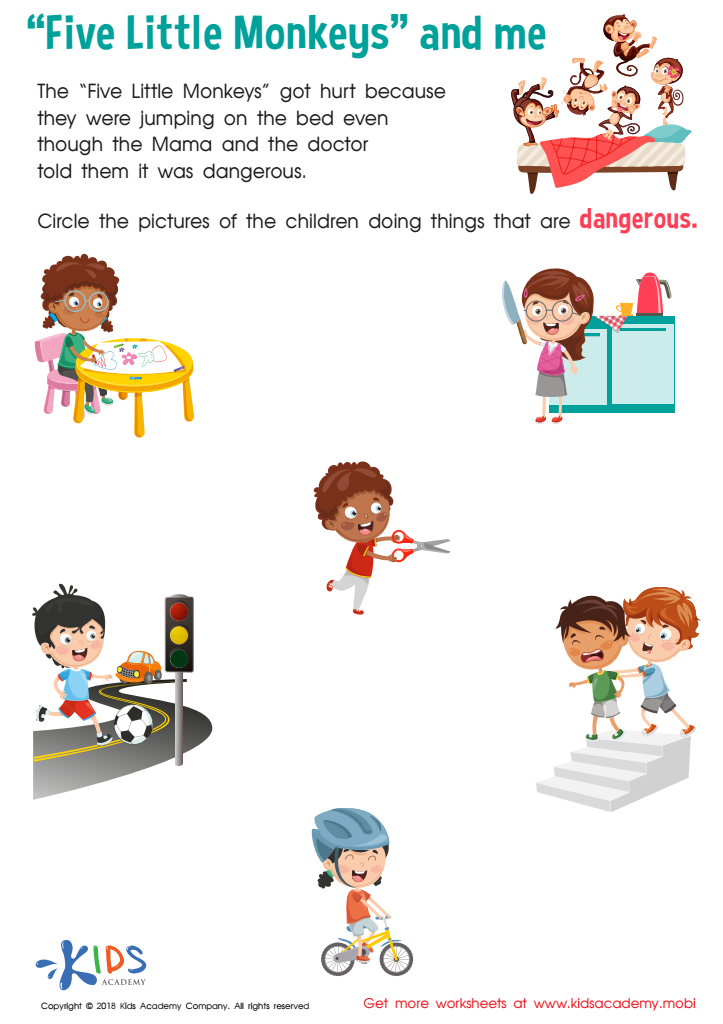
Five Little Monkeys and Me Worksheet
This free PDF worksheet provides preschoolers an understanding of danger and appropriate play. It allows them to recognize dangerous situations and why they can be risky, granting kids perspective from both parents and teachers. It's a fun, safe way to help them internalize what's dangerous and what's not.
Five Little Monkeys and Me Worksheet
Worksheet
Join Kids Academy for Free
Who is primarily going to use this learning content?








Sequencing skills in kindergarten reading are crucial as they lay the foundation for essential academic and life skills. When children learn to understand the order of events, it greatly enhances their comprehension abilities. This foundational step is pivotal in reading fluency; recognizing the beginning, middle, and end of a story helps young readers grasp context and predict outcomes, fostering better engagement with the text.
Moreover, sequencing supports cognitive development by advancing children's logical thinking. Being able to arrange events in a logical order not only aids in story comprehension but also extends to other academic areas like math and science, where understanding sequences and patterns is key.
For parents and teachers, emphasizing sequencing skills can also indirectly boost children's confidence and independence. When children can organize thoughts and tasks sequentially, it empowers them to feel more in control of their learning and day-to-day activities. Furthermore, sequencing is vital for effective communication. It enables children to articulate their experiences and ideas coherently, which is essential for social interactions and emotional intelligence.
In essence, nurturing sequencing skills in kindergarten prepares children for more complex academic challenges ahead and promotes holistic developmental growth. It helps children transition from early readers to proficient learners capable of critical thinking and problem-solving.