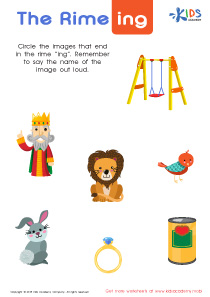
Vocabulary Building Kindergarten Reading Worksheets
5 filtered results
-
From - To
Unlock your child's potential with our Vocabulary Building Kindergarten Reading Worksheets! Designed to support early learning, these engaging activities focus on enhancing word recognition, contextual understanding, and language skills. Each worksheet provides fun, interactive exercises using colorful illustrations and kid-friendly content to make learning enjoyable. Your child will develop a strong vocabulary foundation, essential for fostering reading confidence and academic success. Whether at home or in the classroom, our worksheets offer the perfect blend of education and entertainment. Empower your kindergartener to become a confident reader with these expertly crafted vocabulary-building resources. Explore and download today!
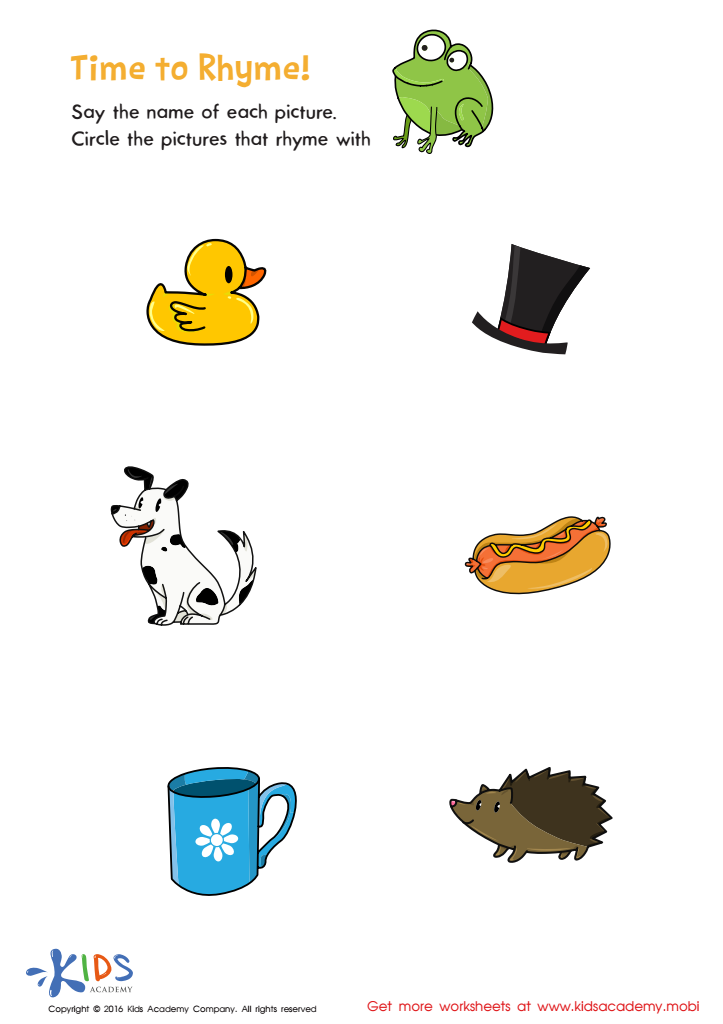
Rhyming Worksheet: Time to Rhyme Rhyming Worksheet
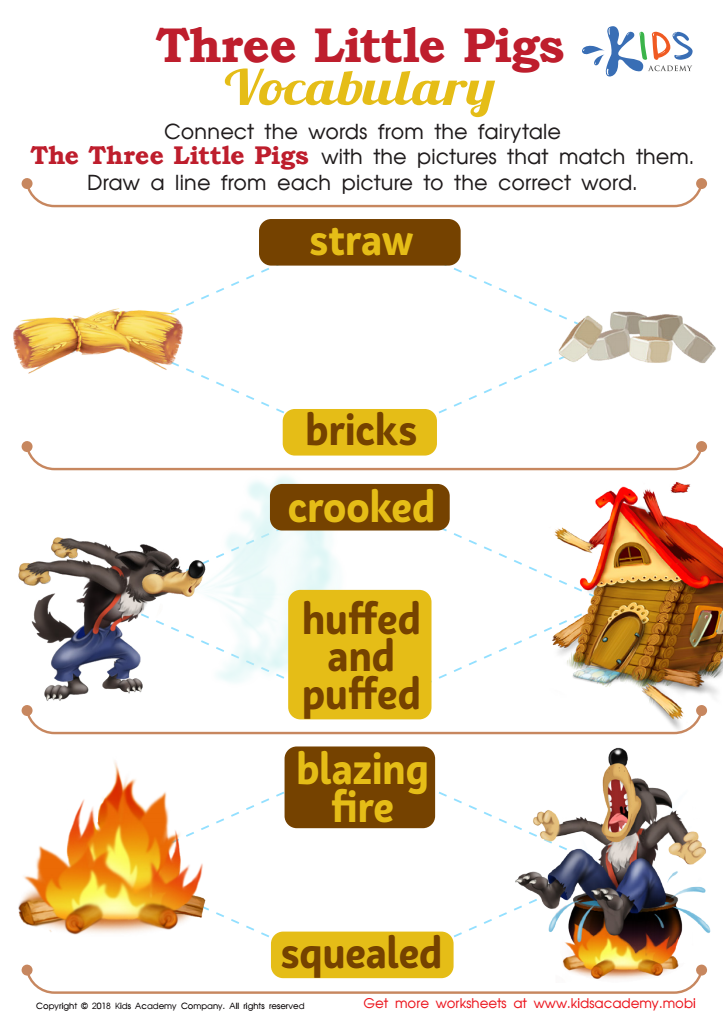
Three Little Pigs Vocabulary Worksheet
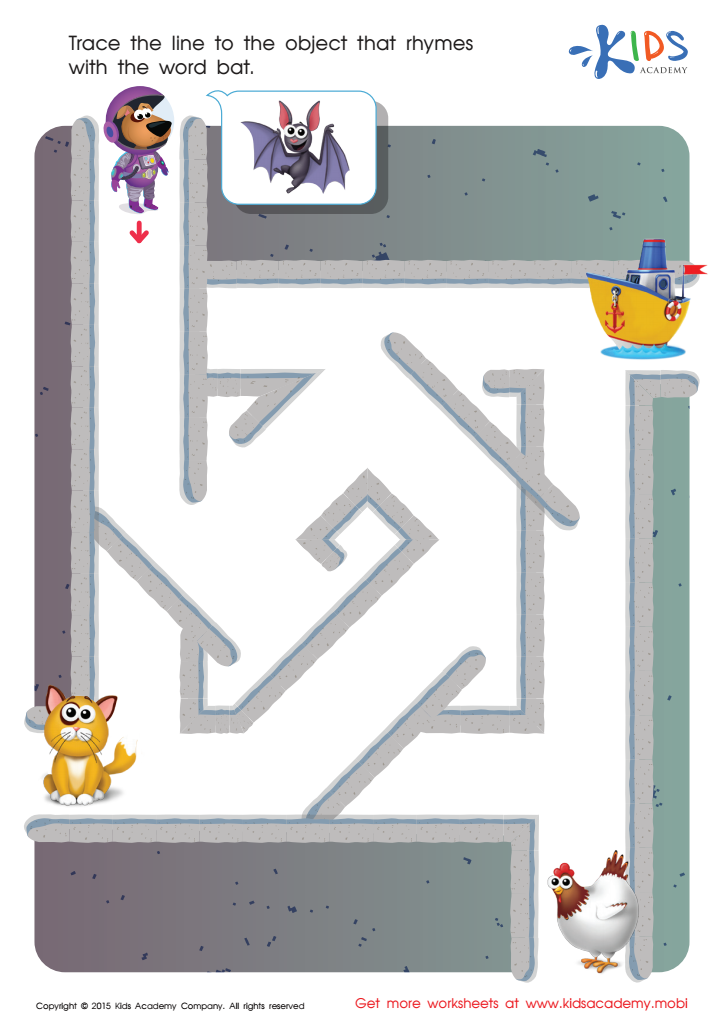
Bat Rhyming Words Worksheet
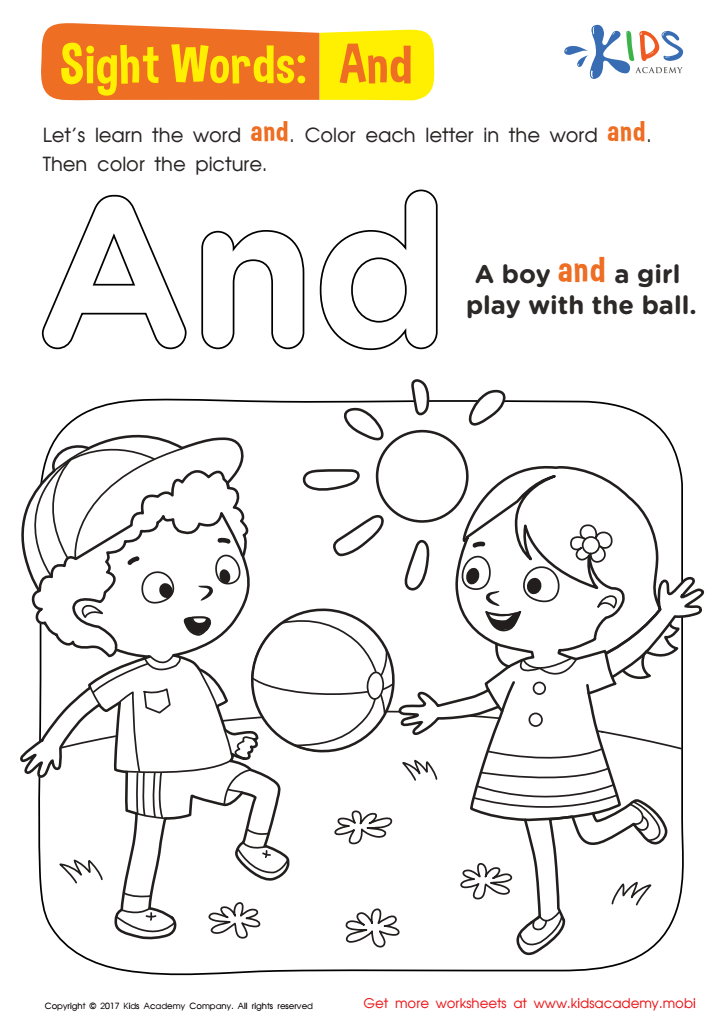
And Worksheet Sight Words Worksheet
 Assign to My Students







Vocabulary building in kindergarten reading is crucial as it lays the foundation for a child's future language development, literacy skills, and academic success. During the kindergarten years, a child’s brain is highly receptive to learning new words and developing verbal communication skills. A robust vocabulary fosters better comprehension, enhances the ability to express thoughts and feelings, and improves listening skills.
For parents and teachers, investing time and resources into this practice supports a child's confidence and curiosity. A rich vocabulary helps young learners understand stories and instructions better, paving the way for effective learning across subjects. Research shows a strong correlation between vocabulary size in early childhood and later academic achievement. Children with extensive vocabularies are more likely to excel in reading and writing, which are essential for overall educational performance.
Additionally, early vocabulary acquisition influences social skills. Children who are articulate can engage more meaningfully with peers and adults, aiding emotional and social development. Efficient communication skills are beneficial for solving problems, asking questions, and forming relationships. Therefore, parents and teachers should prioritize vocabulary building to equip children with essential tools helpful both in school and beyond. This concerted effort ensures they have a strong start in their educational journey.