Logical Reasoning Kindergarten Science Worksheets
4 filtered results
Difficulty Level
Grade
Age
-
From - To
Subject
Activity
Standards
Discover our engaging Logical Reasoning Kindergarten Science Worksheets designed to enhance critical thinking skills in young learners. These worksheets offer fun and interactive activities that challenge children to observe, analyze, and draw conclusions about the world around them. Through themed exercises, kids will explore topics such as patterns, comparisons, classifications, and problem-solving strategies. Our workbook fosters curiosity and encourages scientific inquiry, making learning an enjoyable experience. Ideal for both home and classroom settings, these worksheets help establish a strong foundation in logical reasoning, setting students on a path for future success in science and beyond. Start your teaching journey today!
Favorites
With answer key
Interactive
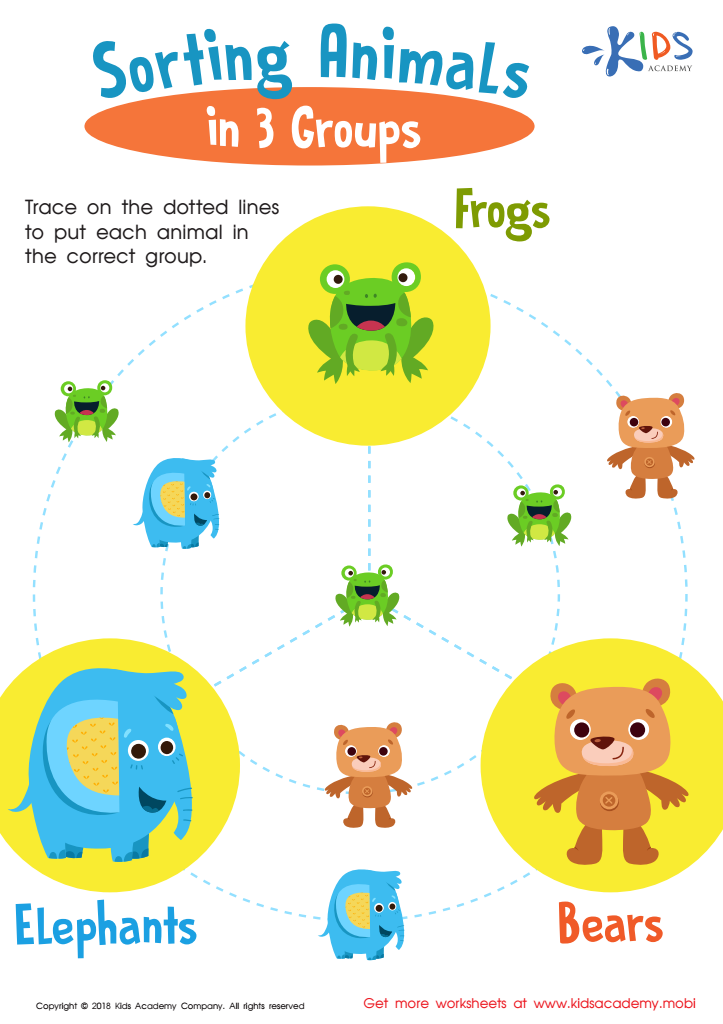
Sorting Animals in 3 Groups Worksheet
Let your kids practice and build skills for future Venn Diagrams with this PDF worksheet. They'll trace lines to match and group animals, and learn the differences and similarities of animals by categorizing with pictures and words. Plus, it's a great way to develop fine motor skills.
Sorting Animals in 3 Groups Worksheet
Worksheet
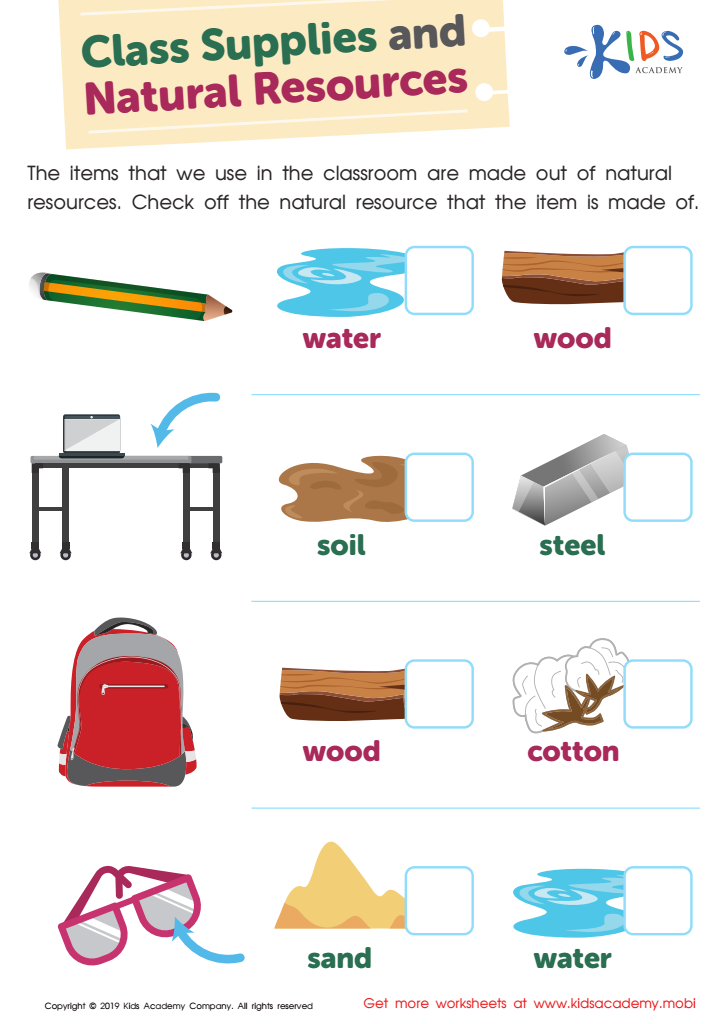
Class Supplies and Natural Resources Worksheet
Look around the classroom with your students. Can they identify objects and name their natural resources? E.g. wood, cotton, steel. Ask your child to find an object made from wood. Then, look at this worksheet together. Ask your students to identify each object and check off the natural resource it's made from.
Class Supplies and Natural Resources Worksheet
Worksheet
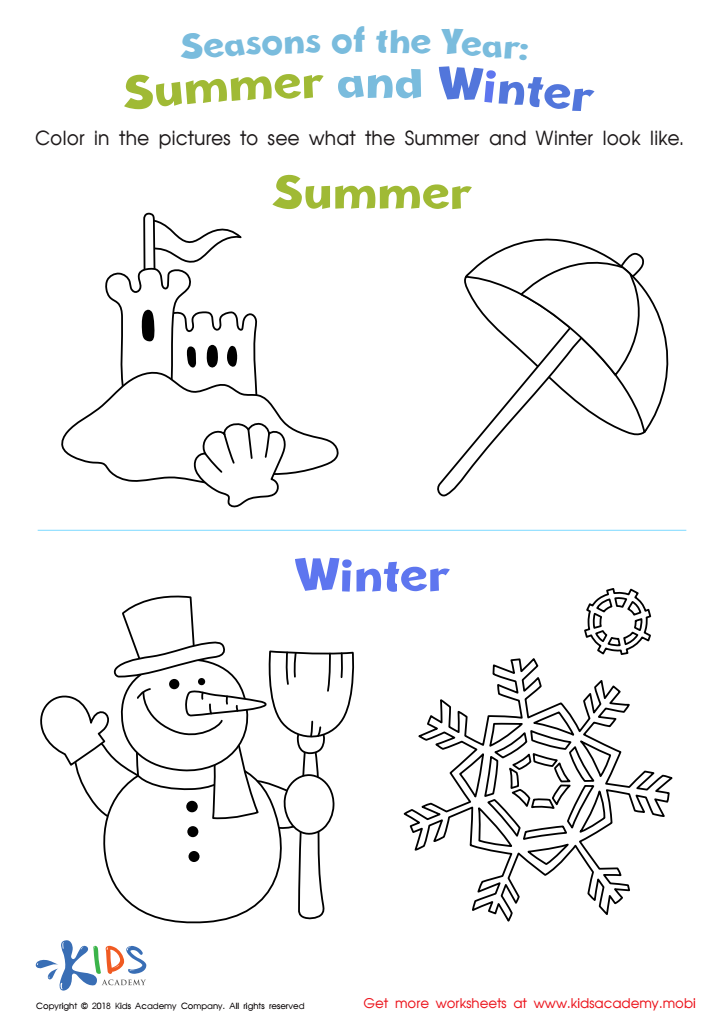
Summer and Winter Worksheet
Ask your child what they associate with winter and summer. What do they look forward to in winter? What colors do they see most? What do they love doing in summer? Help them color in the pictures of winter and summer in the worksheet, choosing the colors they think best represent each season.
Download (PDF)
 Assign to My Students
Assign to My Students
Summer and Winter Worksheet
Worksheet
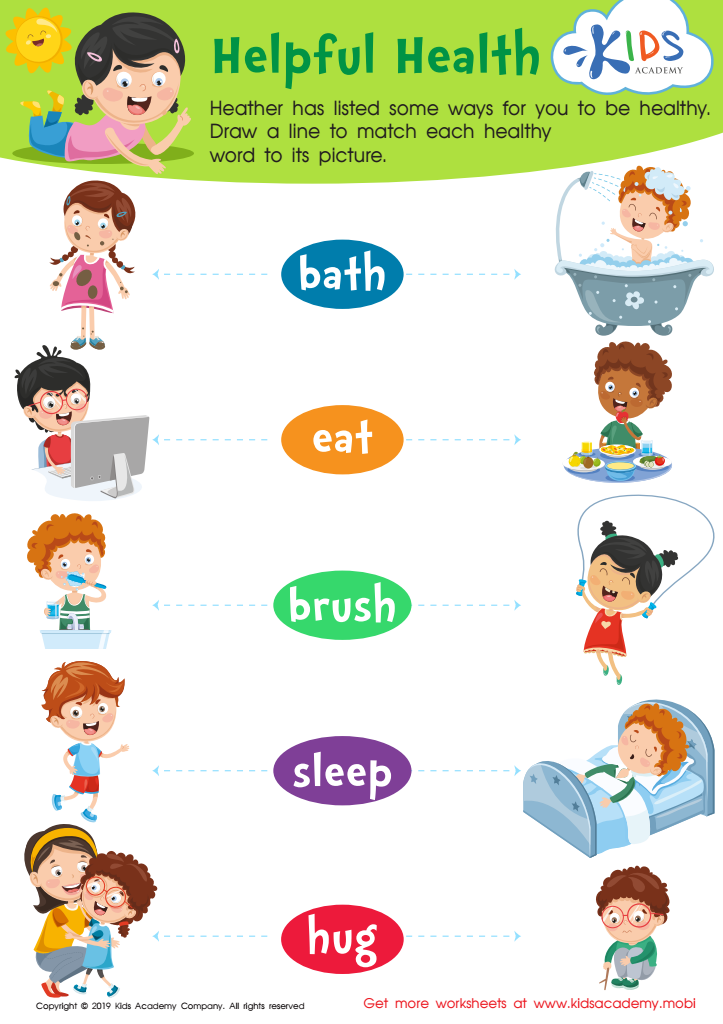
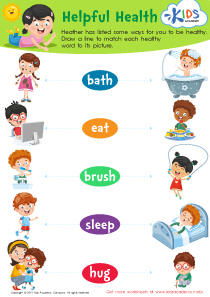
Helpful Health Worksheet
Kids can learn healthy habits with this free worksheet! With their pal Heather, they'll trace lines to connect health words with pictures like brushing teeth, hugging, and getting enough sleep. It's a great way to help young ones understand healthy activities.
Helpful Health Worksheet
Worksheet
Join Kids Academy for Free
Who is primarily going to use this learning content?


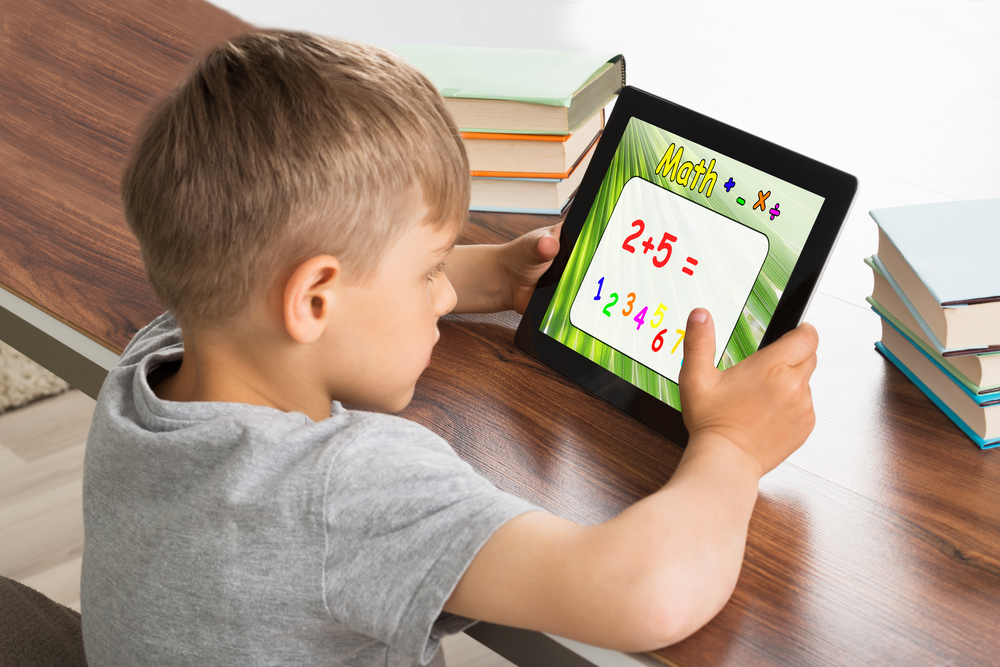





Parents and teachers should prioritize logical reasoning in kindergarten science because it lays the foundation for critical thinking and problem-solving skills essential for lifelong learning. At this early age, children begin to explore the world around them, and logical reasoning enables them to make connections, ask questions, and understand cause-and-effect relationships.
Incorporating logical reasoning into science activities fosters curiosity and nurtures their innate desire to learn. It encourages young learners to observe, hypothesize, and experiment, enhancing their ability to analyze information and draw conclusions. For instance, when children engage in hands-on investigations, such as exploring the properties of materials or the lifecycle of plants, they learn to apply logic to make sense of their observations.
Moreover, these skills support early literacy and numeracy by helping children categorize information and organize their thoughts. The ability to think logically is also crucial for academic success as children progress through their education. By investing in logical reasoning in kindergarten science, parents and teachers empower children to become confident thinkers and problem solvers, preparing them for future challenges in school and everyday life. This early exposure ultimately cultivates a love of learning and inquiry that can last a lifetime.