Filters

17 filtered results

Clear all filters
Favorites
With answer key
Interactive

17 filtered results

Difficulty Level

Grade


Subject

    Enhance your child's cognitive development with our "Adding in the Forest" worksheets! Designed to engage young learners, these worksheets combine fun and education by using an imaginative forest theme. Children will develop essential math skills, such as addition and counting, while exploring various woodland creatures and nature-related scenarios. Each activity is crafted to promote critical thinking, problem-solving, and number recognition in a playful setting. These worksheets not only make learning enjoyable but also help kids build confidence in their math abilities. Ideal for early grade students, our resources support a strong foundation for future learning. Download now and inspire curiosity in math!
    Check out this FREE Trial Lesson on Adding in the Forest!

    X

    Favorites
    With answer key
    Interactive
    • Cognitive Development
    • Adding in the Forest
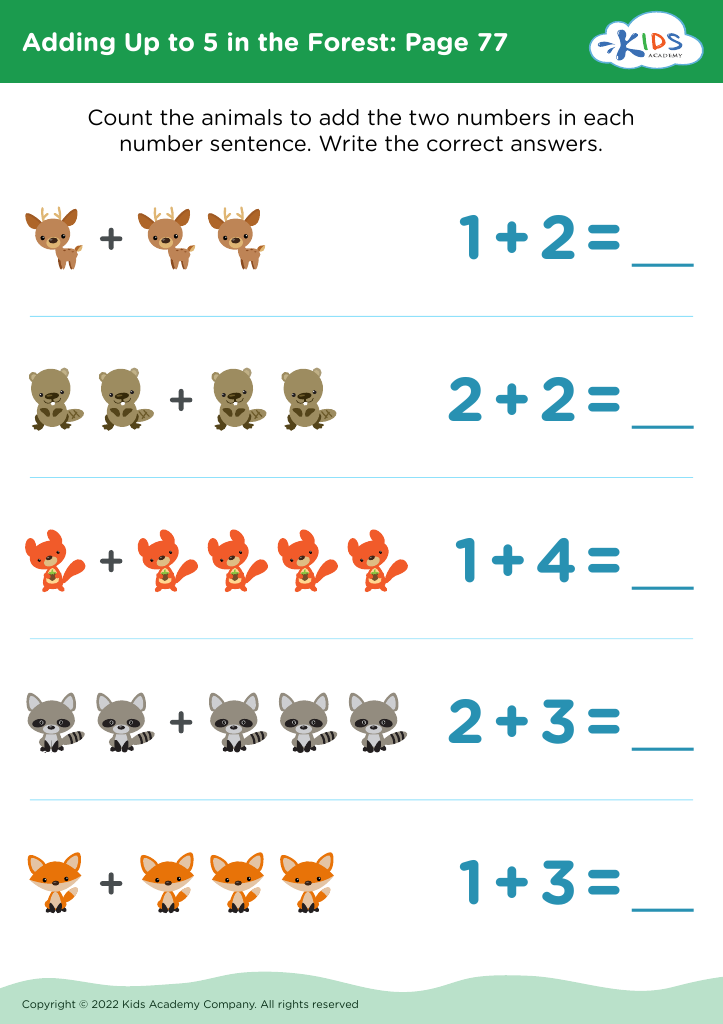
    Adding Up to 5 in the Forest: Page 77
    Adding Up to 5 in the Forest: Page 77
    Adding Up to 5 in the Forest: Page 77
    Worksheet
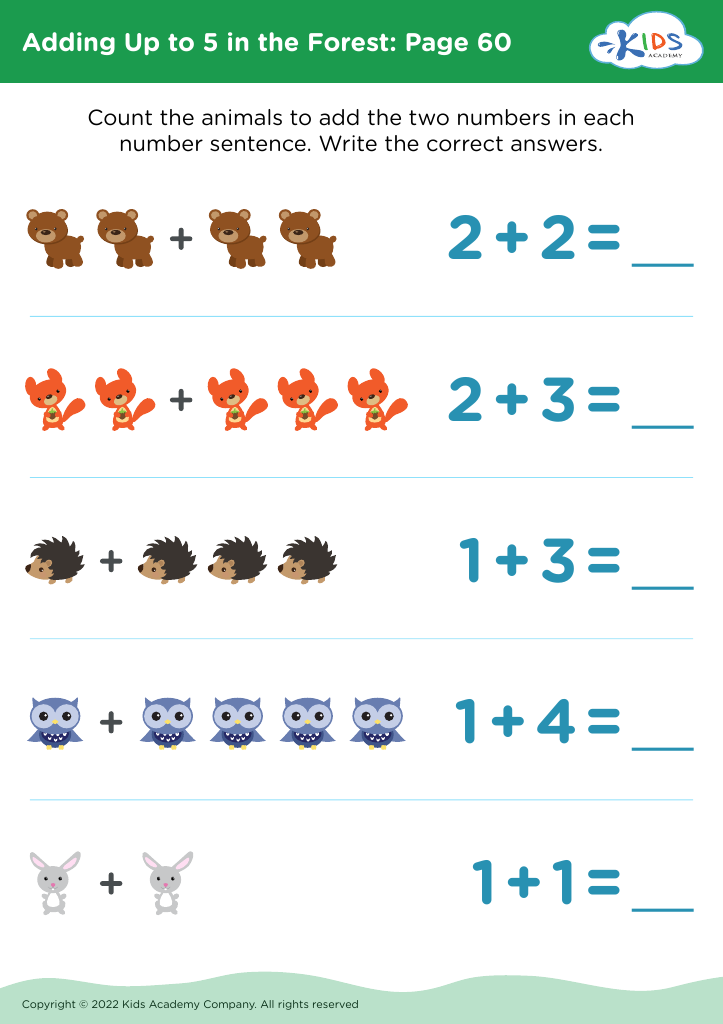
    Adding Up to 5 in the Forest: Page 60
    Adding Up to 5 in the Forest: Page 60
    Adding Up to 5 in the Forest: Page 60
    Worksheet
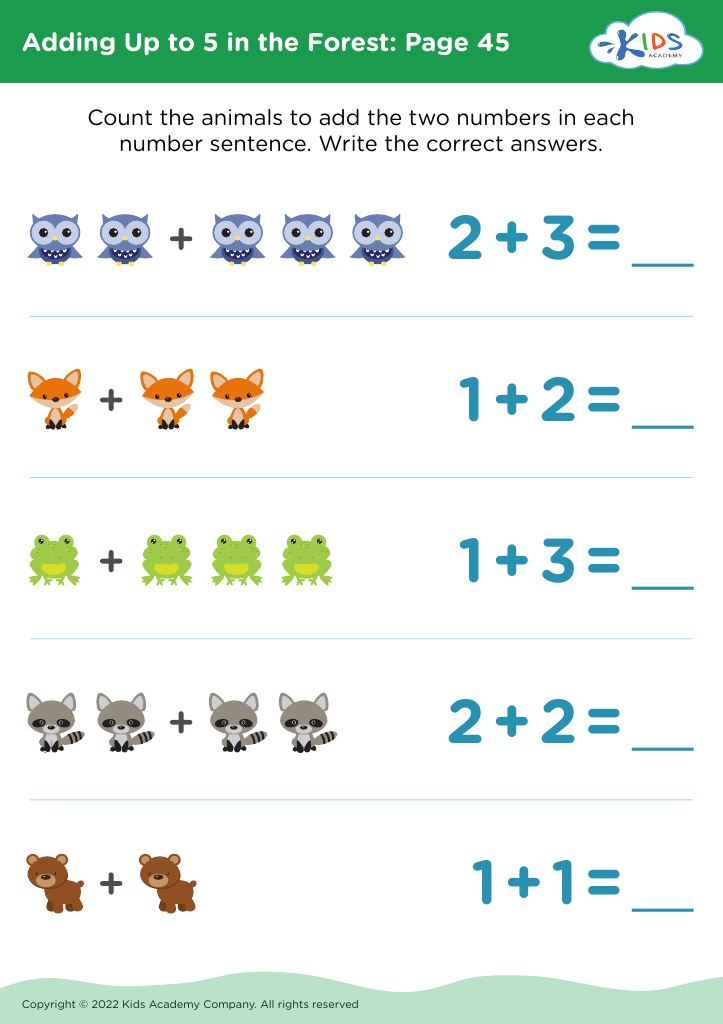
    Adding Up to 5 in the Forest: Page 45
    Adding Up to 5 in the Forest: Page 45
    Adding Up to 5 in the Forest: Page 45
    Worksheet
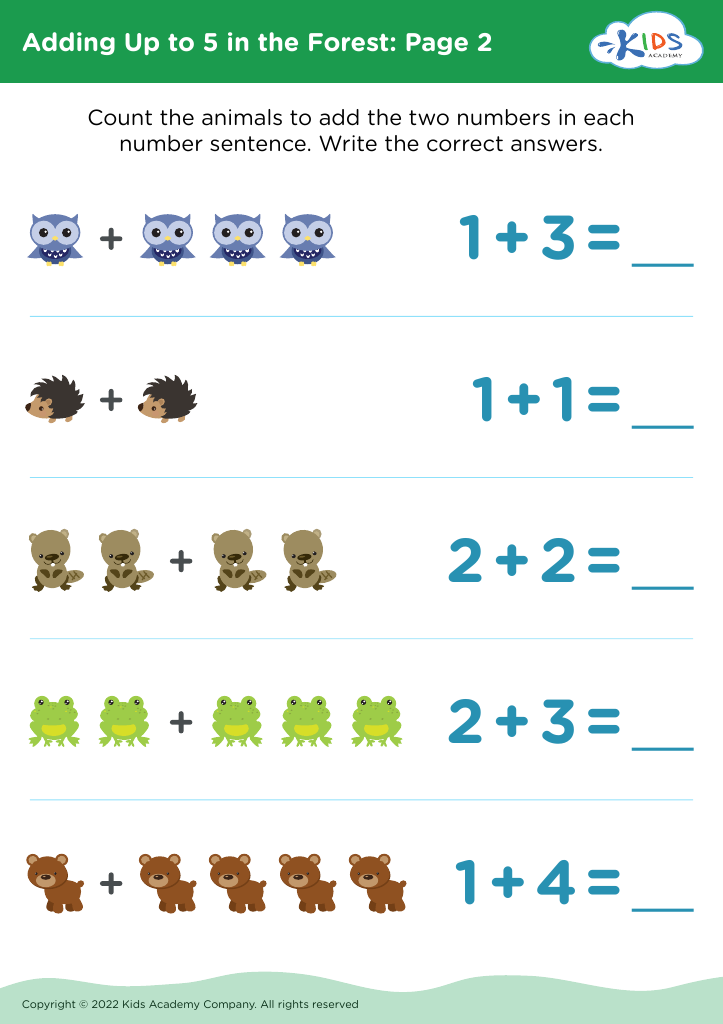
    Adding Up to 5 in the Forest: Page 2
    Adding Up to 5 in the Forest: Page 2
    Adding Up to 5 in the Forest: Page 2
    Worksheet
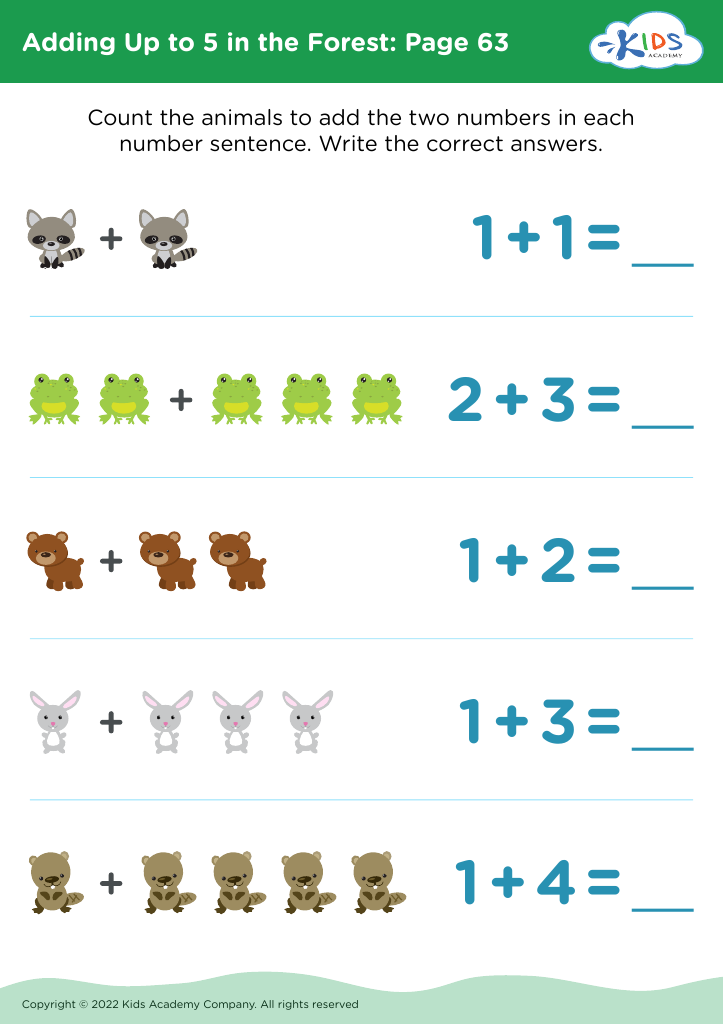
    Adding Up to 5 in the Forest: Page 63
    Adding Up to 5 in the Forest: Page 63
    Adding Up to 5 in the Forest: Page 63
    Worksheet
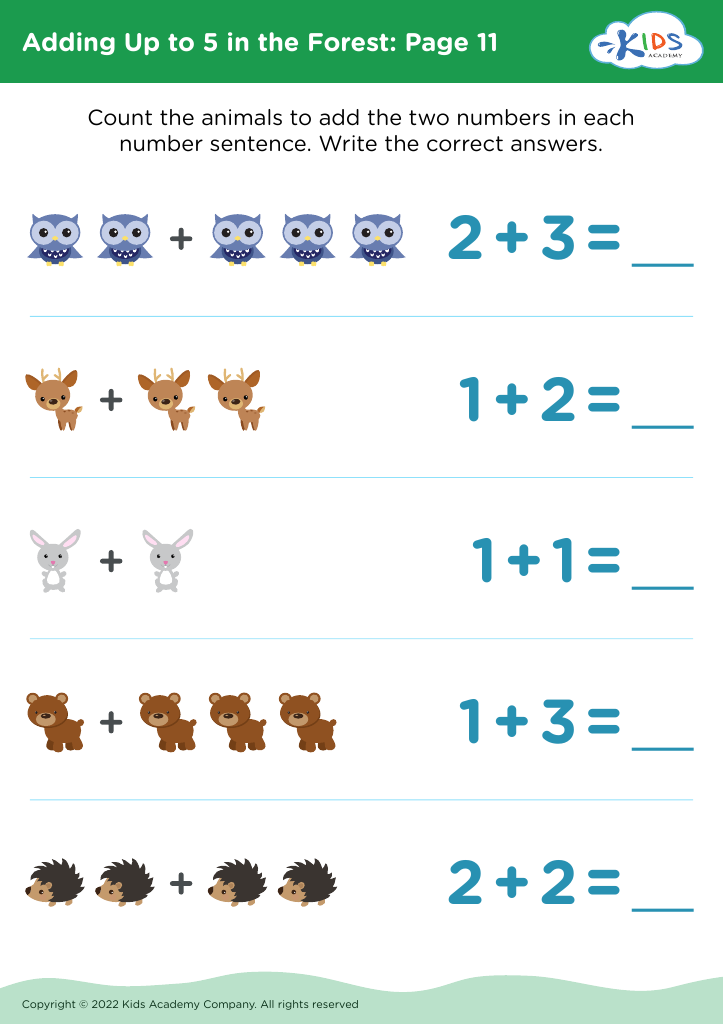
    Adding Up to 5 in the Forest: Page 11
    Adding Up to 5 in the Forest: Page 11
    Adding Up to 5 in the Forest: Page 11
    Worksheet
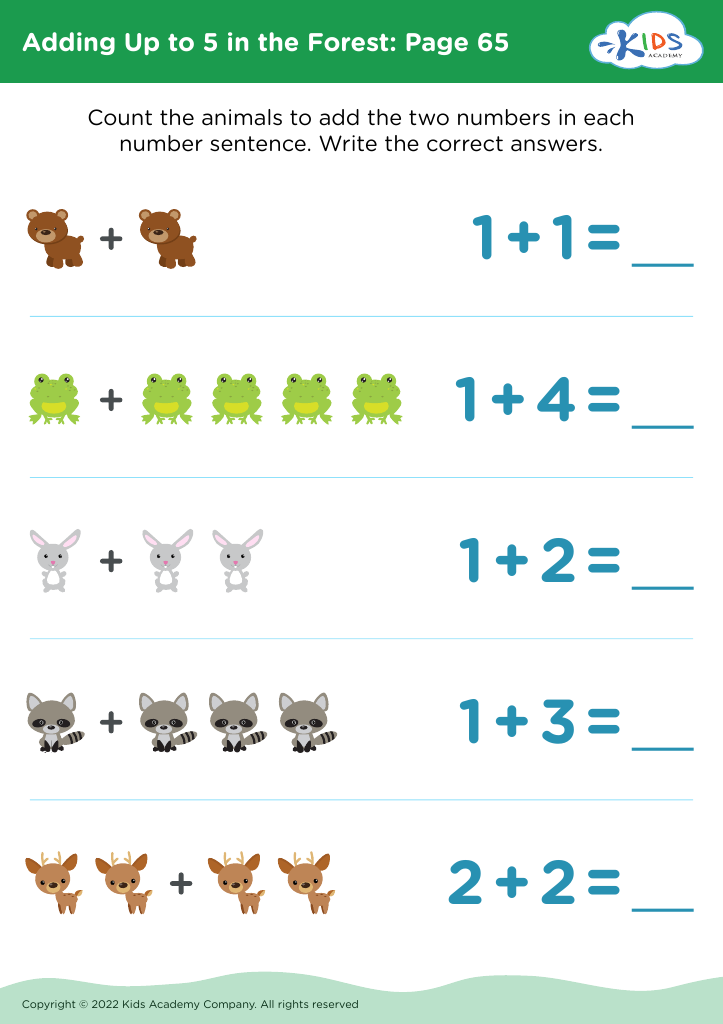
    Adding Up to 5 in the Forest: Page 65
    Adding Up to 5 in the Forest: Page 65
    Adding Up to 5 in the Forest: Page 65
    Worksheet
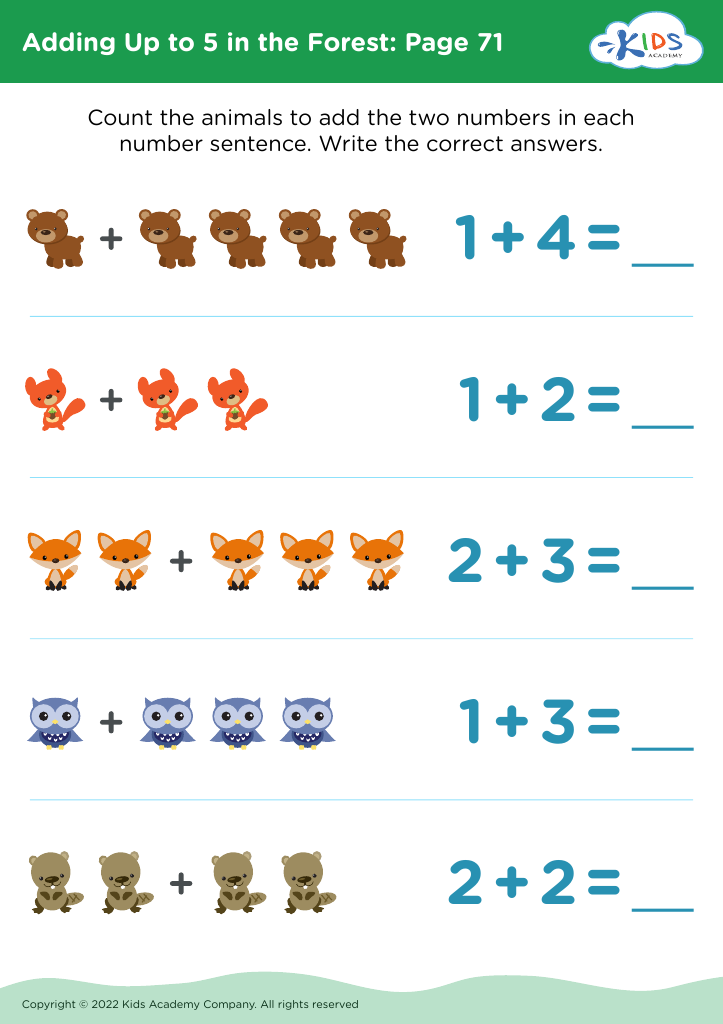
    Adding Up to 5 in the Forest: Page 71
    Adding Up to 5 in the Forest: Page 71
    Adding Up to 5 in the Forest: Page 71
    Worksheet
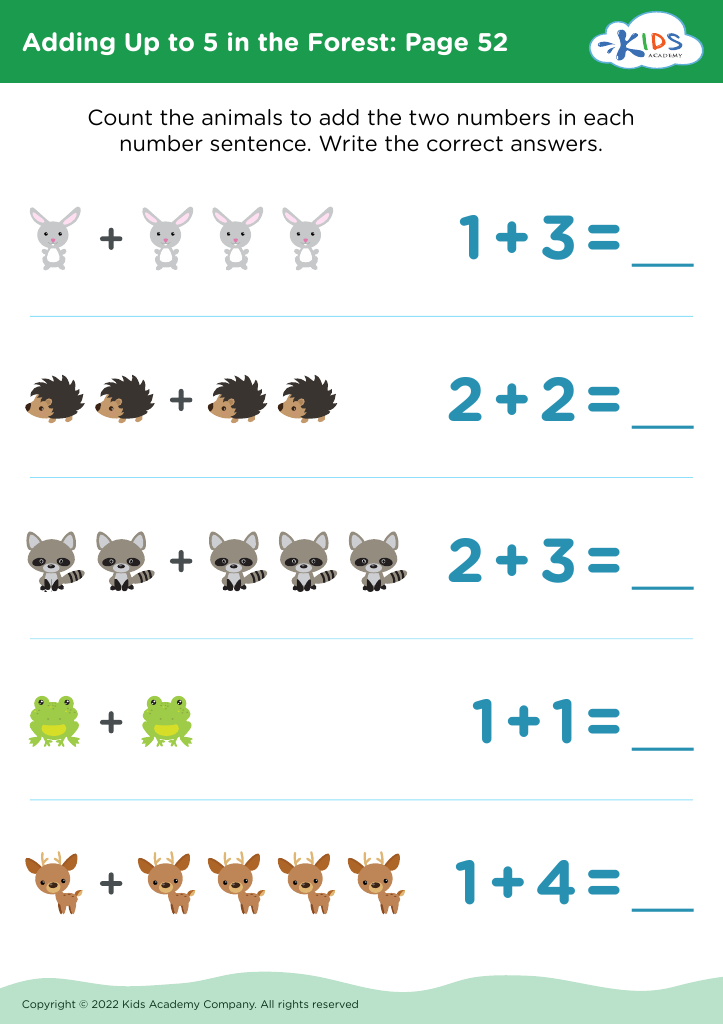
    Adding Up to 5 in the Forest: Page 52
    Adding Up to 5 in the Forest: Page 52
    Adding Up to 5 in the Forest: Page 52
    Worksheet
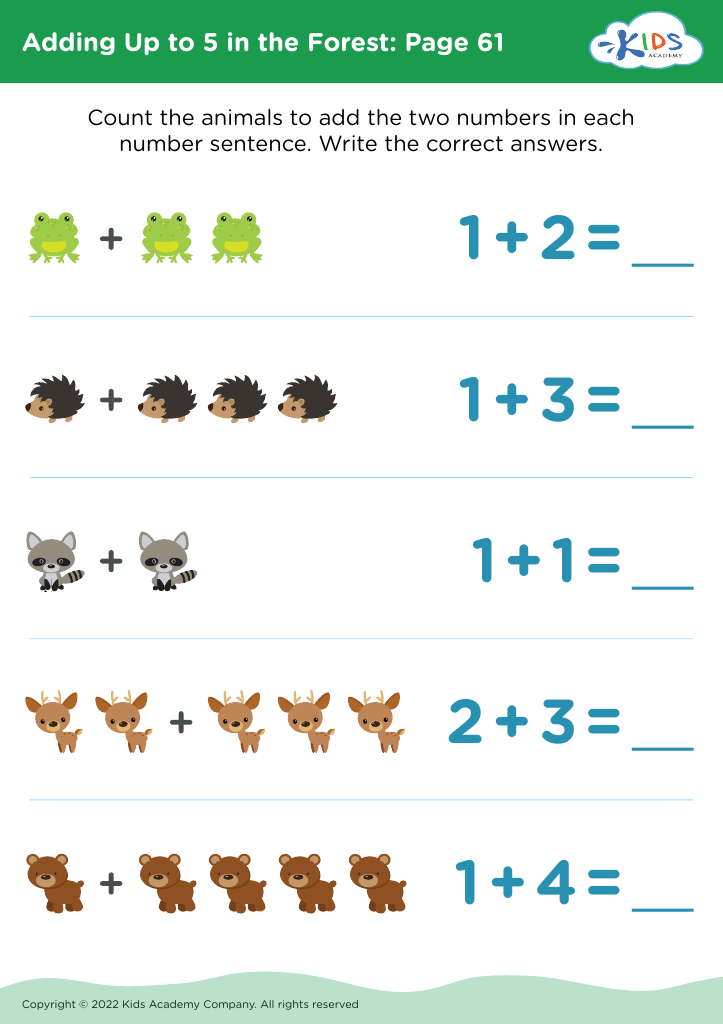
    Adding Up to 5 in the Forest: Page 61
    Adding Up to 5 in the Forest: Page 61
    Adding Up to 5 in the Forest: Page 61
    Worksheet
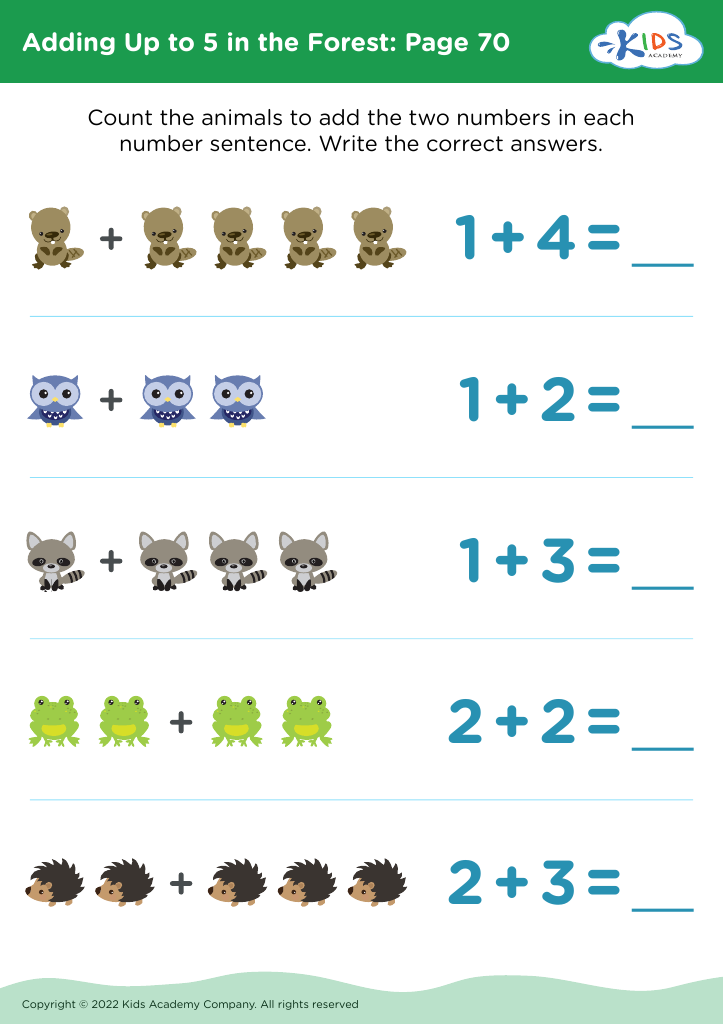
    Adding Up to 5 in the Forest: Page 70
    Adding Up to 5 in the Forest: Page 70
    Adding Up to 5 in the Forest: Page 70
    Worksheet
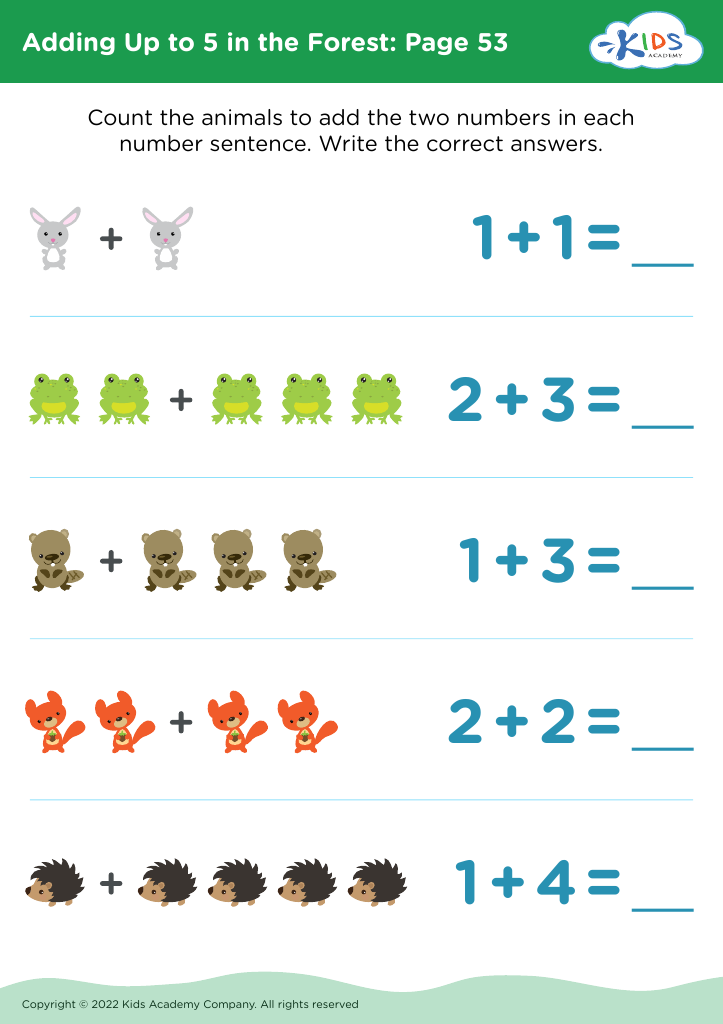
    Adding Up to 5 in the Forest: Page 53
    Adding Up to 5 in the Forest: Page 53
    Adding Up to 5 in the Forest: Page 53
    Worksheet
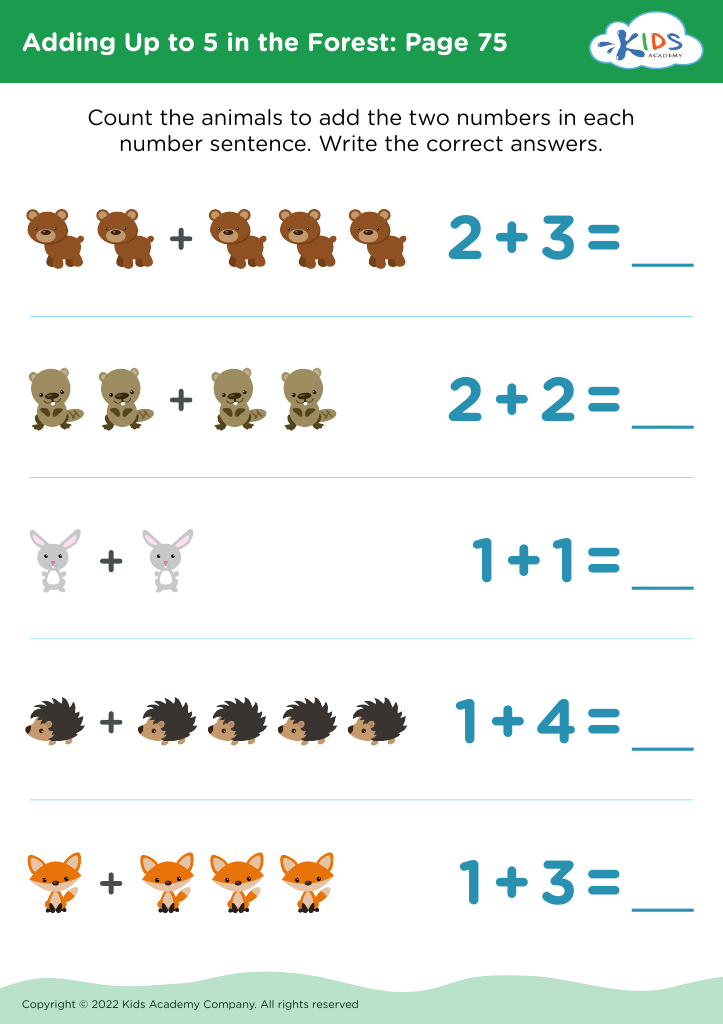
    Adding Up to 5 in the Forest: Page 75
    Adding Up to 5 in the Forest: Page 75
    Adding Up to 5 in the Forest: Page 75
    Worksheet
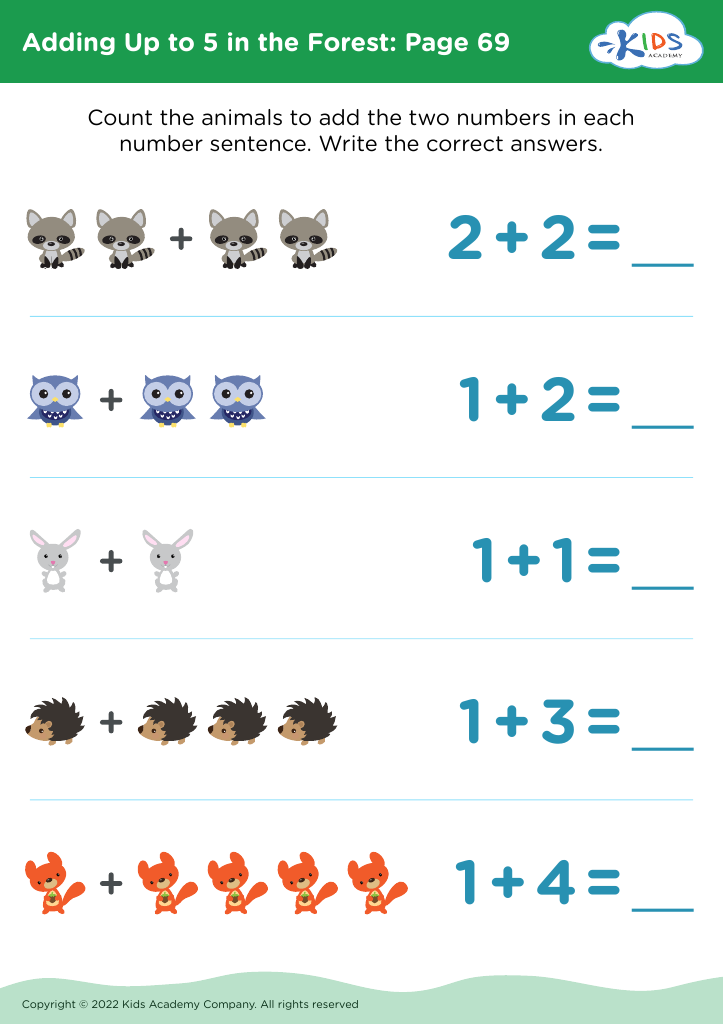
    Adding Up to 5 in the Forest: Page 69
    Adding Up to 5 in the Forest: Page 69
    Adding Up to 5 in the Forest: Page 69
    Worksheet
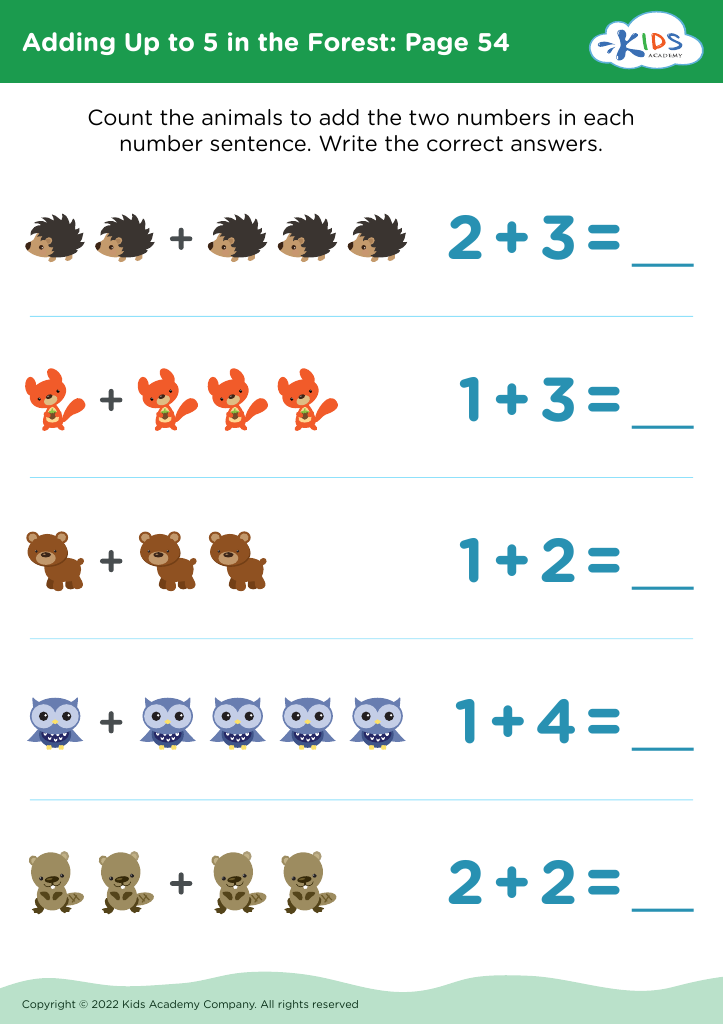
    Adding Up to 5 in the Forest: Page 54
    Adding Up to 5 in the Forest: Page 54
    Adding Up to 5 in the Forest: Page 54
    Worksheet
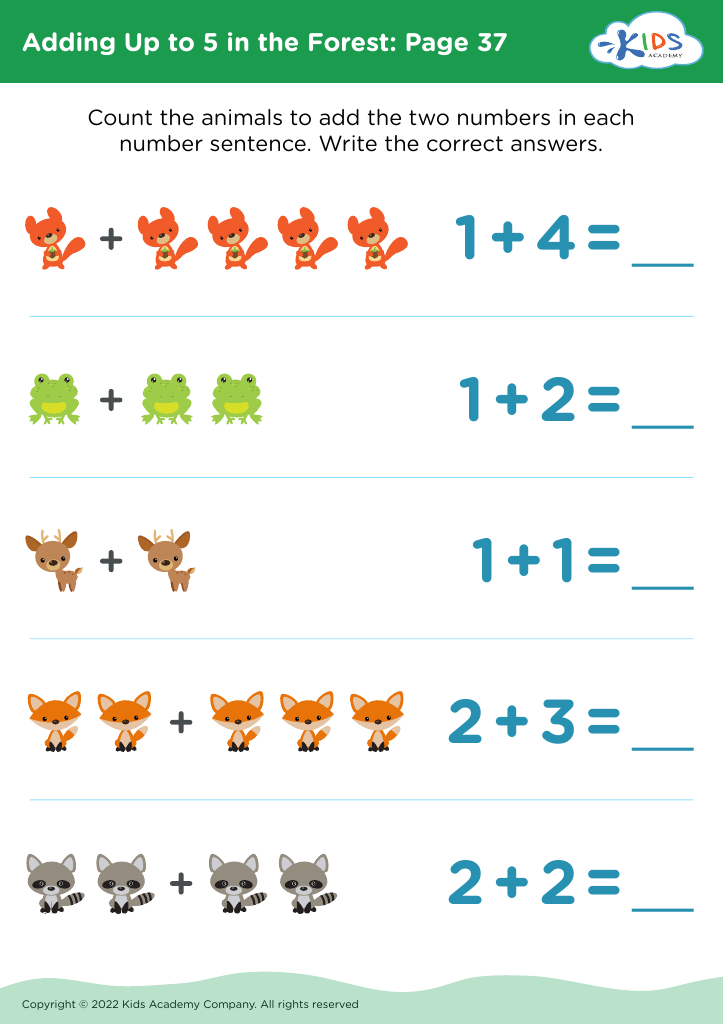
    Adding Up to 5 in the Forest: Page 37
    Adding Up to 5 in the Forest: Page 37
    Adding Up to 5 in the Forest: Page 37
    Worksheet
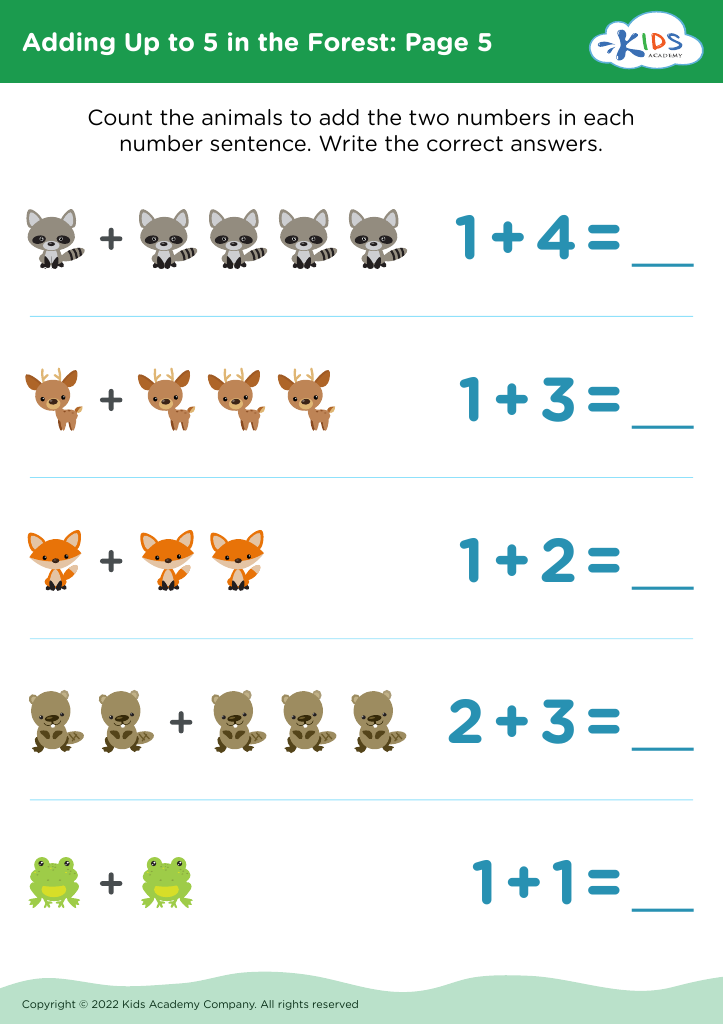
    Adding Up to 5 in the Forest: Page 5
    Adding Up to 5 in the Forest: Page 5
    Adding Up to 5 in the Forest: Page 5
    Worksheet


    Cognitive development is essential for young children, as it lays the foundation for their future learning, problem-solving abilities, and emotional well-being. For parents and teachers, understanding cognitive development aids in creating supportive environments that stimulate growth and learning.

    Cognitive skills are crucial for effective communication, social interaction, and academic success. When caregivers prioritize cognitive development, they help children enhance their thinking processes, creativity, and understanding of the world around them. Incorporating the natural environment, like forests, into learning experiences can significantly enhance cognitive development.

    Forest experiences provide children with opportunities to explore, investigate, and interact with nature, stimulating curiosity and critical thinking. These outdoor settings encourage sensory play and imaginative activities that foster cognitive skills through hands-on learning. Teachers who integrate forest-based education into their curricula can promote collaboration, environmental awareness, and a sense of exploration, which are key to cognitive growth.

    Furthermore, when parents participate in outdoor learning activities, they bond with their children while contributing to their cognitive development, providing routines for learning and security. Overall, prioritizing cognitive development, especially through immersive experiences in nature, equips children with the skills needed to navigate life's challenges and opportunities.