Filters

95 filtered results

Clear all filters
Favorites
With answer key
Interactive

95 filtered results

Difficulty Level

Grade


Subject

    Check out this FREE Trial Lesson on Adding Up to 5!

    X

    Favorites
    With answer key
    Interactive
    • Cognitive Development
    • Adding Up to 5
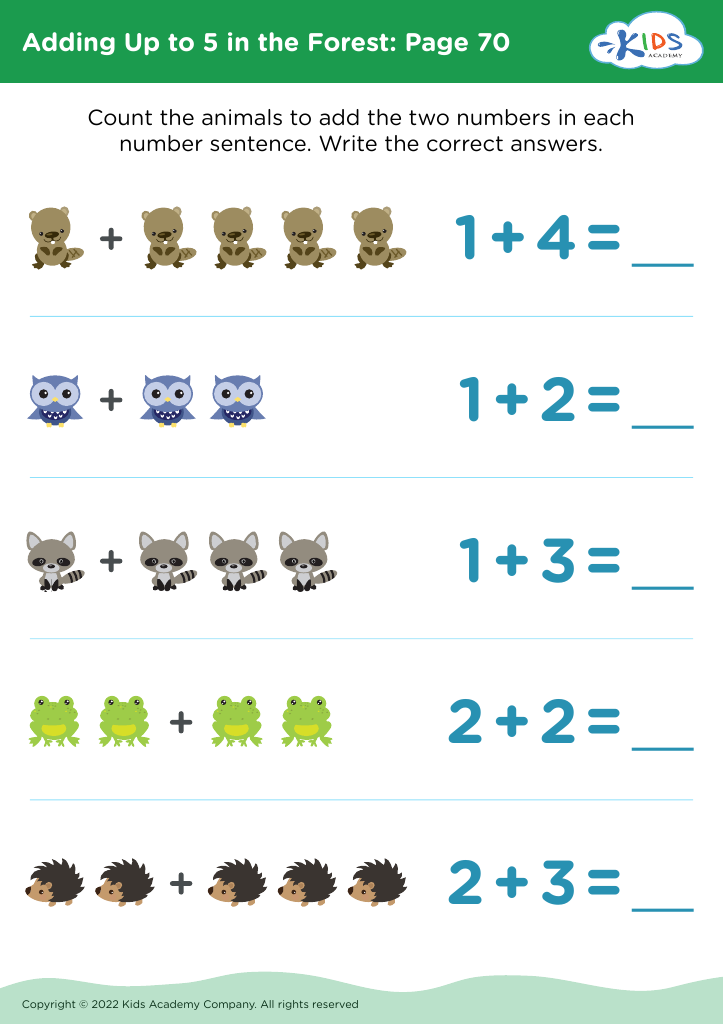
    Adding Up to 5 in the Forest: Page 70
    Adding Up to 5 in the Forest: Page 70
    Adding Up to 5 in the Forest: Page 70
    Worksheet
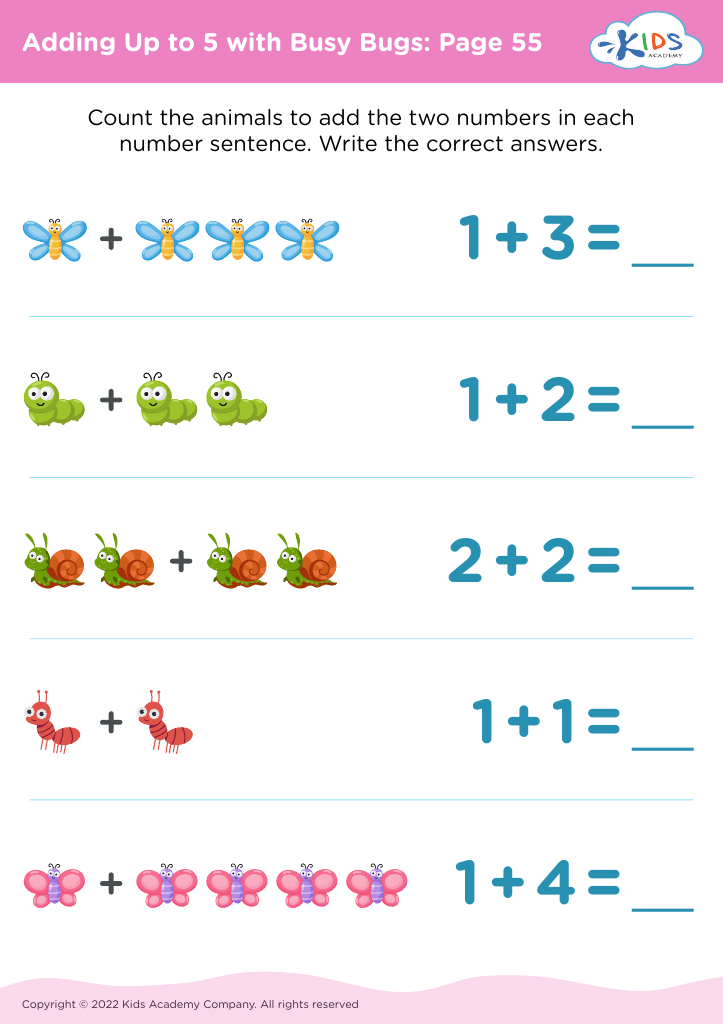
    Adding Up to 5 with Busy Bugs: Page 55
    Adding Up to 5 with Busy Bugs: Page 55
    Adding Up to 5 with Busy Bugs: Page 55
    Worksheet
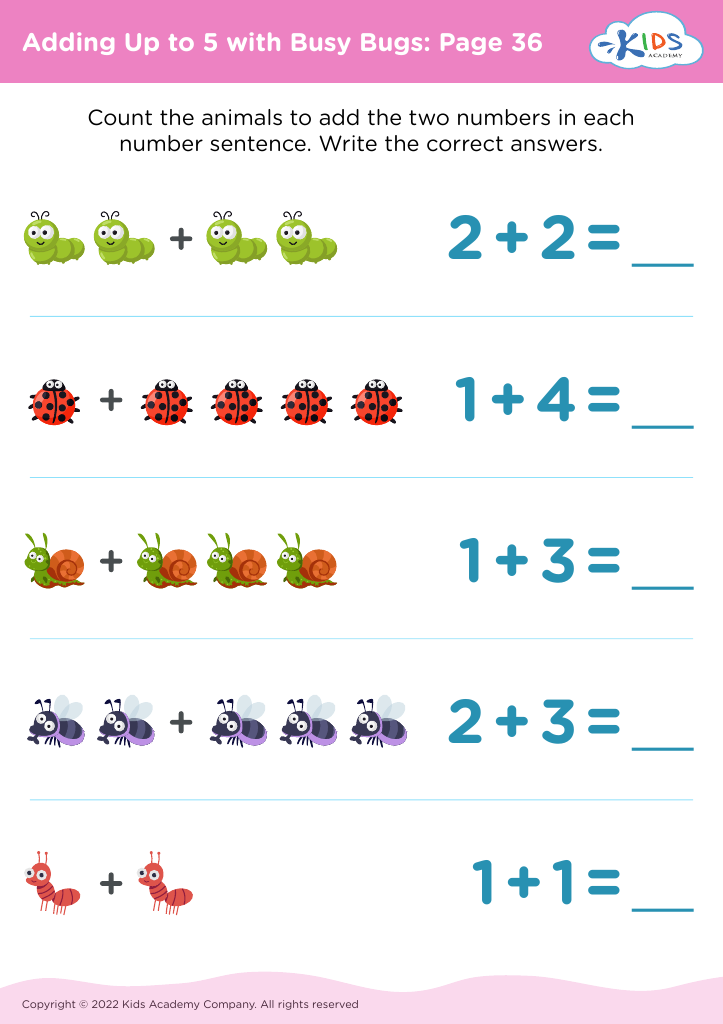
    Adding Up to 5 with Busy Bugs: Page 36
    Adding Up to 5 with Busy Bugs: Page 36
    Adding Up to 5 with Busy Bugs: Page 36
    Worksheet
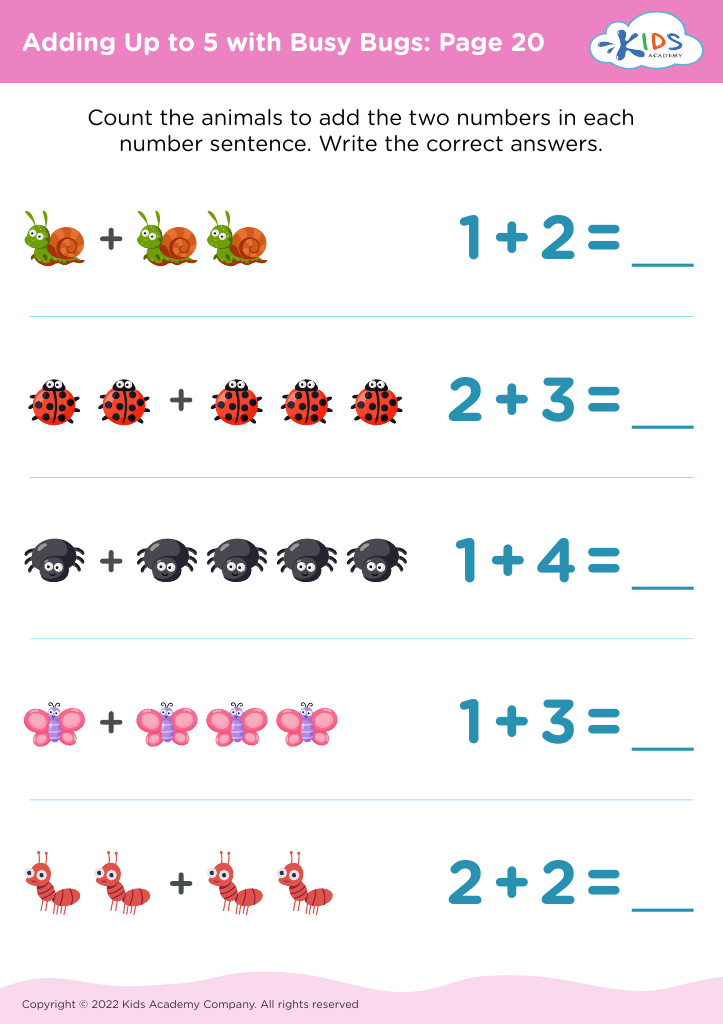
    Adding Up to 5 with Busy Bugs: Page 20
    Adding Up to 5 with Busy Bugs: Page 20
    Adding Up to 5 with Busy Bugs: Page 20
    Worksheet
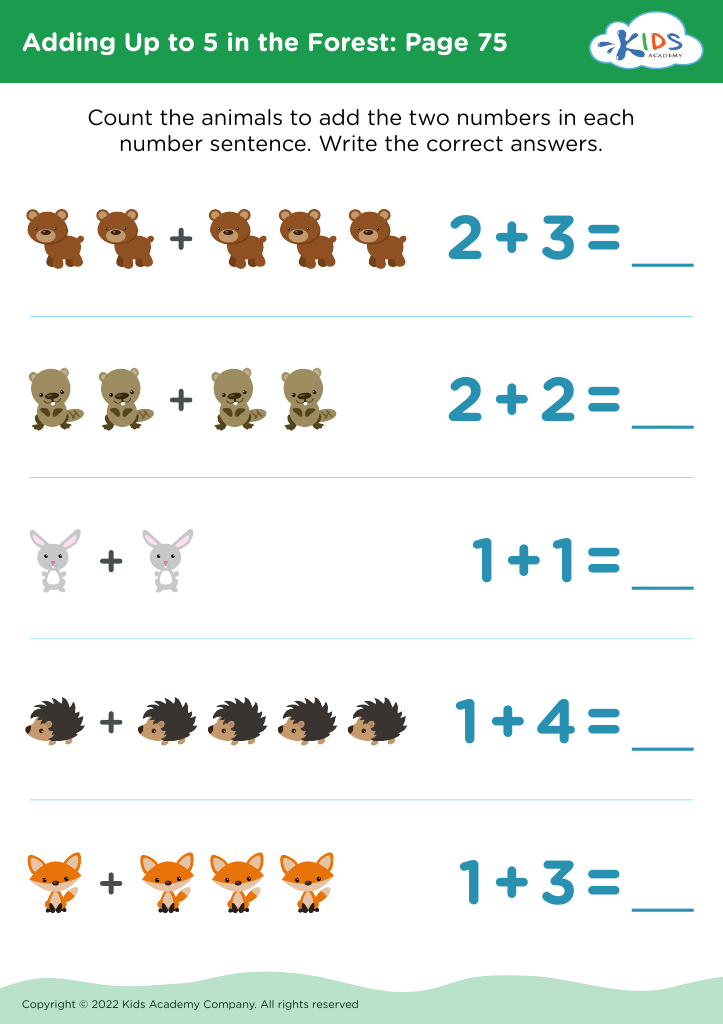
    Adding Up to 5 in the Forest: Page 75
    Adding Up to 5 in the Forest: Page 75
    Adding Up to 5 in the Forest: Page 75
    Worksheet
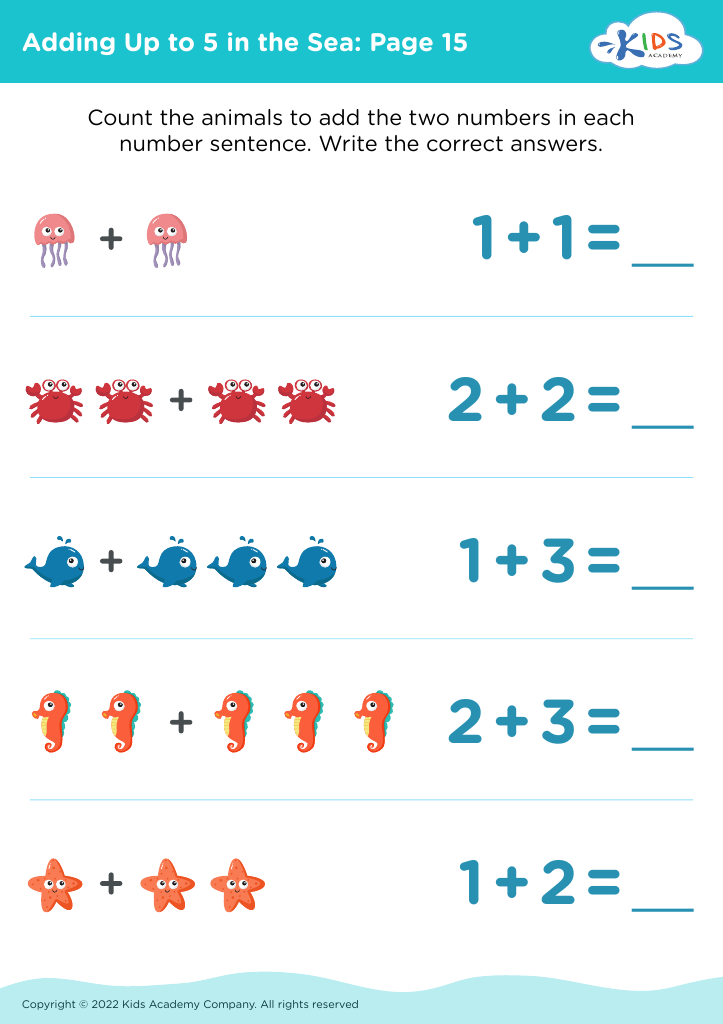
    Adding Up to 5 in the Sea: Page 15
    Adding Up to 5 in the Sea: Page 15
    Adding Up to 5 in the Sea: Page 15
    Worksheet
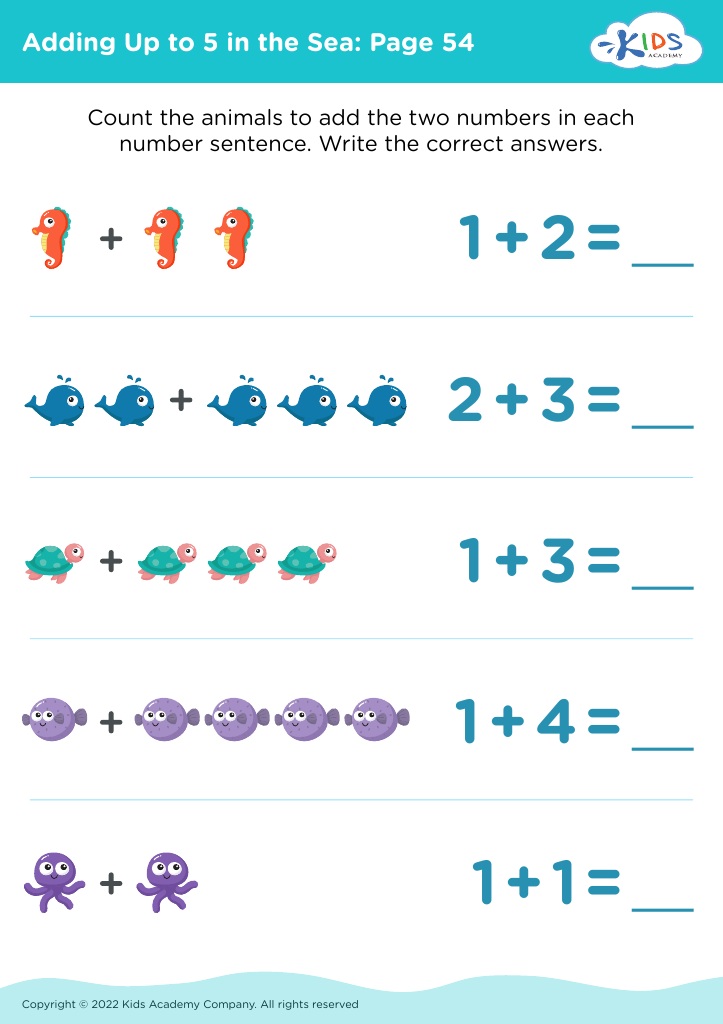
    Adding Up to 5 in the Sea: Page 54
    Adding Up to 5 in the Sea: Page 54
    Adding Up to 5 in the Sea: Page 54
    Worksheet
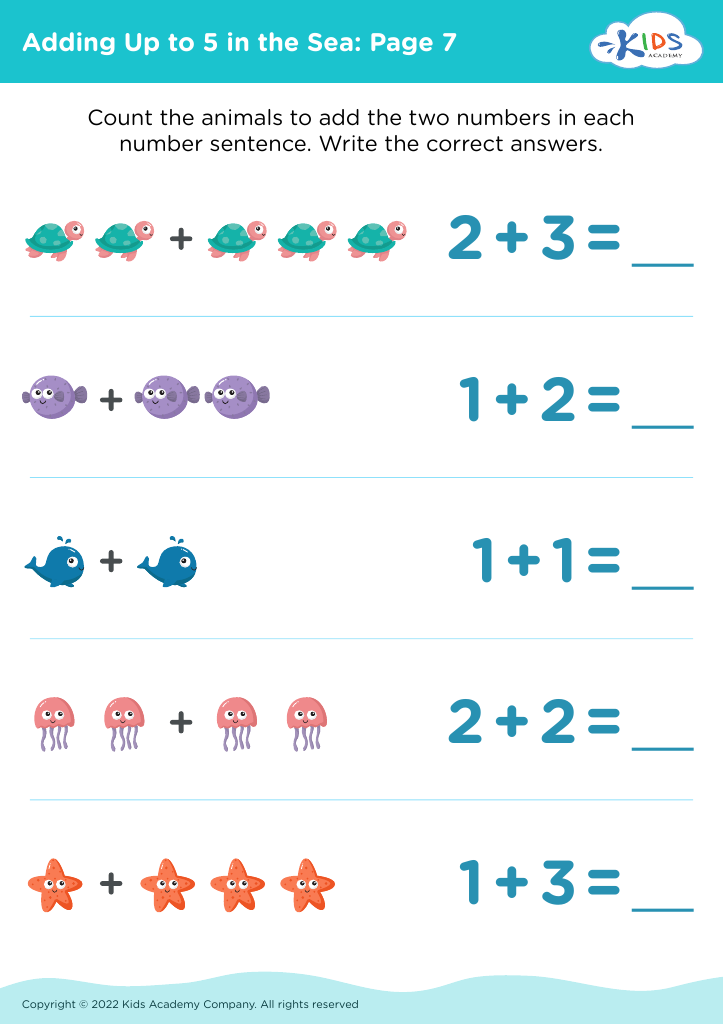
    Adding Up to 5 in the Sea: Page 7
    Adding Up to 5 in the Sea: Page 7

    Adding Up to 5 in the Sea: Page 7

    Adding Up to 5 in the Sea: Page 7
    Worksheet
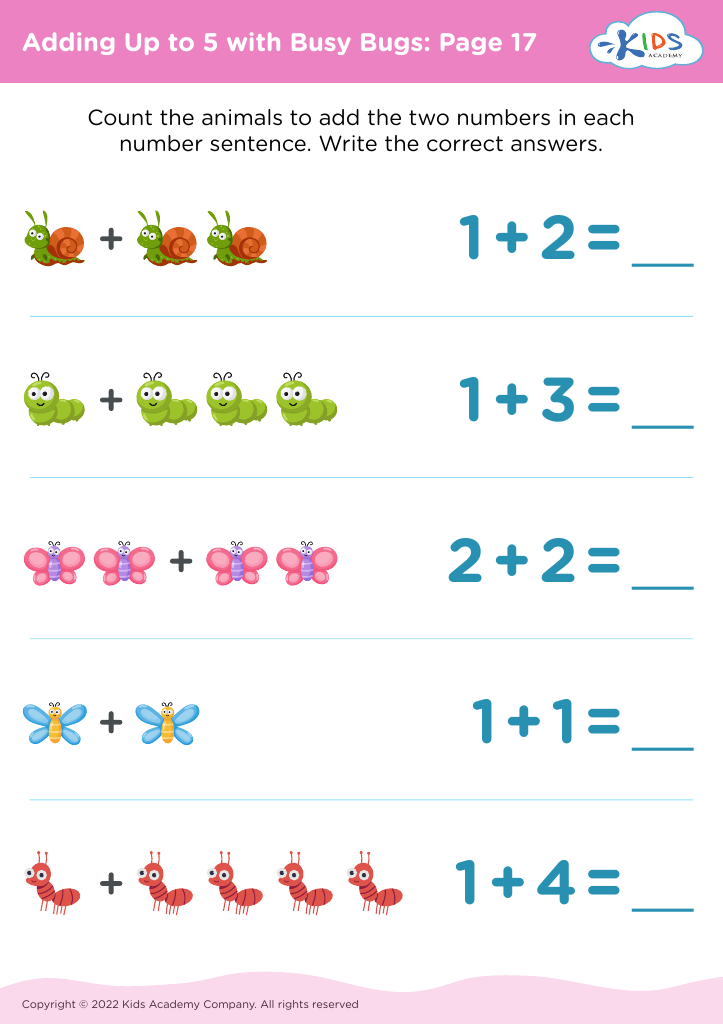
    Adding Up to 5 with Busy Bugs: Page 17
    Adding Up to 5 with Busy Bugs: Page 17
    Adding Up to 5 with Busy Bugs: Page 17
    Worksheet
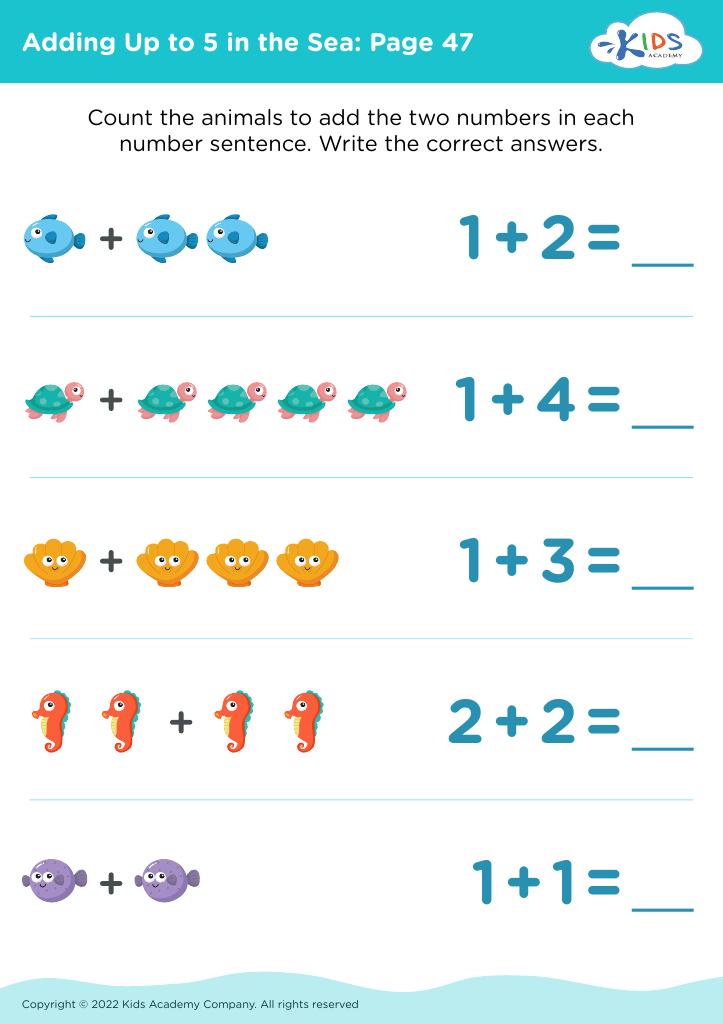
    Adding Up to 5 in the Sea: Page 47
    Adding Up to 5 in the Sea: Page 47
    Adding Up to 5 in the Sea: Page 47
    Worksheet
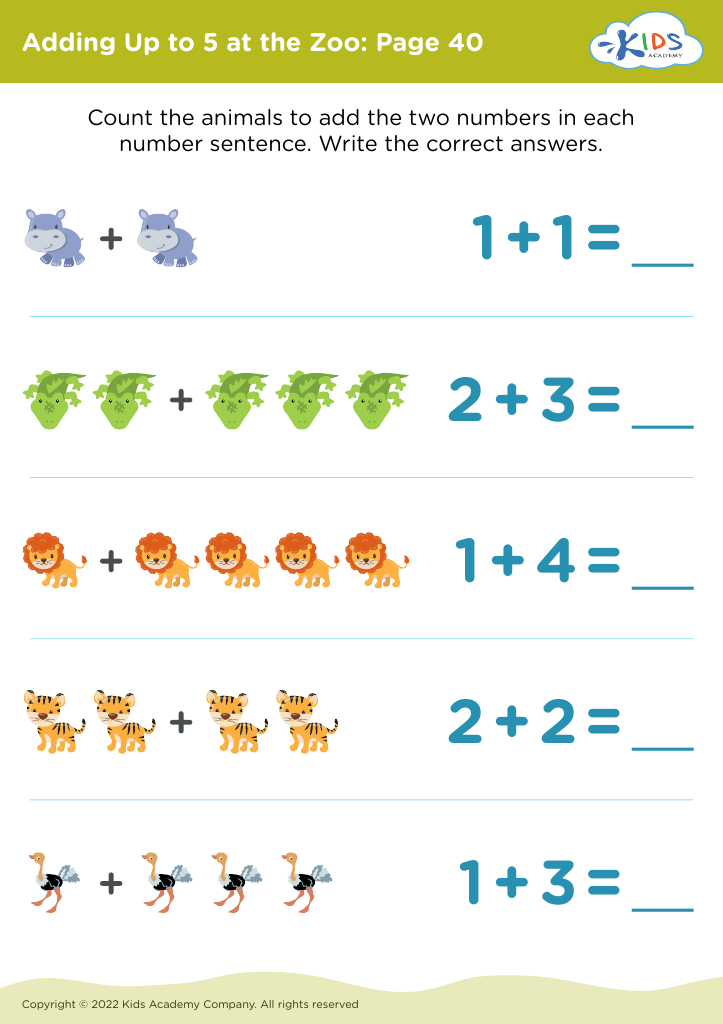
    Adding Up to 5 at the Zoo: Page 40
    Adding Up to 5 at the Zoo: Page 40
    Adding Up to 5 at the Zoo: Page 40
    Worksheet
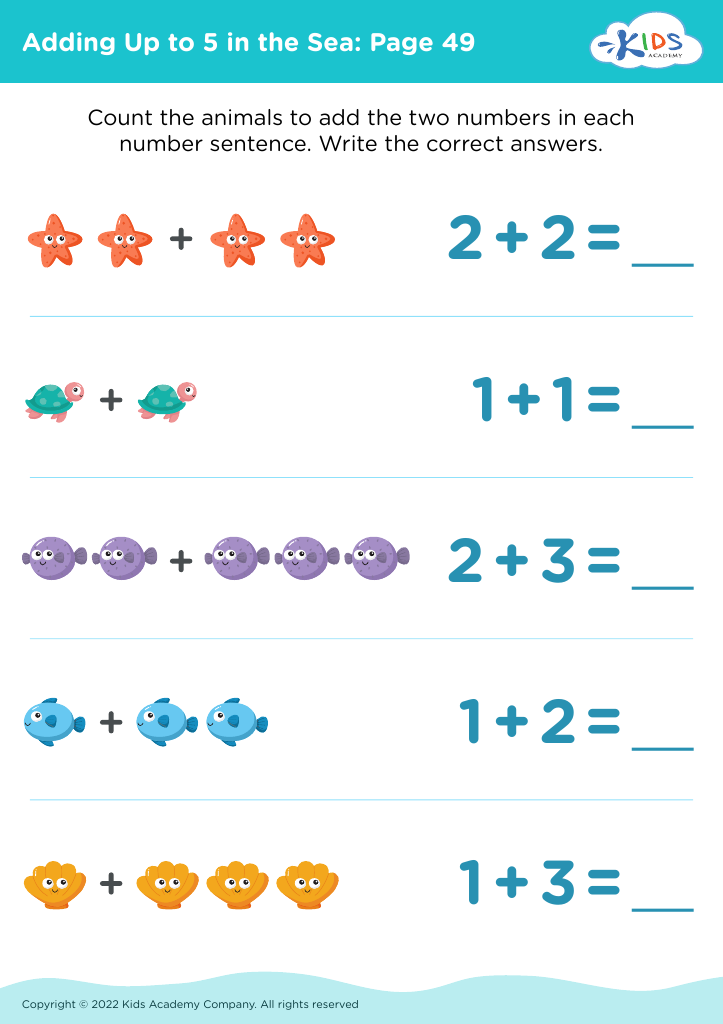
    Adding Up to 5 in the Sea: Page 49
    Adding Up to 5 in the Sea: Page 49
    Adding Up to 5 in the Sea: Page 49
    Worksheet
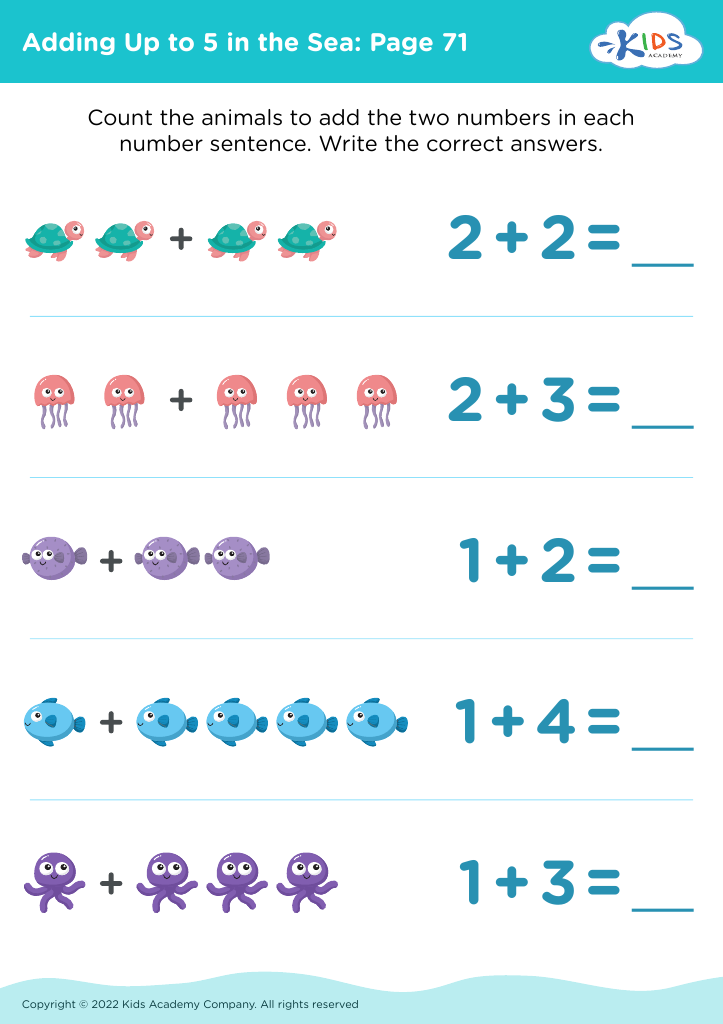
    Adding Up to 5 in the Sea: Page 71
    Adding Up to 5 in the Sea: Page 71
    Adding Up to 5 in the Sea: Page 71
    Worksheet
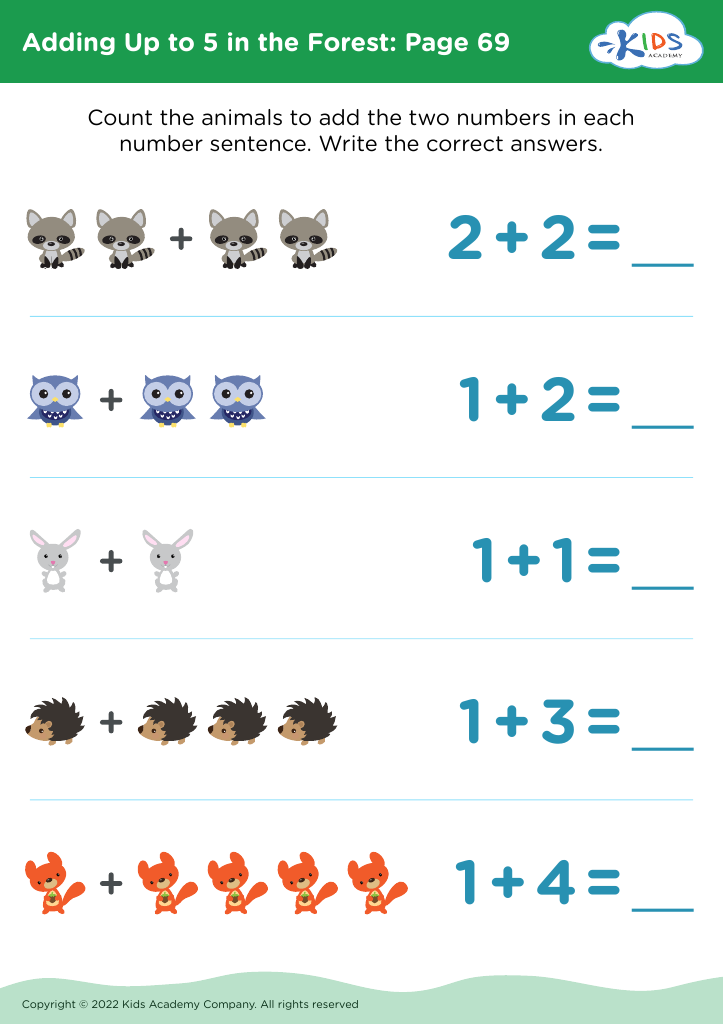
    Adding Up to 5 in the Forest: Page 69
    Adding Up to 5 in the Forest: Page 69
    Adding Up to 5 in the Forest: Page 69
    Worksheet
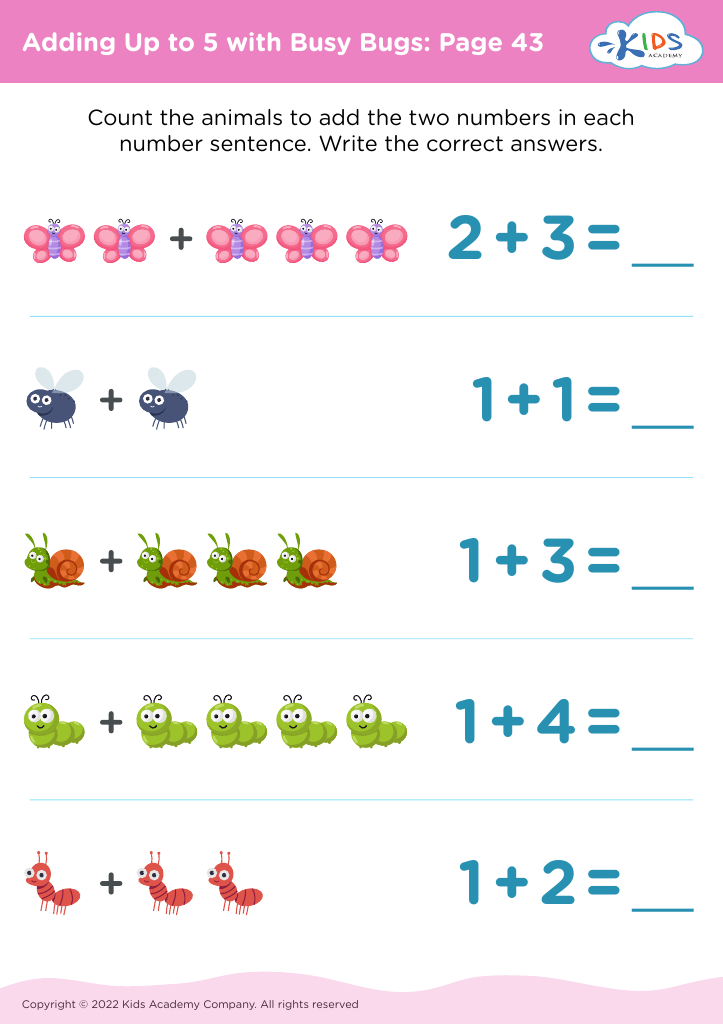
    Adding Up to 5 with Busy Bugs: Page 43
    Adding Up to 5 with Busy Bugs: Page 43
    Adding Up to 5 with Busy Bugs: Page 43
    Worksheet
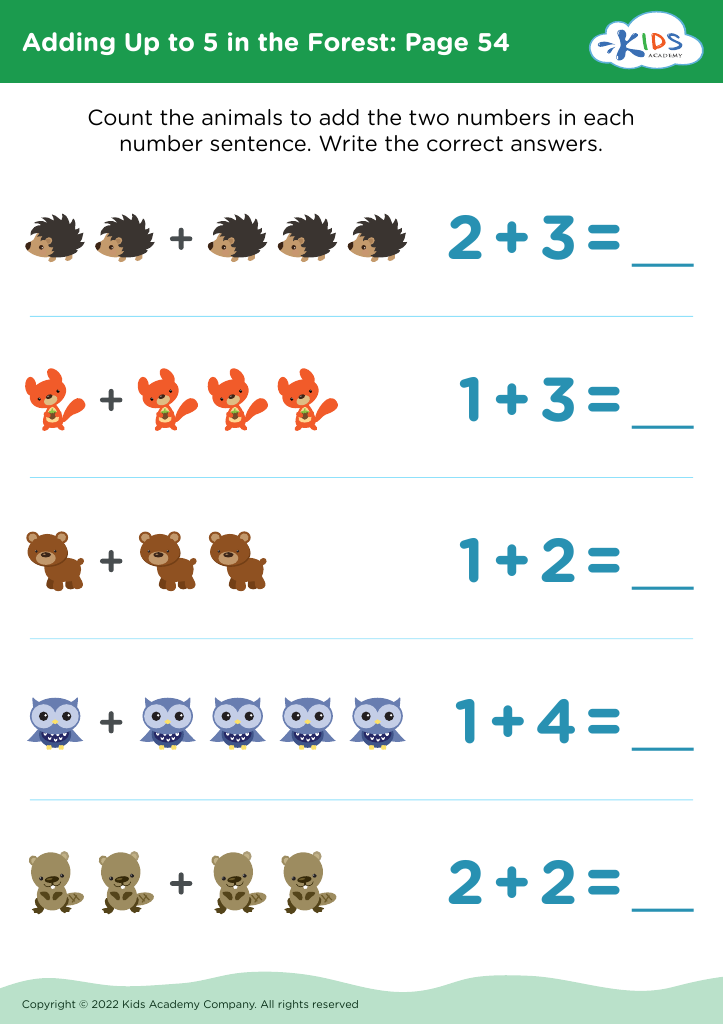
    Adding Up to 5 in the Forest: Page 54
    Adding Up to 5 in the Forest: Page 54
    Adding Up to 5 in the Forest: Page 54
    Worksheet
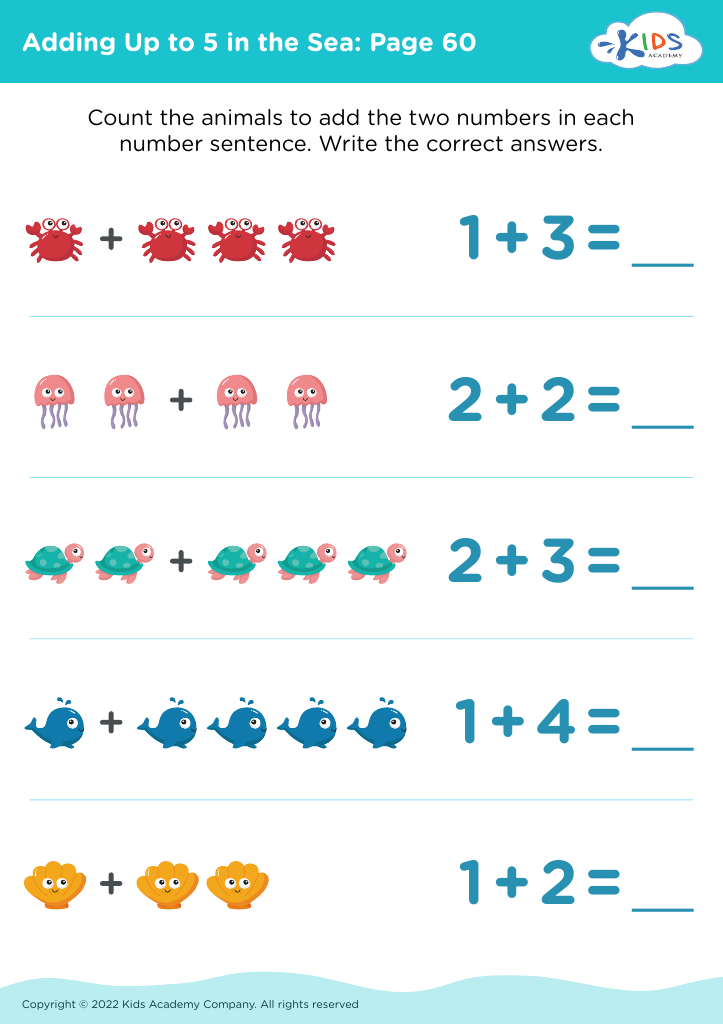
    Adding Up to 5 in the Sea: Page 60
    Adding Up to 5 in the Sea: Page 60
    Adding Up to 5 in the Sea: Page 60
    Worksheet
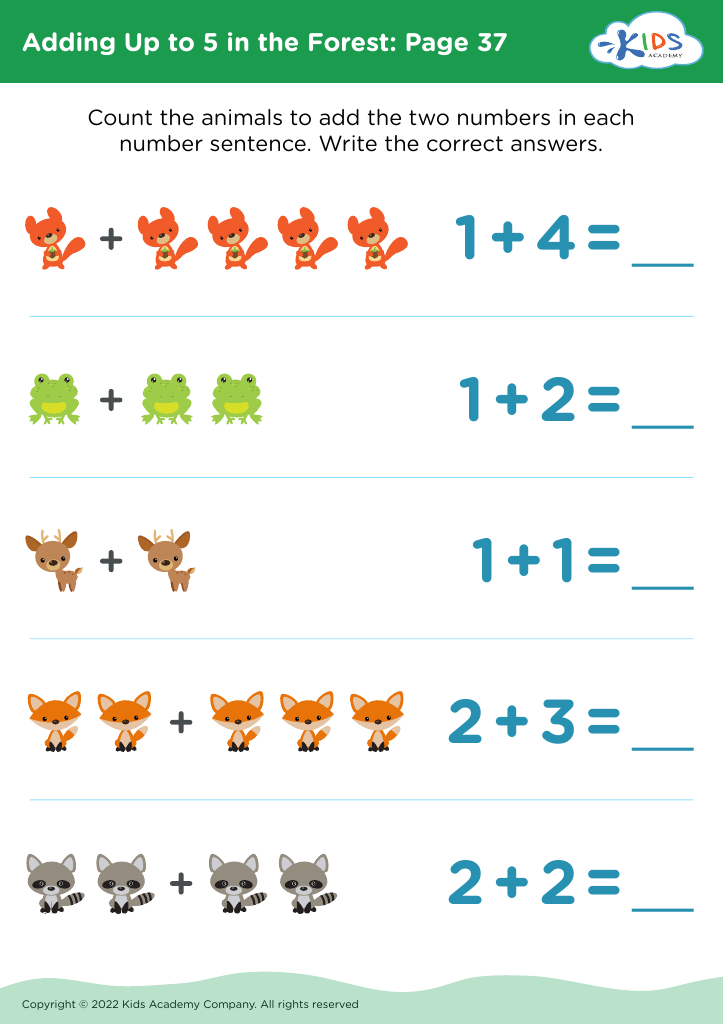
    Adding Up to 5 in the Forest: Page 37
    Adding Up to 5 in the Forest: Page 37
    Adding Up to 5 in the Forest: Page 37
    Worksheet
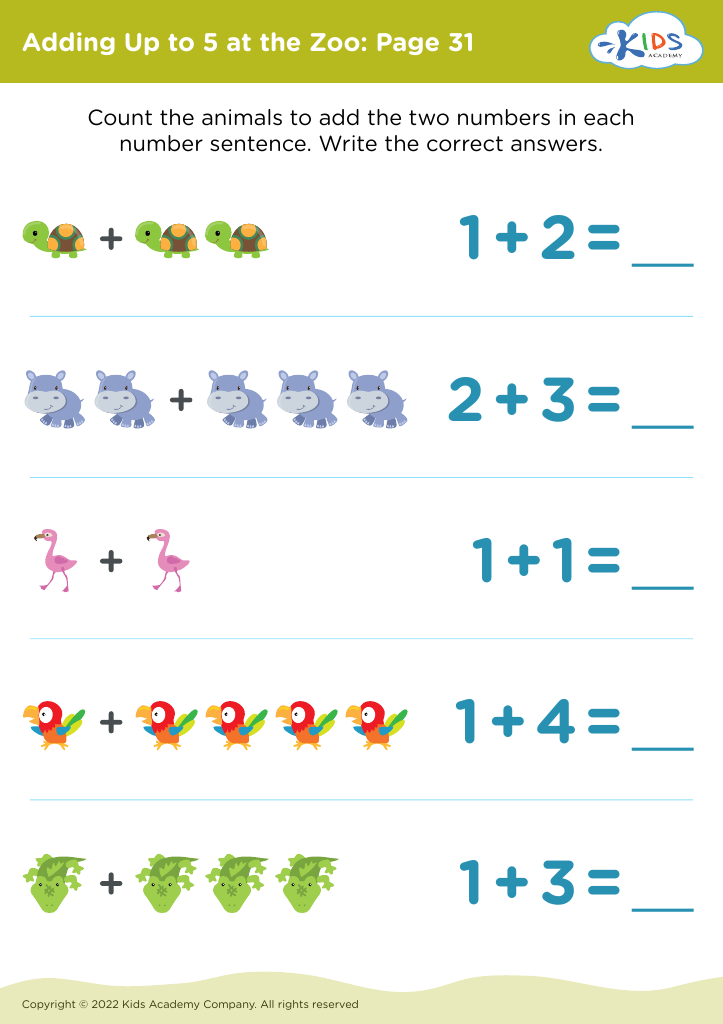
    Adding Up to 5 at the Zoo: Page 31
    Adding Up to 5 at the Zoo: Page 31
    Adding Up to 5 at the Zoo: Page 31
    Worksheet
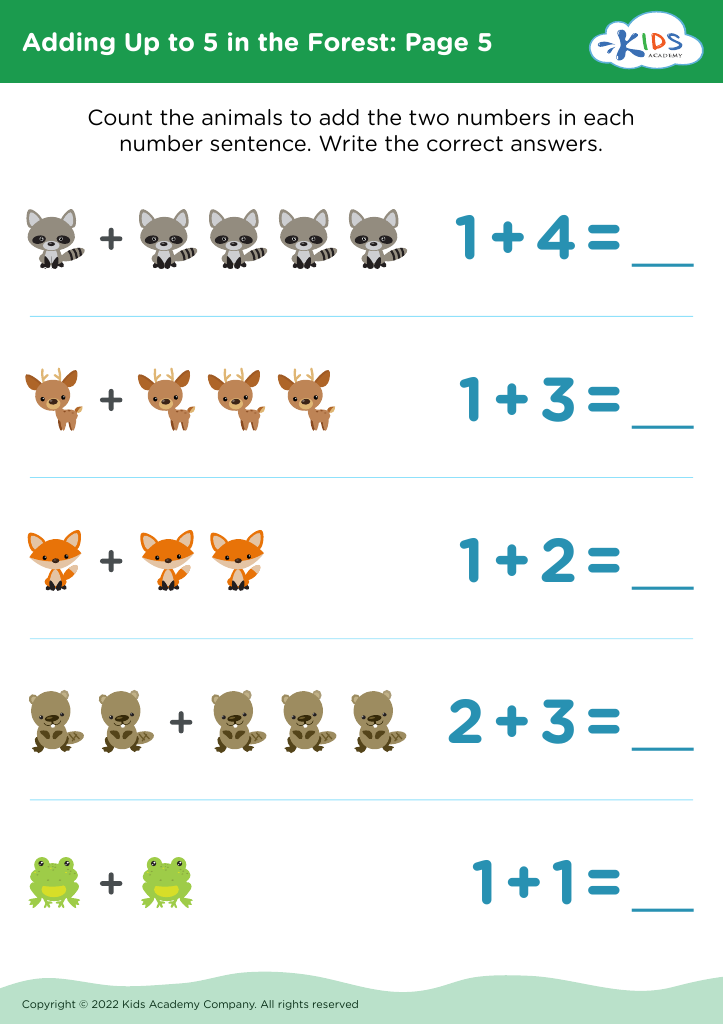
    Adding Up to 5 in the Forest: Page 5
    Adding Up to 5 in the Forest: Page 5
    Adding Up to 5 in the Forest: Page 5
    Worksheet
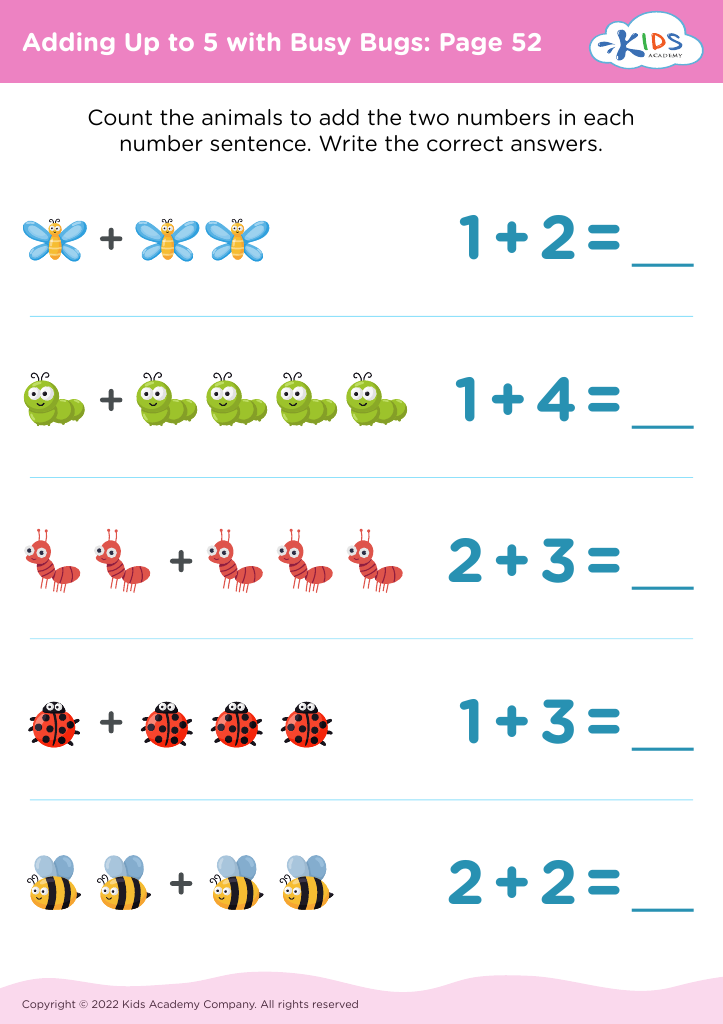
    Adding Up to 5 with Busy Bugs: Page 52
    Adding Up to 5 with Busy Bugs: Page 52
    Adding Up to 5 with Busy Bugs: Page 52
    Worksheet
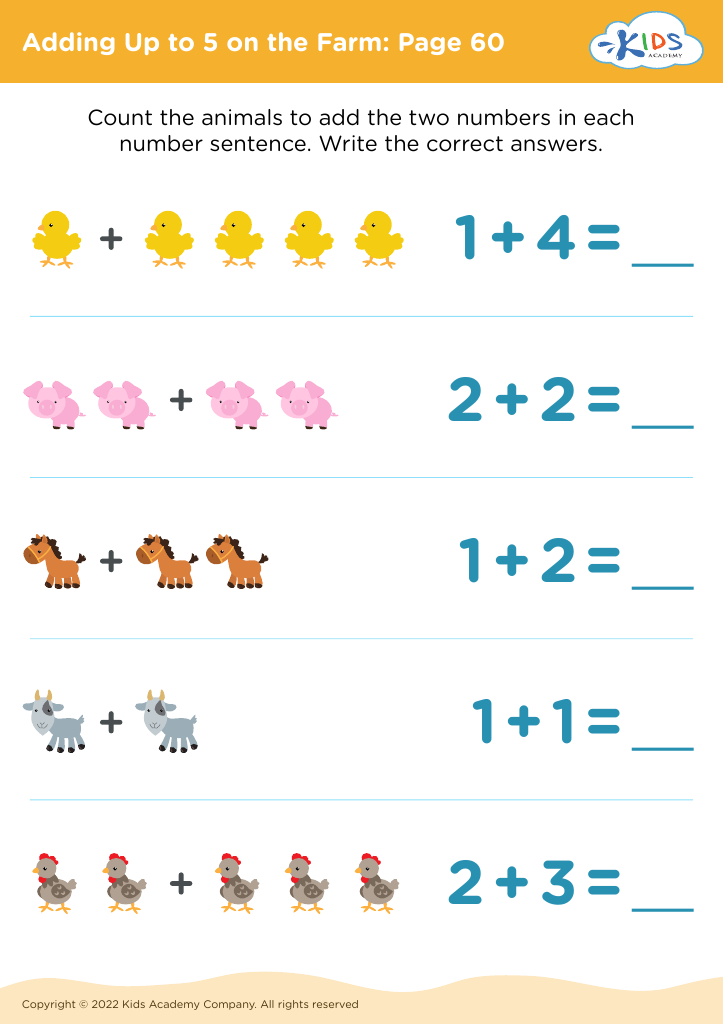
    Adding Up to 5 on the Farm: Page 60
    Adding Up to 5 on the Farm: Page 60
    Adding Up to 5 on the Farm: Page 60
    Worksheet
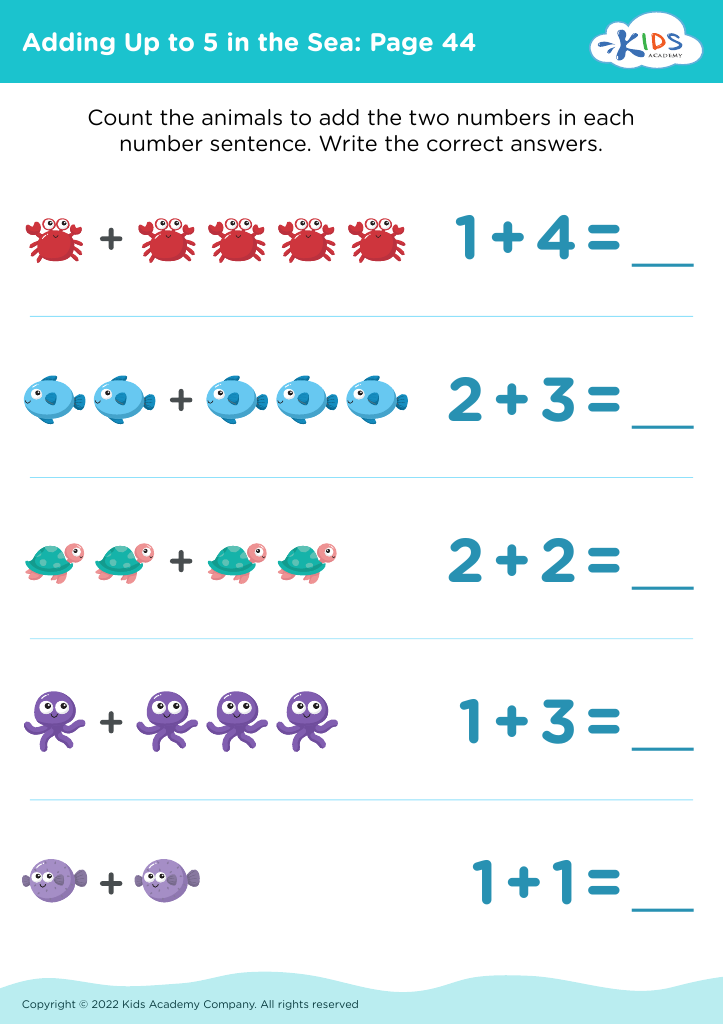
    Adding Up to 5 in the Sea: Page 44
    Adding Up to 5 in the Sea: Page 44
    Adding Up to 5 in the Sea: Page 44
    Worksheet


    ... 3 4

    Parents and teachers should care greatly about cognitive development in early math, particularly adding up to 5, because it forms the fundamental building blocks for future mathematical learning and overall cognitive growth. During early childhood, children's brains are highly receptive, making it the ideal time to develop numerical understanding and problem-solving skills.

    Learning to add up to 5 is more than just a classroom exercise; it strengthens cognitive abilities such as memory, attention span, and logical thinking. By mastering these basic arithmetic skills, children learn to recognize patterns, understand quantities, and make connections between numbers and their everyday experiences. This foundational knowledge is pivotal as it lays the groundwork for more complex math concepts, such as addition and subtraction, and builds confidence that propels children toward academic success.

    Furthermore, engaging in activities like counting games, finger math, or interactive apps cultivates a sense of curiosity and excitement about learning. Creatively integrating these exercises at home or in the classroom fosters a supportive environment where cognitive development is encouraged. Thus, investing time and resources to nurture these early math skills ensures well-rounded growth and equips children with essential tools for lifelong learning and problem-solving abilities.