Developing fine motor skills Addition & Subtraction Worksheets
4 filtered results
-
From - To
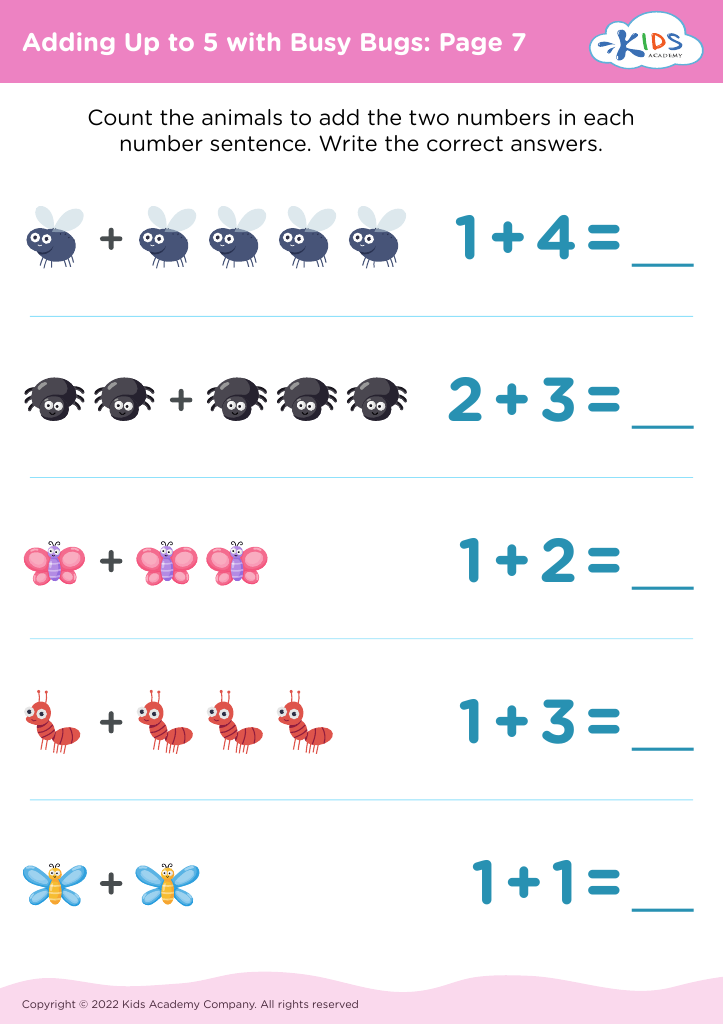
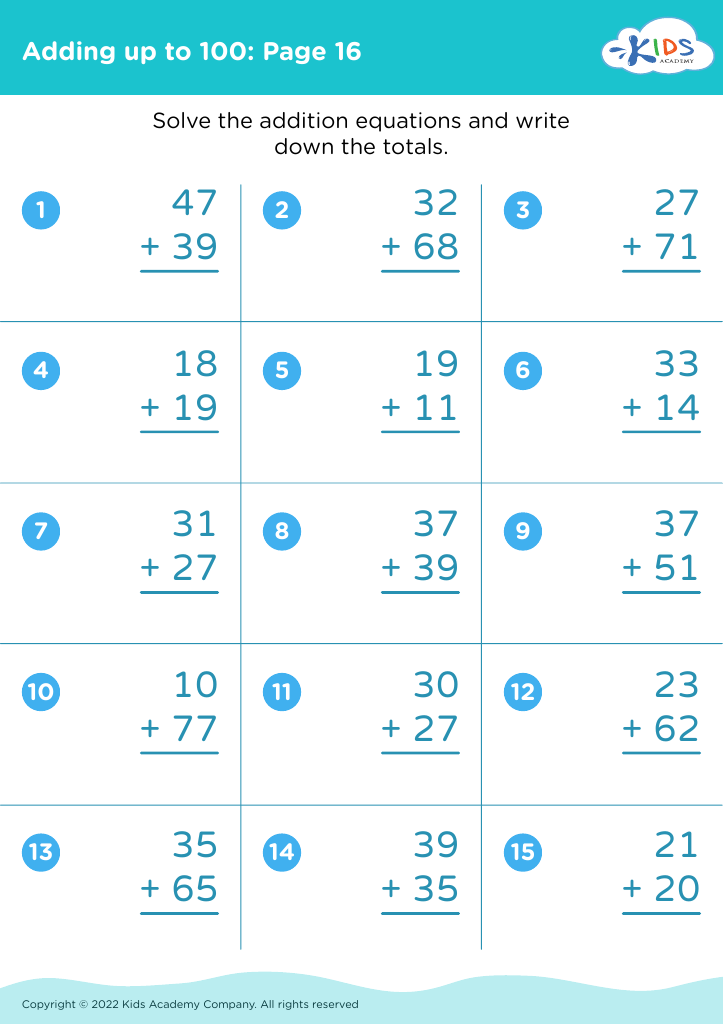
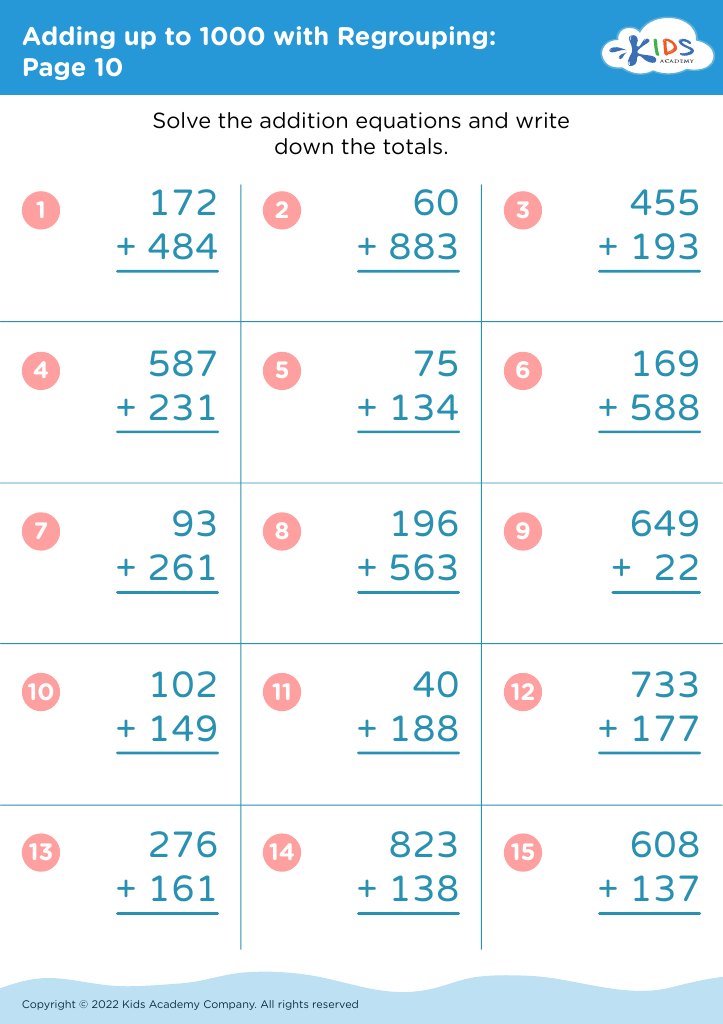
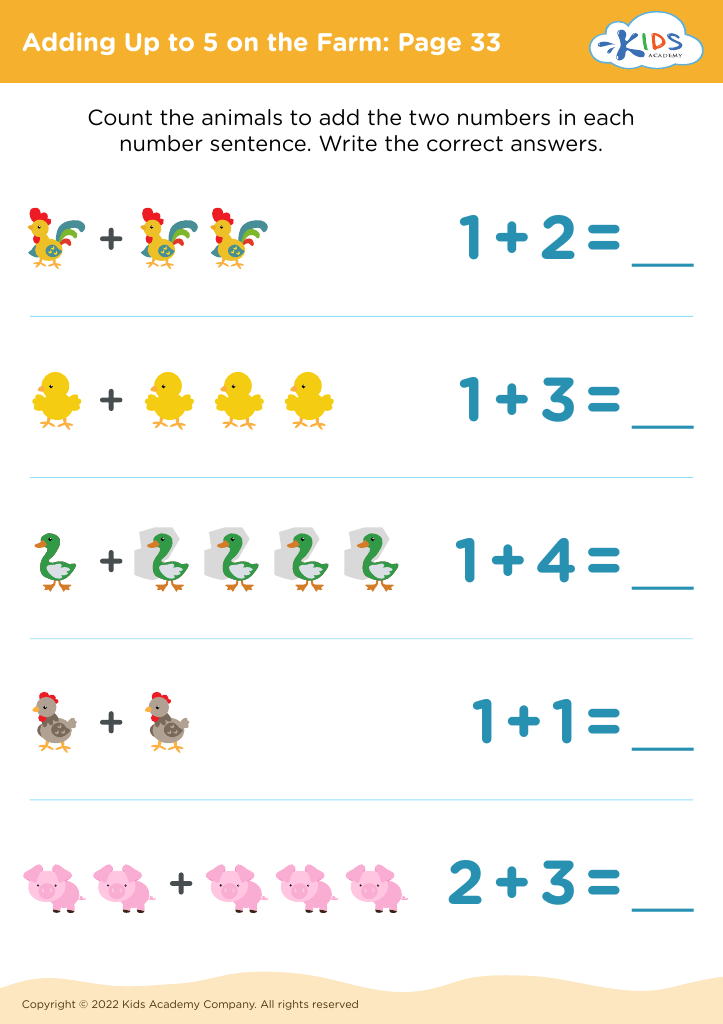
Enhance your child's fine motor skills with our specially designed Addition and Subtraction worksheets! These engaging exercises promote hand-eye coordination and dexterity while reinforcing essential math concepts. Each worksheet encourages children to practice writing numbers and performing calculations through fun and interactive activities. By combining fine motor development with math practice, kids gain confidence and improve their overall learning experience. Our range of printables is perfect for early learners, providing a playful and effective way to master addition and subtraction. Unlock your child's potential and make math enjoyable with these fine motor skill worksheets today!








Developing fine motor skills and foundational math concepts like addition and subtraction are crucial for early childhood education as they support children's overall growth and learning. Fine motor skills, which involve the coordination of small muscles in the hands and fingers, are essential for tasks such as writing, drawing, and self-care. As children refine these skills, they gain confidence in their abilities, which can lead to positive learning experiences and a willingness to engage in academic tasks.
Furthermore, mastering basic math operations like addition and subtraction builds a solid numerical foundation. These skills are not only essential for future math success but also foster critical thinking and problem-solving abilities. Proficiency in arithmetic enables children to engage with everyday situations, such as managing money or measuring ingredients when cooking.
When parents and teachers prioritize developing fine motor skills alongside essential math concepts, they nurture well-rounded learners who are prepared for more complex topics in the future. Ultimately, investing time and effort into these areas not only enhances children’s foundational skills but also promotes a lifelong love of learning, equipping them with the necessary tools to thrive academically and personally.








