
Fine motor skills (drawing lines) Addition & Subtraction Worksheets
3 filtered results
Difficulty Level
Grade
Age
-
From - To
Subject
Activity
Standards
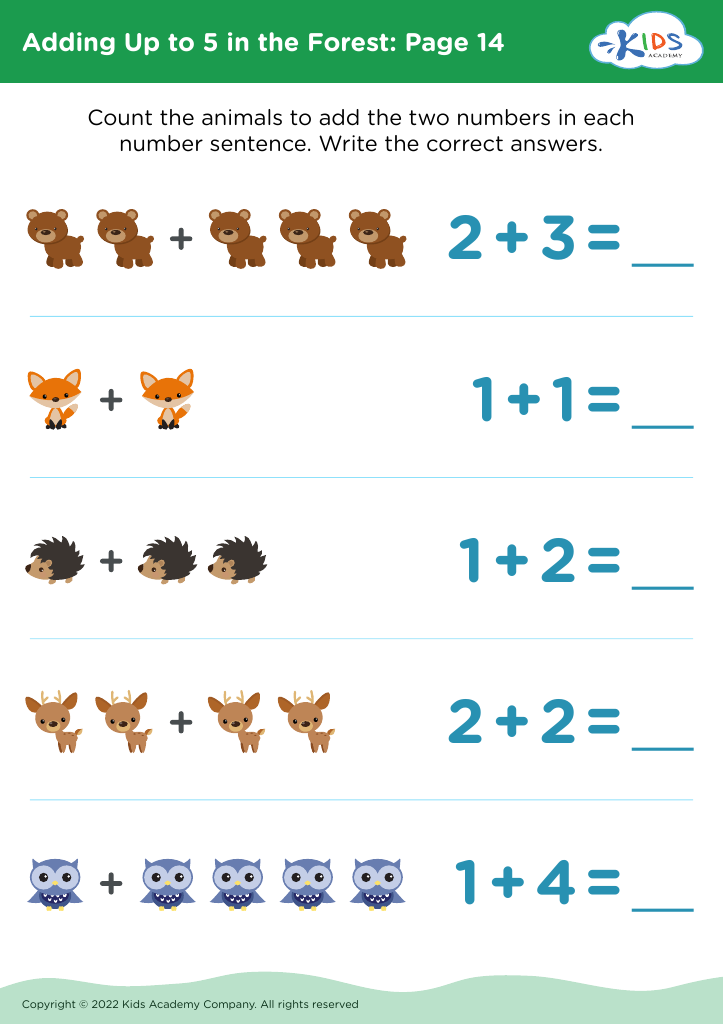
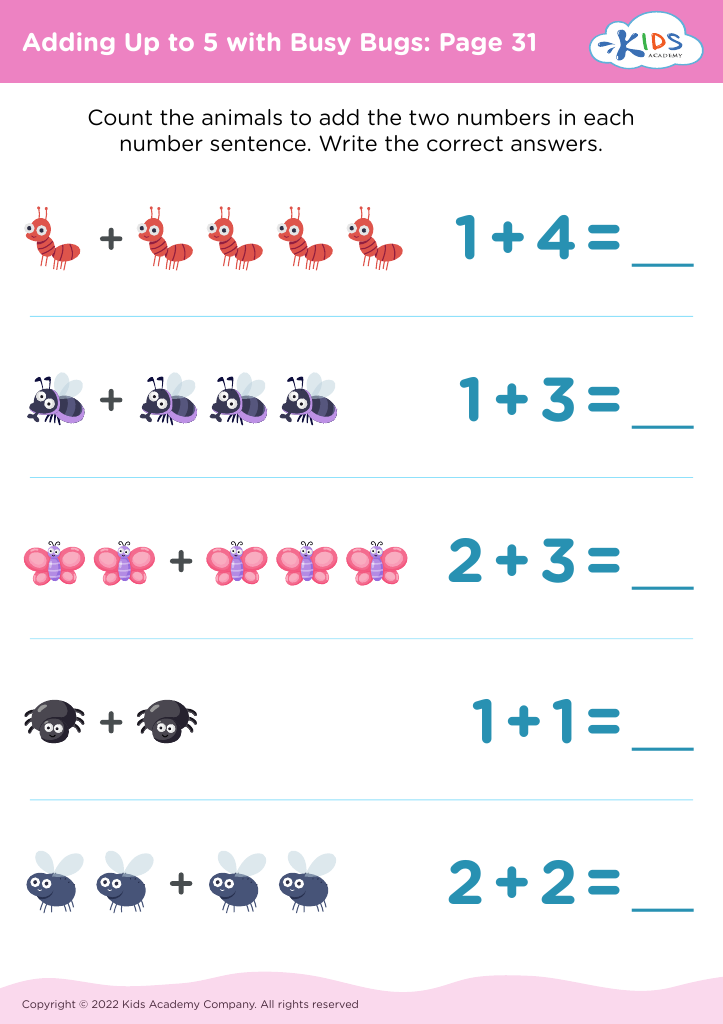
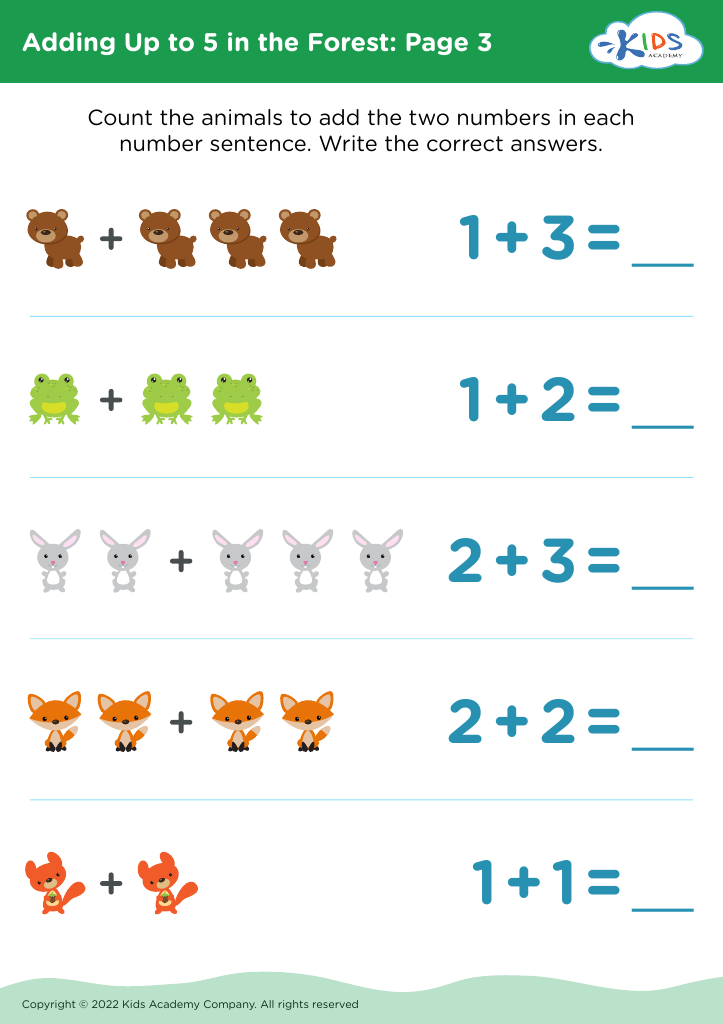
Enhance your child's fine motor skills with our engaging Addition & Subtraction Worksheets! Designed for early learners, these worksheets focus on drawing lines, helping children master essential writing techniques while building their foundational math abilities. Each worksheet presents fun scenarios that encourage kids to practice counting, adding, and subtracting through interactive line-drawing activities. As students navigate through colorful illustrations, they'll sharpen their grip and control, setting the stage for successful handwriting and problem-solving skills. Perfect for home or classroom use, our worksheets make learning math a delightful experience. Boost your child’s confidence and creativity while reinforcing important skills!
Favorites
With answer key
Interactive
Join Kids Academy for Free
Who is primarily going to use this learning content?








Fine motor skills and early math concepts like addition and subtraction are crucial for preschool and early elementary-aged children. First, fine motor skills, such as drawing lines, are foundational for handwriting, which plays a vital role in written communication. Improved dexterity from practicing such skills aids in the development of Grip strength, coordination, and hand-eye coordination. These skills contribute to enhanced performance in various school activities and daily tasks.
Additionally, incorporating addition and subtraction at an early age promotes a child’s numerical fluency and problem-solving abilities. When children grasp these basic mathematical operations, they build confidence in their analytical skills, which are essential for academic success in later grades. Learning these concepts through engaging activities, like using drawing methods to visualize number problems, seamlessly integrates motor skills development.
Lastly, attention to fine motor skill development and early math education supports a child's overall cognitive growth and helps lay a foundation for lifelong learning and skill application. When parents and teachers actively engage children in these practices, they help nurture well-rounded individuals prepared for future academic challenges. Ultimately, prioritizing these skills fosters both creative expression and mathematical understanding, important for holistic child development.








