Improving observation skills Addition & Subtraction Worksheets
3 filtered results
-
From - To
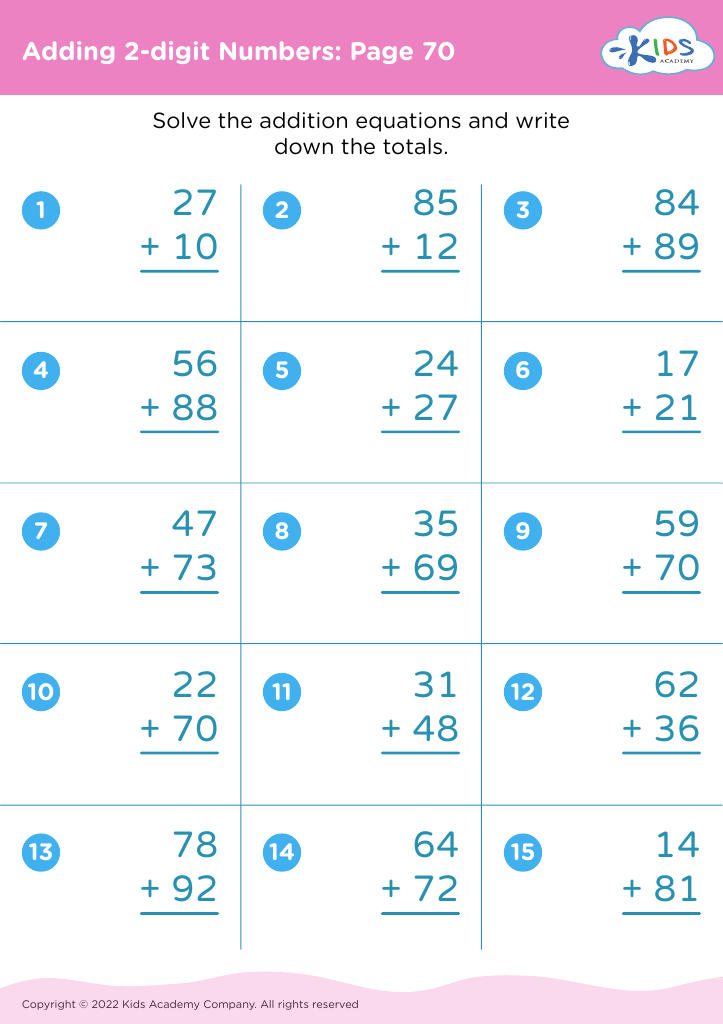
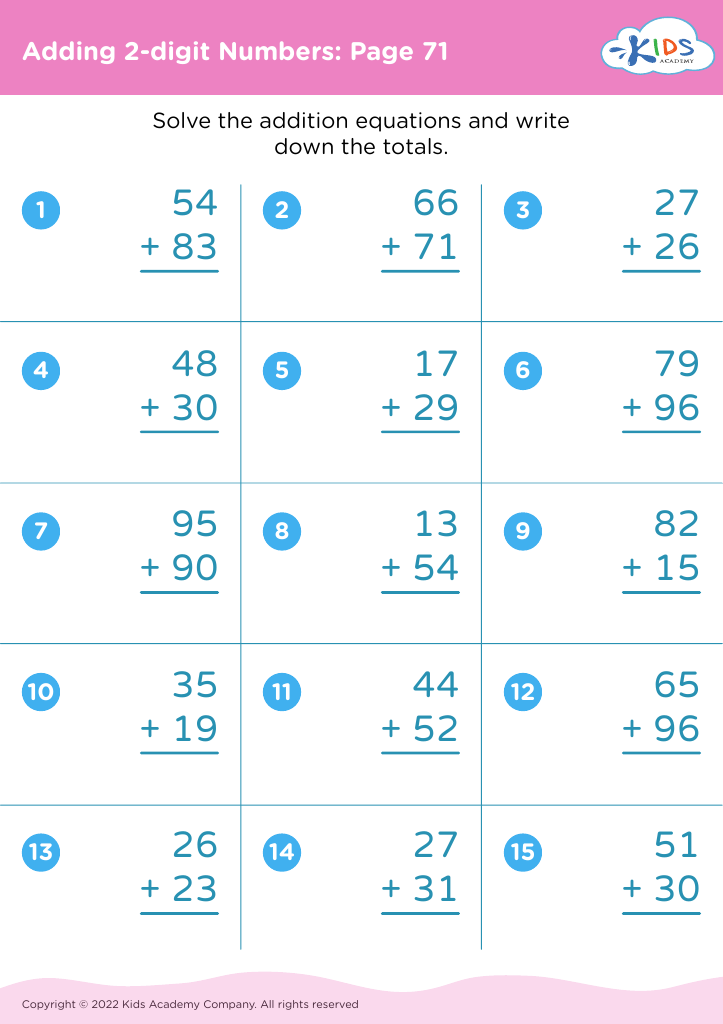
Enhance your child's mathematical abilities and sharpen their observation skills with our carefully designed addition and subtraction worksheets. These engaging and meticulously structured worksheets from Kids Academy not only focus on improving your child's arithmetic proficiency but also cultivate critical observation abilities. Each worksheet presents fun, interactive problems that require keen attention to detail, ensuring an engaging and educational experience. By integrating visual elements and varied exercises, we help children master fundamental math skills while simultaneously boosting their attention to detail and analytical thinking. Perfect for early learners, these worksheets make math learning enjoyable and effective.
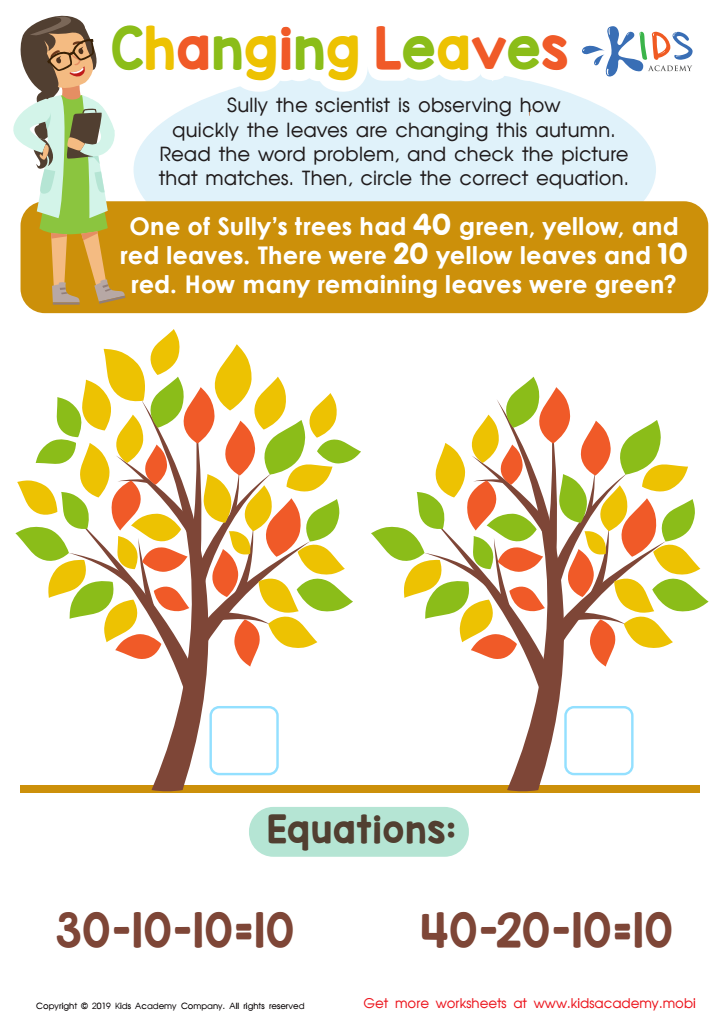
Changing Leaves Worksheet
 Assign to My Students








Improving observation skills in young learners plays a vital role in mastering fundamental skills such as addition and subtraction, integral to laying a strong foundation for future learning. For parents and teachers, fostering these skills is essential, as observational proficiency enables children to notice patterns, differentiate between quantities, and understand numeric relationships even before formal instruction begins. When children improve their ability to observe details, they become better at recognizing visual clues, such as counting objects or identifying numbers on charts, enhancing their mathematical thinking and problem-solving abilities.
Proper observation also promotes attention to detail, meaning fewer mistakes and a stronger grasp of basic math concepts. This attentiveness builds confidence in learning and encourages a positive attitude toward math, an attitude that benefits other academic areas. Additionally, activities aimed at enhancing observation skills can be fun and engaging, making learning seem less like a chore and more like an exploratory mission.
Early proficiency in these areas streamlines the learning process, ensuring students are more prepared as the curriculum advances. Therefore, investing time in boosting observation and foundational math skills opens a world of academic opportunities, supporting overall cognitive development that contributes significantly to a child’s educational journey.








