Problem-solving abilities Addition & Subtraction Worksheets - Page 2
42 filtered results
-
From - To
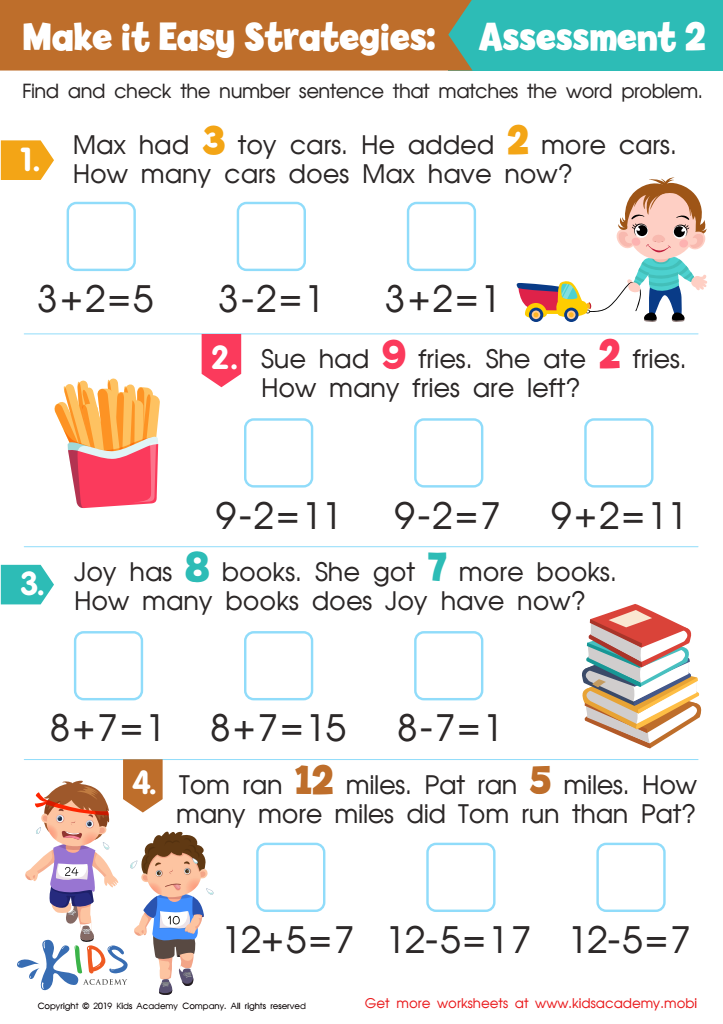
Make it Easy Strategies: Assessment 2 Worksheet
 Assign to My Students
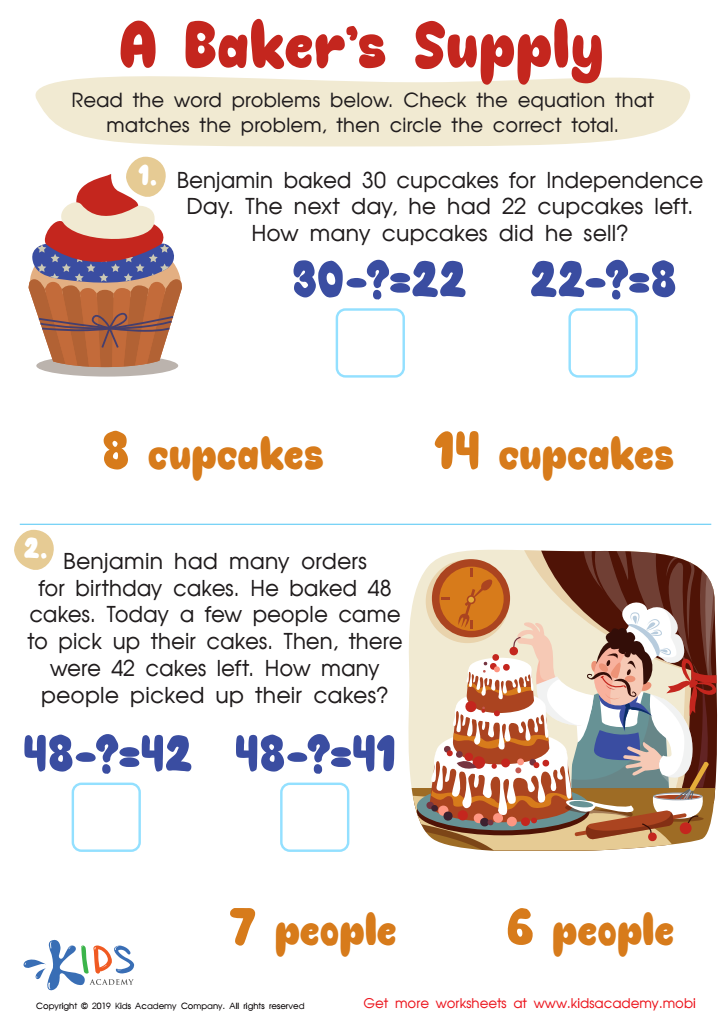
A Baker's Supply Worksheet
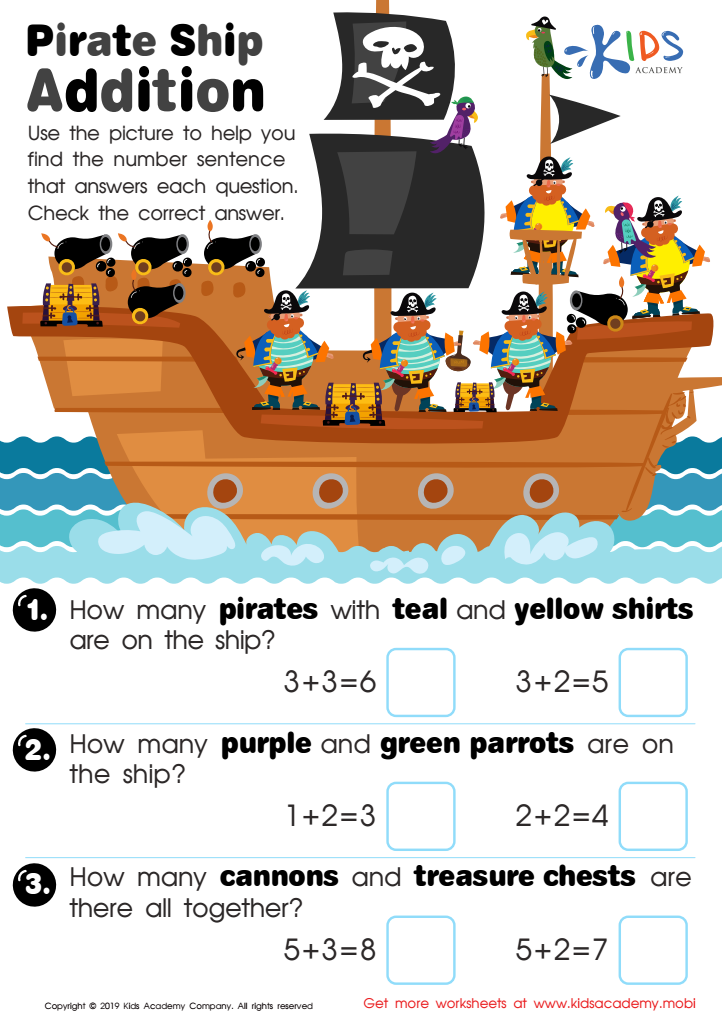
Pirate Ship Addition Worksheet
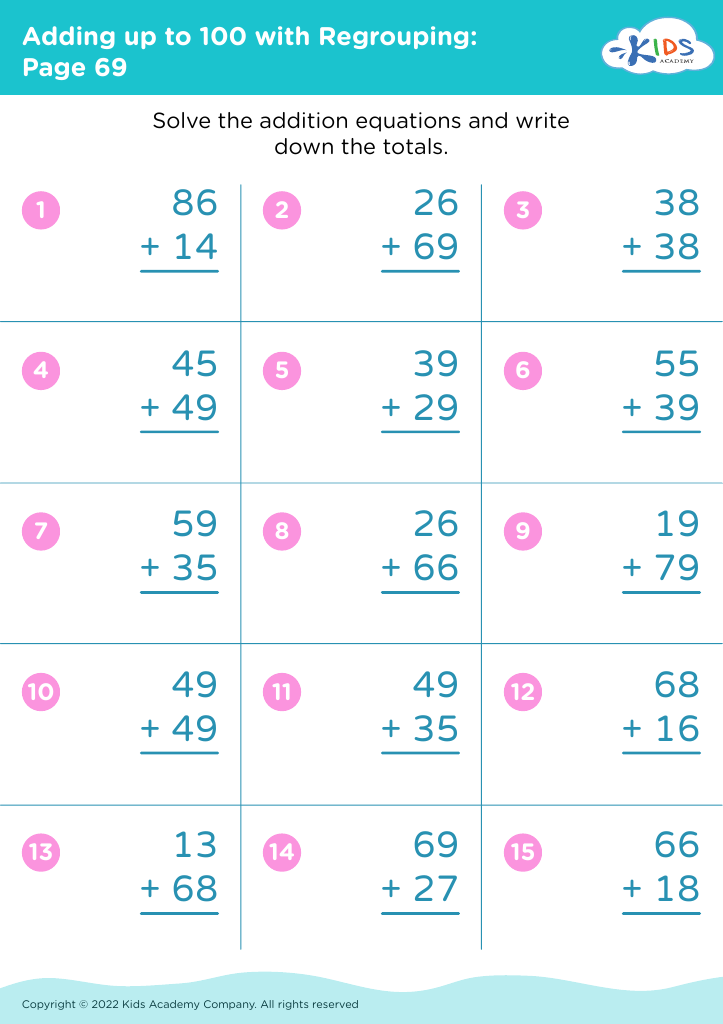
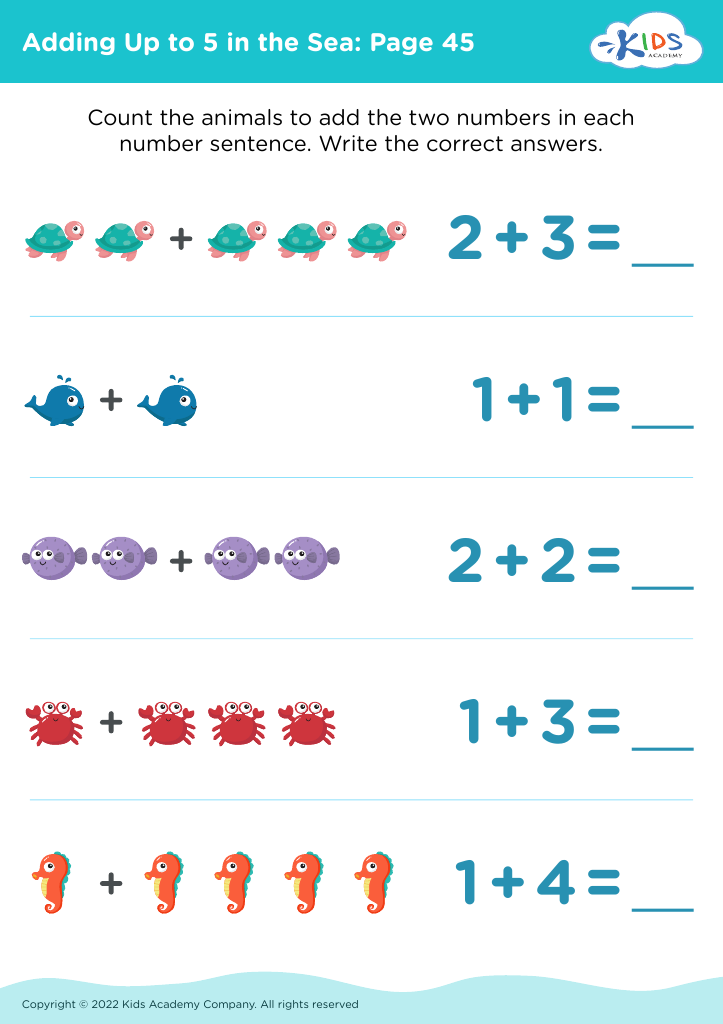
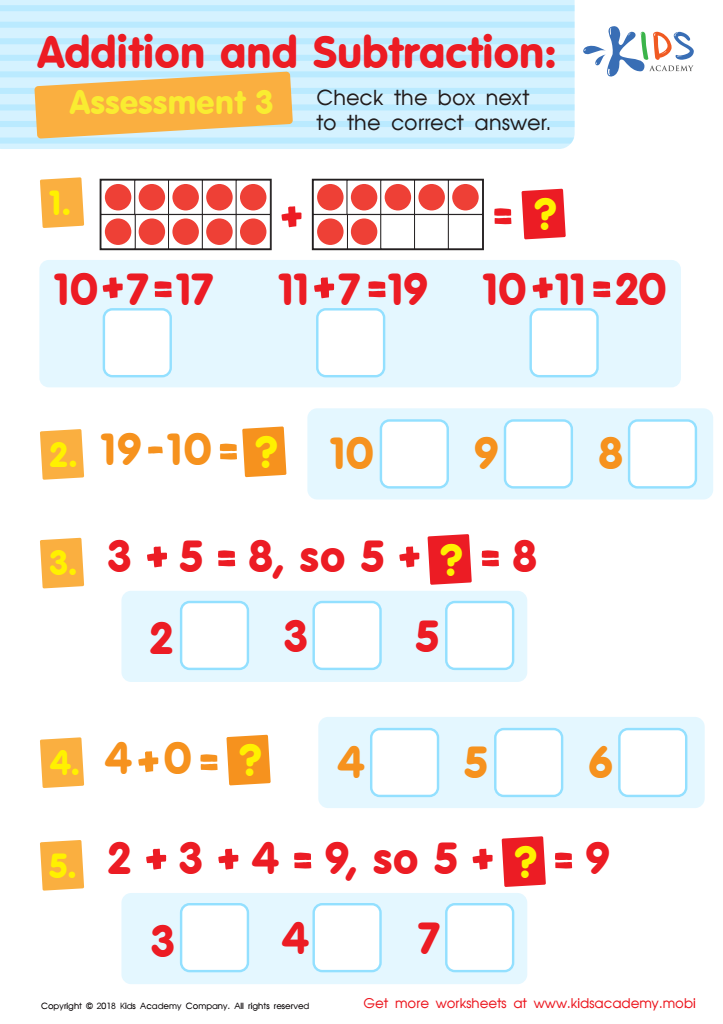
Addition and Subtraction Assessment 3 Worksheet
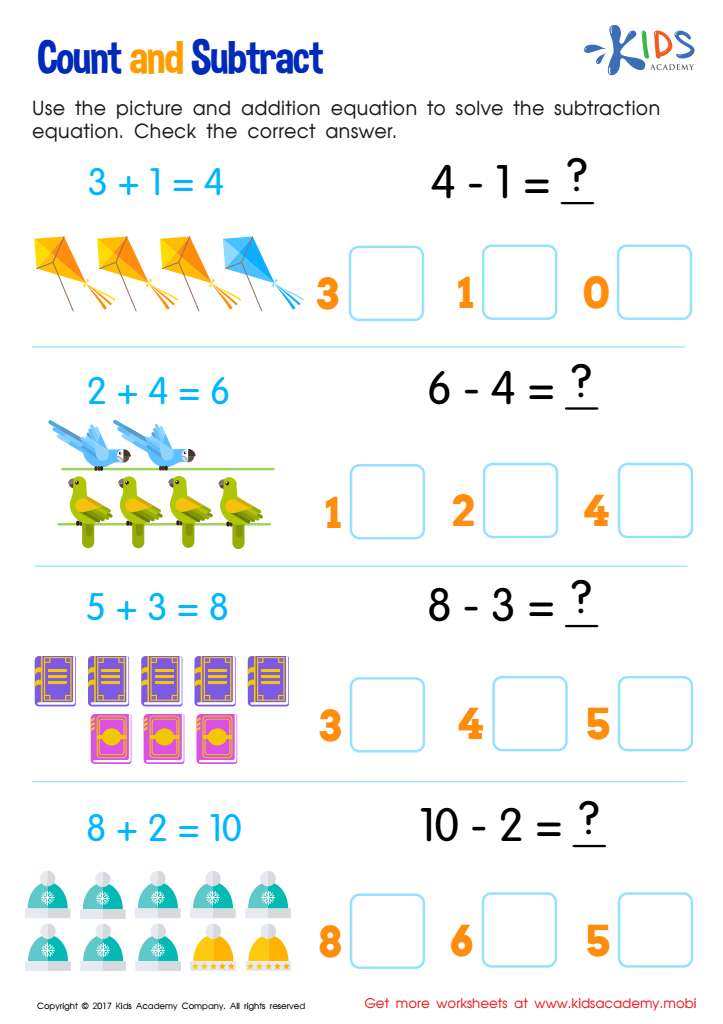
Count and Subtract Worksheet
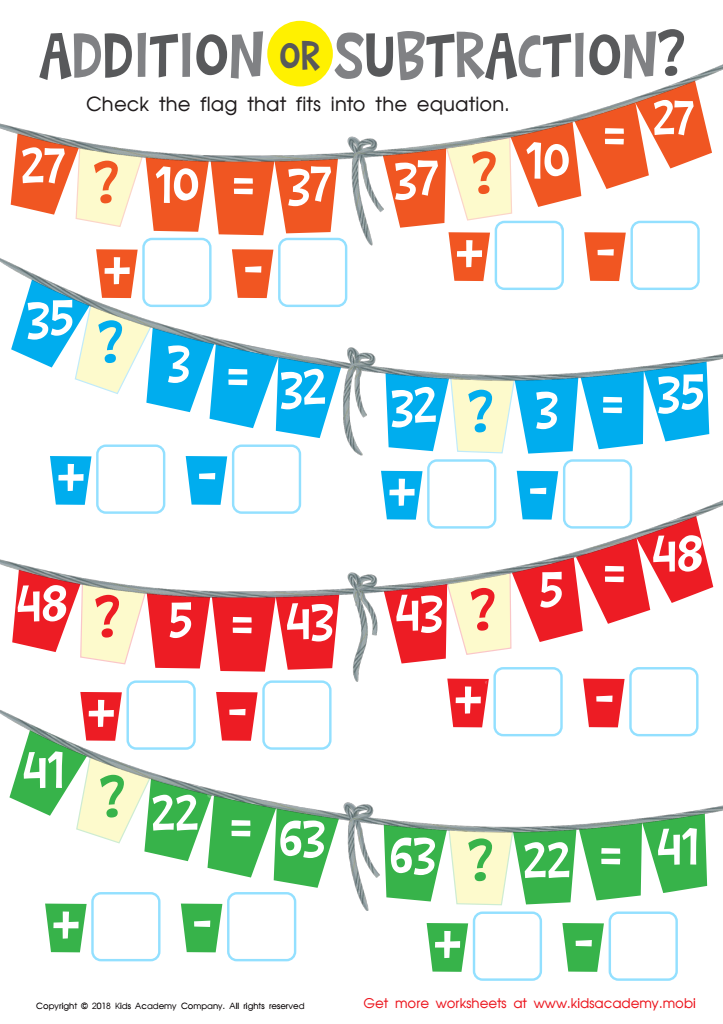
Addition or Subtraction? Worksheet
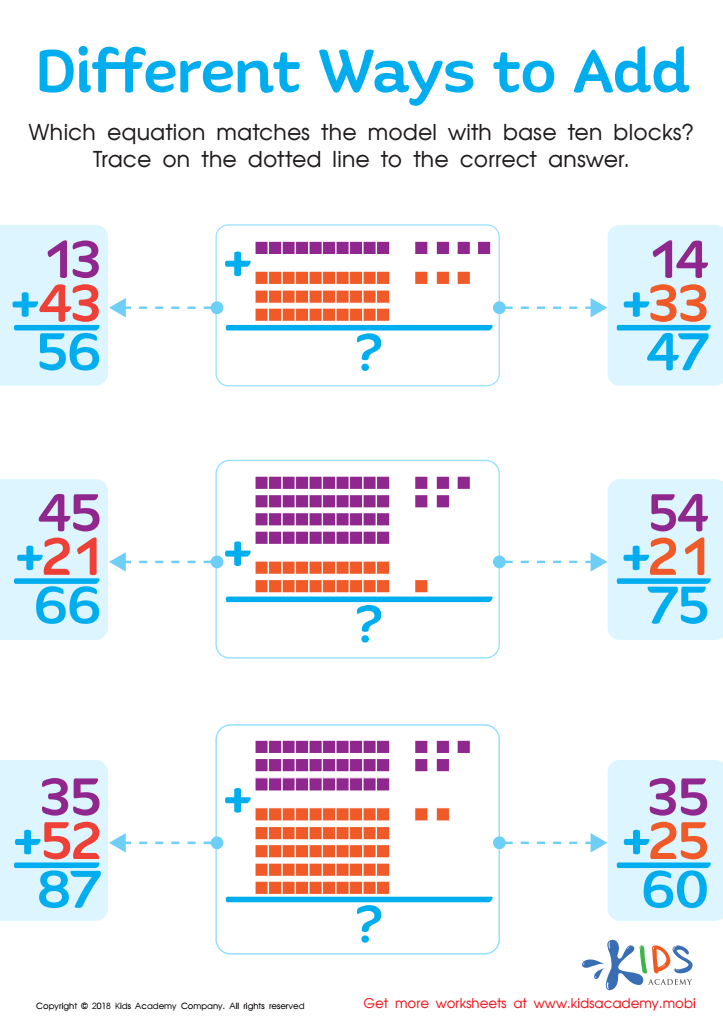
Different Ways to Add Worksheet
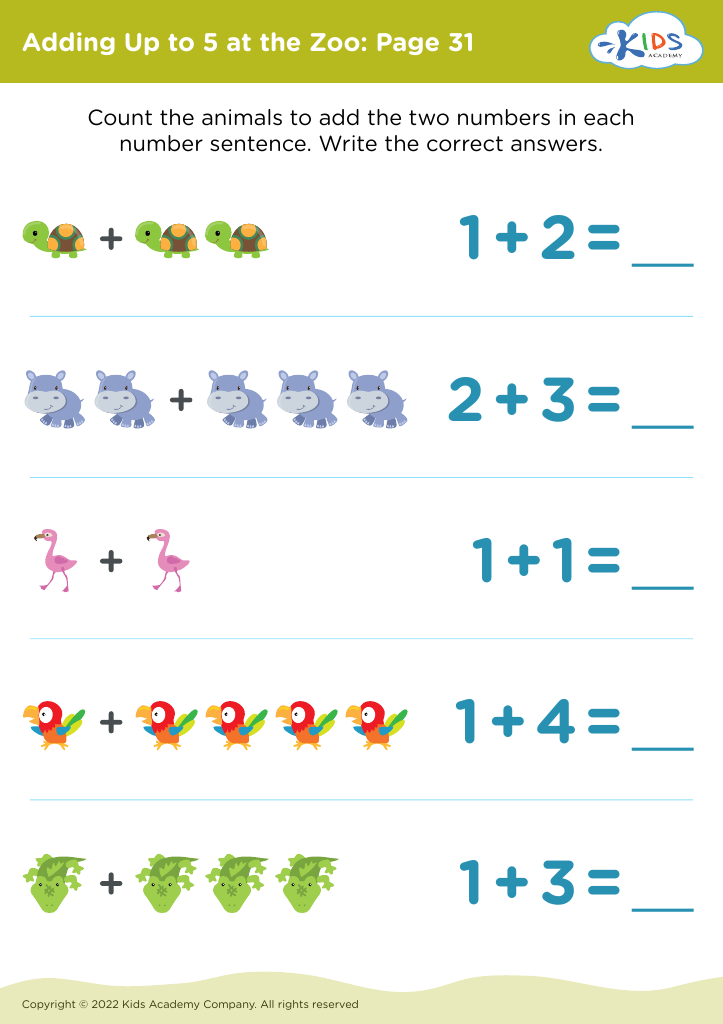
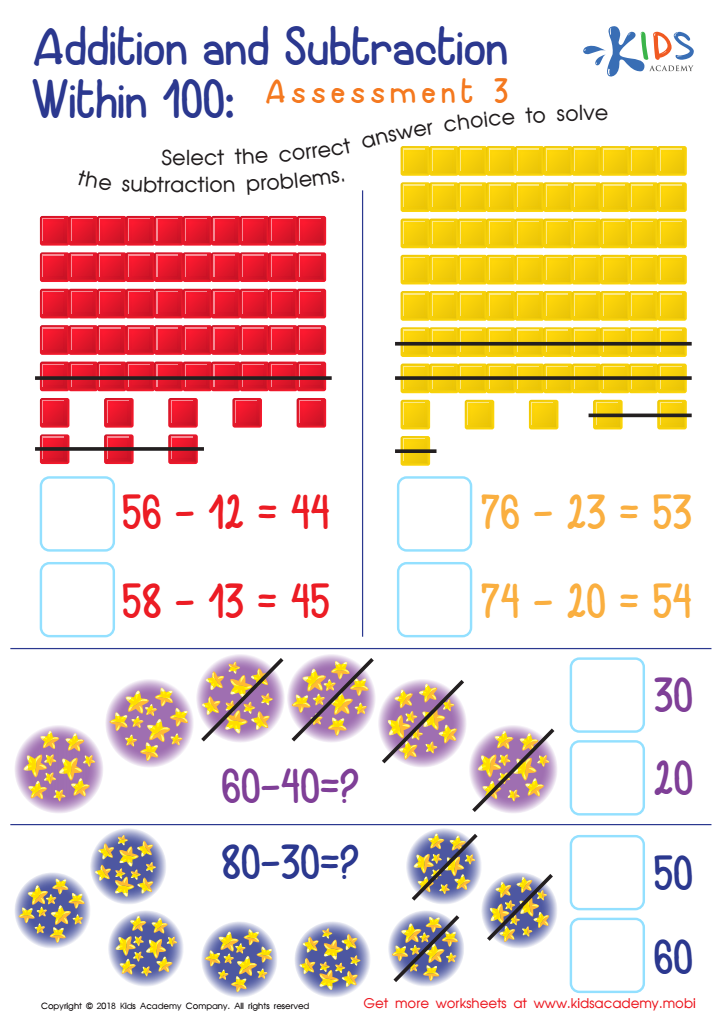
Addition and Subtraction Within 1: Assessment 3 Worksheet
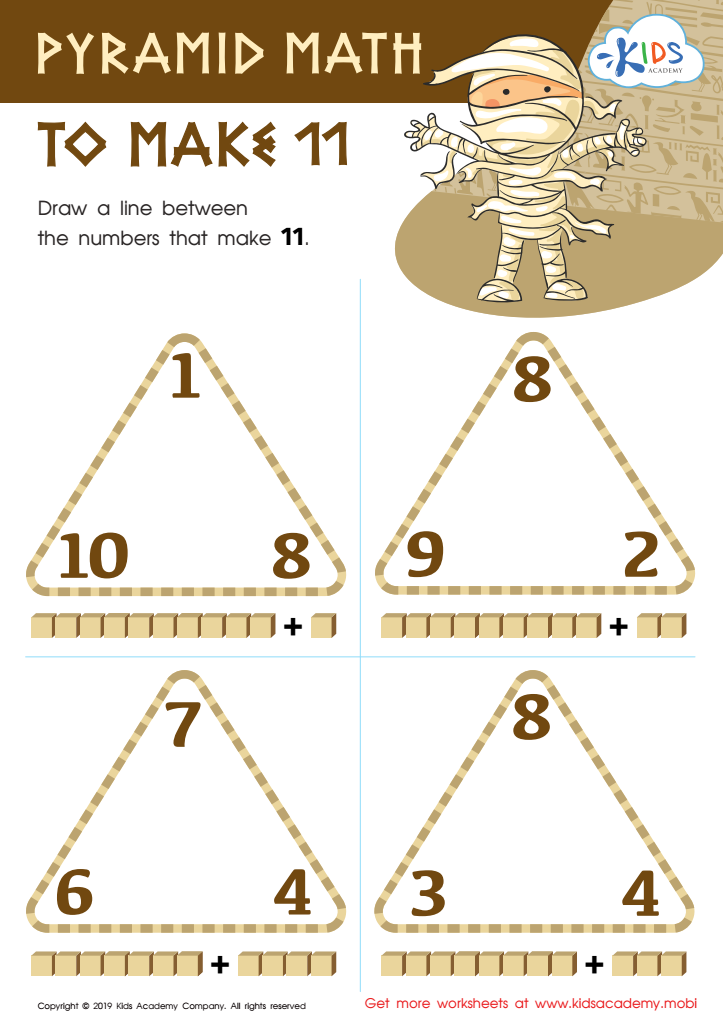
Pyramid Math to Make 11 Worksheet
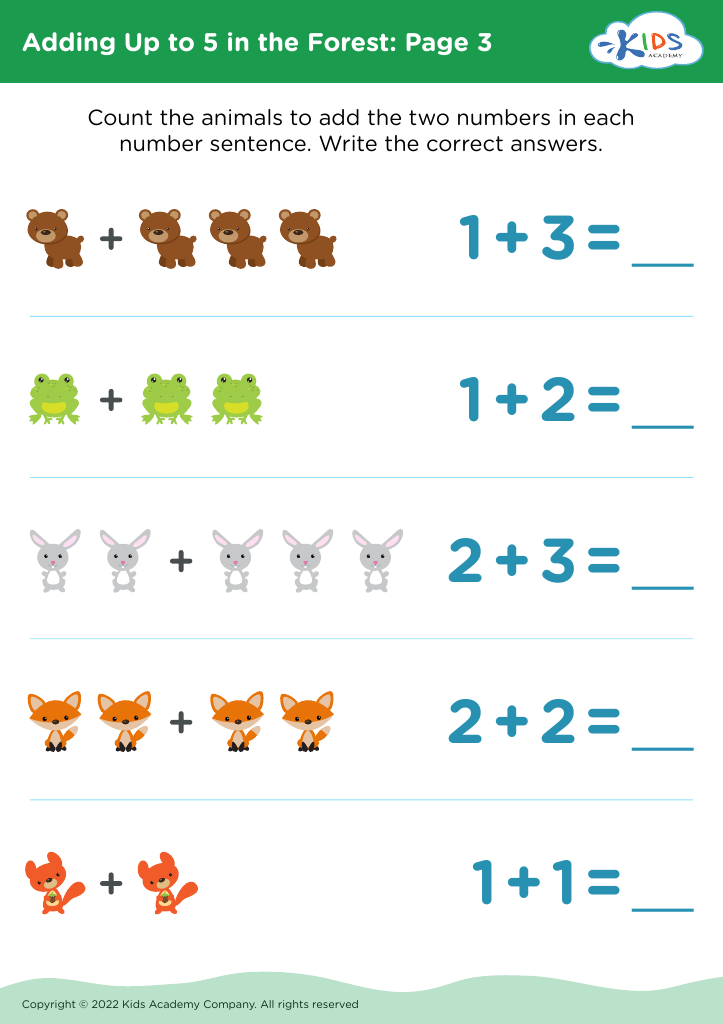








Parents and teachers should prioritize the development of problem-solving abilities related to addition and subtraction because these skills form the foundation of mathematical understanding and cognitive growth in young children. Mastering basic arithmetic is crucial, as it not only enhances quantitative reasoning but also reinforces critical thinking skills. When children learn to solve addition and subtraction problems, they are encouraged to think logically, analyze situations, and consider different approaches to arrive at a solution.
Additionally, proficiency in these operations is essential for practical daily applications, such as budgeting, shopping, and time management, fostering independence and self-sufficiency as children grow. Strong problem-solving abilities in math also correlate with success in other subjects, promoting overall academic achievement.
Moreover, cultivating these skills early on establishes a positive attitude toward mathematics. It encourages curiosity and resilience, helping children to tackle challenges with confidence. As parents and teachers support problem-solving exercises, they create an engaging learning environment that fosters collaborative skills and social interaction. Ultimately, prioritizing addition and subtraction enhances children's ability to navigate life’s complexities, equips them with necessary life skills, and prepares them for more advanced mathematical concepts.








