Visual learning reinforcement Addition & Subtraction Worksheets
8 filtered results
-
From - To
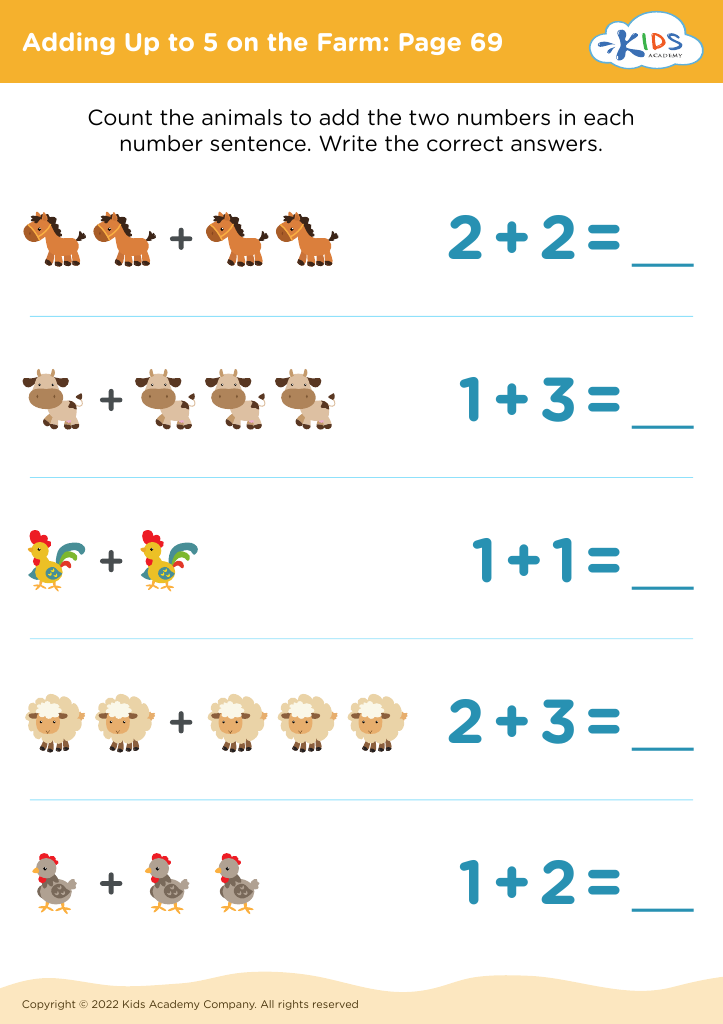
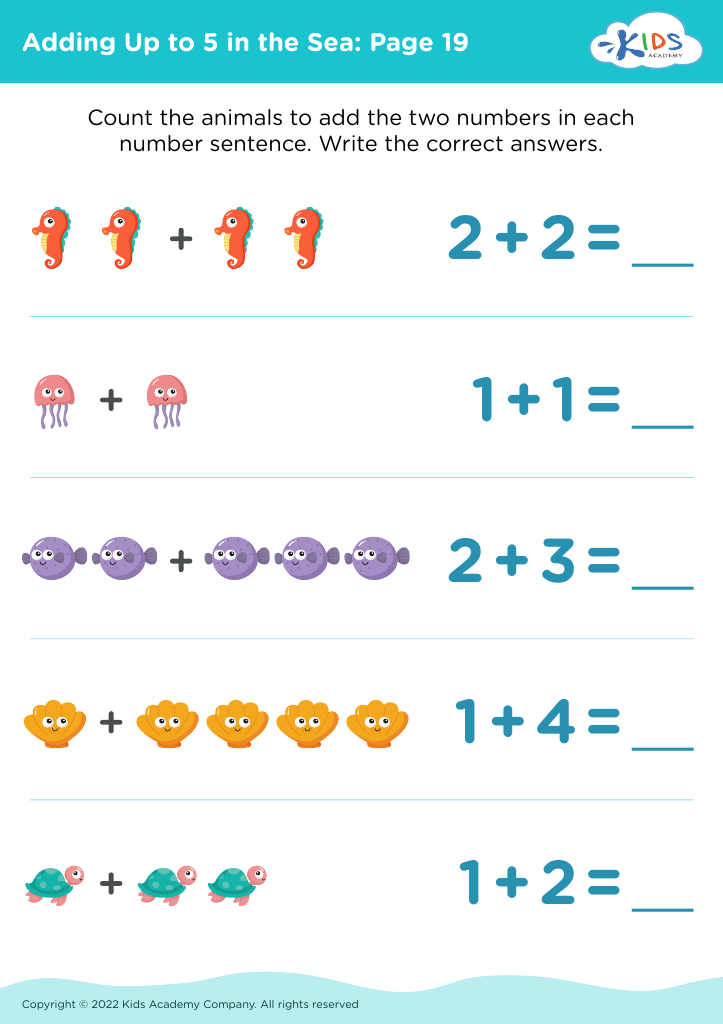
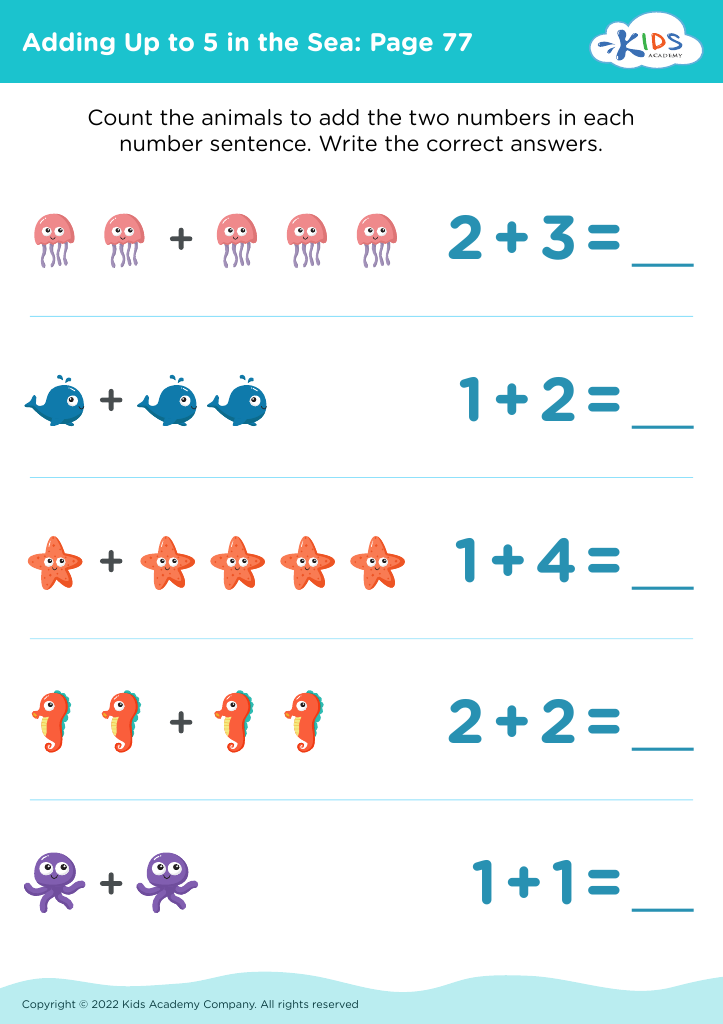
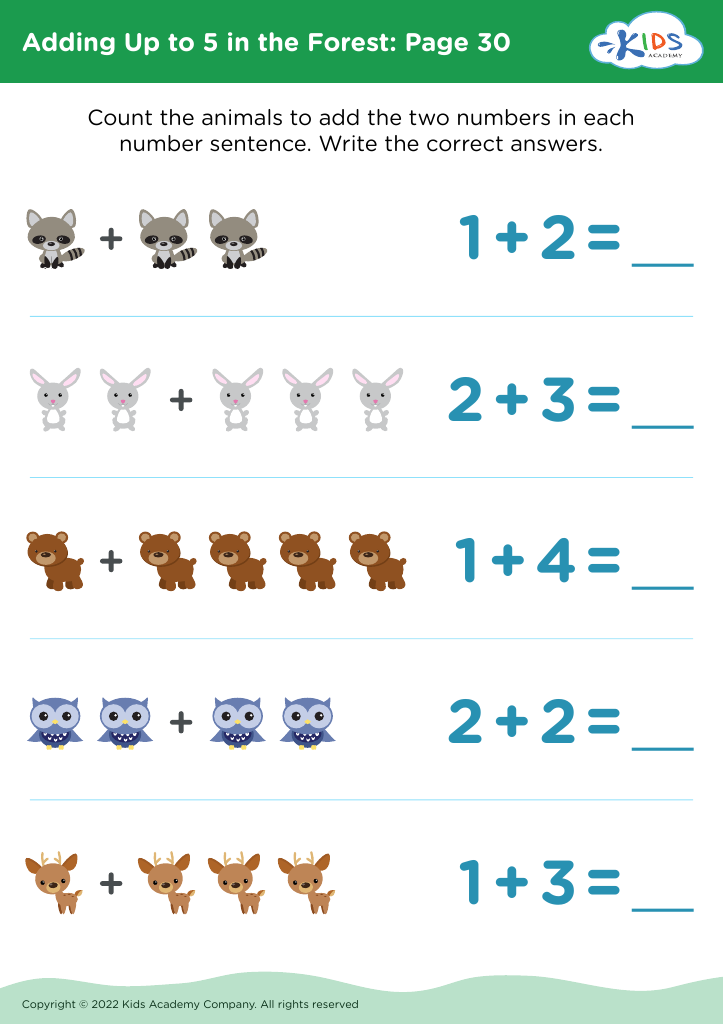
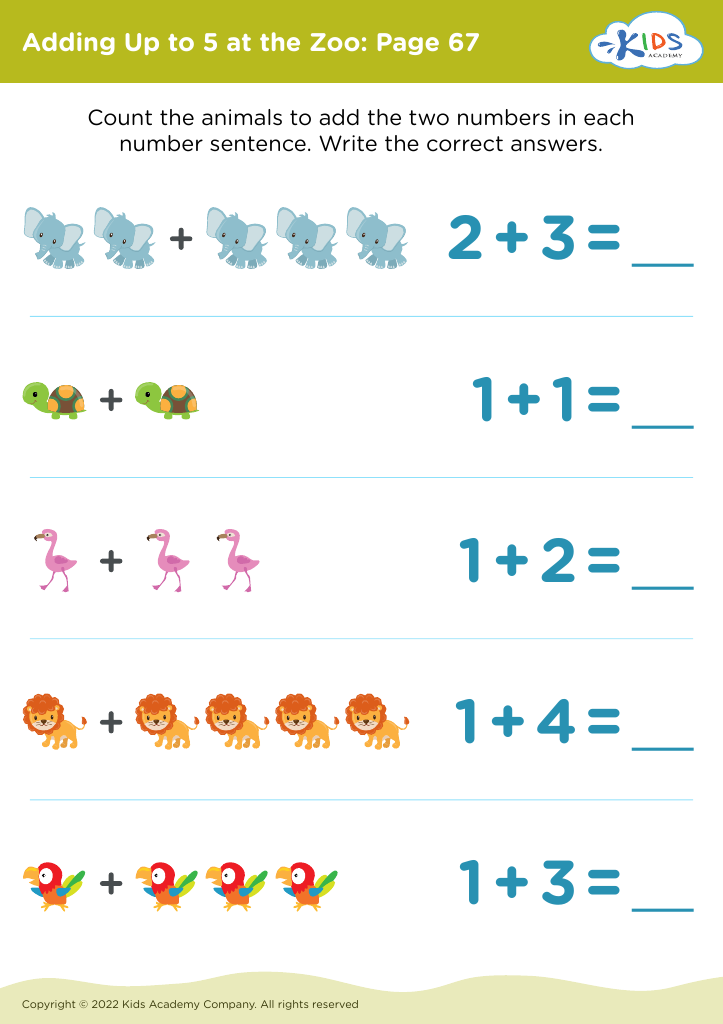
Enhance your child's understanding of addition and subtraction with our Visual Learning Reinforcement Worksheets. Designed for early grade students, these engaging worksheets utilize visual aids to simplify complex concepts, making math accessible and fun. With lively illustrations and interactive problem-solving activities, children can grasp foundational math skills effectively. Each worksheet focuses on key strategies to reinforce visual learning, helping students develop confidence in their numerical abilities. Perfect for at-home practice or classroom use, our addition and subtraction worksheets cater to diverse learning styles, ensuring that each child thrives in their mathematical journey. Explore our collection to support your child's educational growth today!
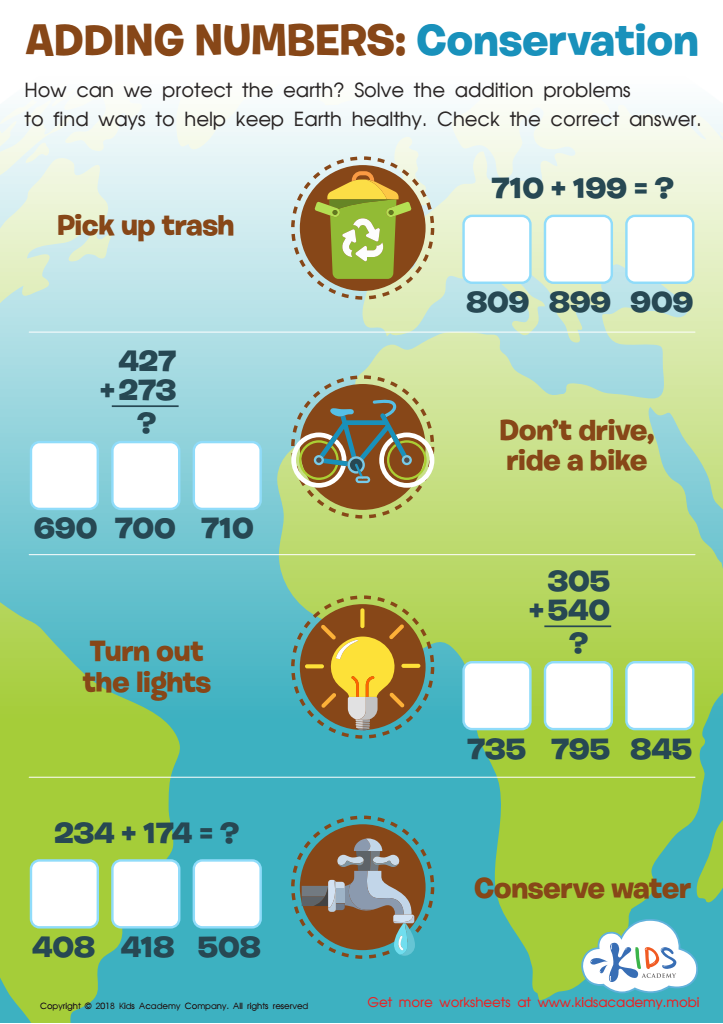
Adding Numbers: Conservation Worksheet
 Assign to My Students
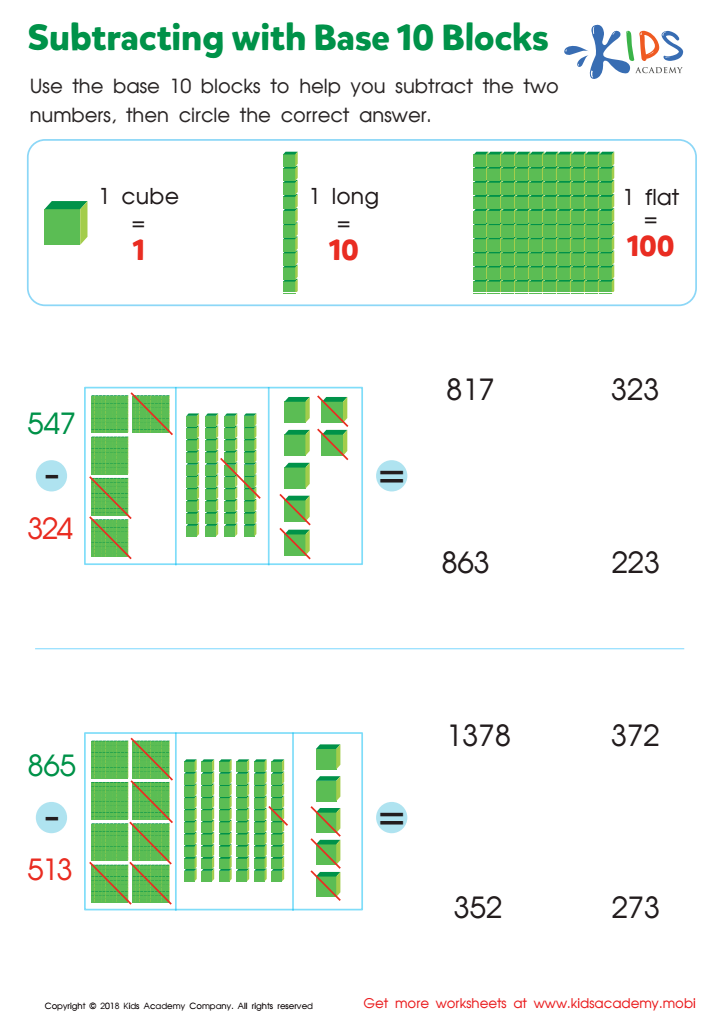
Subtracting with Base 10 Blocks Worksheet
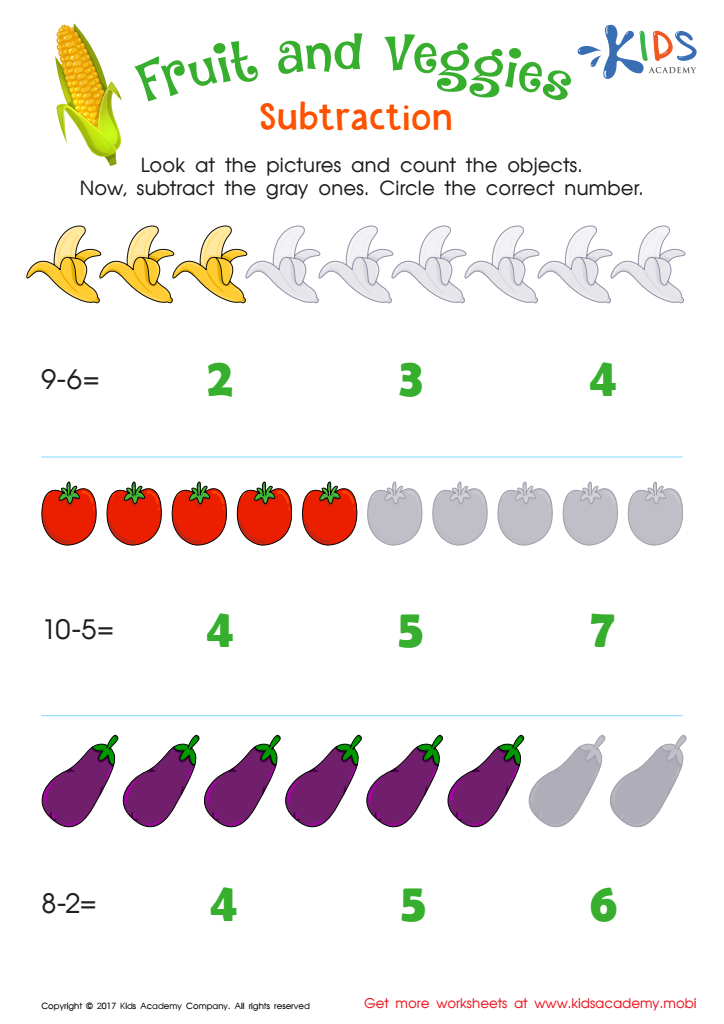
Fruit and Veggies Subtraction Worksheet








Visual learning reinforcement for addition and subtraction is essential for young learners as it caters to diverse learning styles and enhances understanding. When children visualize mathematical concepts, they are more likely to grasp abstract ideas, making it easier to comprehend basic operations like addition and subtraction.
Using visual aids such as counters, number lines, or graphic organizers allows students to conceptualize numbers and their relationships. This reinforcement transforms numerical equations into tangible, relatable scenarios, thus building a stronger foundational understanding.
Moreover, visual learning fosters engagement and motivation. When children can see mathematical concepts represented graphically, they tend to participate more actively in learning. This engagement reduces anxiety often associated with math, especially in early learners who may feel overwhelmed by abstract symbols.
Additionally, reinforcing visual learning in the classroom or at home encourages parents and teachers to collaborate on a child’s educational journey. By utilizing techniques such as drawing pictures or using physical objects during problem-solving, they can create a supportive environment that builds confidence and proficiency in math.
Ultimately, prioritizing visual learning reinforcement contributes to developing essential problem-solving skills that will serve children throughout their academic careers and daily life.








