Visual Learning Addition & Subtraction Worksheets - Page 2
94 filtered results
-
From - To
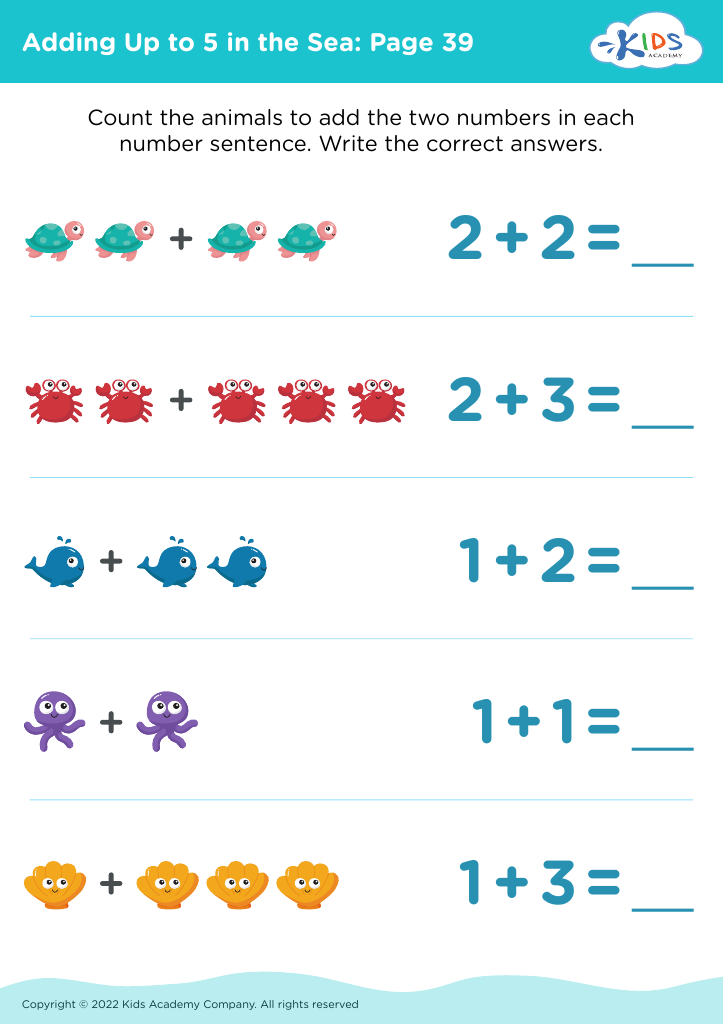
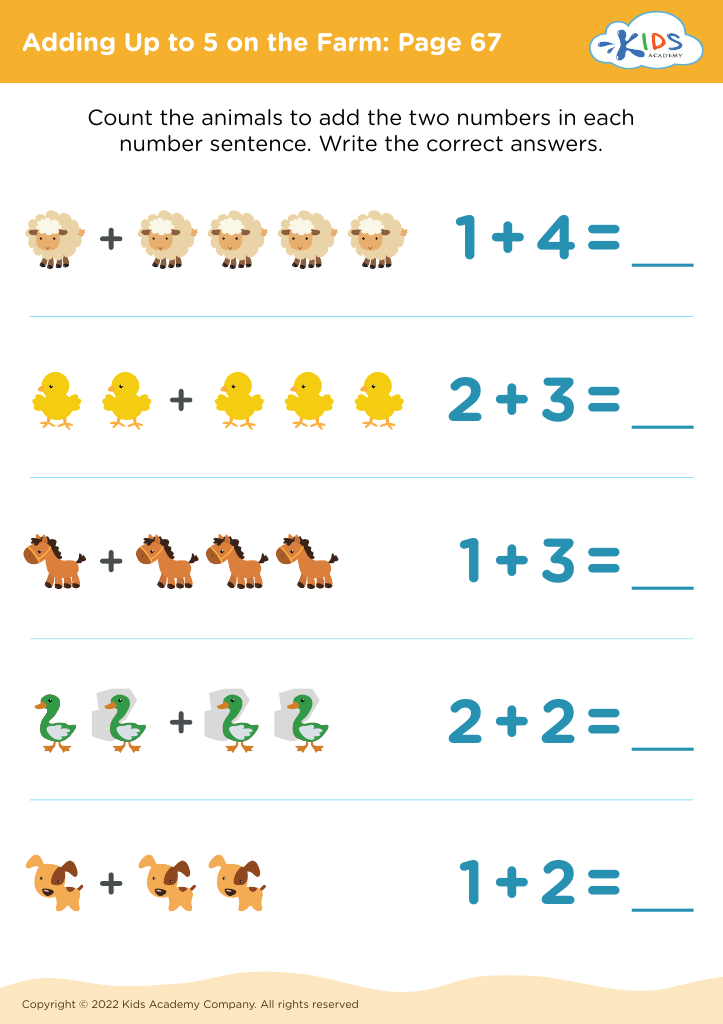
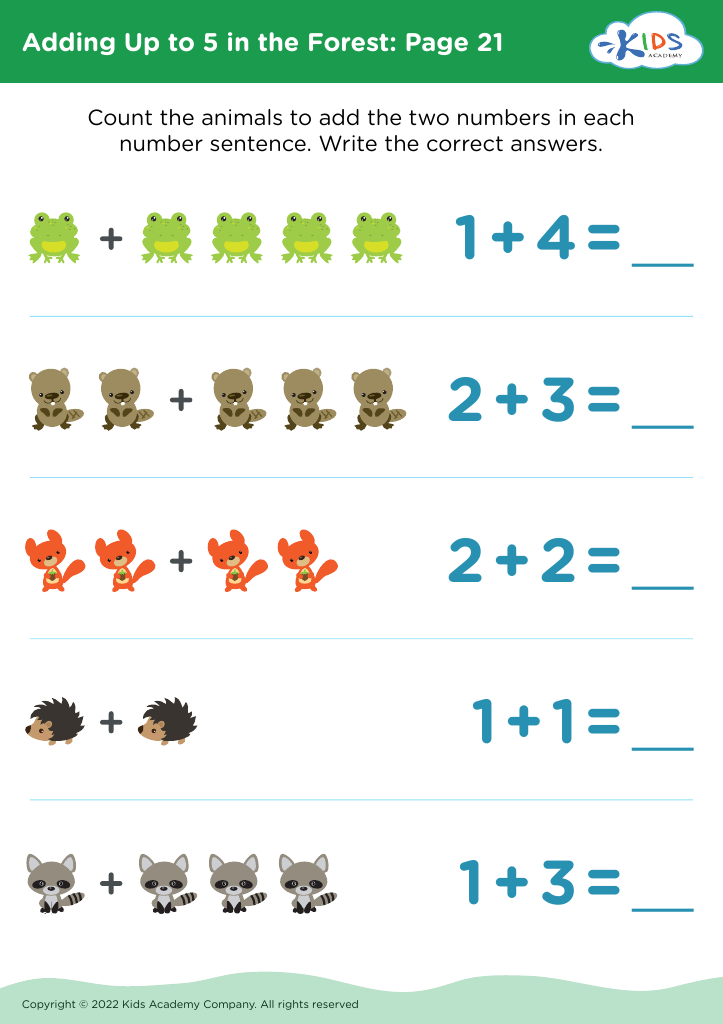
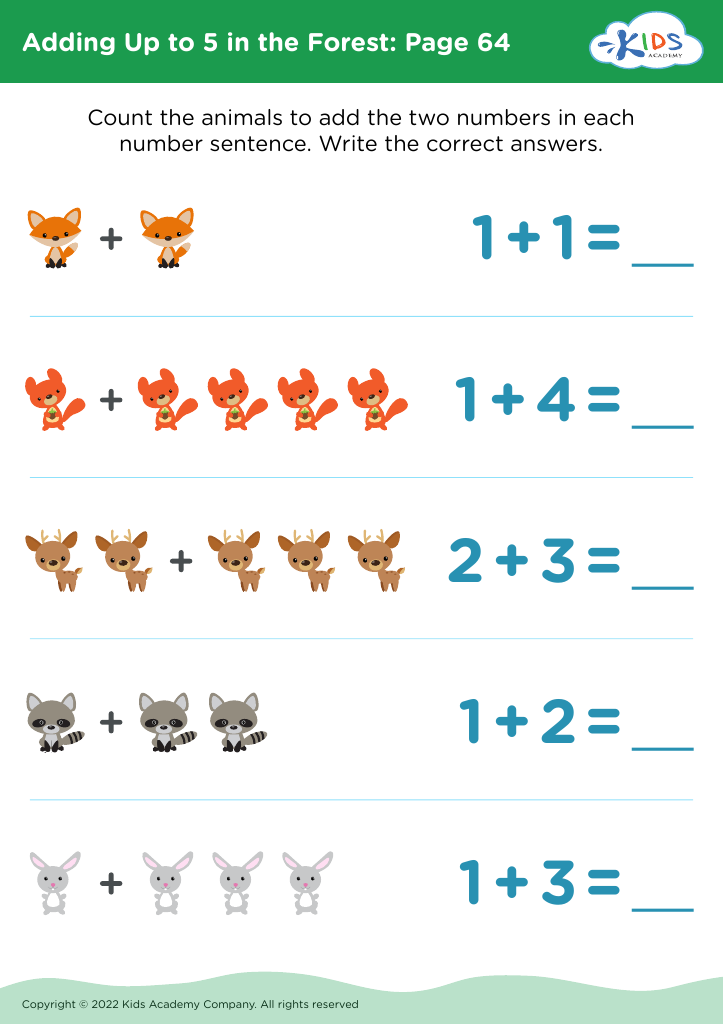
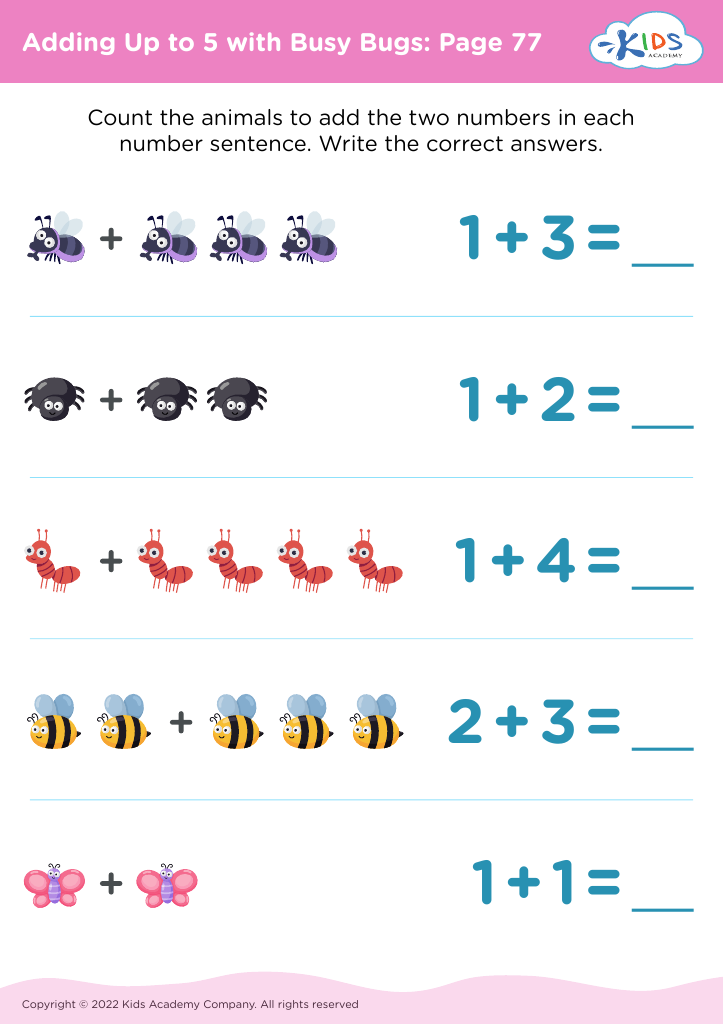
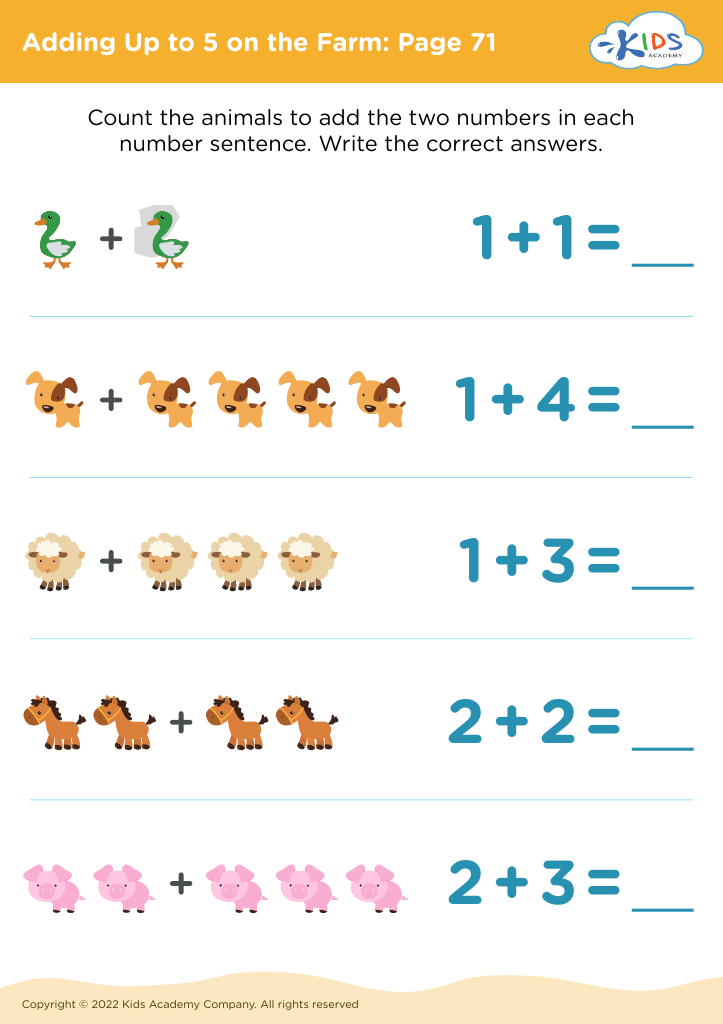
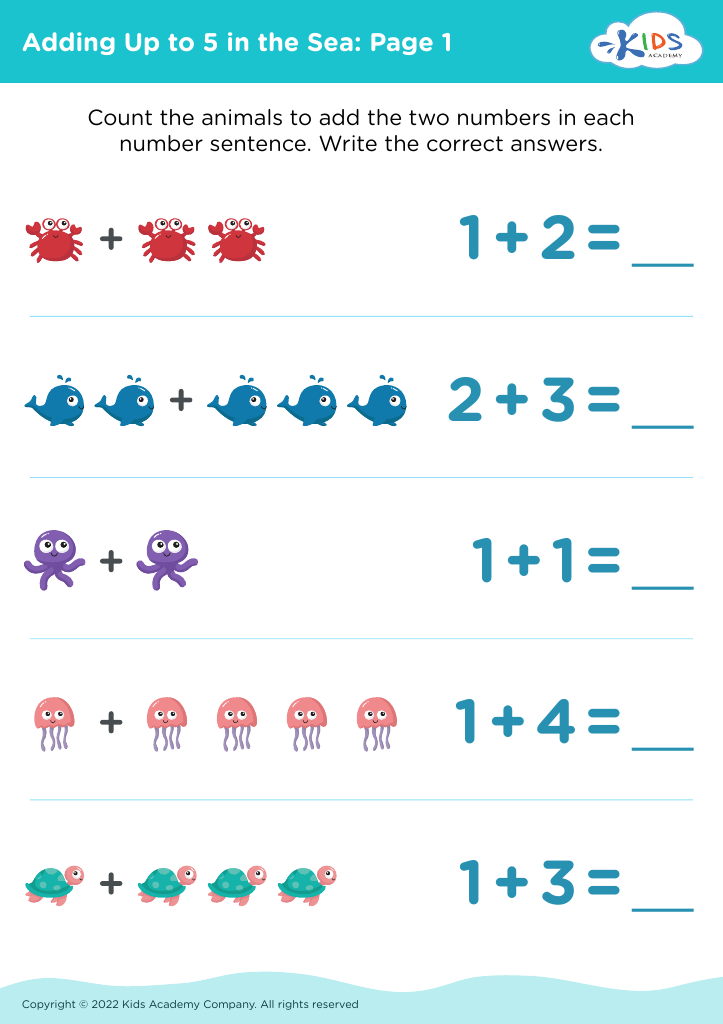
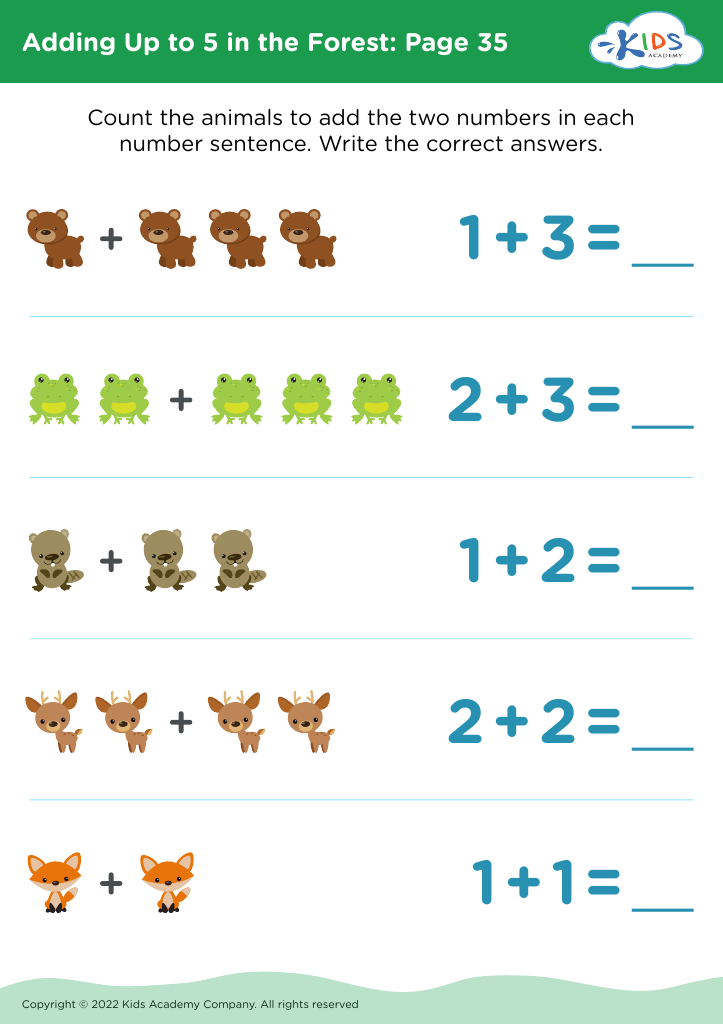
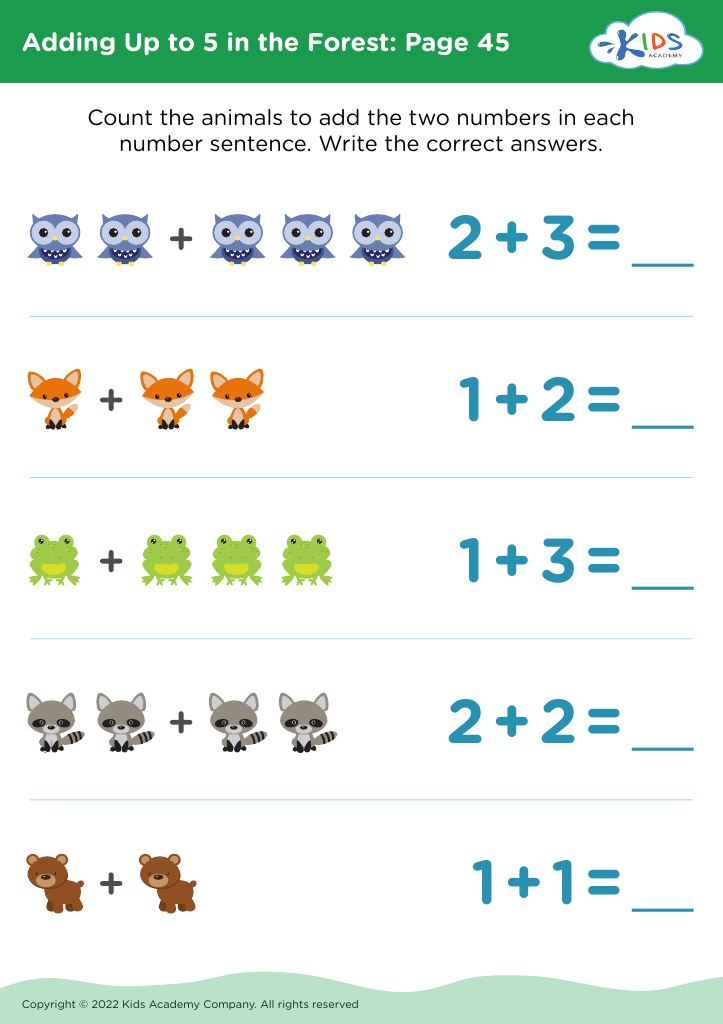
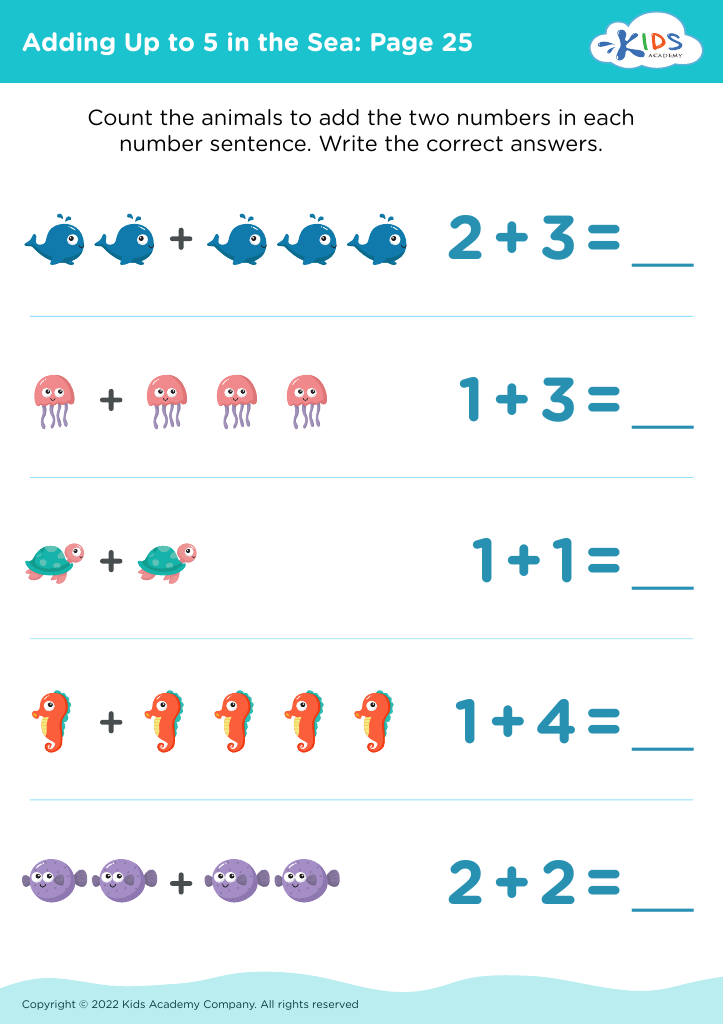
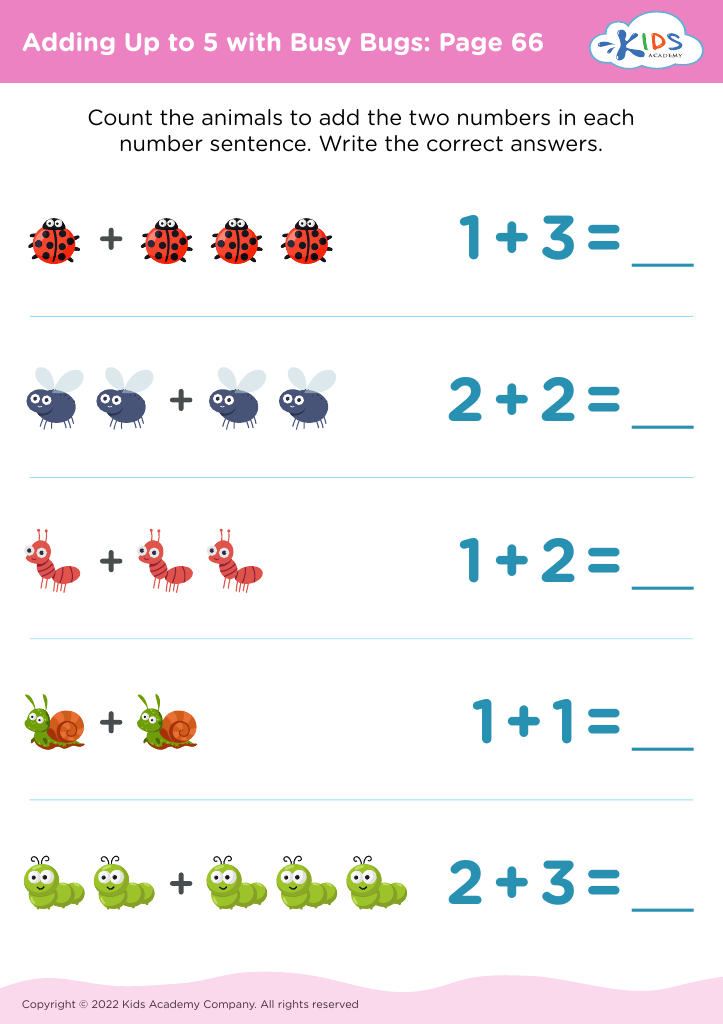
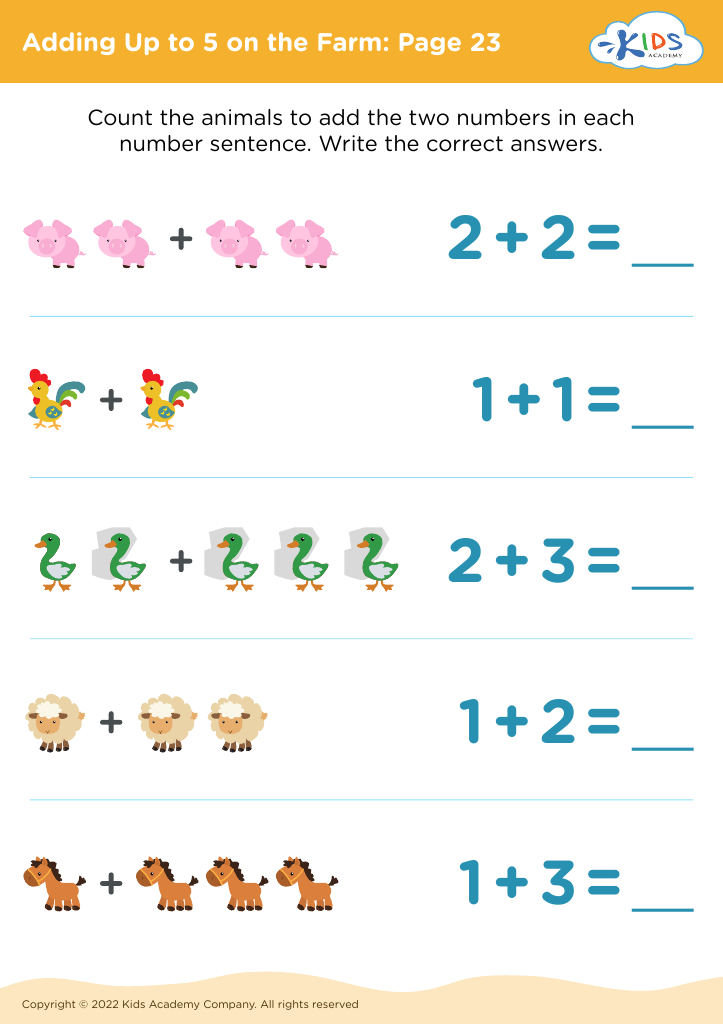
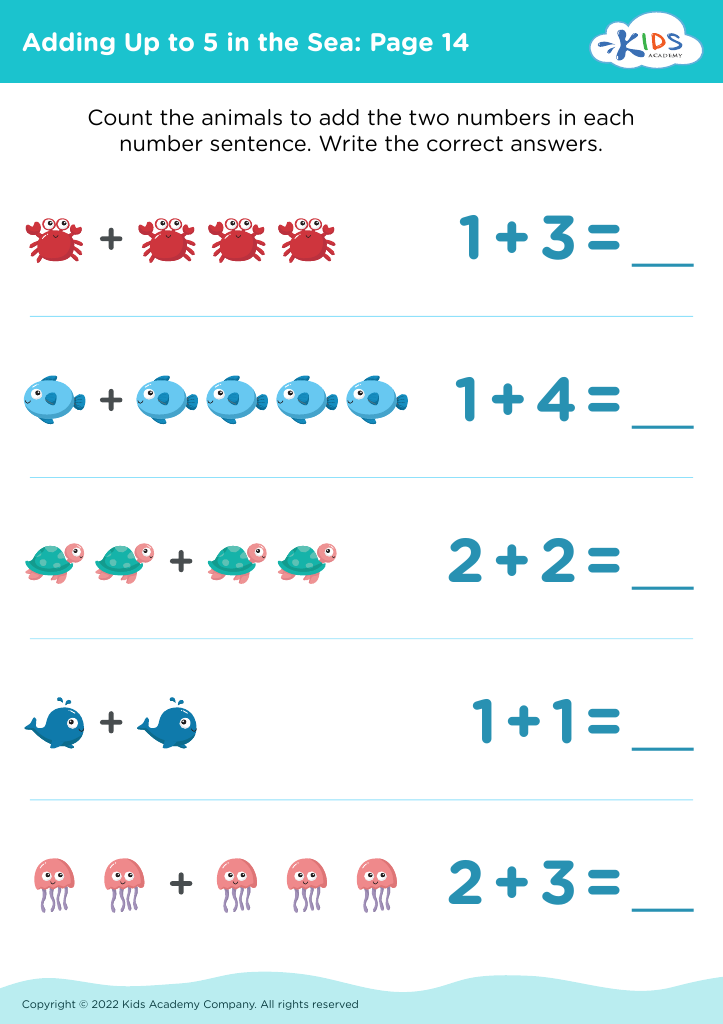
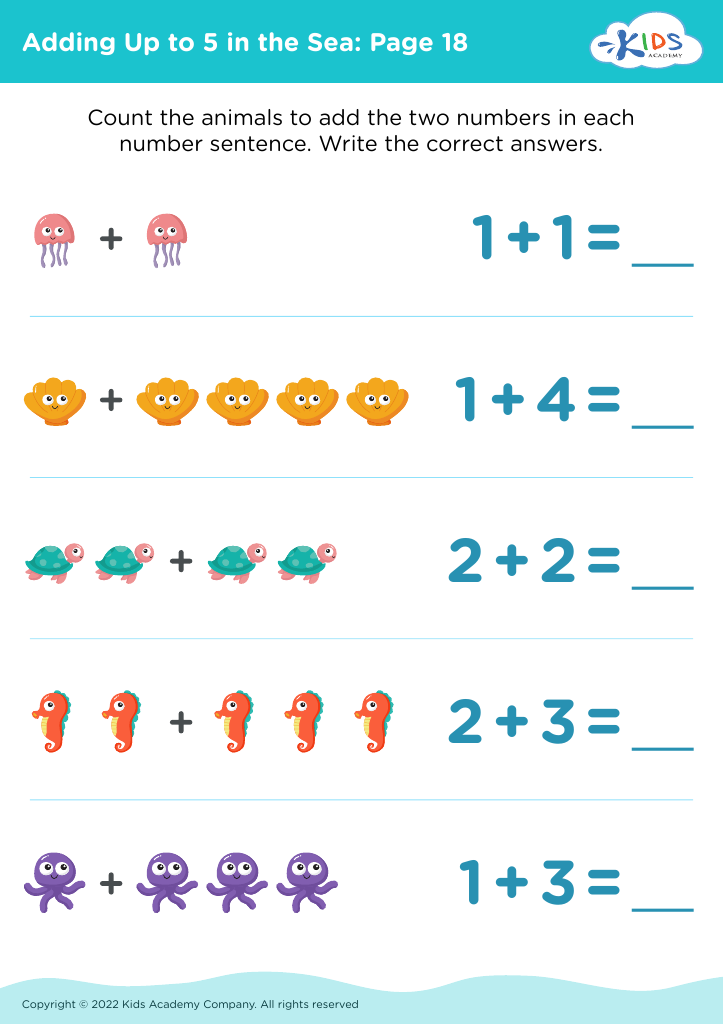
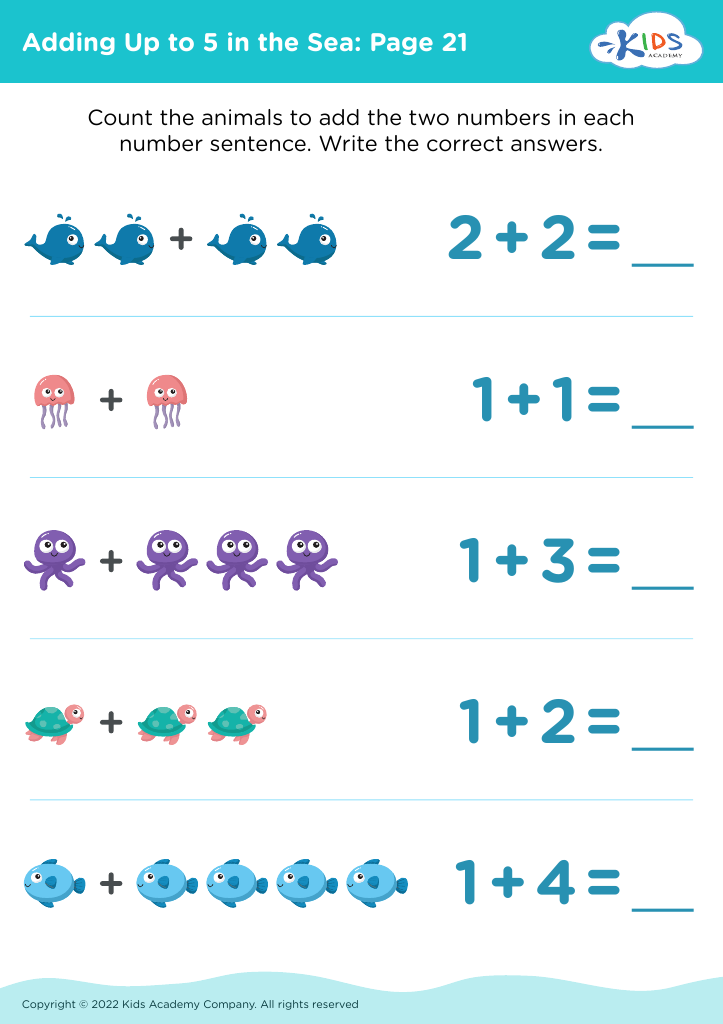
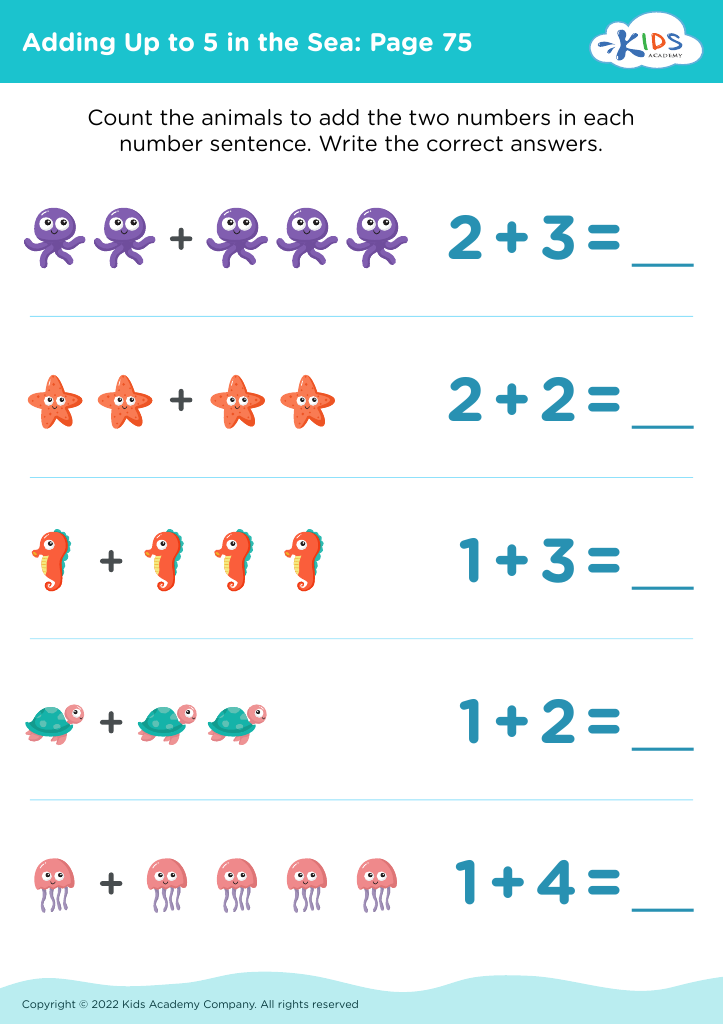
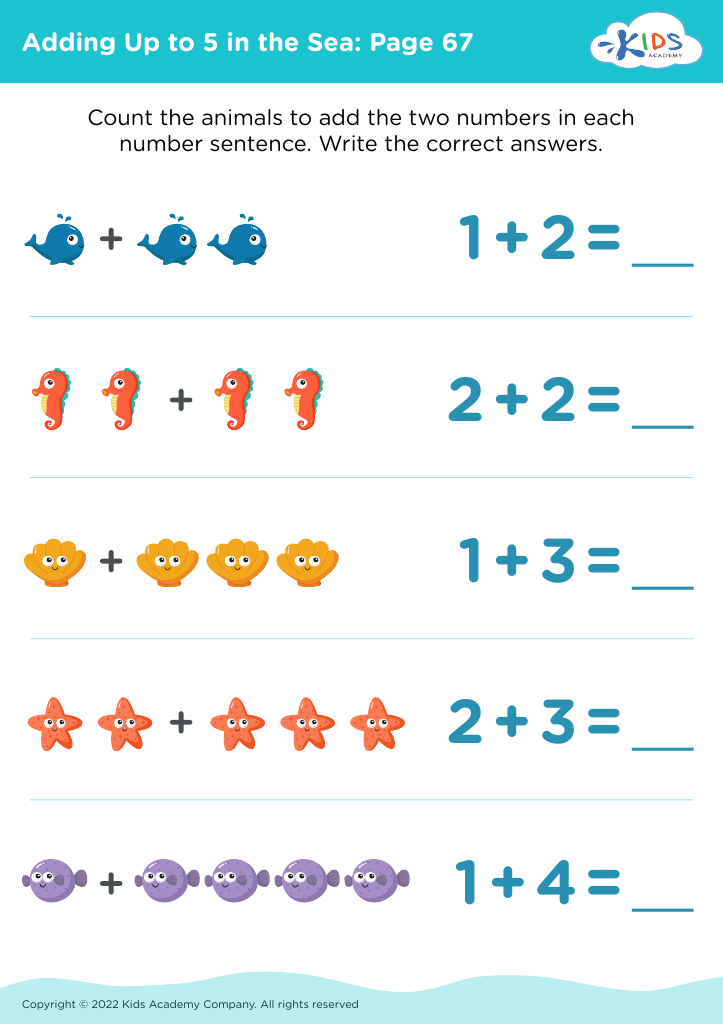
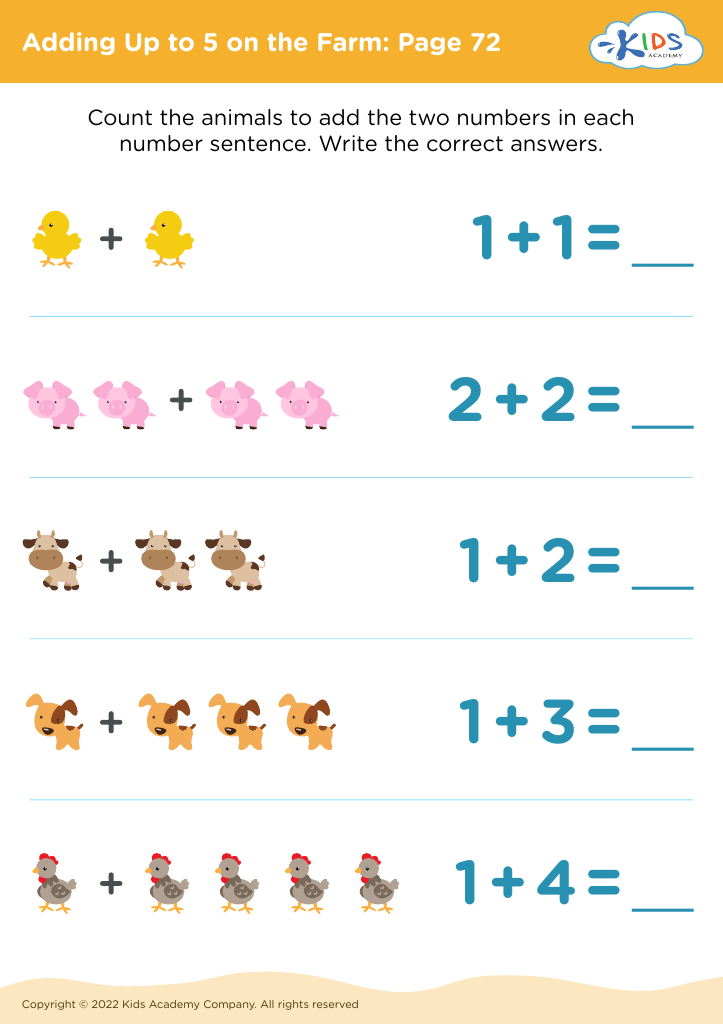
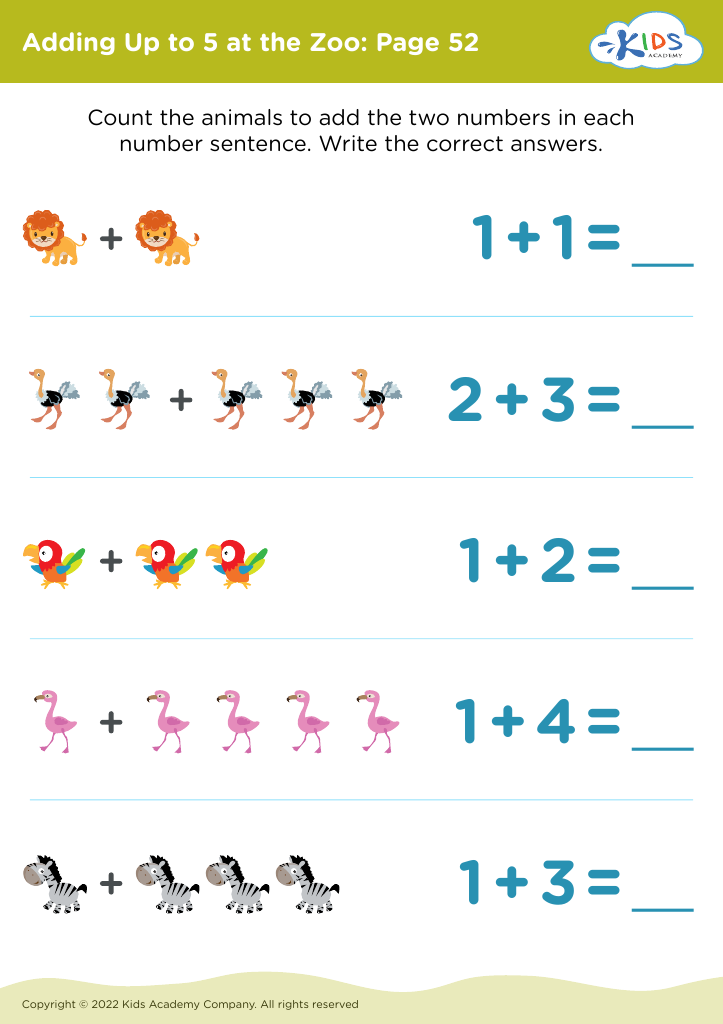
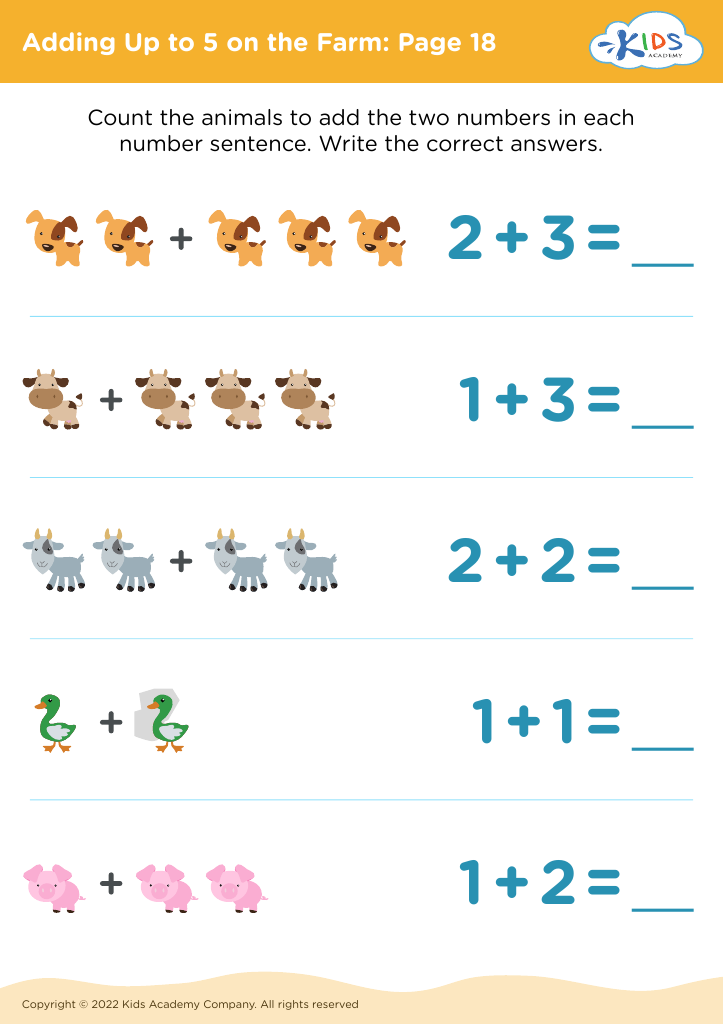
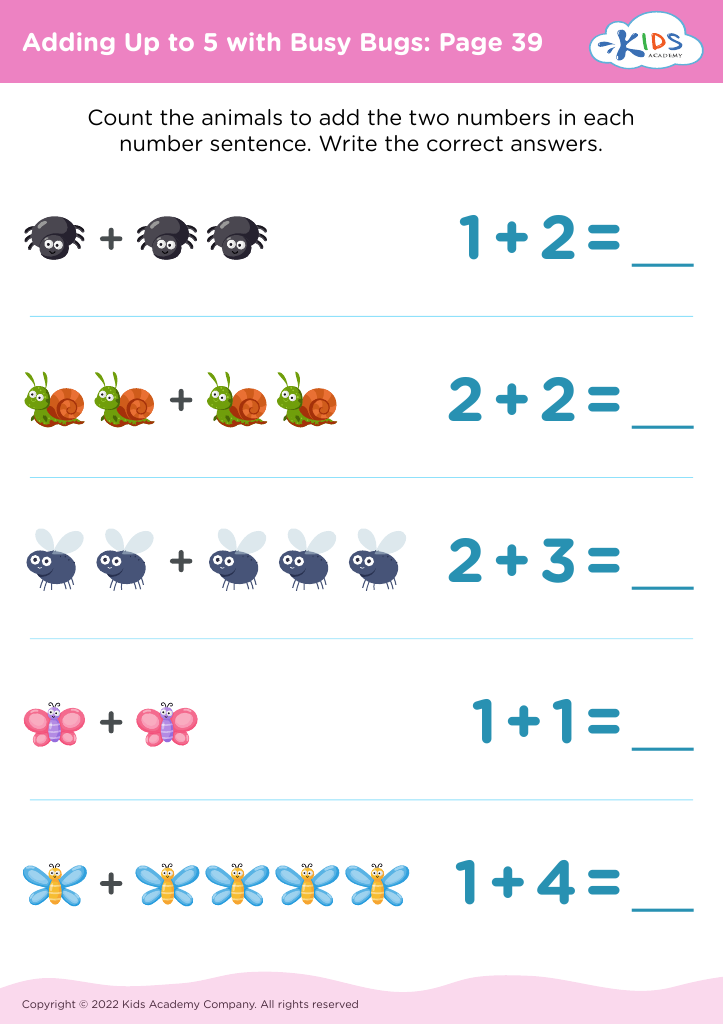
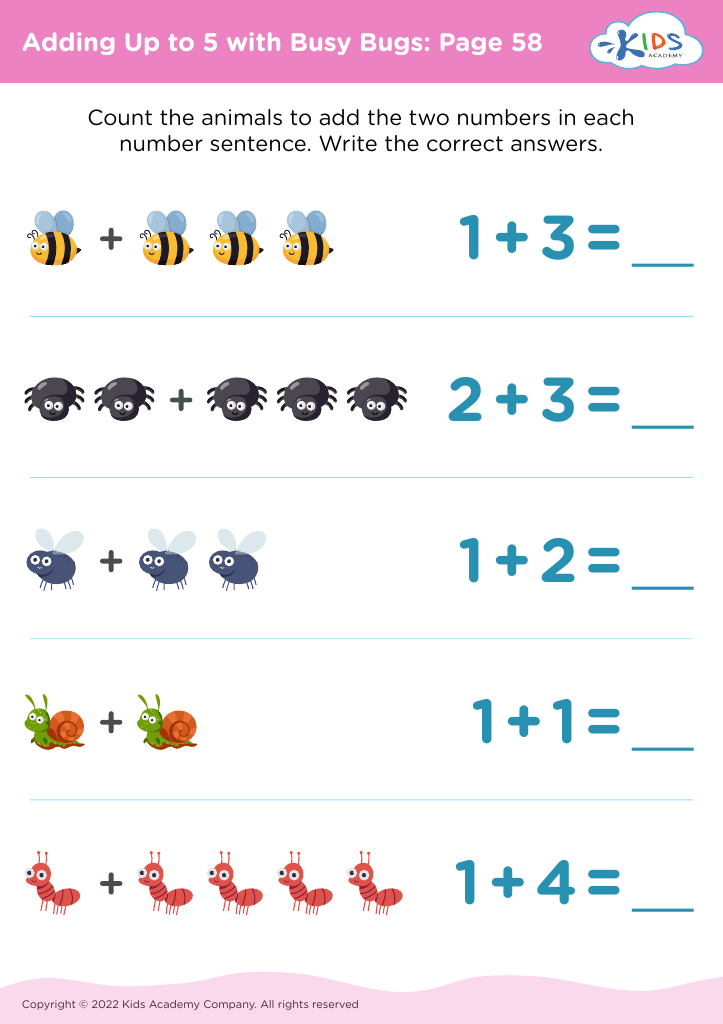
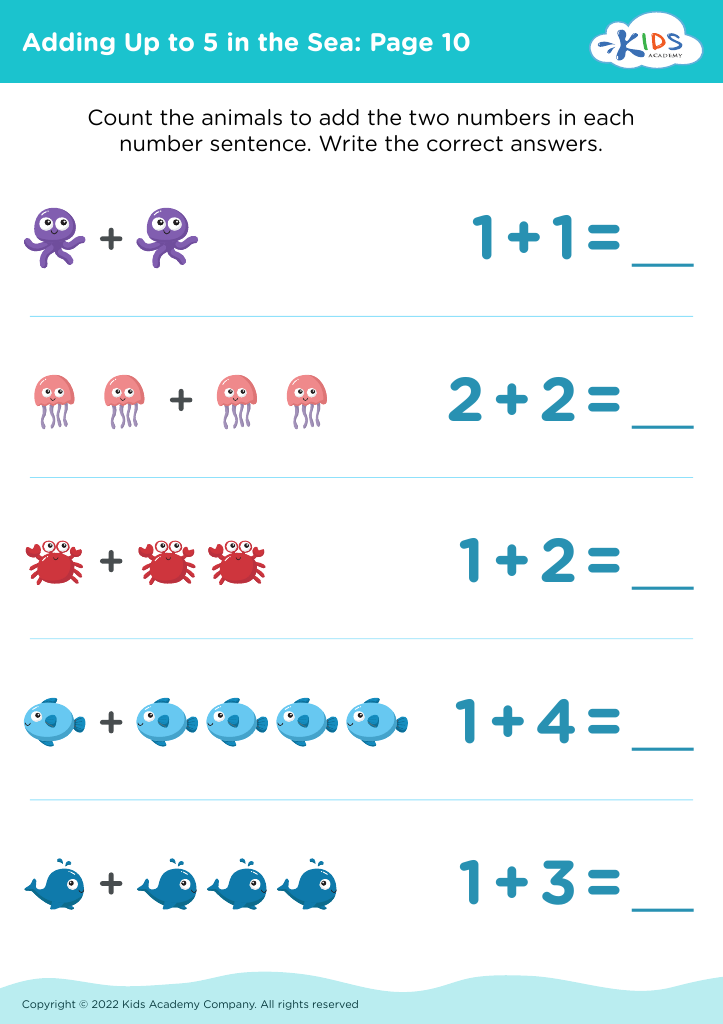
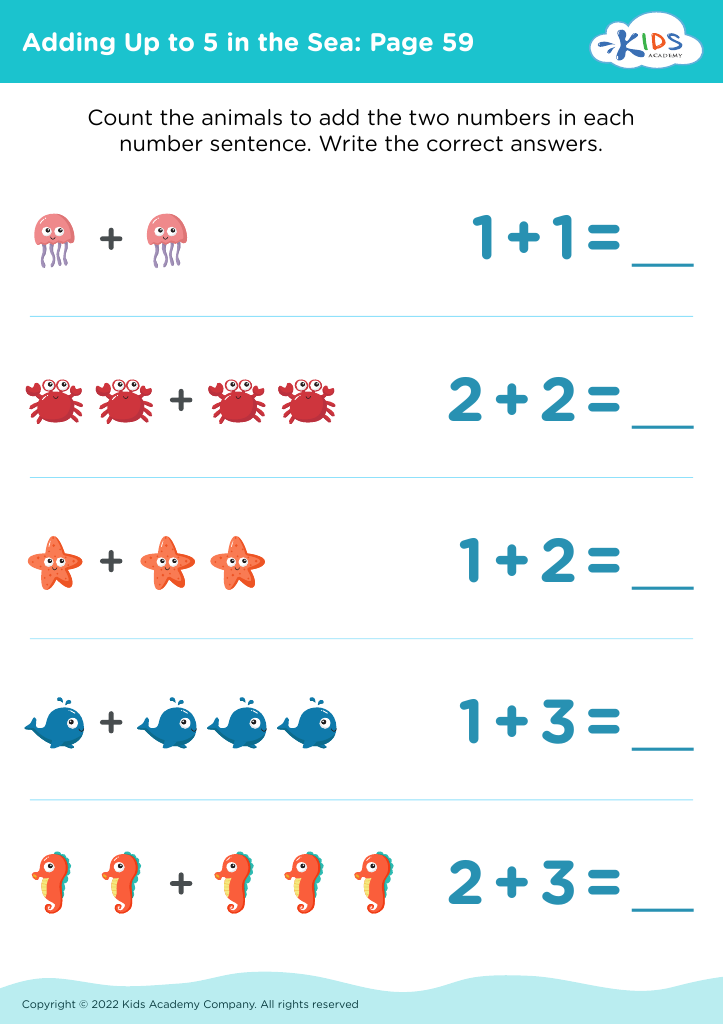








Parents and teachers should care about visual learning in the context of addition and subtraction because it significantly enhances children’s understanding of these fundamental math concepts. Visual learning engages multiple senses, making abstract numbers and operations more tangible. Tools such as number lines, manipulatives, and pictorial representations allow students to see the relationships between numbers, promoting deeper comprehension.
Using visuals reduces cognitive overload, enabling students to grasp the core concepts without being overwhelmed by the complexity of verbal instructions alone. This method caters to various learning styles, ensuring that visual learners, who are a substantial portion of the student population, can thrive. Developing a solid foundation in addition and subtraction through visual means also encourages problem-solving skills, as students can visualize taking apart and combining numbers.
Moreover, visual learning often leads to increased engagement and motivation. When children see math through drawing or physical manipulation, they’re more likely to enjoy the process, fostering a positive attitude towards mathematics early on. By prioritizing visual learning in addition and subtraction, educators and parents not only equip children with essential math skills but also build confidence and instill a lifelong love for learning.








