Cognitive Development Addition Worksheets - Page 5
114 filtered results
-
From - To
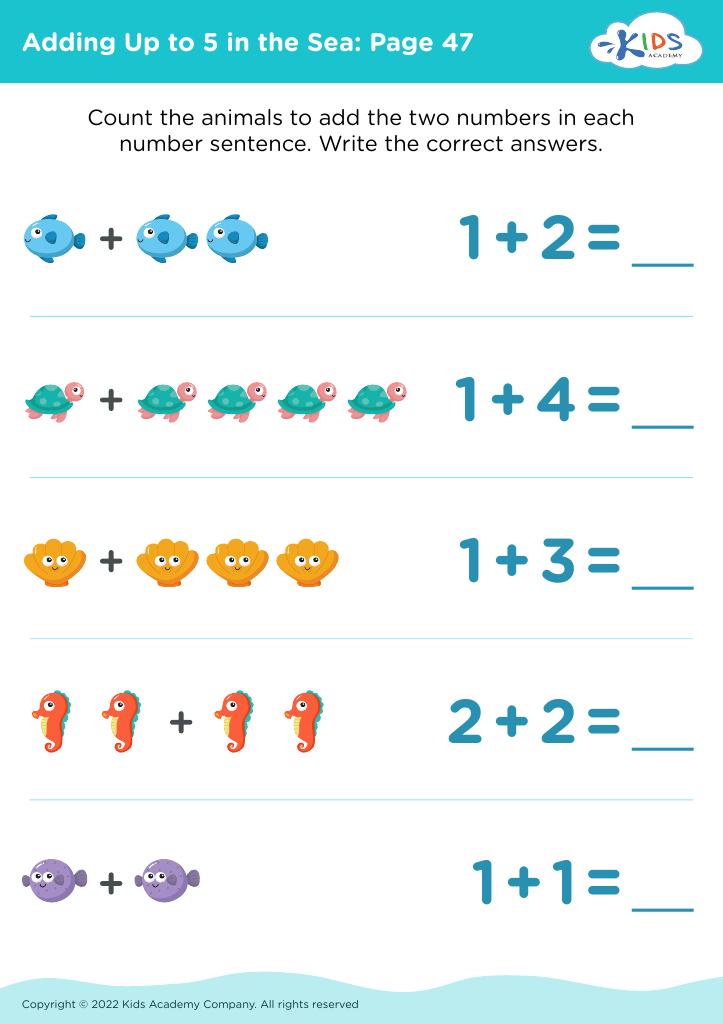
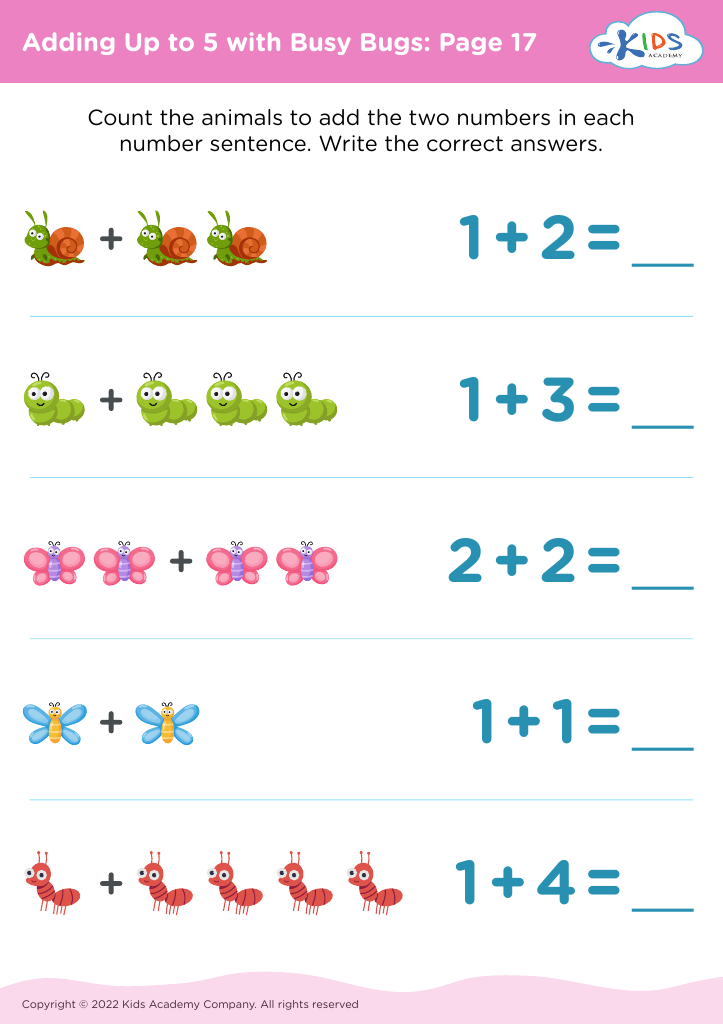
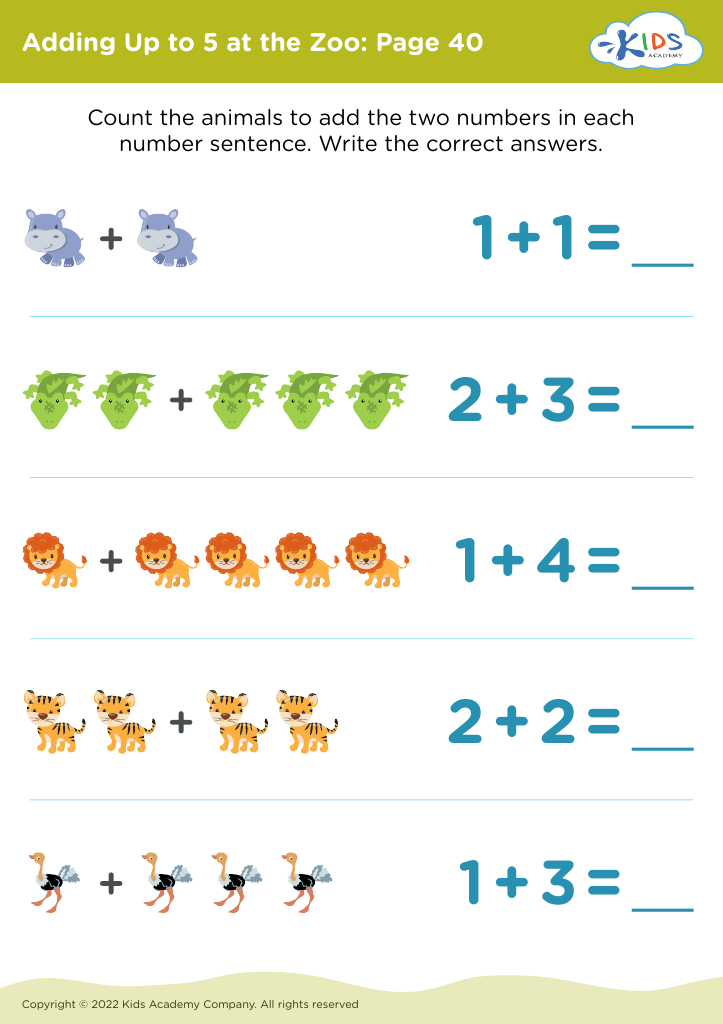
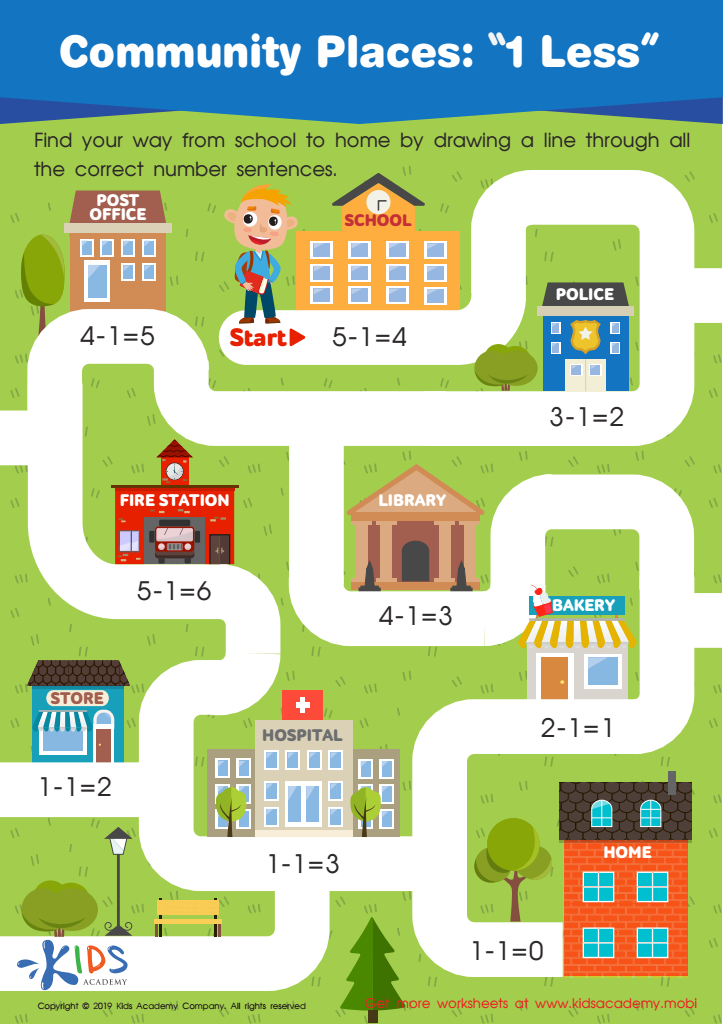
Community Places: 1 Less Worksheet
 Assign to My Students
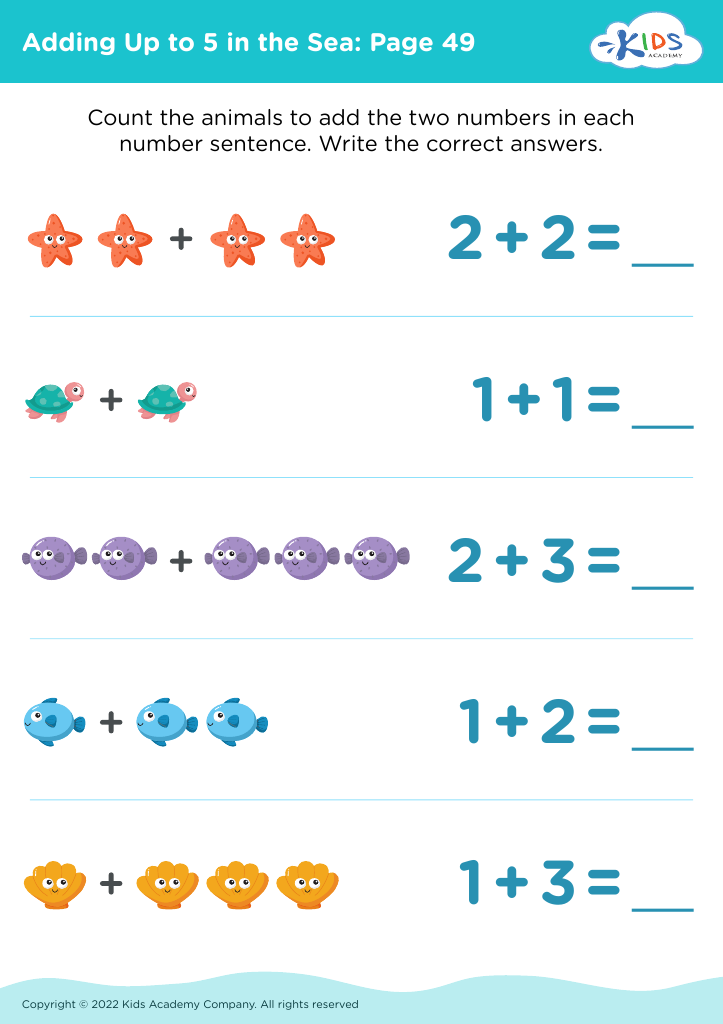
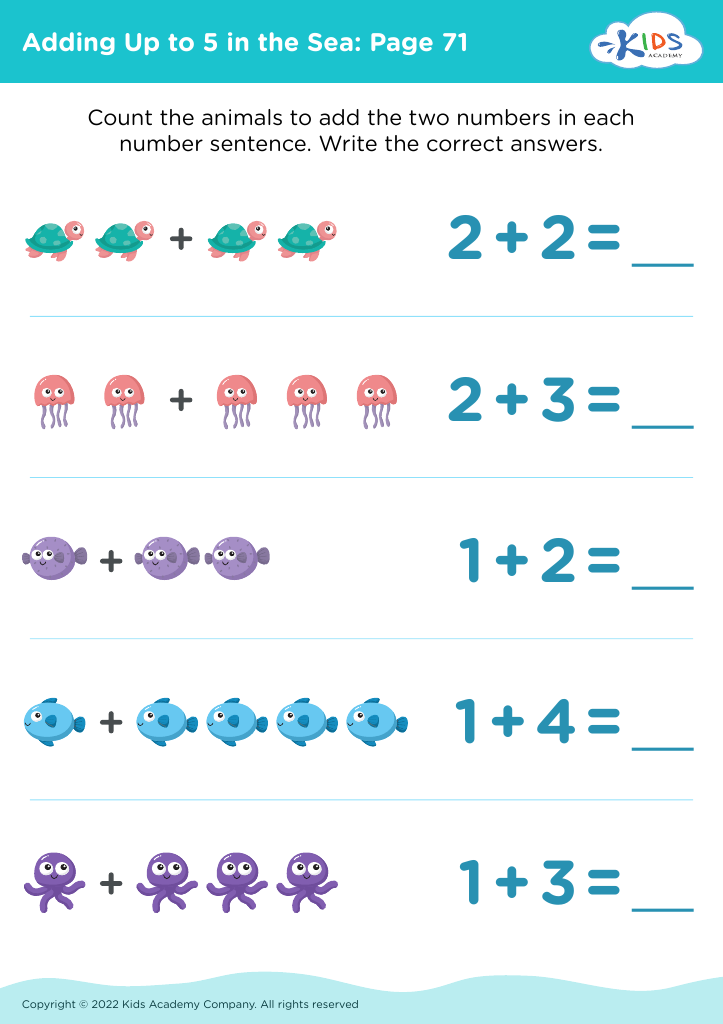
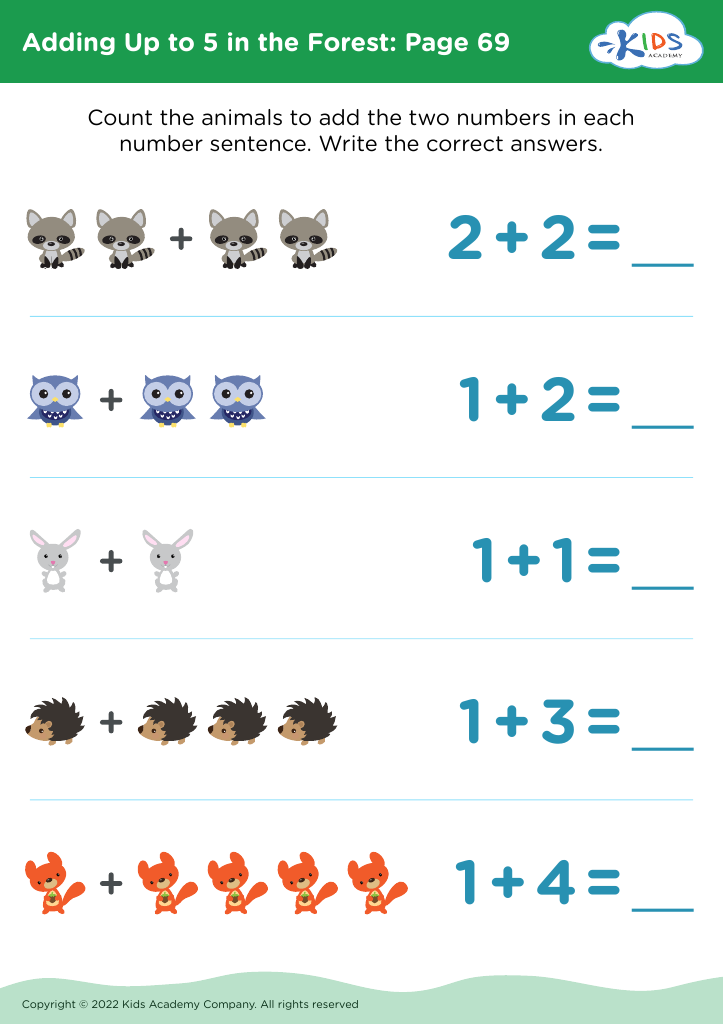
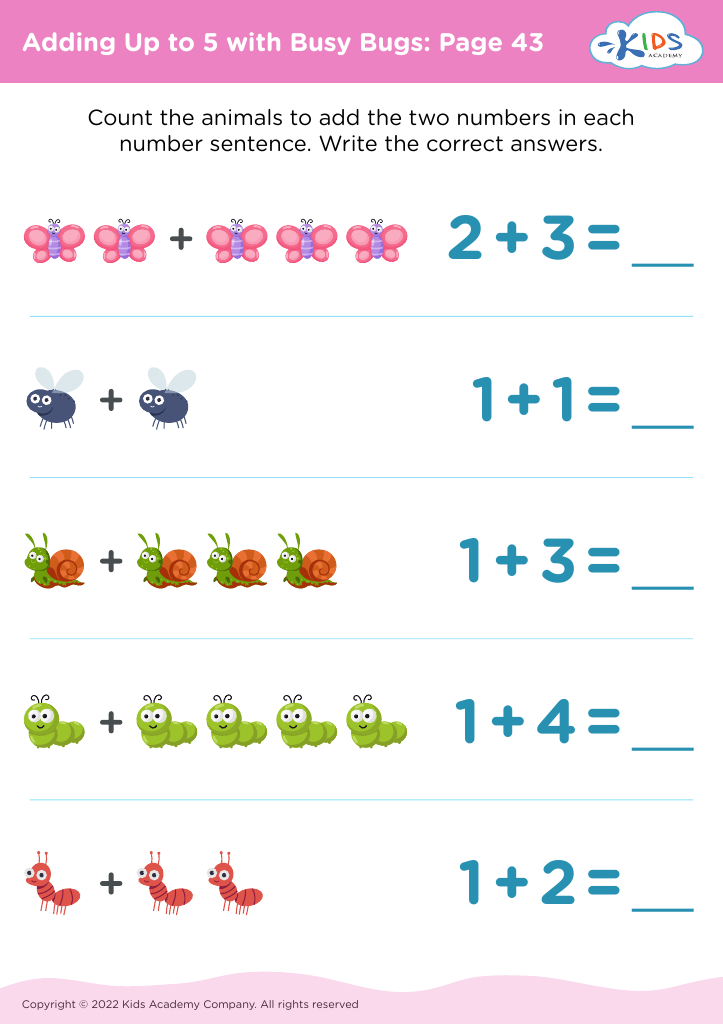
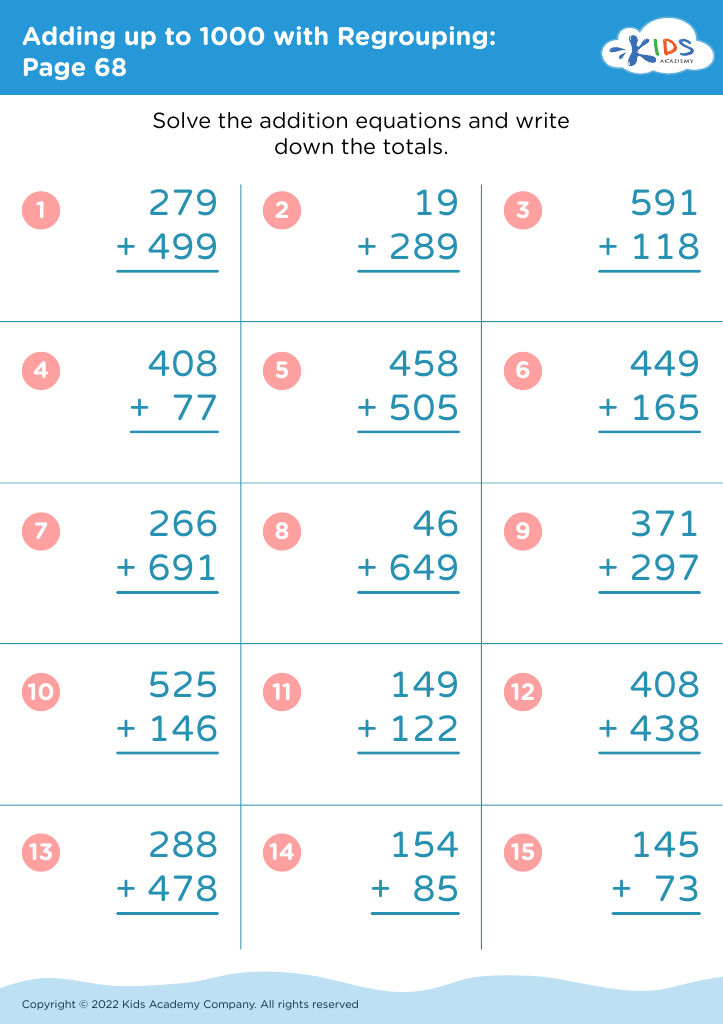
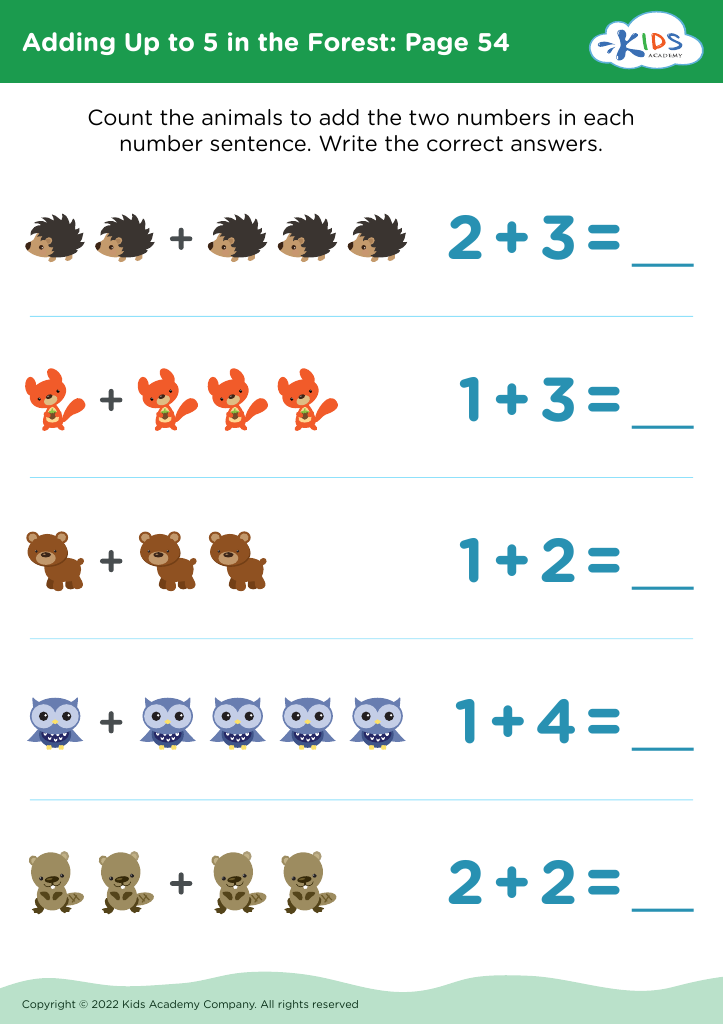
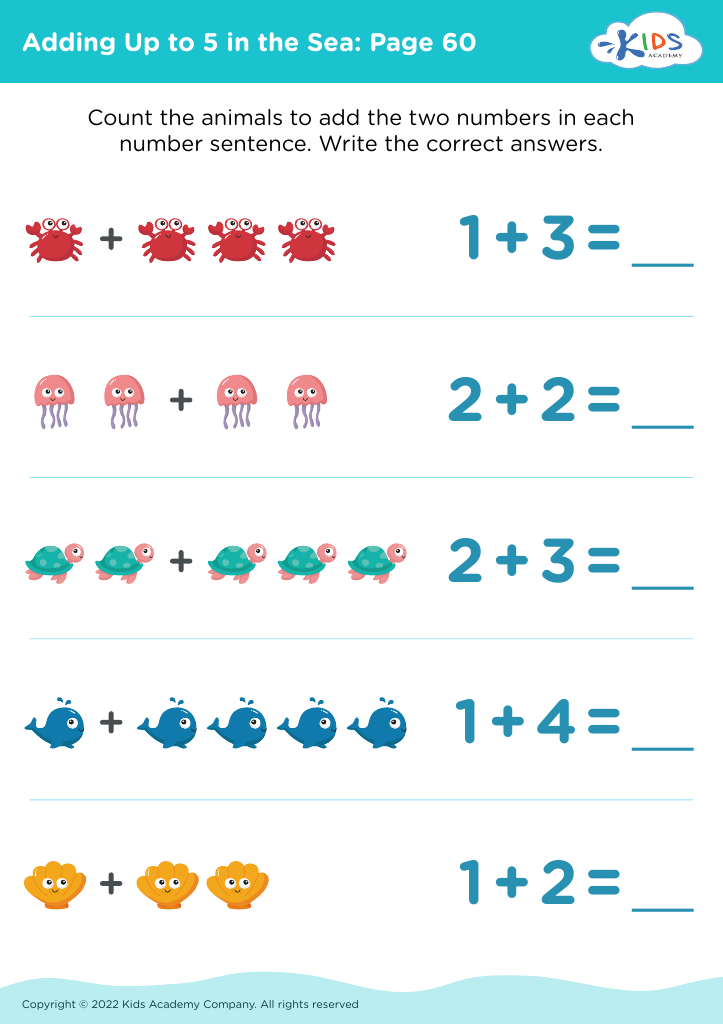
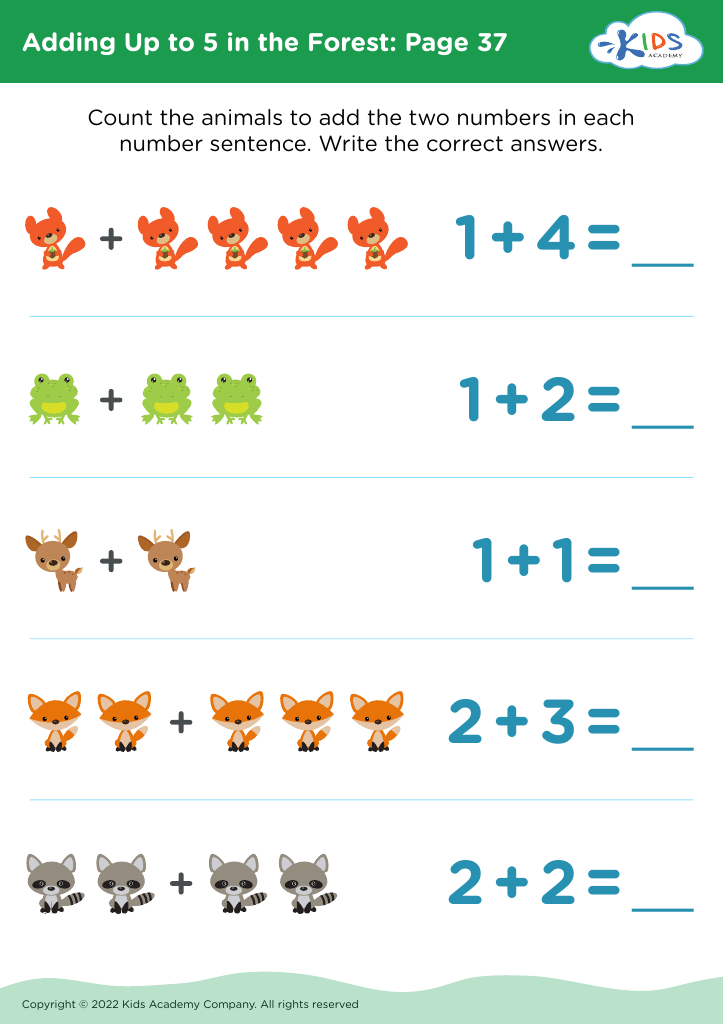
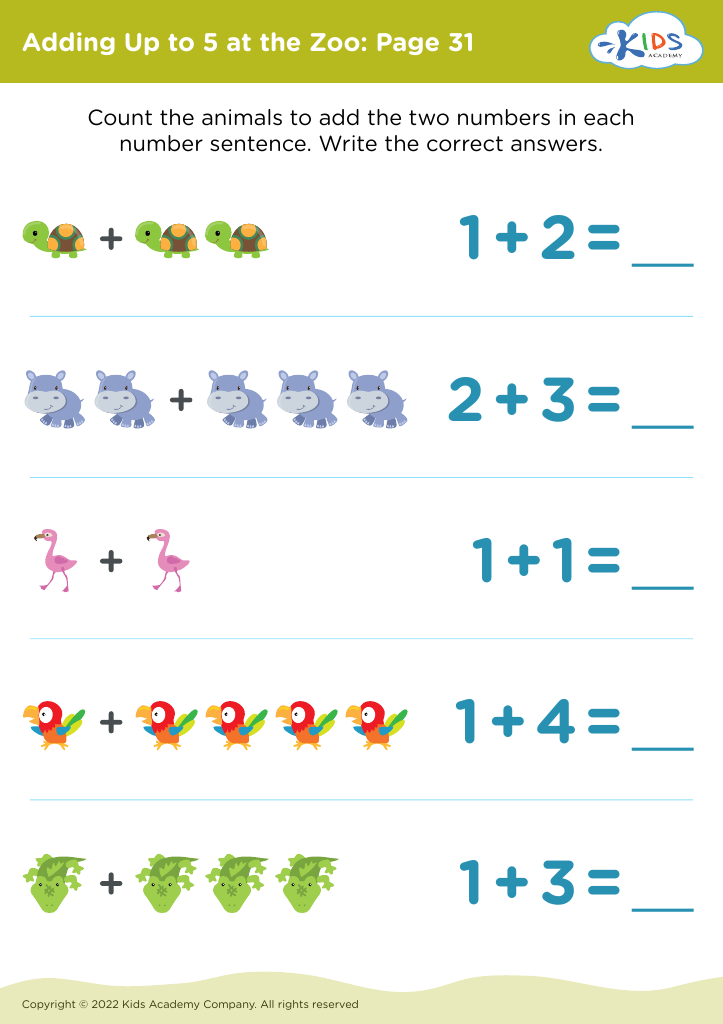
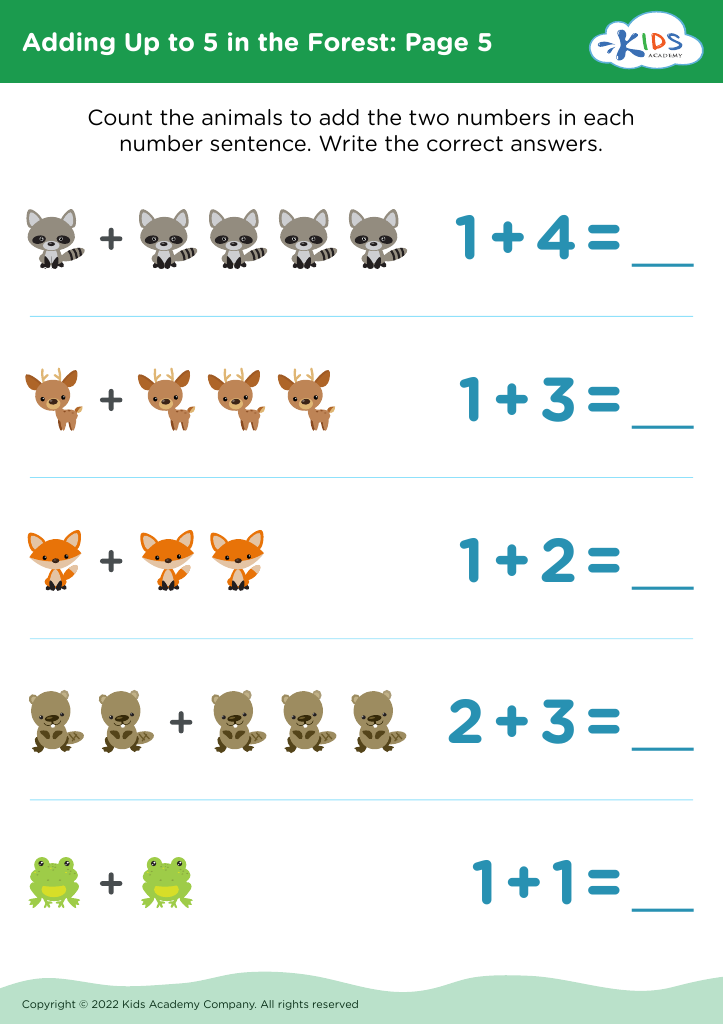
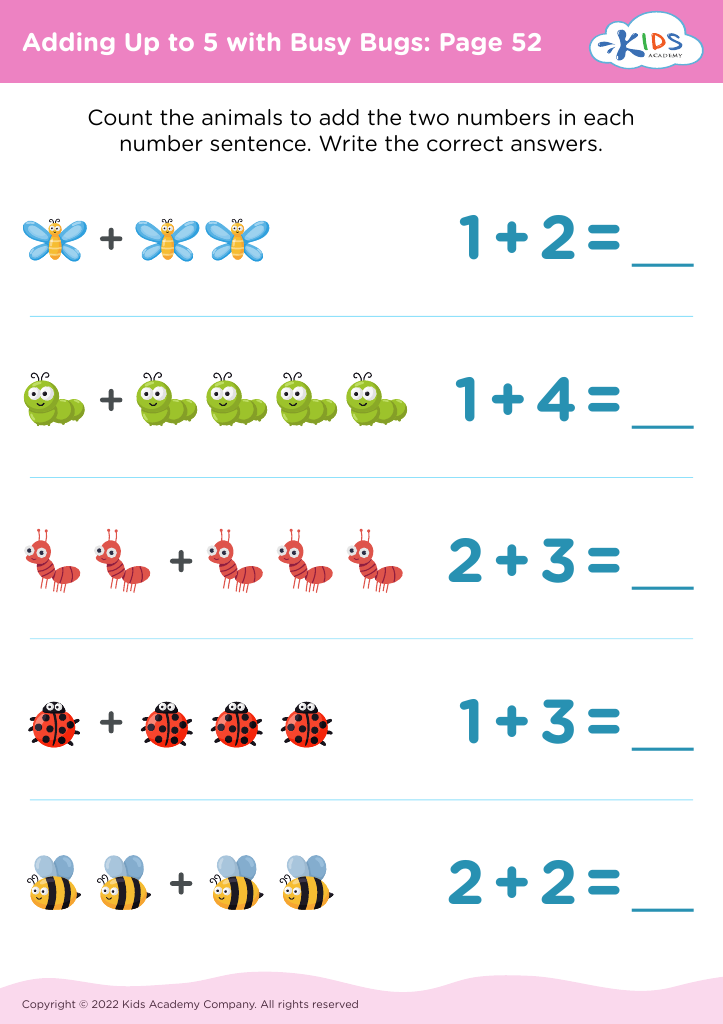
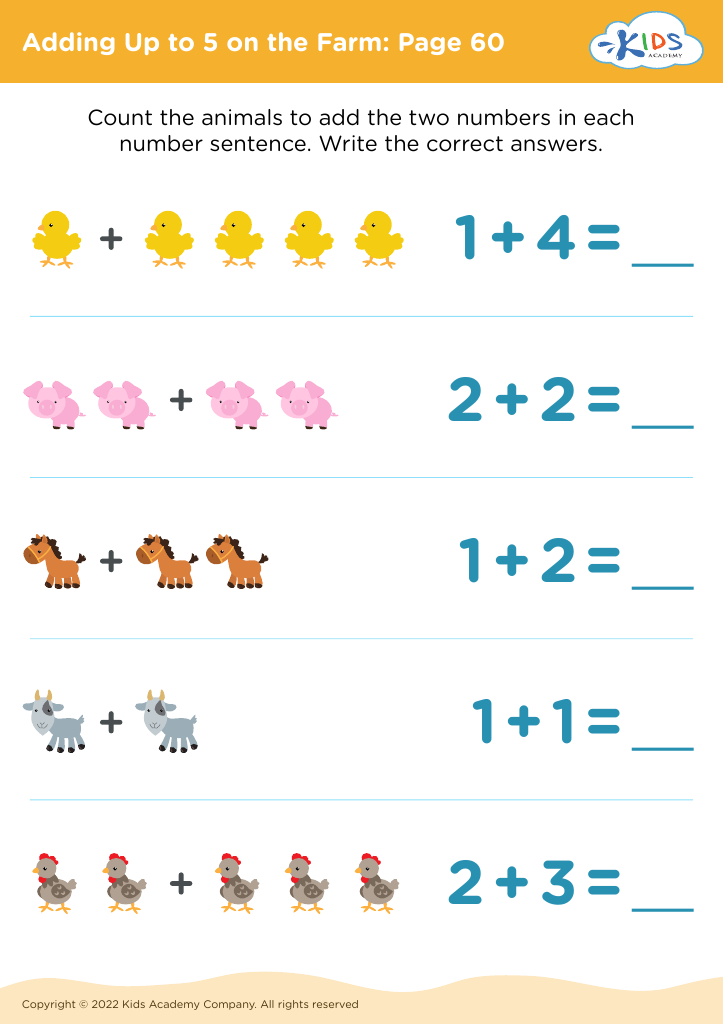
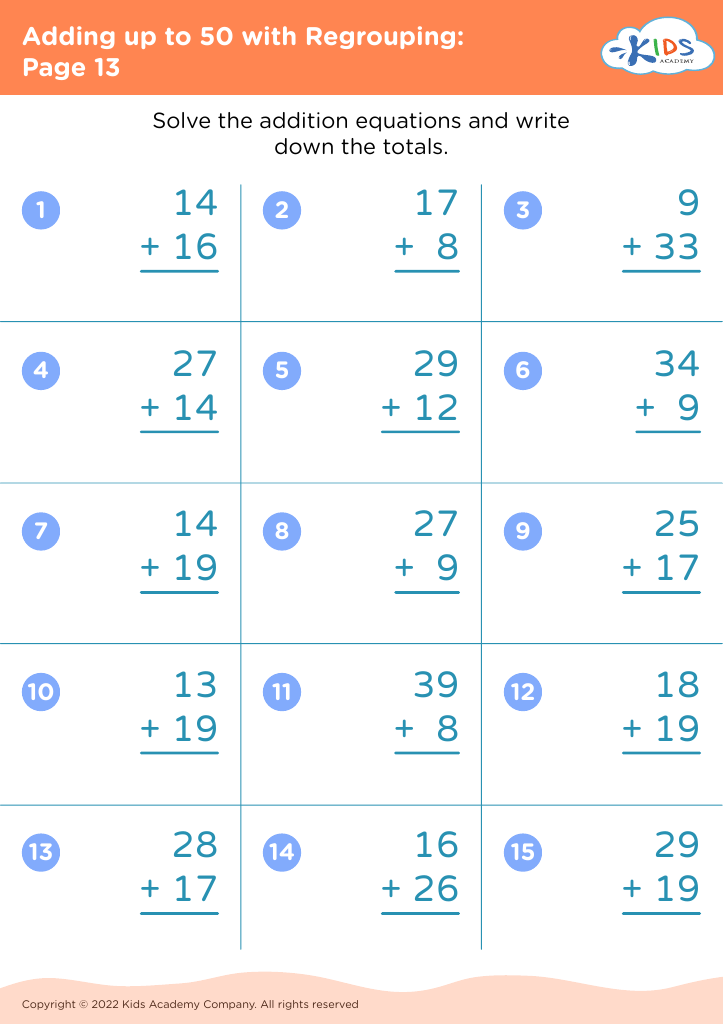
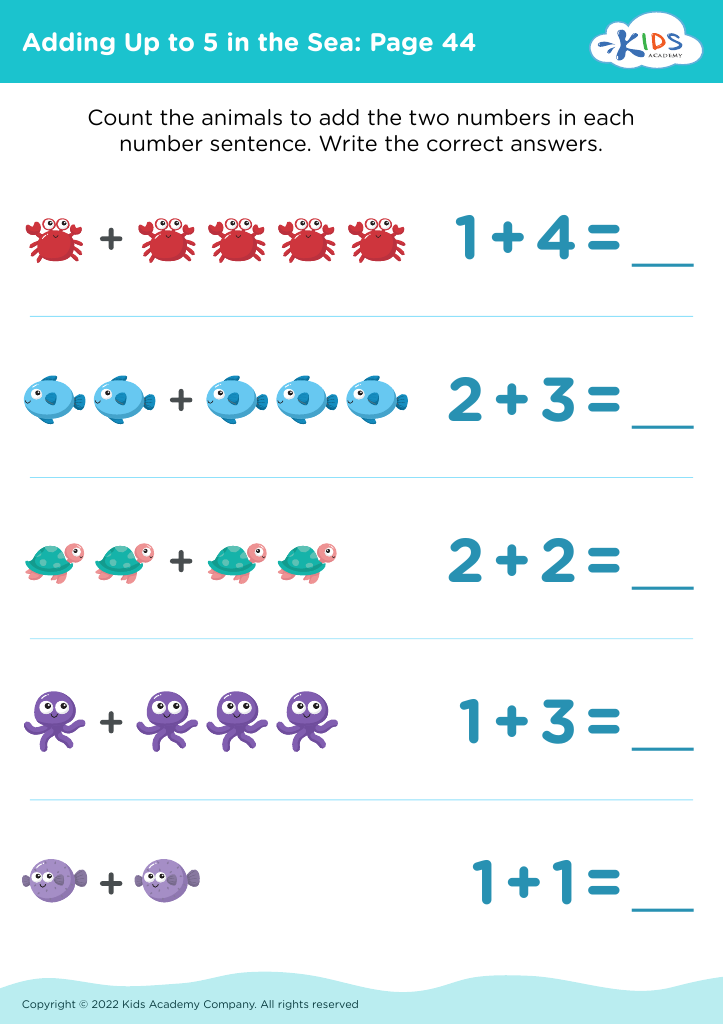








Parents and teachers should care about cognitive development and addition in early childhood because these foundational skills are crucial for overall academic success and everyday problem-solving abilities. Cognitive development refers to how children think, explore, and figure things out, which includes acquiring knowledge and increasing understanding of math.
Understanding addition early on empowers children to build critical thinking and logical reasoning skills. These are crucial not only in mathematics but across all subjects. Specifically, addition is a fundamental math concept that serves as the building block for more complex mathematical operations like subtraction, multiplication, and division.
By fostering a child's cognitive development in addition, parents and teachers help improve their confidence and ability to tackle academic challenges. Children with strong foundational math skills are more likely to excel in school, have better problem-solving abilities, and develop a positive attitude toward learning new things.
Moreover, cognitive development in math promotes linguistic, social, emotional, and motor skills. For example, when children discuss how they came to an answer, they enhance their communication skills. Hands-on activities involving adding objects can advance fine motor skills critical for writing.
Ultimately, caring about cognitive development and addition early on prepares children for future academic achievement and well-rounded intellectual growth. This solid base fosters lifelong learning attitudes, problem-solving skills, and resilience in various scenarios.








