Color recognition Addition Worksheets
10 filtered results
-
From - To
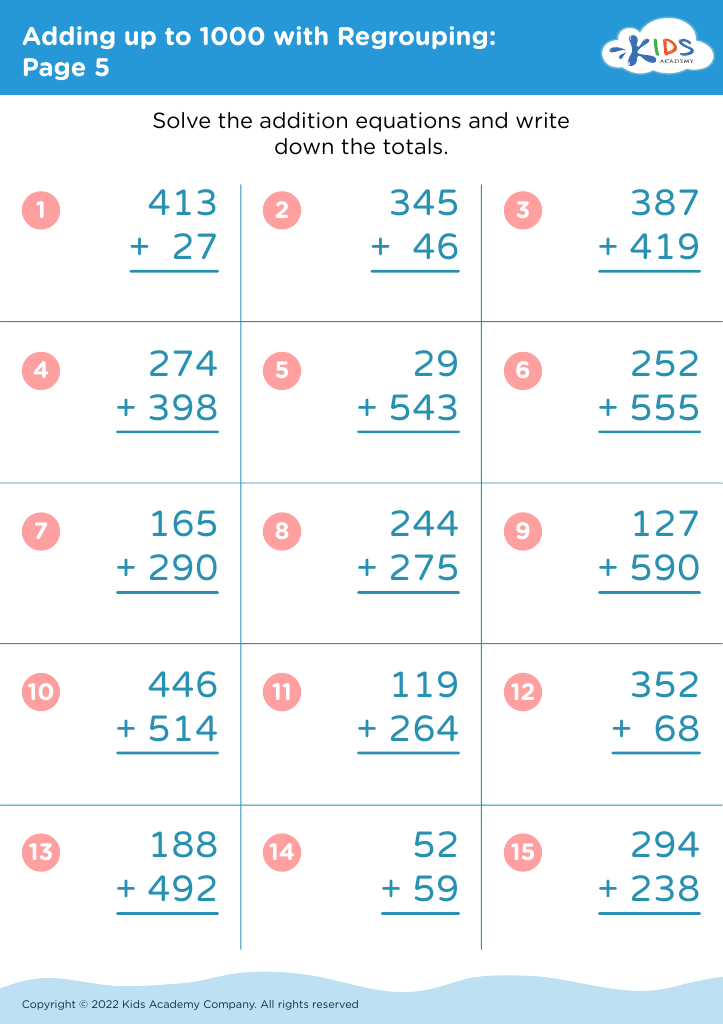
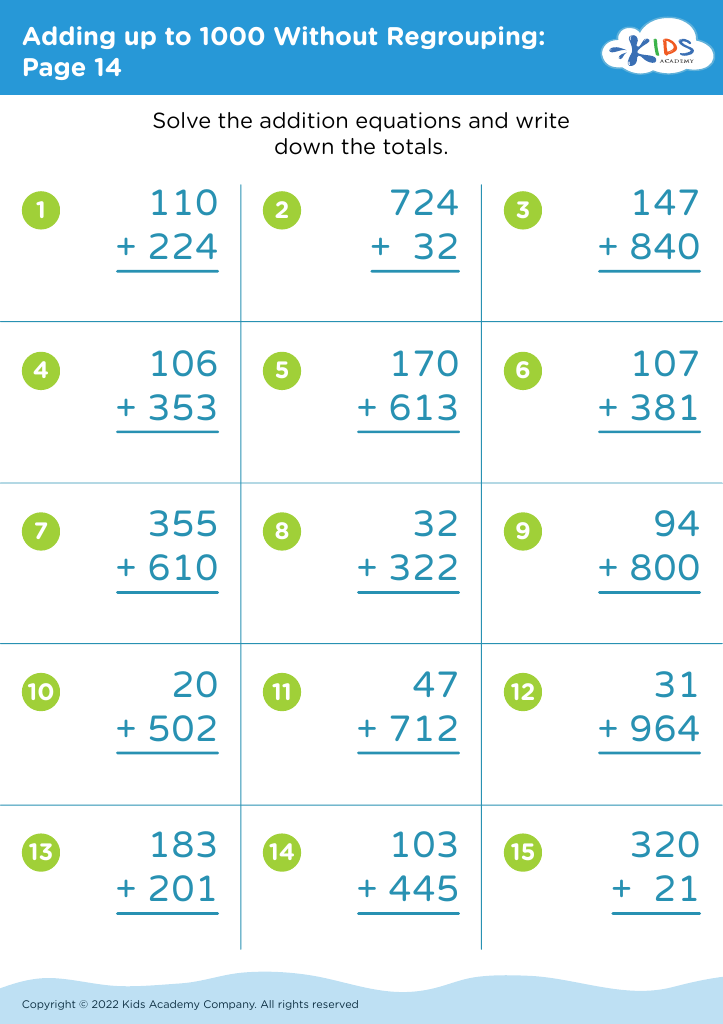
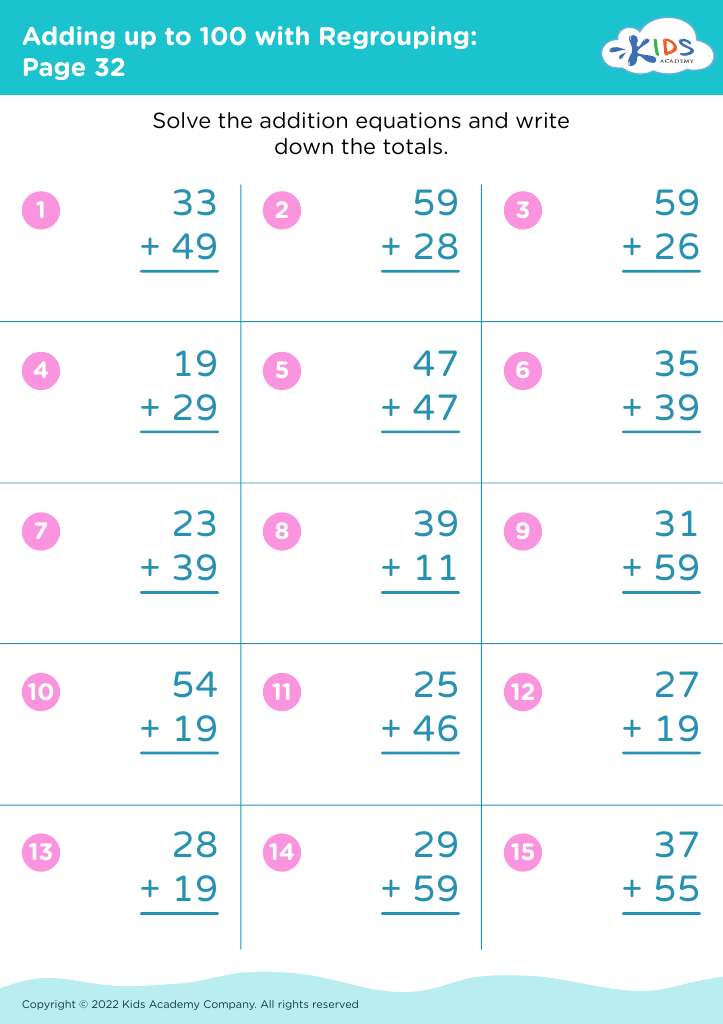
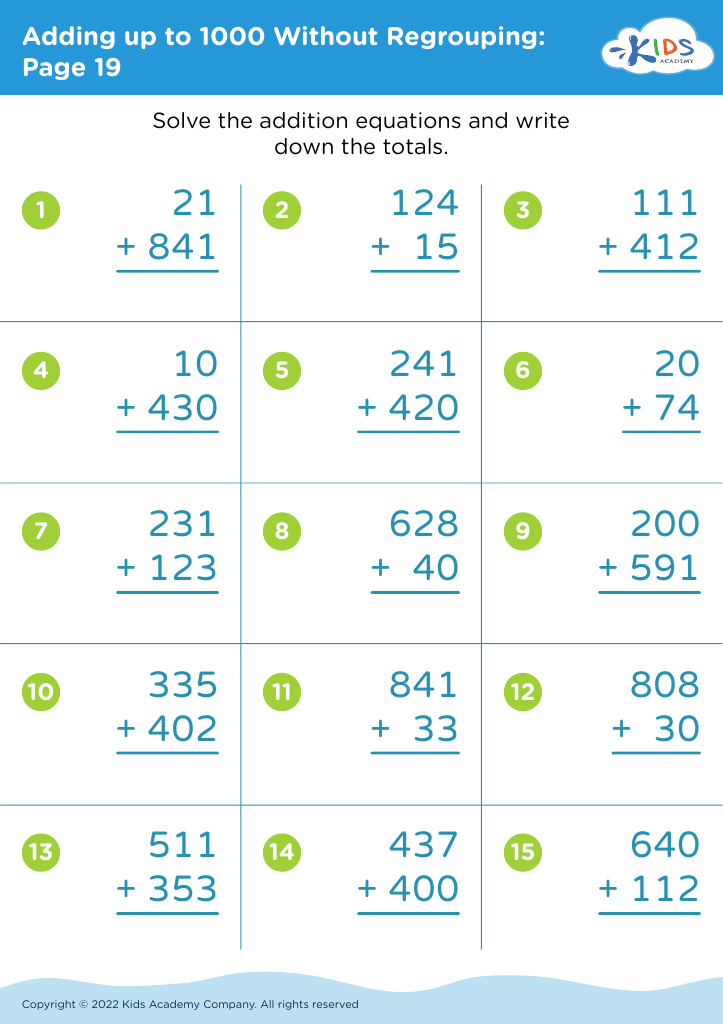
Explore our engaging Color Recognition Addition Worksheets designed to help young learners master basic addition skills while discovering the joy of colors! These vibrant worksheets combine numerical practice with color identification, fostering creativity and multi-sensory learning. Kids will solve addition problems, and in the process, enhance their ability to recognize and name different colors. Perfect for classrooms or at-home learning, our worksheets cater to early grade students, ensuring a fun and interactive experience. Download and print these worksheets today to make math enjoyable and visually stimulating! Encourage your child’s mathematical foundation with our colorful resources that spark curiosity and learning.
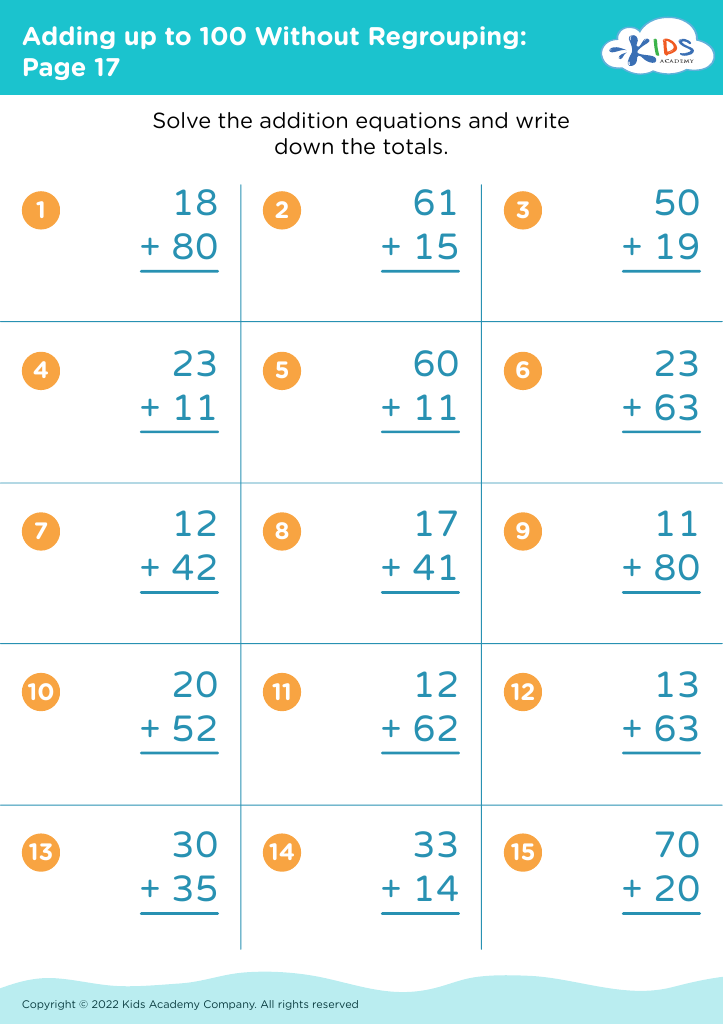
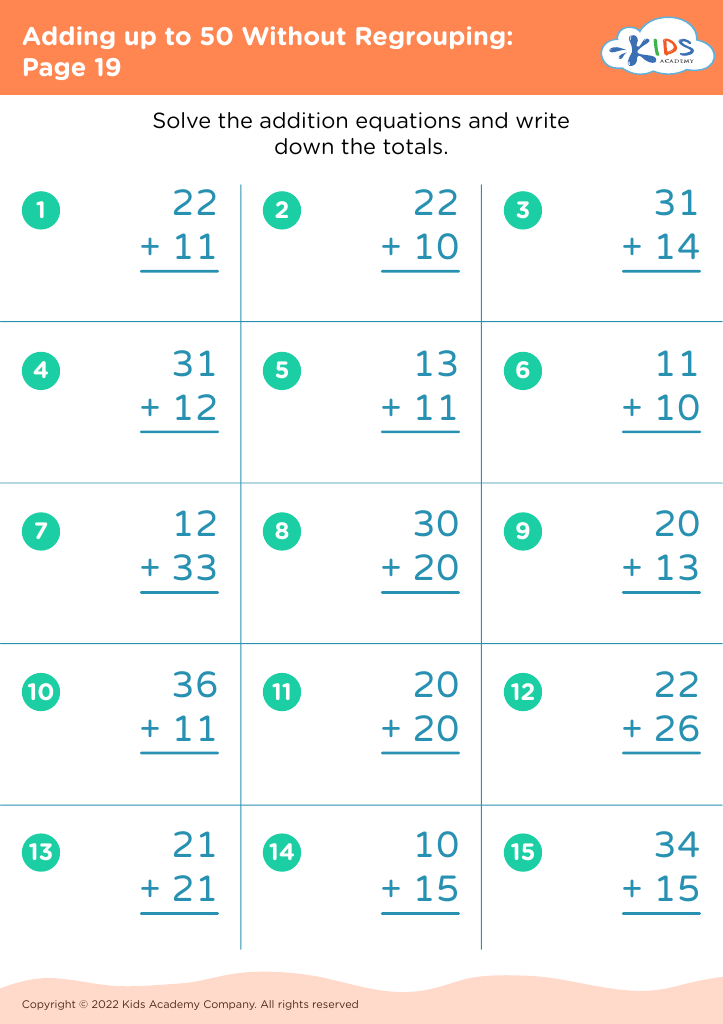
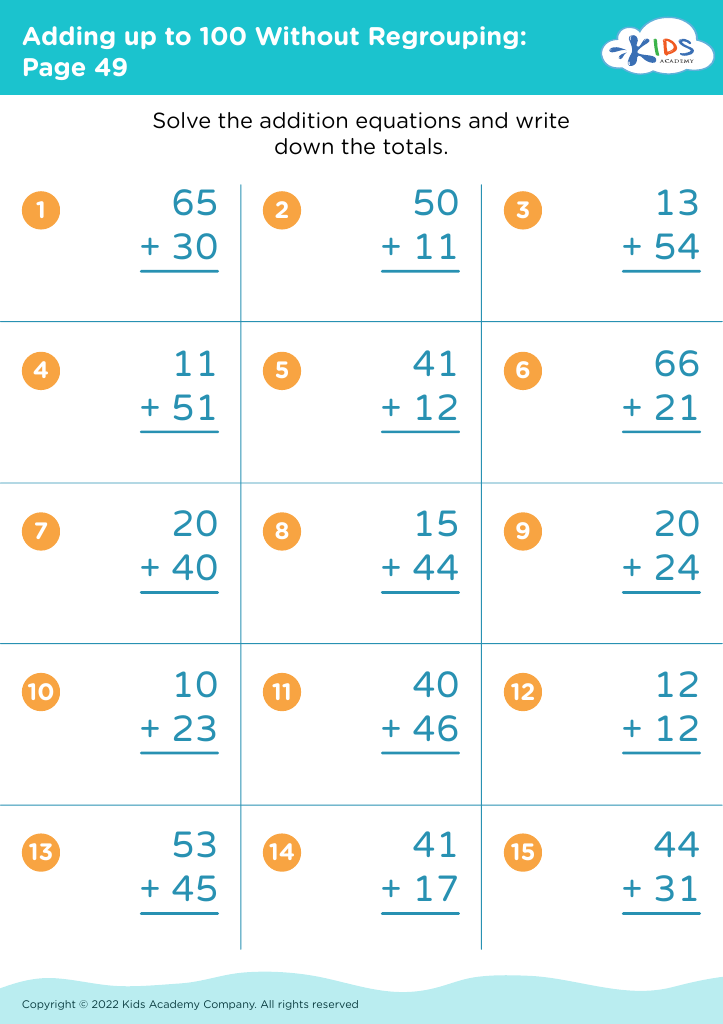
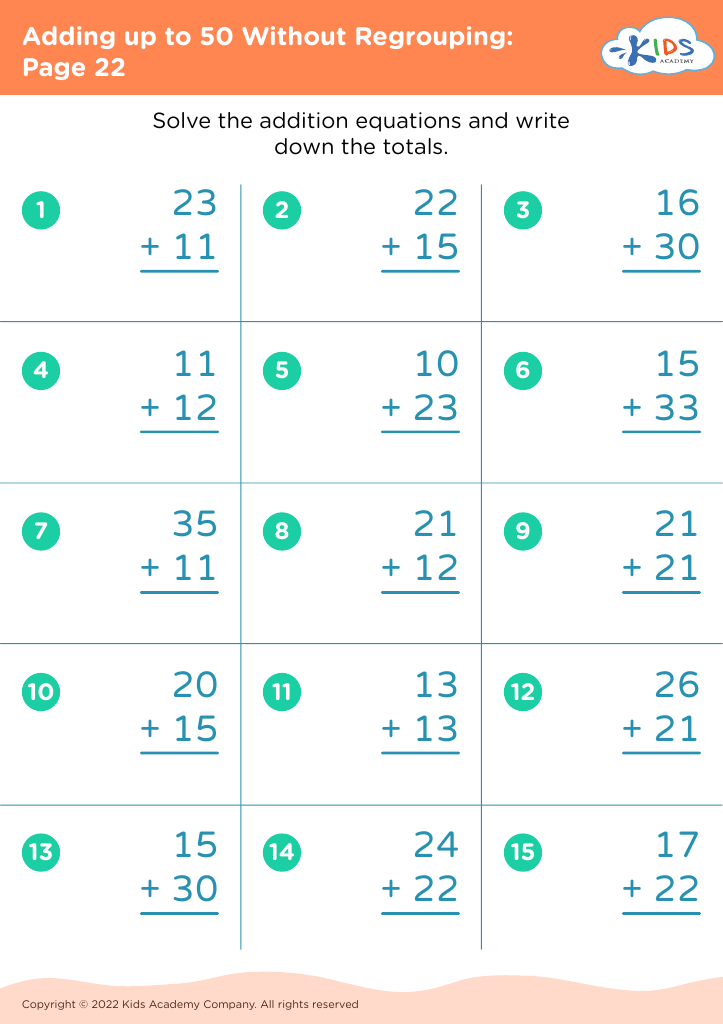








Color recognition is an essential skill that enhances a child's ability to learn and engage with their surroundings. It goes beyond mere identification of hues; it forms the foundation for cognitive development and enhances language skills. Teaching children to recognize colors aids in their understanding of categorization, which applies to math concepts like addition, where grouping similar items can help visualize quantity.
In addition, color recognition can make learning more interactive and enjoyable. Using colors in educational activities, such as color-coded addition problems, can help capture a child's attention, facilitate memory retention, and create a multisensory learning experience. When children associate colors with numbers or groups, they are more likely to grasp fundamental math concepts.
Moreover, color recognition fosters creativity and self-expression through arts and crafts. Teachers and parents can encourage children to explore color combinations in activities that seamlessly integrate mathematical concepts, making learning holistic and enjoyable.
Ultimately, fostering color recognition not only supports academic growth in areas like addition but also enriches emotional and social skills, as children learn to express themselves using colors and engage collaboratively with others in group activities. Parents and teachers should prioritize this skill for a well-rounded educational foundation.








