Fine Motor Skills Addition Worksheets - Page 3
69 filtered results
-
From - To
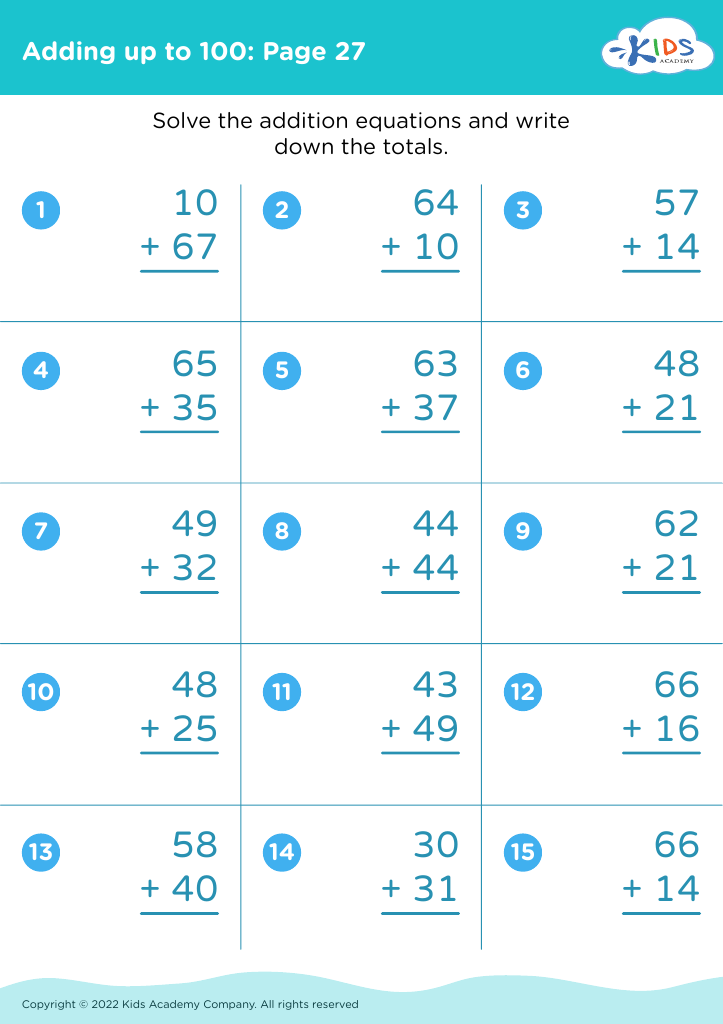
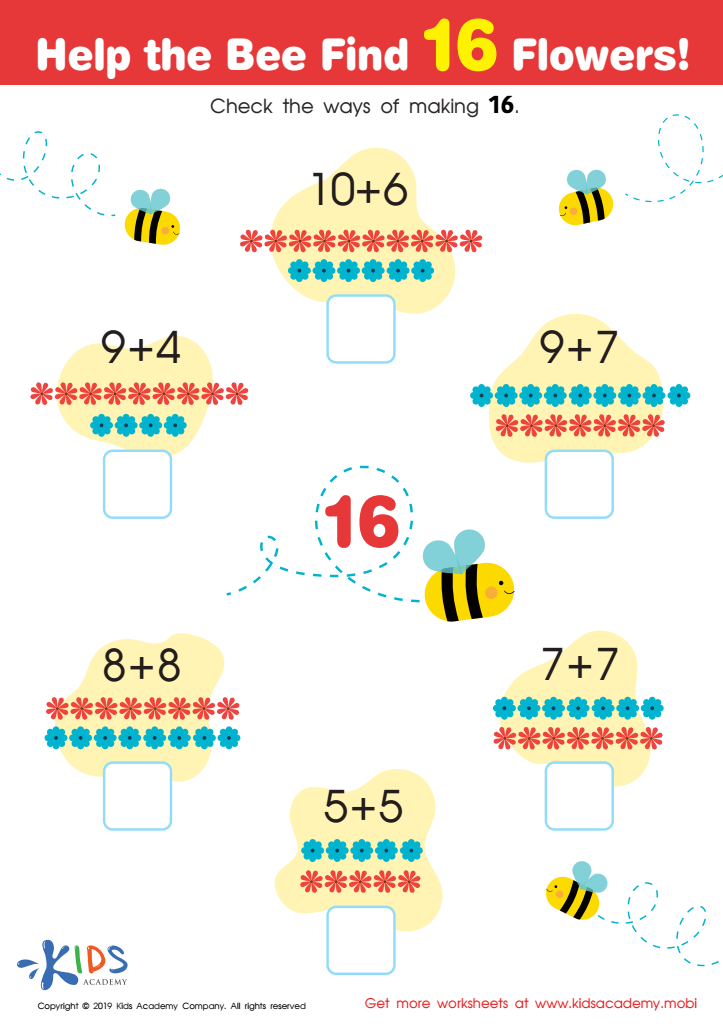
Help the Bee Find 16 Flowers Worksheet
 Assign to My Students
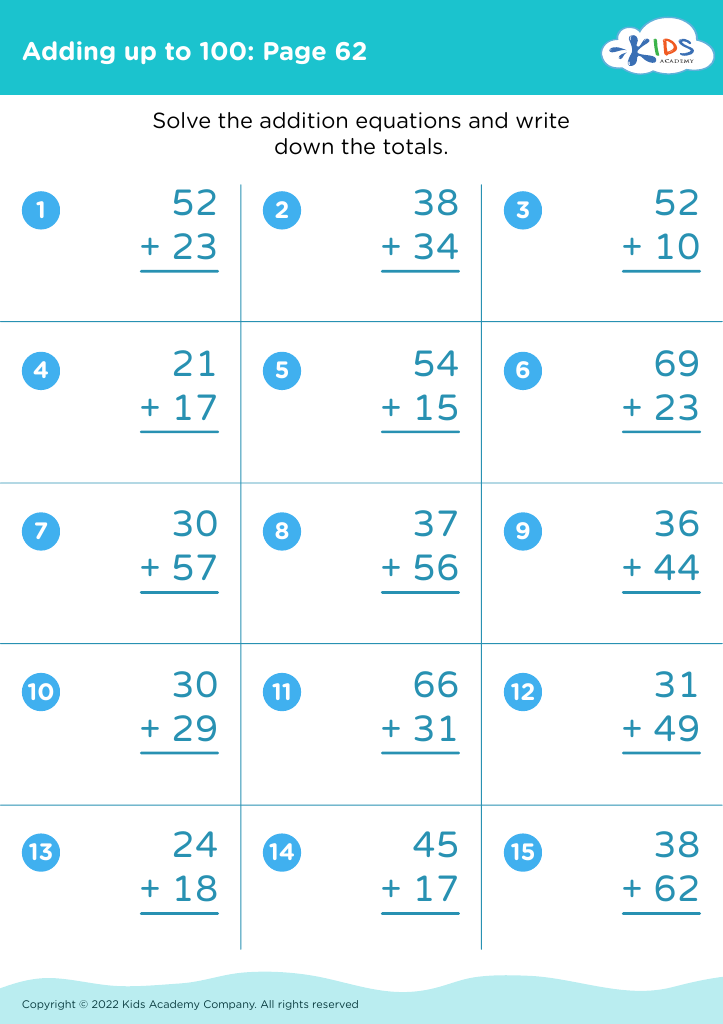
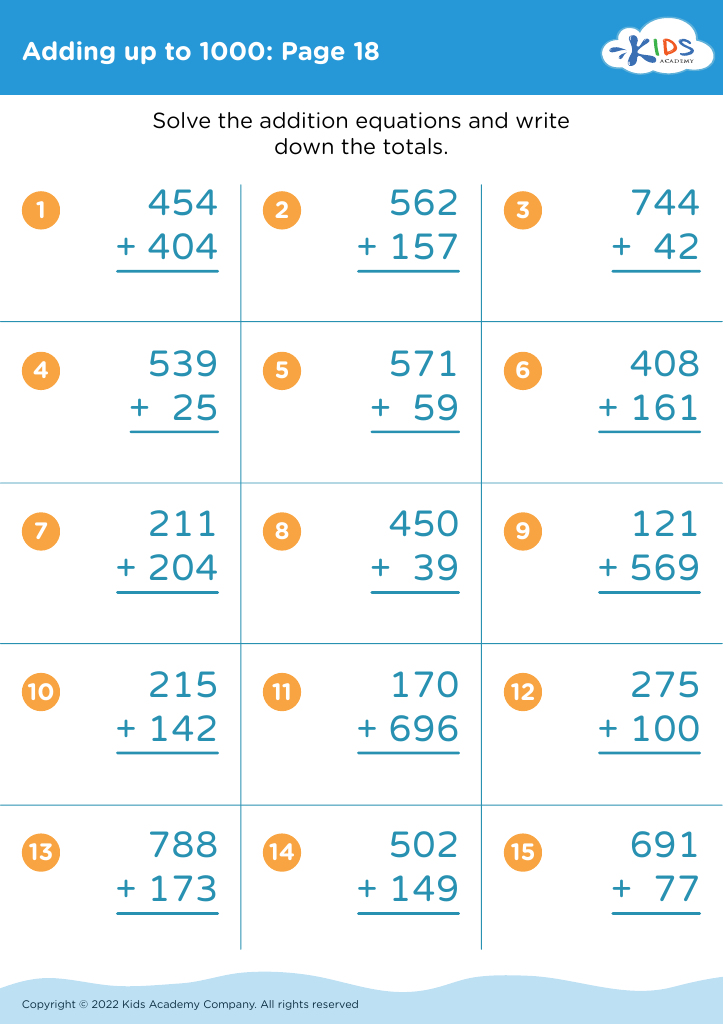
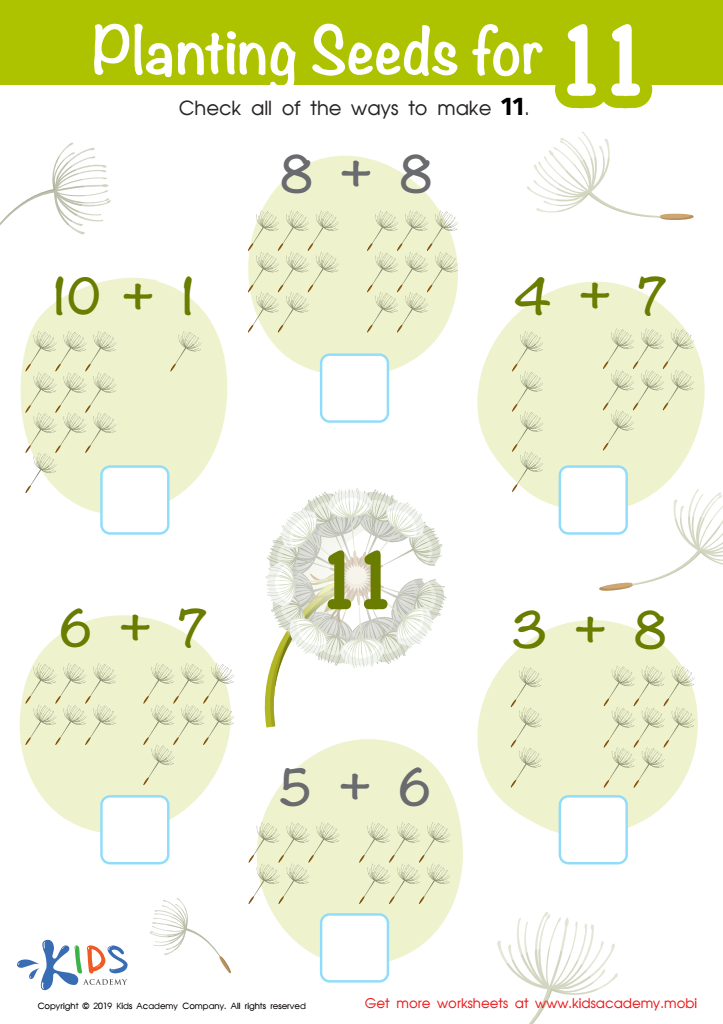
Planting Seeds for 11 Worksheet
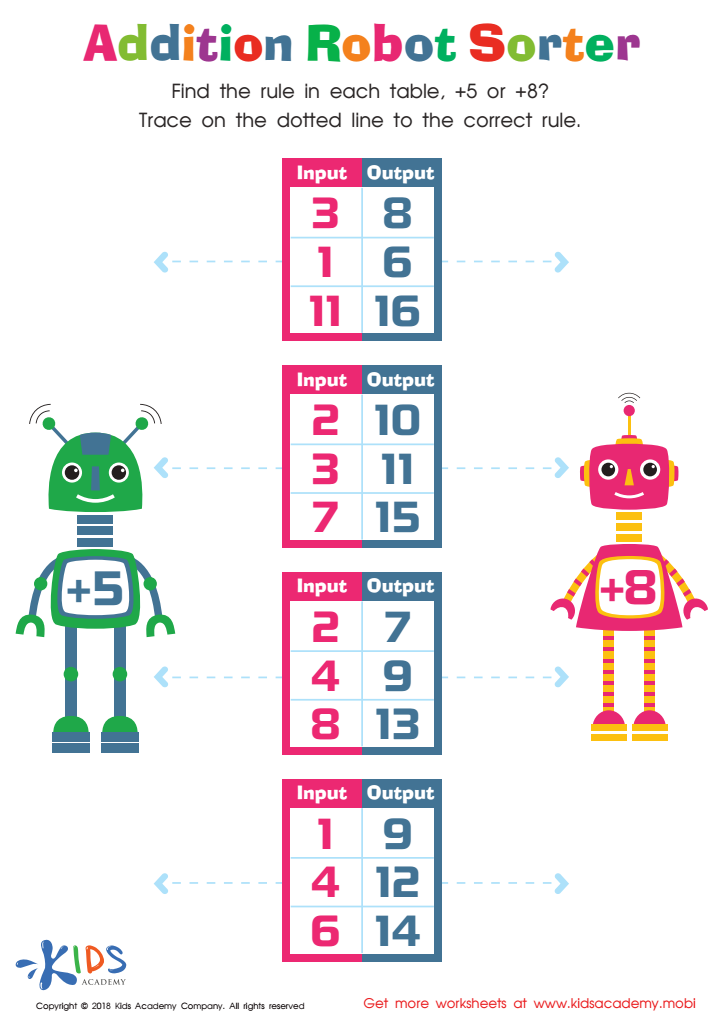
Addition Robot Sorter Worksheet
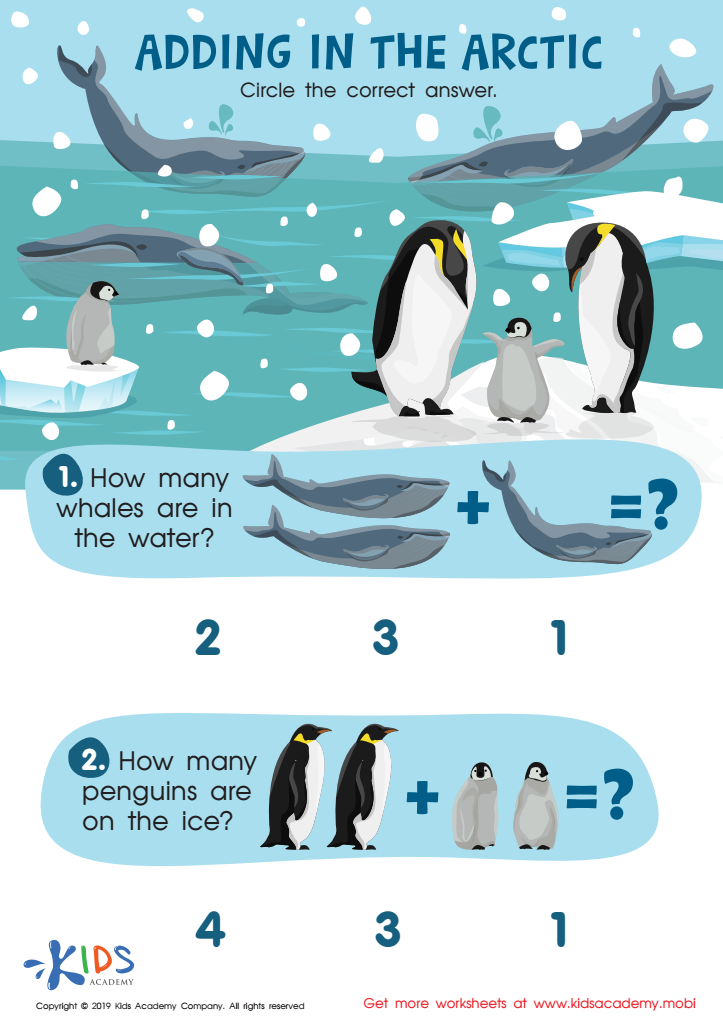
Adding in the Arctic Worksheet
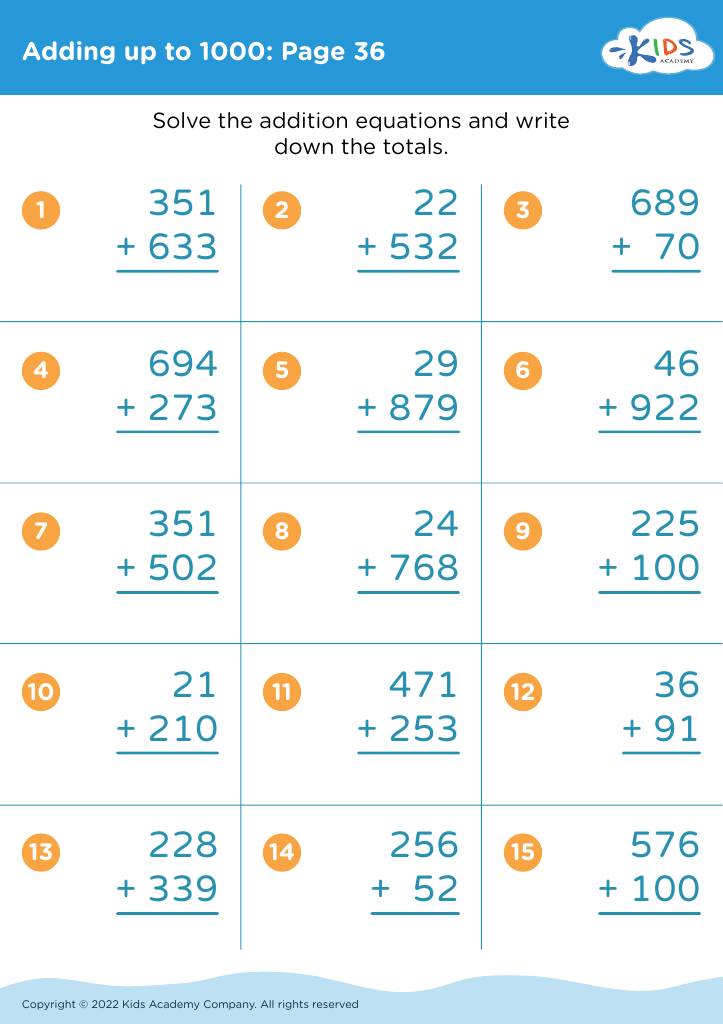
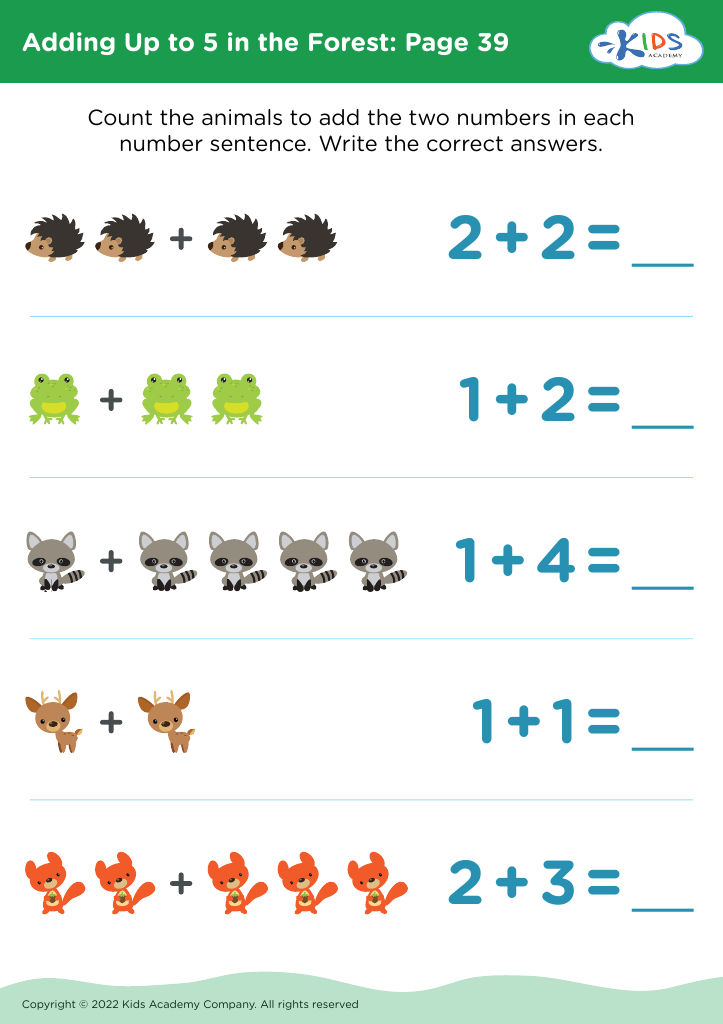
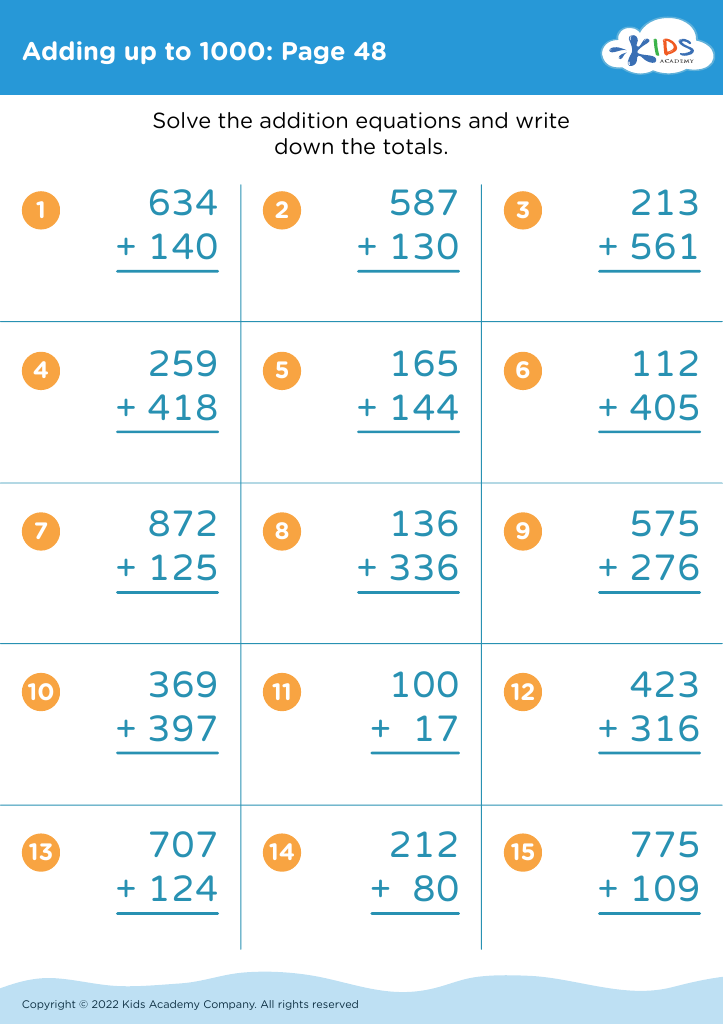
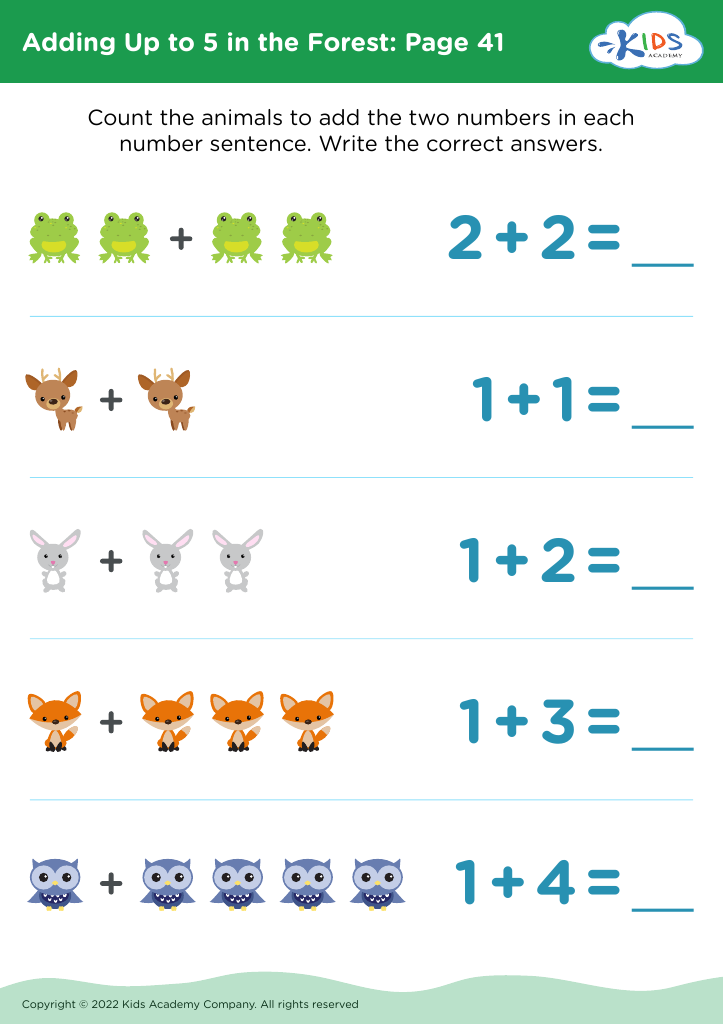








Fine motor skills refer to the coordination of small muscles in movements, typically involving the synchronization of hands and fingers with the eyes. Parents and teachers should invest time and effort in fine motor skills development because it forms the foundation of key everyday activities and academic skills that children need for success. By promoting fine motor skills, children improve their ability to perform tasks such as writing, drawing, buttoning clothes, and tying shoes. These activities require precision and control, which go beyond basic muscle movements and foster cognitive development.
In an educational setting, tasks like cutting with scissors, manipulating small objects, or using a pencil properly can significantly enhance children's dexterity and hand-eye coordination. Engaging in activities that enhance fine motor skills also encourages focus, patience, and problem-solving abilities.
Beyond cognitive efficiencies, mastering fine motor skills can foster a child's independence and self-confidence; being able to tie their shoelaces or successfully write their name are achievements that boost self-esteem. These competencies are foundational blocks for subsequent academic learning and daily life successes. By prioritizing fine motor skills practice and enrichment, parents and teachers can lay a robust groundwork for children’s overall development, equipping them with the essential tools for both academic advancement and personal growth.








