Fraction simplification Addition Worksheets - Page 3
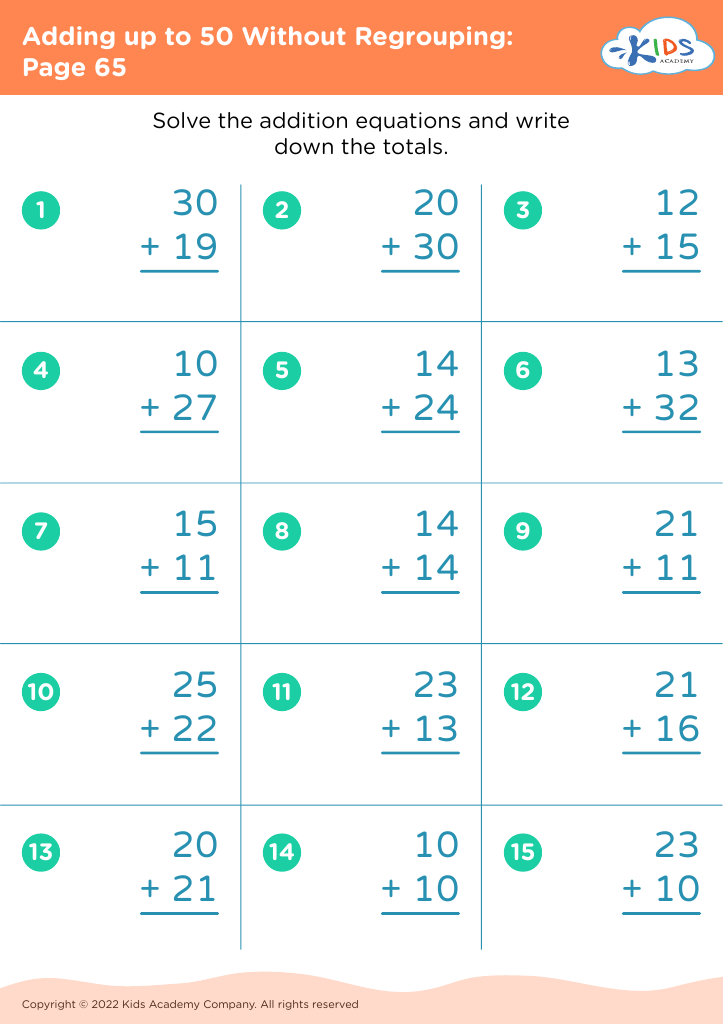
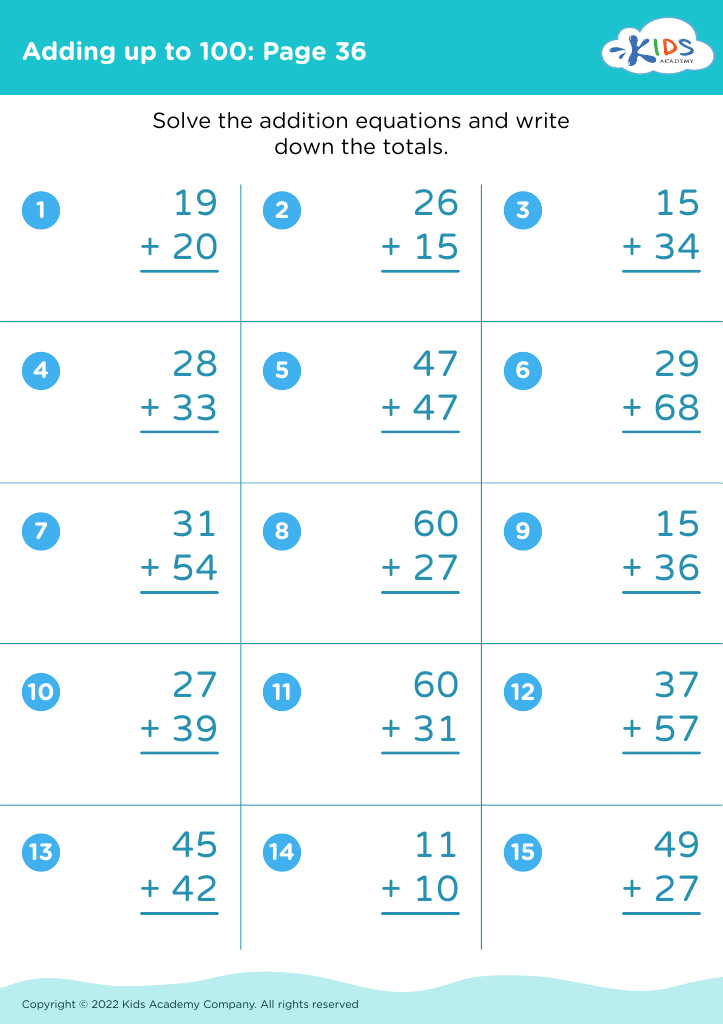
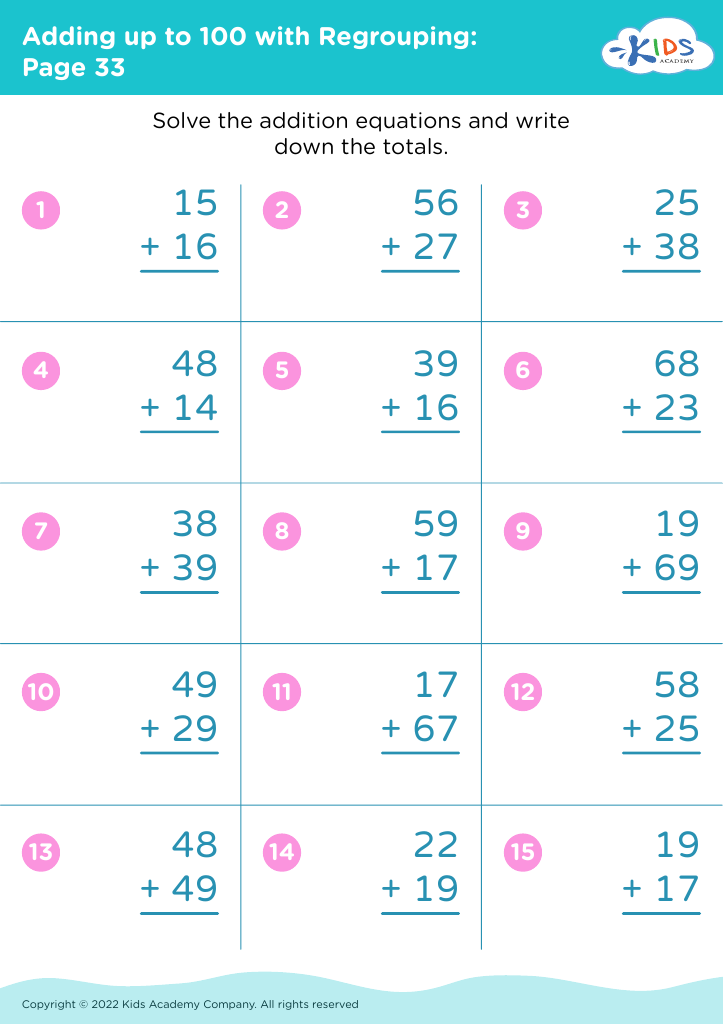
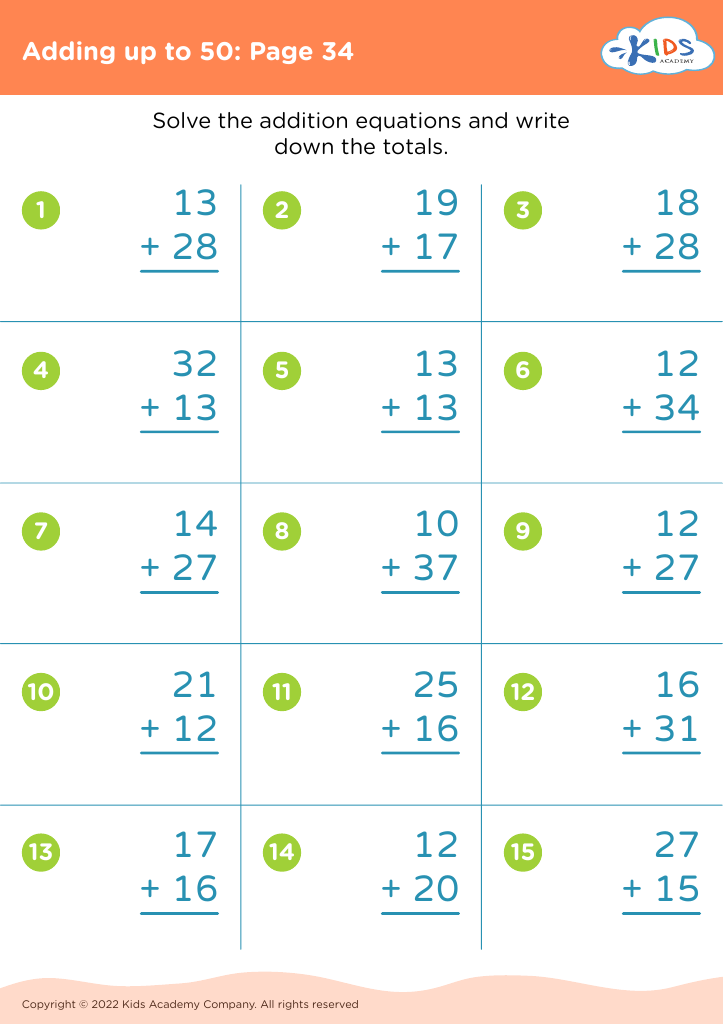








Fraction simplification and addition are fundamental skills in mathematics that hold significant importance for both parents and teachers. Understanding these concepts lays the groundwork for more advanced math topics, such as algebra and geometry. When students learn to simplify fractions, they enhance their ability to see numerical relationships, ultimately leading to improved problem-solving skills.
For parents, supporting their child's mastery of fraction simplification and addition can foster a love for math and build confidence. It enables children to tackle complex problems with ease, lessening anxiety associated with math in general. Simple activities, such as cooking or measuring objects around the house, can be great ways to make learning about fractions applicable and fun.
For teachers, incorporating these topics into their curriculum can create a solid mathematical foundation that allows students to connect concepts across subjects. By engaging students in interactive and varied learning methods, teachers can ensure that students not only memorize procedures but also understand their significance in everyday life. Thus, by nurturing fraction simplification and addition skills, both parents and teachers contribute to developing numerically literate, confident students capable of navigating future academic challenges successfully.








