Identifying equivalent fractions Addition Worksheets
7 filtered results
-
From - To
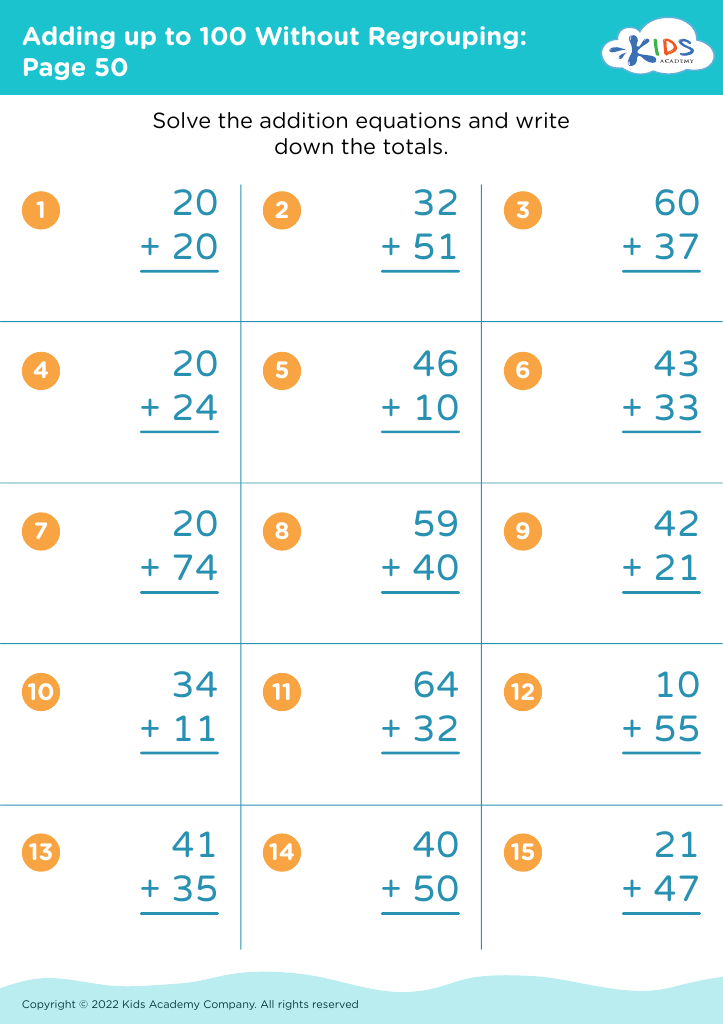
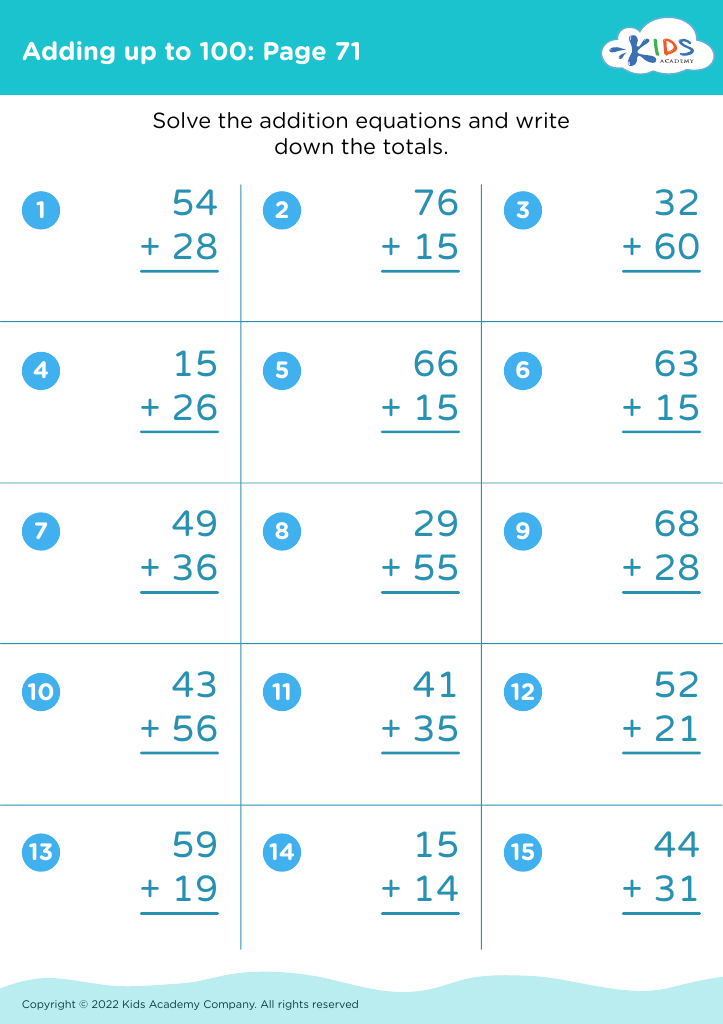
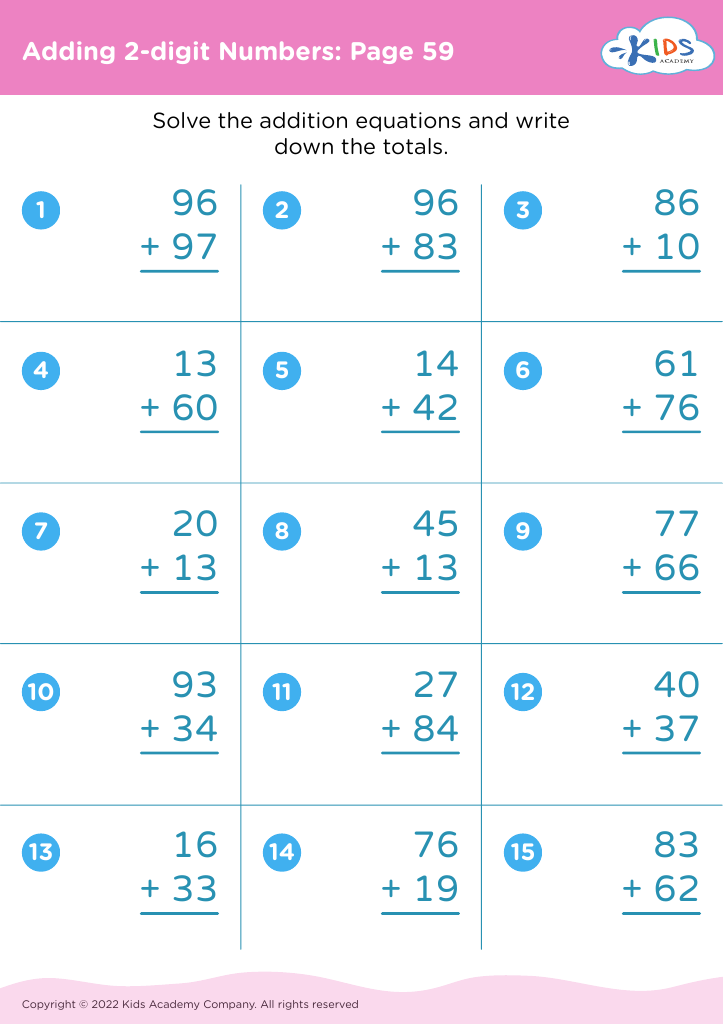
Enhance your students' understanding of fractions with our engaging Identifying Equivalent Fractions Addition Worksheets! These comprehensive printable resources help young learners grasp the concept of equivalent fractions through visual aids and practical exercises. By practicing addition involving fractions, students will develop their mathematical skills and confidence in handling fractional values. Perfect for classroom activities or at-home learning, our worksheets encourage interactive problem-solving and reinforce critical thinking. Designed for early graders, these worksheets provide step-by-step guidance to ensure mastery of identifying equivalent fractions while making math fun. Explore our collection today to help your students excel in their math journey!
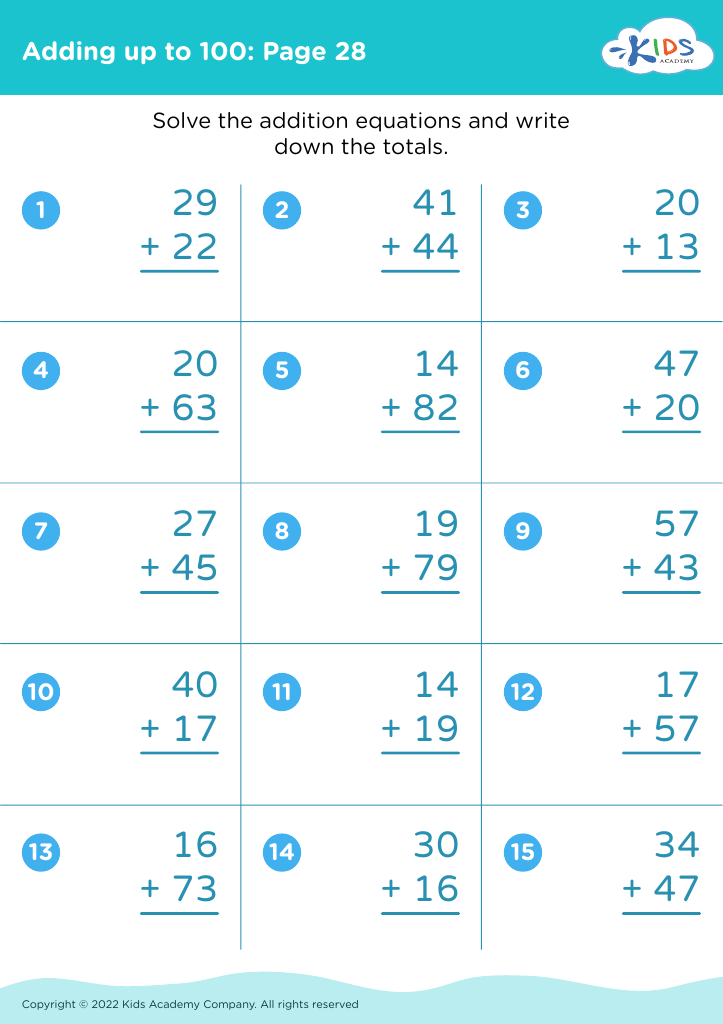
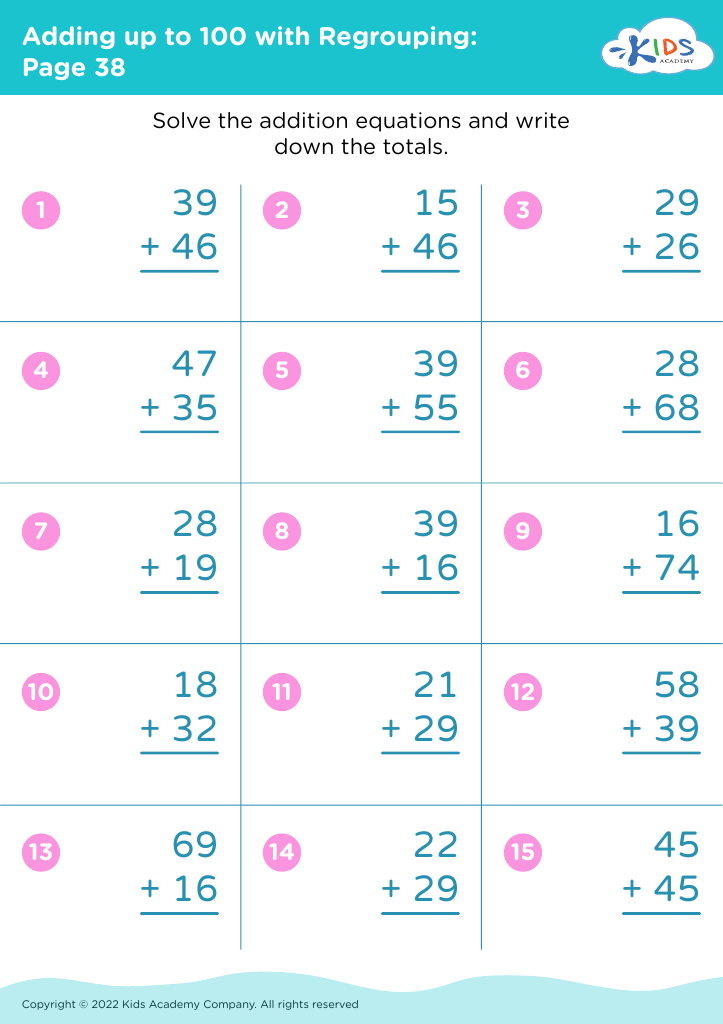
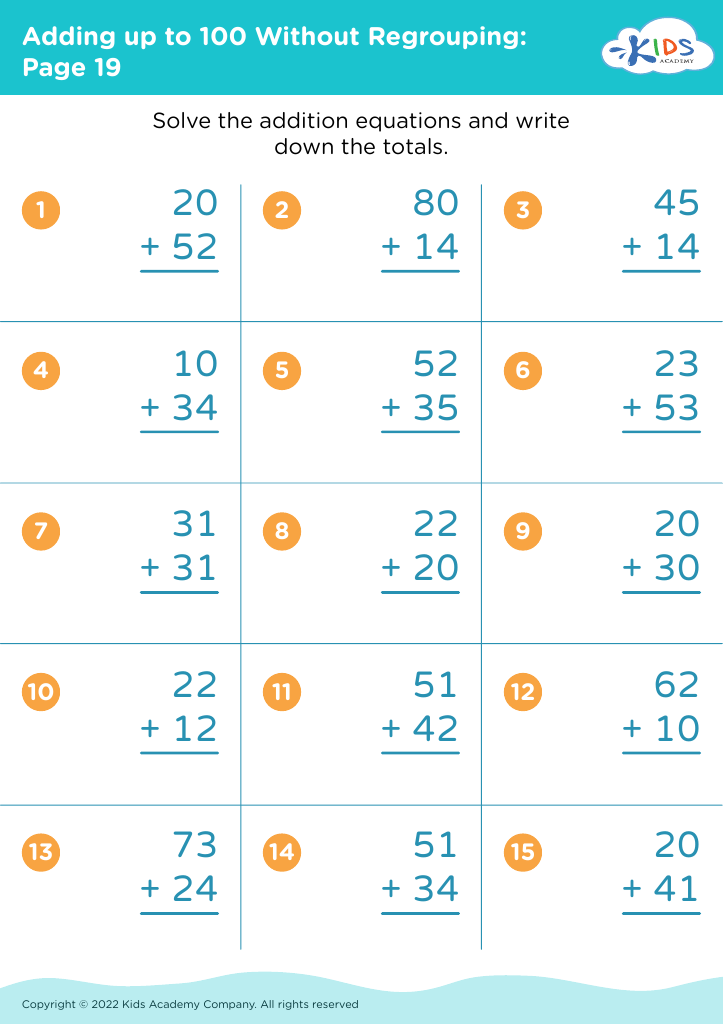
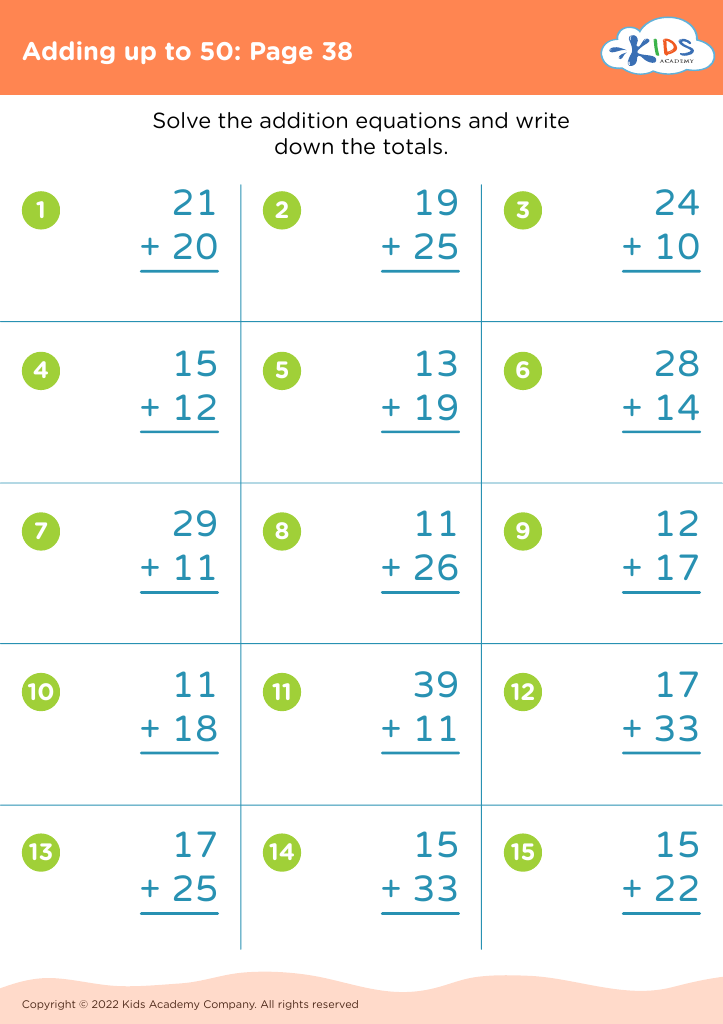



.jpg)

.jpg)


Identifying equivalent fractions, particularly in the context of addition, is fundamental in developing a strong mathematical foundation for students. Parents and teachers should care about this concept because it promotes number flexibility and deepens students' understanding of fractions.
When students grasp equivalent fractions, they learn that fractions can be expressed in multiple forms, which enhances their ability to compare, order, and add fractions. This skill is essential not only for success in future math concepts but also for everyday activities, such as cooking or budgeting, where fractions are commonly utilized.
Moreover, recognizing equivalent fractions enables children to solve more complex problems efficiently, fostering a sense of confidence and autonomy in their mathematical abilities. Furthermore, engaging in discussions about equivalent fractions encourages critical thinking and reasoning, vital skills in both academic and everyday contexts.
Encouraging students to explore equivalent fractions builds a richer comprehension of the number system while linking to various representations, such as visual models or number lines. Ultimately, when parents and teachers actively support this learning, they empower children to become more proficient and intuitive problem solvers, laying the groundwork for continued mathematical success. Thus, caring about equivalent fractions is essential for nurturing competent and confident learners.








