Pattern recognition Addition Worksheets
6 filtered results
-
From - To
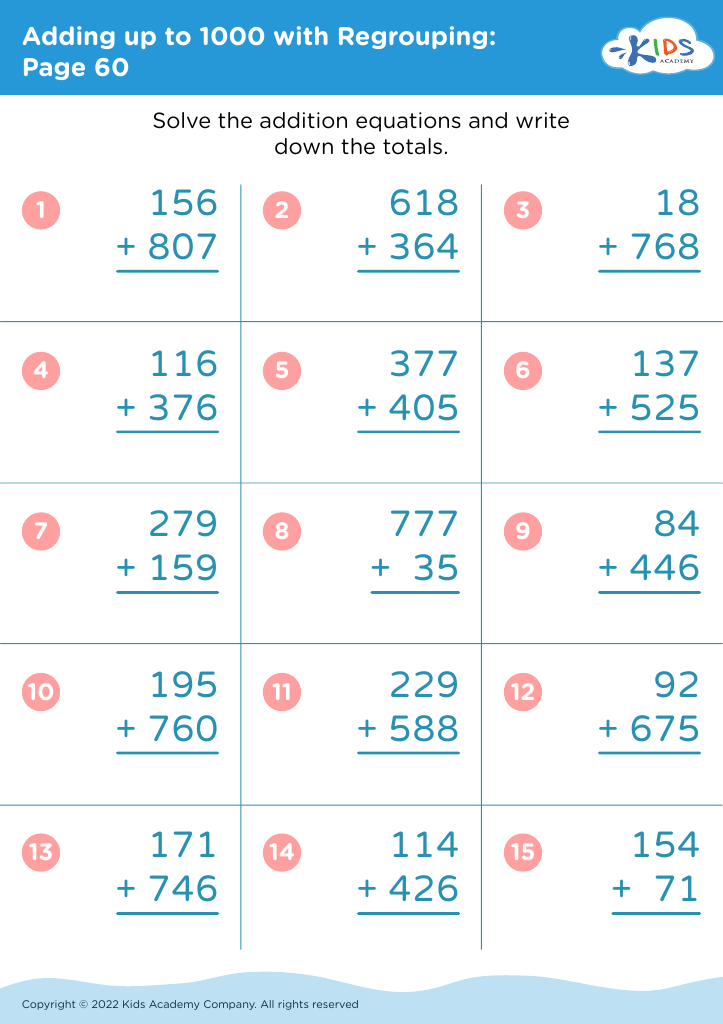
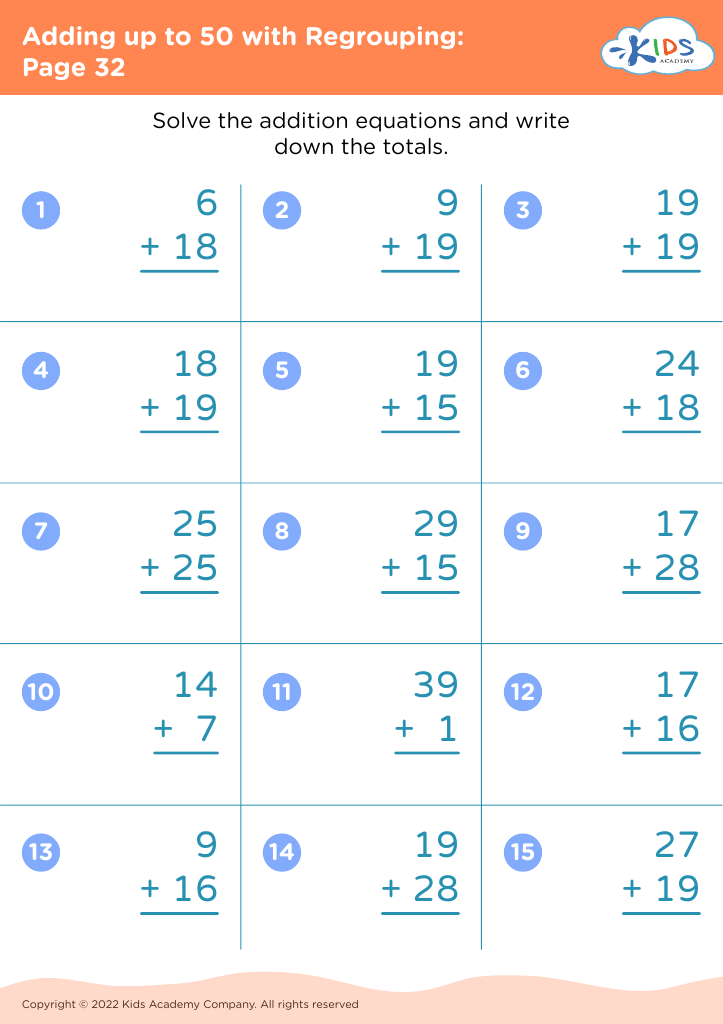
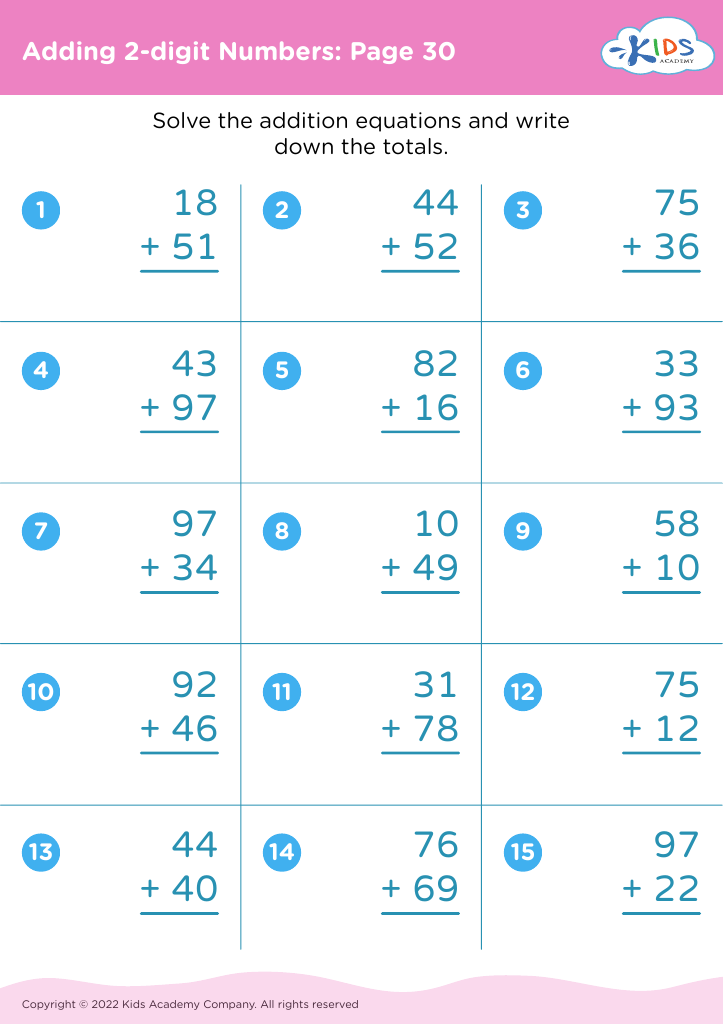
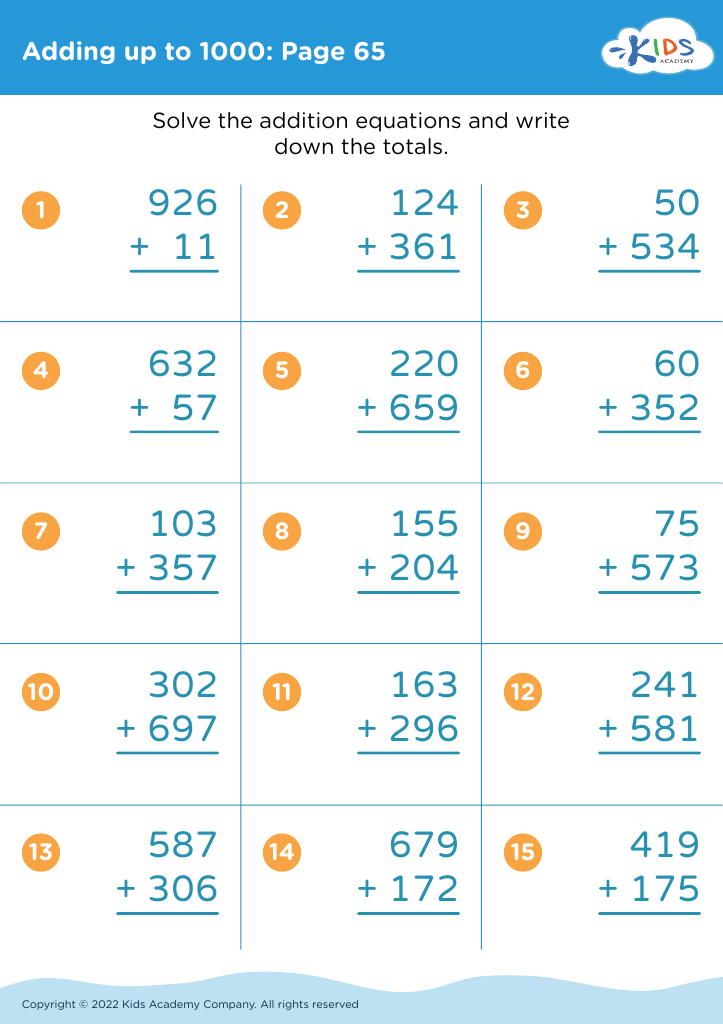
Introduce young learners to the joys of math with our engaging Pattern Recognition Addition Worksheets. Designed for early grade students, these worksheets focus on building foundational skills by helping children recognize numerical patterns and improve their addition abilities. Each worksheet offers a variety of exercises that gradually increase in complexity, ensuring students are both challenged and motivated. By identifying patterns and completing addition problems, kids enhance their critical thinking and problem-solving skills. Perfect for classroom or at-home learning, our printable worksheets provide fun, interactive activities that make math enjoyable and memorable. Boost your child's math confidence today with our expertly crafted resources!
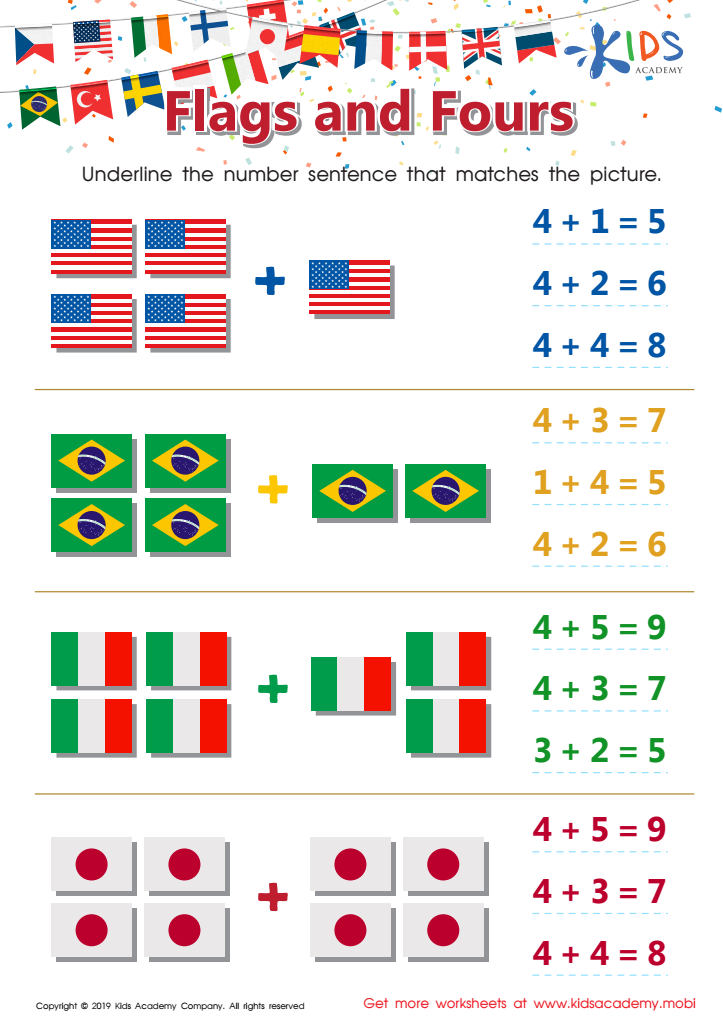
Flags and Fours Worksheet
 Assign to My Students
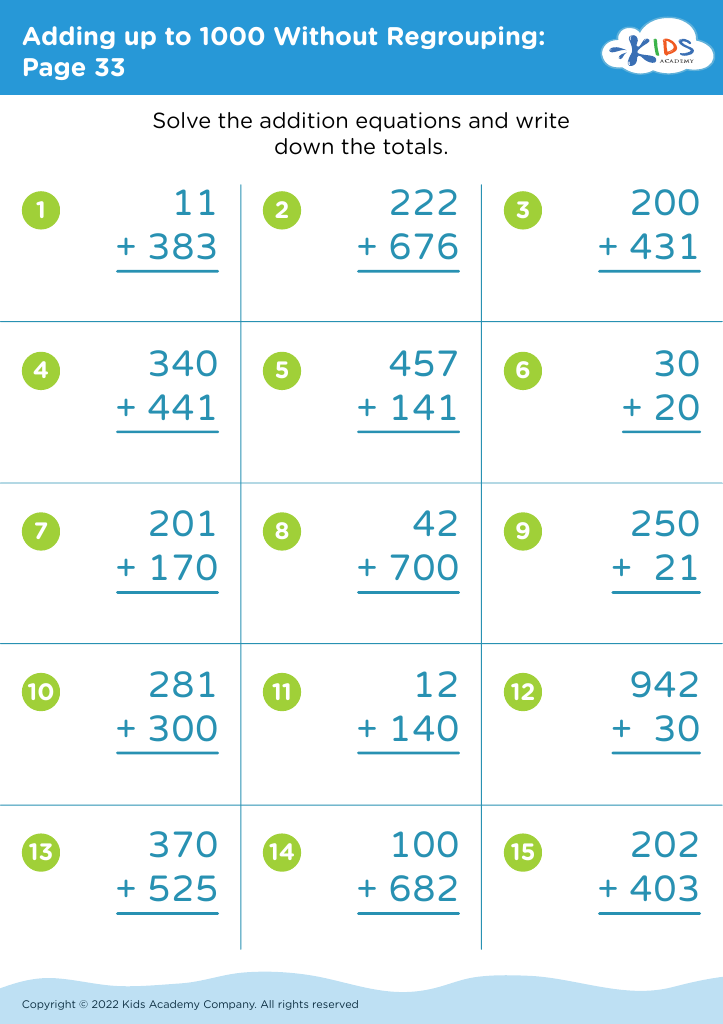








Pattern recognition is a fundamental cognitive skill that is crucial for young learners, especially in the realm of mathematics, such as addition. First and foremost, recognizing patterns helps children anticipate what comes next, fostering problem-solving and critical thinking. This skill underpins their future ability to understand more complex mathematical concepts such as algebra, geometry, and even advanced calculus.
In addition, pattern recognition builds a sense of order and predictability. When children spot a sequence in addition, such as 2 + 2 = 4, 2 + 3 = 5, and so on, they start to develop confidence in their arithmetic abilities. This self-assurance propels them to tackle more challenging problems, fostering a growth mindset.
Finally, parents and teachers should care about pattern recognition because it spreads beyond math. Patterns are everywhere: in art, music, nature, and day-to-day routines. Grasping this concept enables children to excel not just academically but also creatively and practically. For instance, understanding the pattern in daily tasks helps with planning and organization skills.
Therefore, integrating pattern recognition into early education isn’t just about teaching math—it's about nurturing a comprehensive set of skills that children will carry with them throughout their lives. It's a gateway to critical thinking, creativity, and efficient learning across different domains.








