







Recognizing shapes and understanding addition are fundamental skills in early childhood education that significantly support a child's cognitive development and problem-solving abilities. When parents and teachers focus on shape recognition, they help children develop spatial awareness—a critical skill that aids them in everyday tasks, from navigation to organizing objects. Shapes also form the foundation for more complex mathematical concepts, enhancing a child’s overall mathematical literacy.
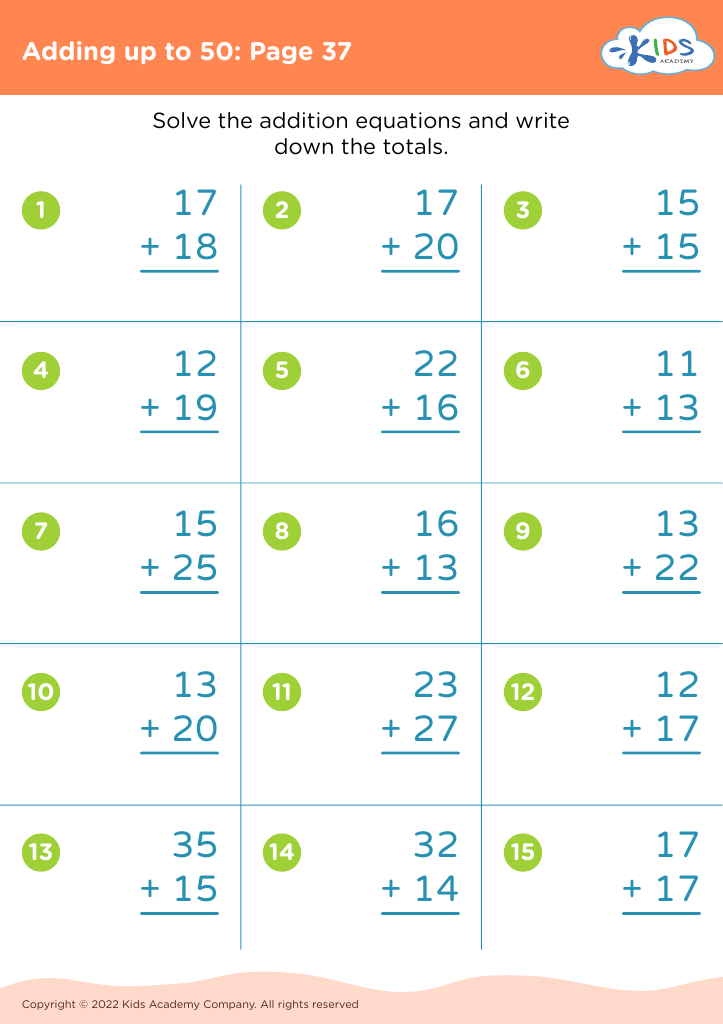
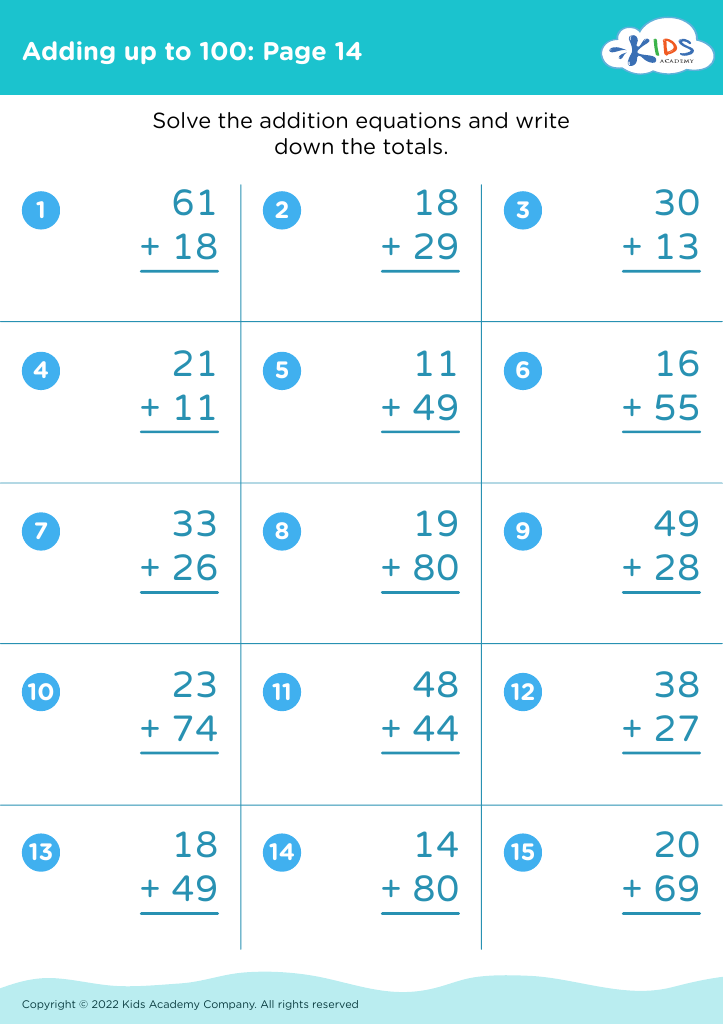
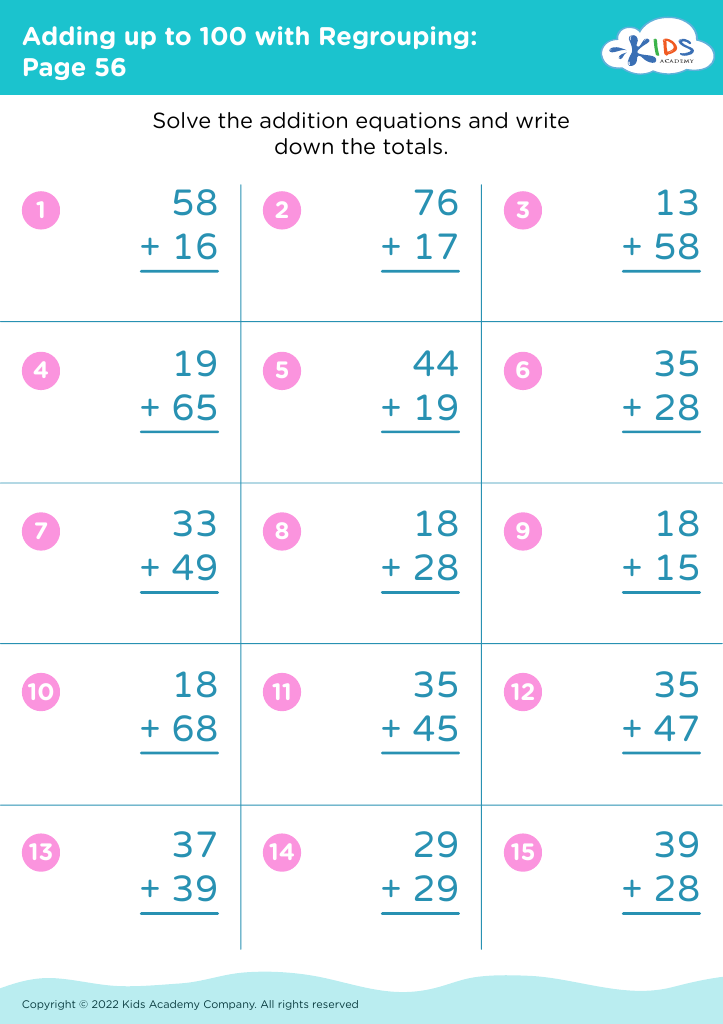
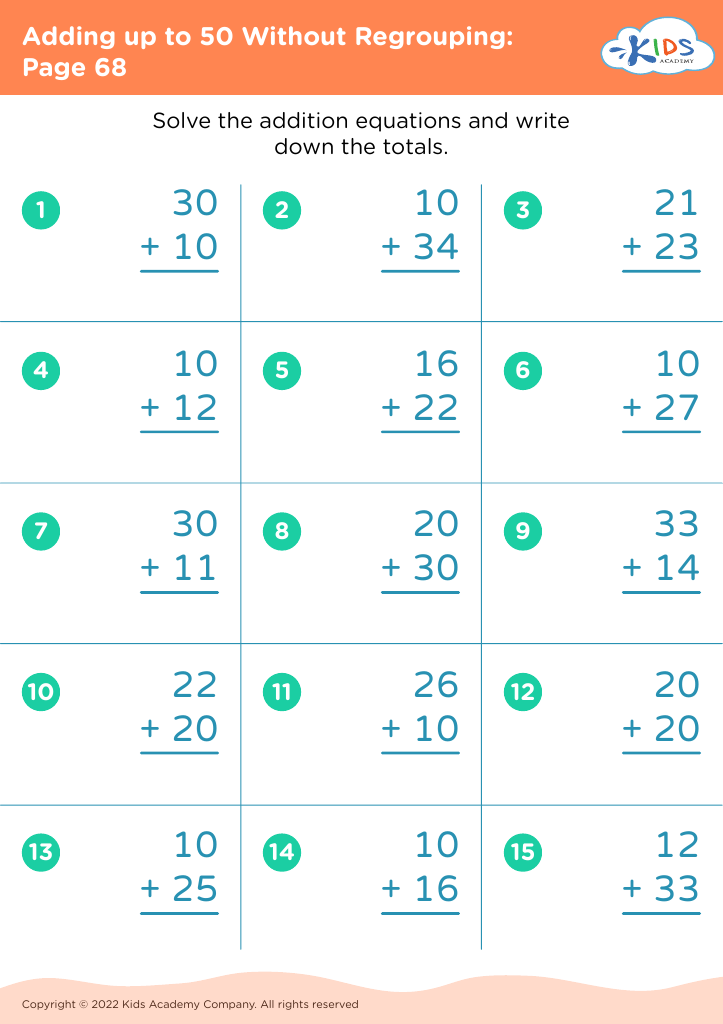
Addition, on the other hand, is a basic arithmetic operation pivotal for early mathematical understanding. By introducing addition alongside shape recognition, educators and caregivers can create engaging, hands-on learning experiences. This integration makes learning more relatable and enjoyable, as children can explore shapes through grouping, counting, and combining them.
Moreover, recognizing shapes and practicing addition boosts children's confidence and prepares them for more advanced mathematics in the future. It fosters logical reasoning and critical thinking. Parents and teachers who emphasize these skills are ensuring children not only gain foundational knowledge required for academic success but also develop a lifelong love for learning. Therefore, being aware and engaged in teaching these concepts is crucial for a child's holistic growth and development in today's increasingly analytical world.








