Shape Recognition Addition Worksheets - Page 2
32 filtered results
-
From - To
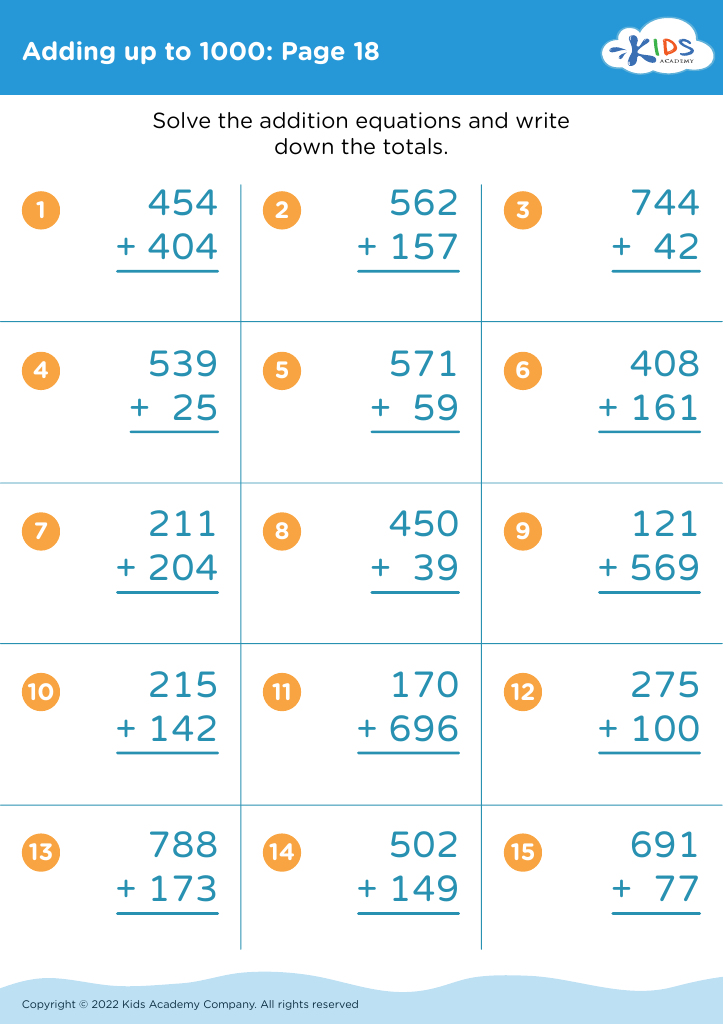
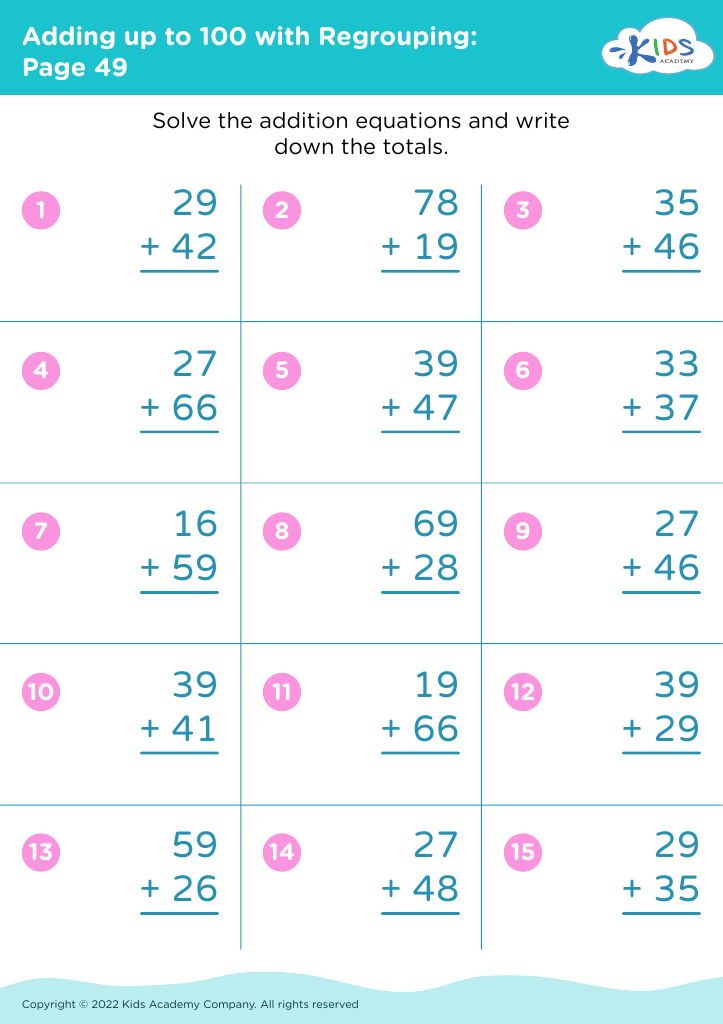
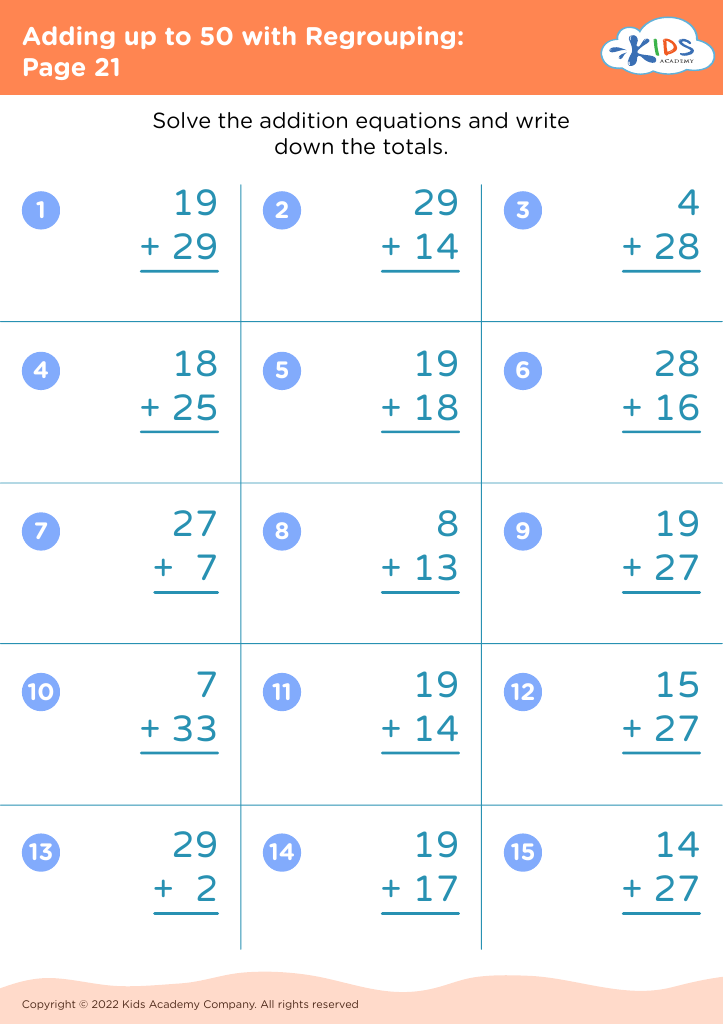
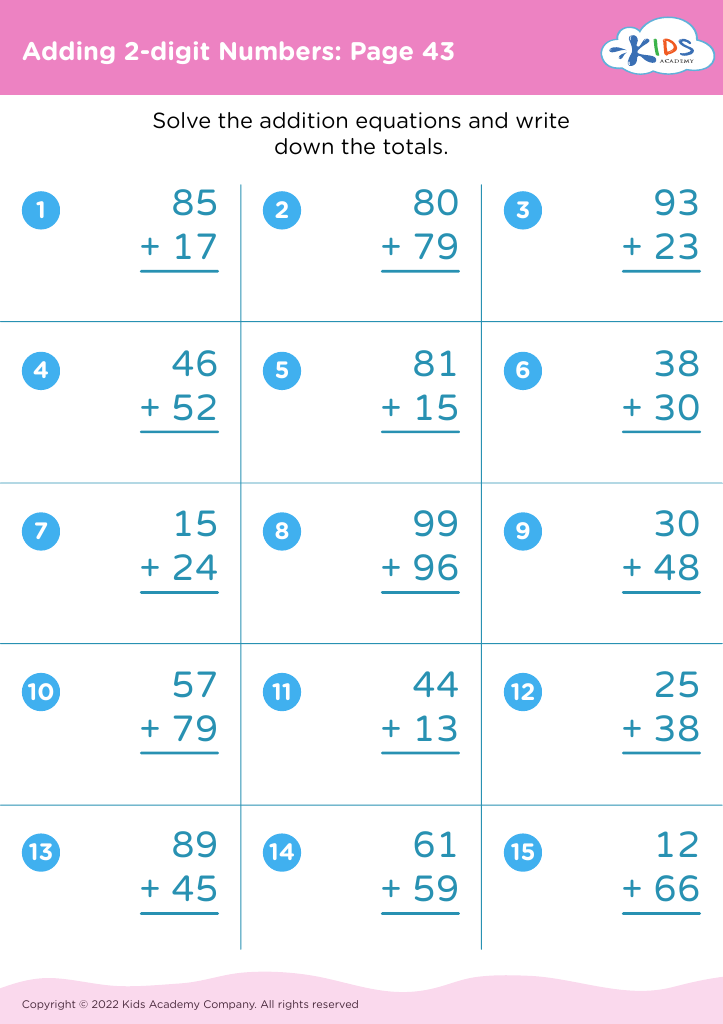
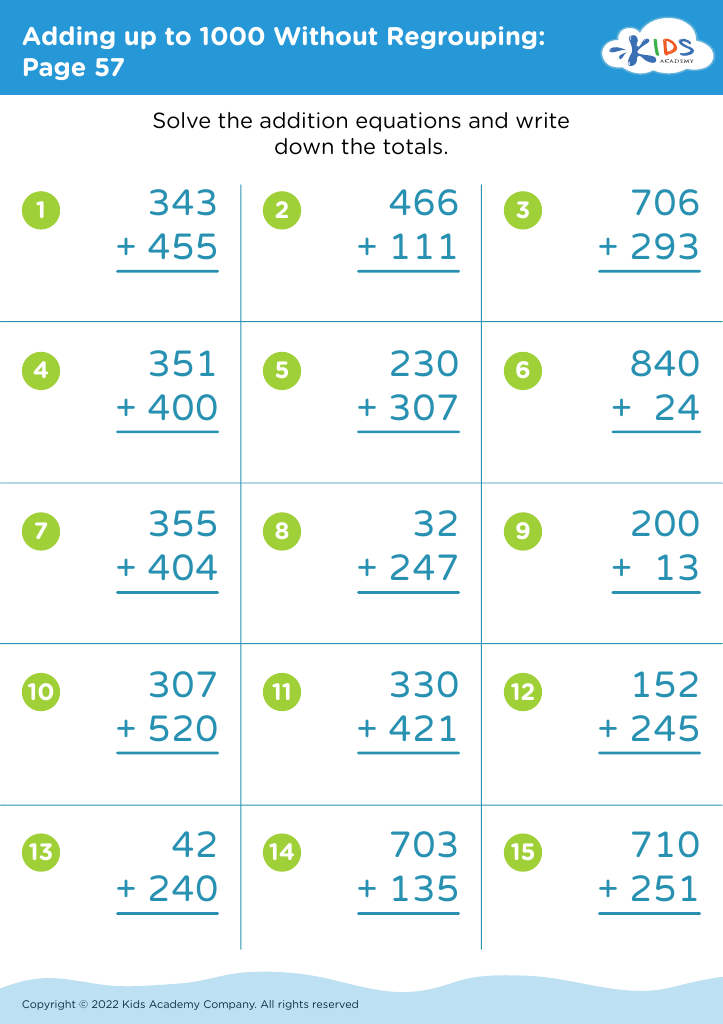
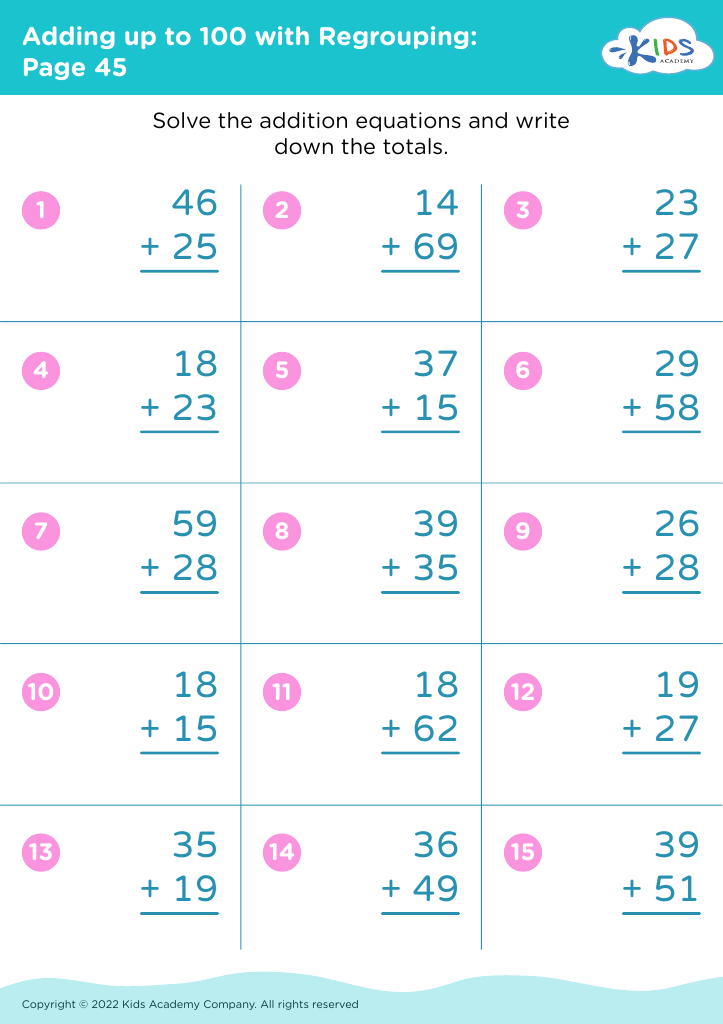
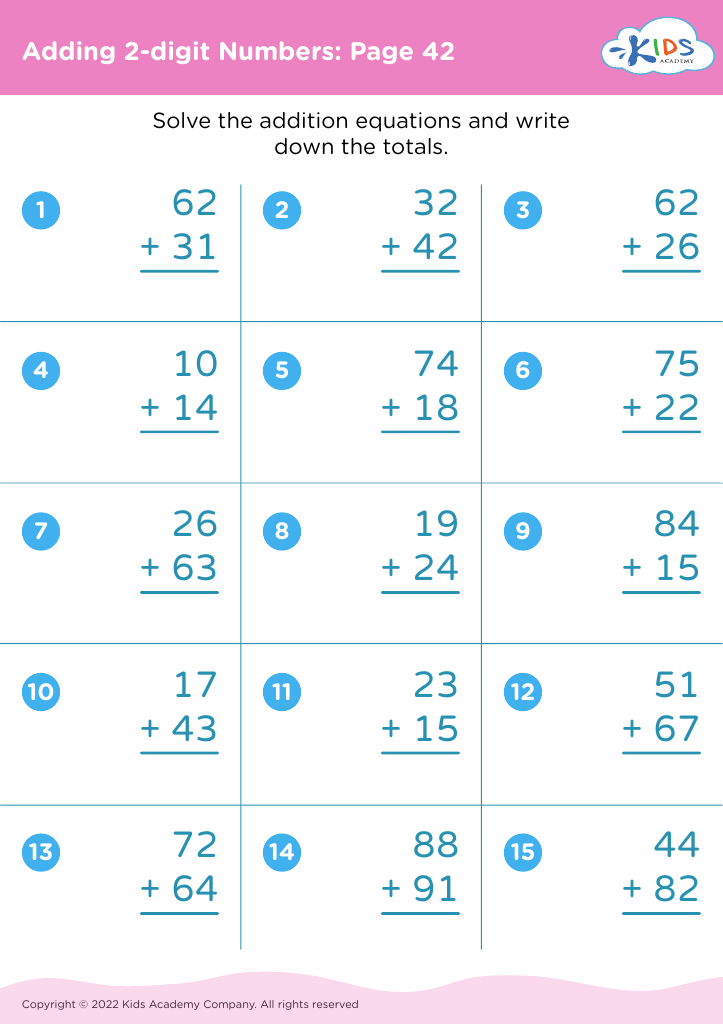
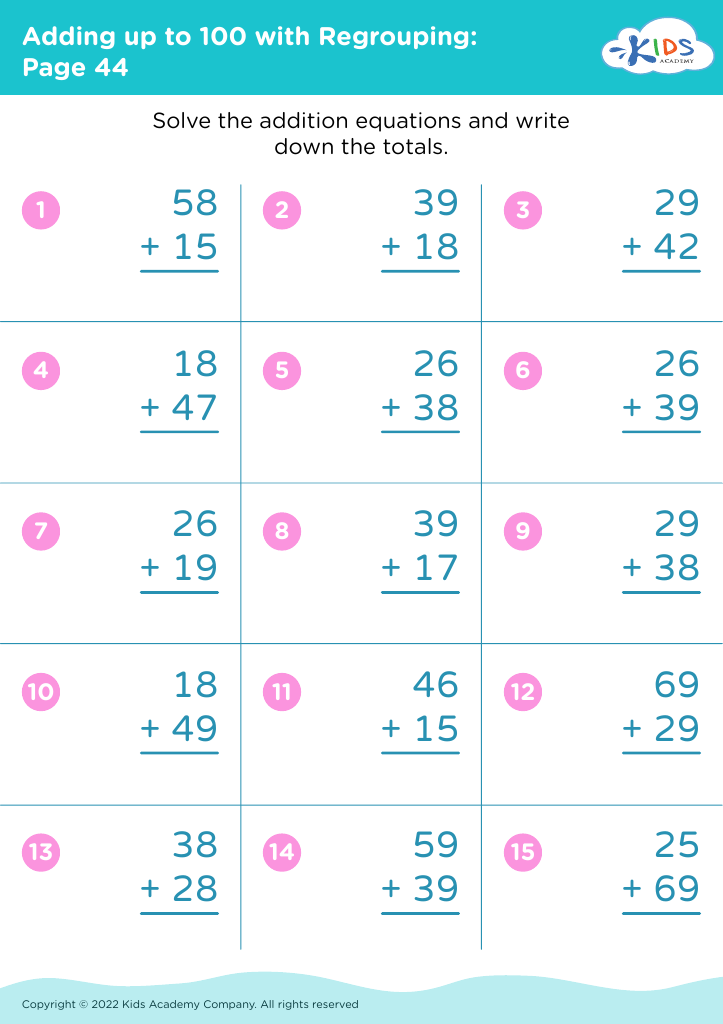








Shape Recognition Addition is essential for young learners because it merges foundational math skills with essential cognitive development. By engaging children in recognizing and adding shapes, parents and teachers support several critical aspects of early education. Firstly, this practice helps develop spatial awareness, making it easier for children to understand the physical relationships between objects, which is crucial in many daily tasks and future academic learning.
Secondly, Shape Recognition Addition strengthens early math skills by combining visual learning with numerical concepts. Children who can identify and add shapes by count or properties (e.g., counting corners) begin to understand basic arithmetic more naturally, giving them a strong foundation for future math learning. Integrating shapes into addition exercises makes the activity more interactive and visually stimulating, which can significantly increase a child's interest and engagement in learning.
Finally, this practice contributes to language development. As children learn to name and describe shapes, they expand their vocabulary and improve their communication skills. Shape Recognition Addition also encourages problem-solving and critical thinking. By consistently practicing these activities, children learn to approach problems methodically and develop critical-thinking skills which benefit overall academic performance and adaptability.
In sum, Shape Recognition Addition is a multifaceted educational strategy that supports broad developmental aspects, creating a robust academic and cognitive foundation for young learners.








