Understand multiplication Addition Worksheets
6 filtered results
-
From - To
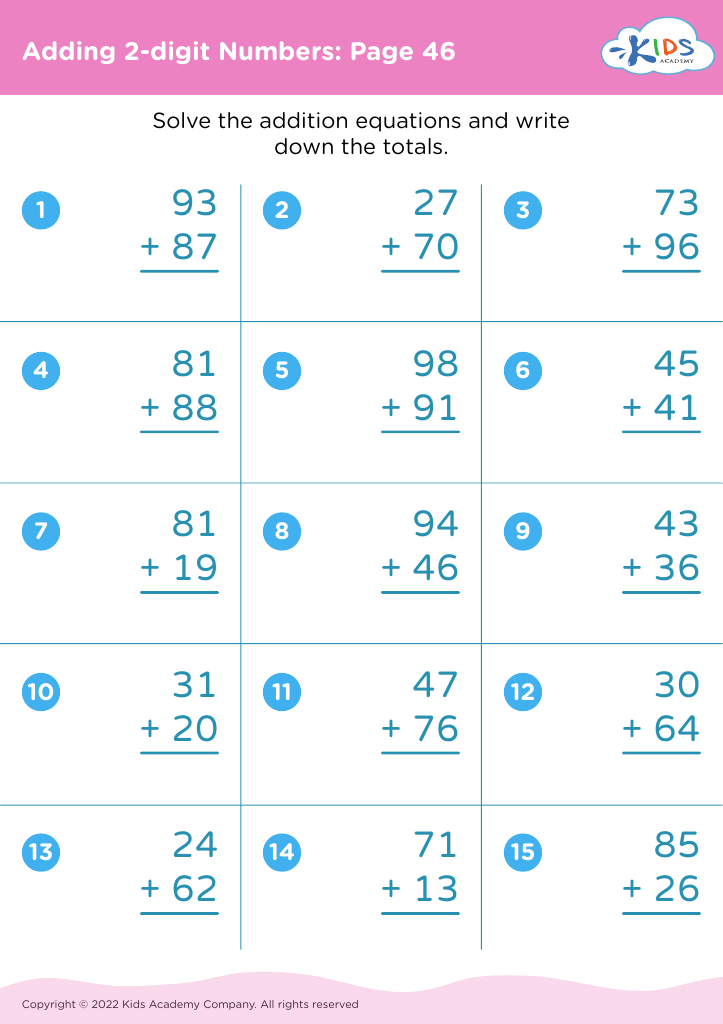
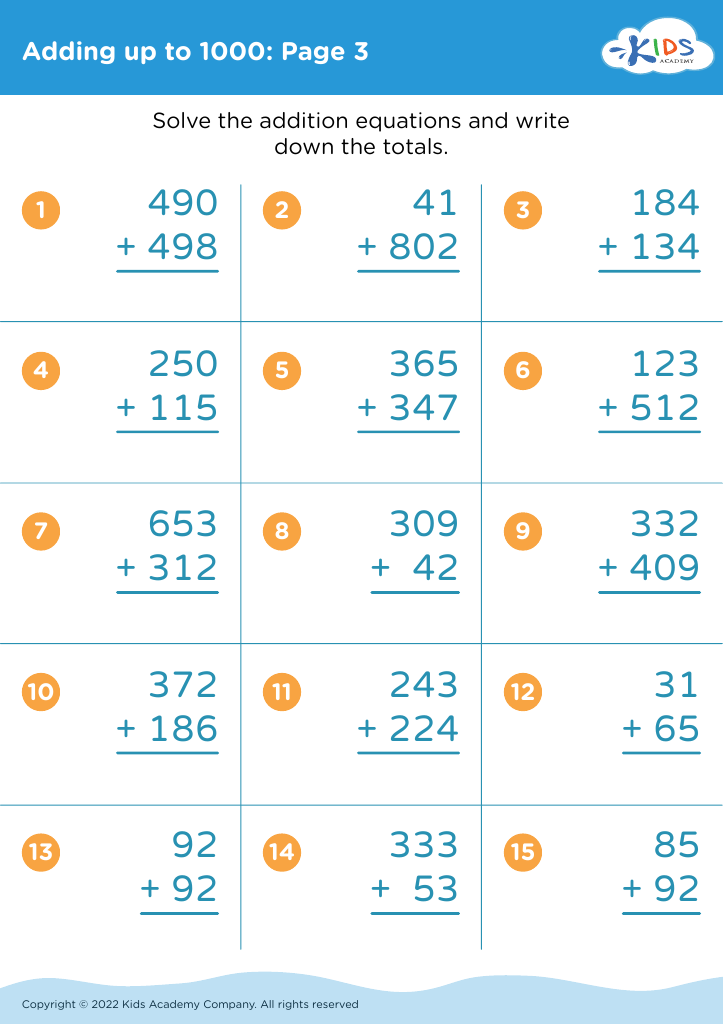
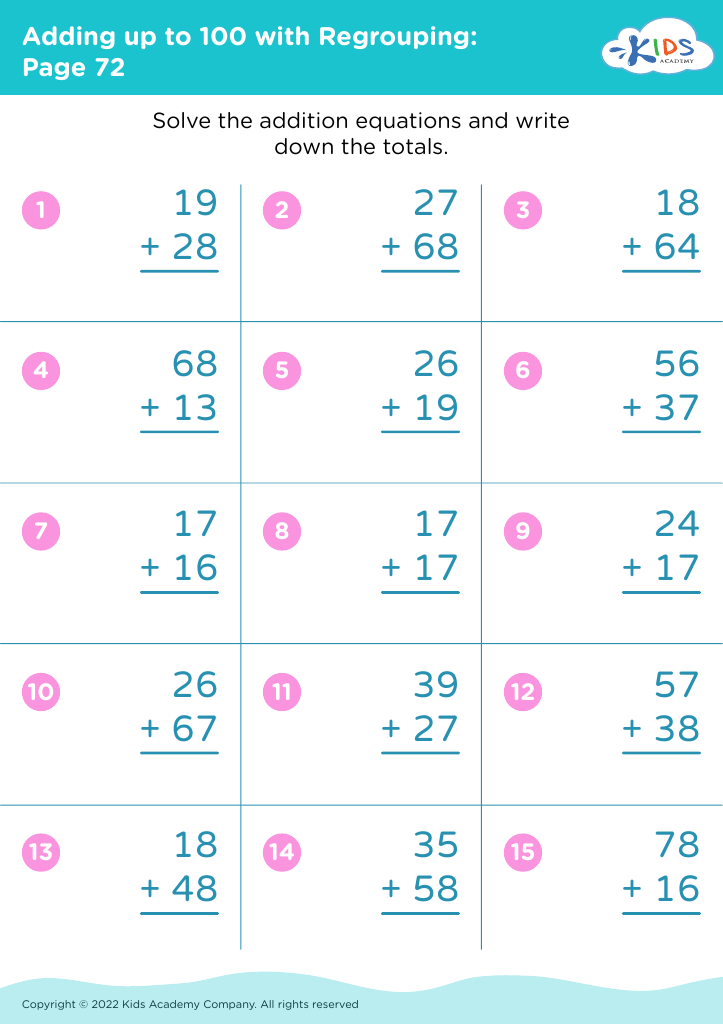
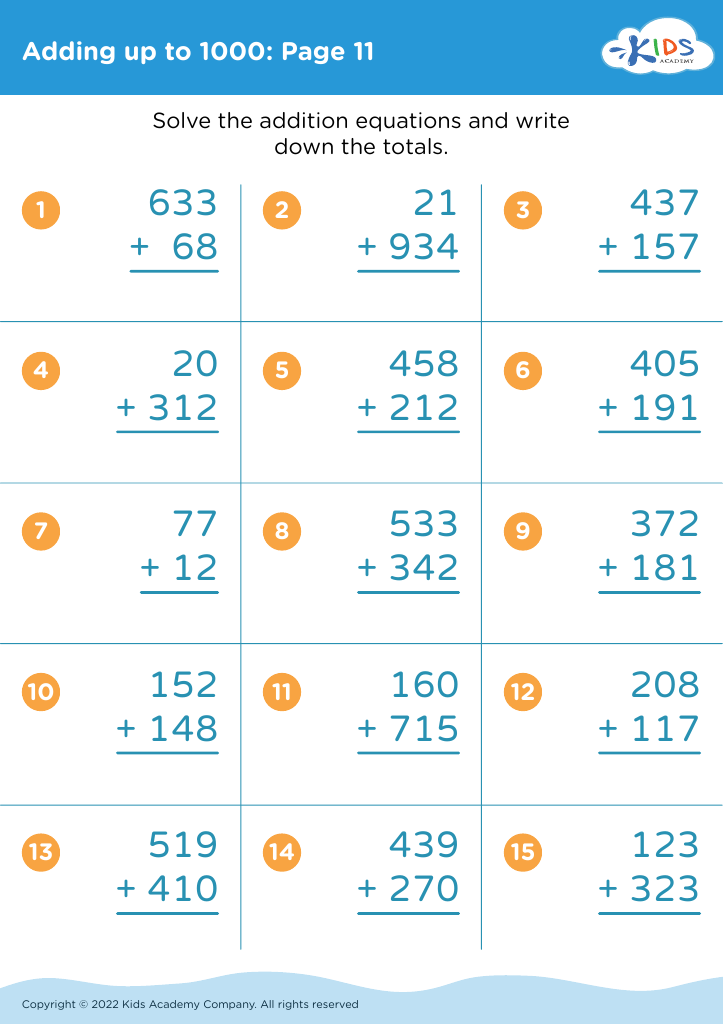
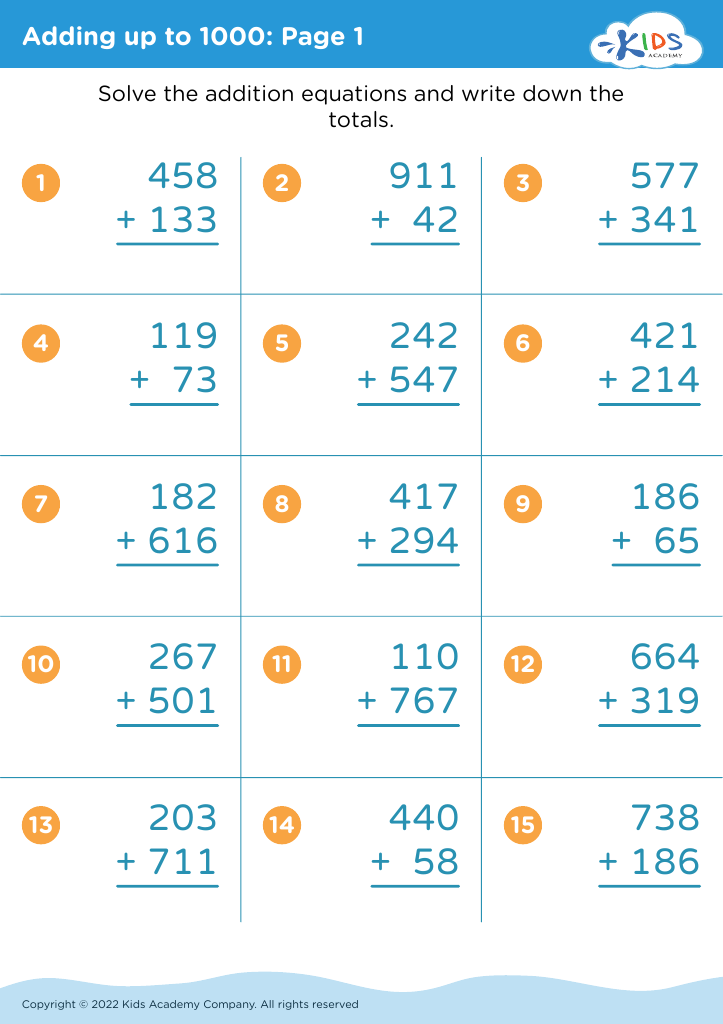
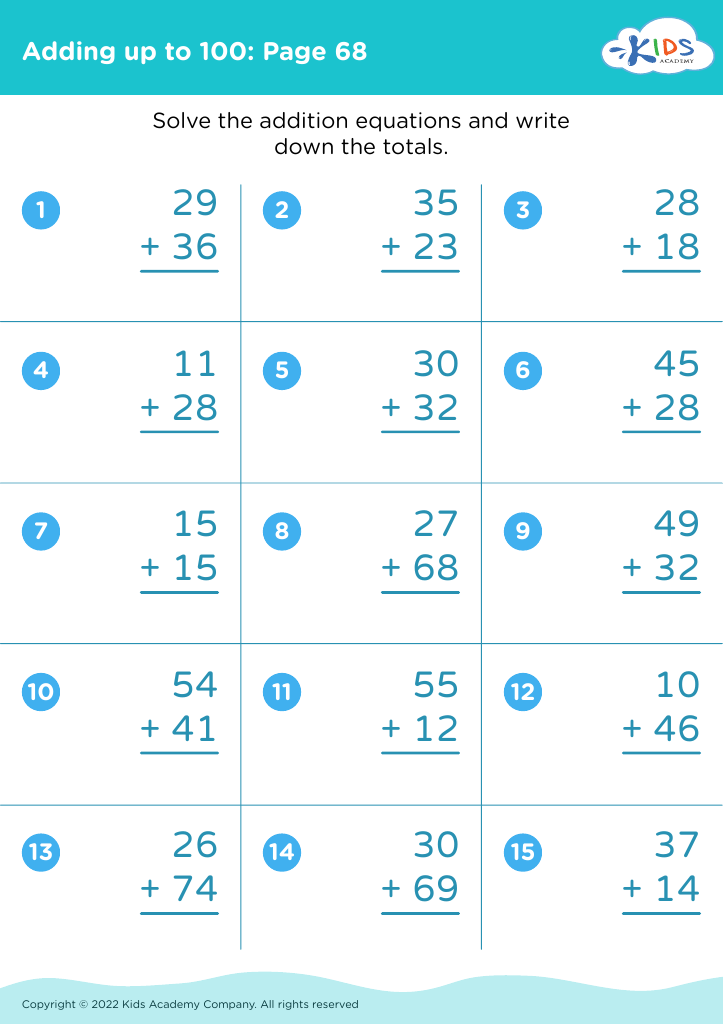
Welcome to our "Understand Multiplication Addition Worksheets" page! Designed for early learners, these engaging worksheets seamlessly integrate addition skills with the foundational concepts of multiplication. Children can explore the relationship between the two operations through fun and interactive activities. Our resources emphasize visual aids, allowing kids to grasp the connection between repeated addition and multiplication concepts. Unexpectedly playful layouts make learning enjoyable, reinforcing understanding and retention. Whether used in the classroom or at home, these worksheets are perfect for enhancing math skills and building confidence. Start your child’s journey to mathematical fluency today by exploring our comprehensive, printable worksheets!




.jpg)



Understanding multiplication and addition is fundamental for children’s academic success and everyday functioning. These foundational math concepts not only help students develop strong numerical skills but also foster critical thinking and problem-solving abilities. For parents and teachers, emphasizing the understanding of addition and multiplication is crucial for several reasons.
Firstly, these operations are the building blocks for more advanced mathematical concepts, including division, fractions, and algebra. Ensuring that children grasp these concepts early helps them navigate future mathematical challenges with confidence. Secondly, mathematical fluency fosters a positive attitude toward learning; when students understand math, they are more likely to enjoy it and engage fully.
Additionally, beyond the classroom, these skills are used in everyday situations, from budgeting money to solving real-world problems. Life skills such as critical thinking, time management, and resource allocation are intertwined with mathematical understanding.
Moreover, educators and parents can equip children with the tools they need for academic perseverance. Demonstrating practical applications of addition and multiplication inspires curiosity, making learning relevant and engaging. Ultimately, nurturing these skills supports students’ overall development, preparing them not only for academic success but for informed and responsible citizenship in a numerate world.








